
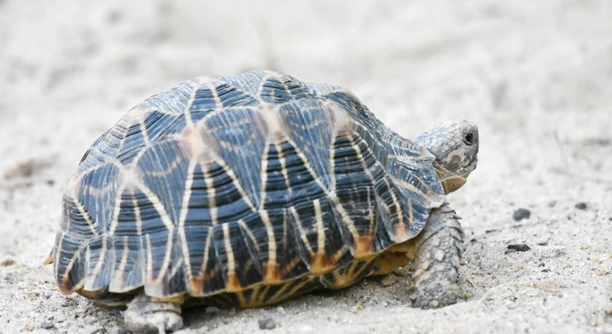
Indian Star Tortoises are fascinating pets, known for their beautiful patterns and slow, steady movements. But like all animals, they can fall ill from time to time. It’s important to recognize early signs of illness to keep them healthy.
Common signs of illness in Indian Star Tortoises include changes in eating habits, lethargy, abnormal shell appearance, respiratory issues, and unusual behavior. These symptoms may indicate underlying health problems that require prompt attention from a veterinarian.
Recognizing the signs early on can help you take the necessary steps to protect your tortoise’s health. Understanding their behavior and habits will lead to better care and faster recovery if any issues arise.
Change in Eating Habits
When an Indian Star Tortoise starts eating less or loses interest in food, it may be a sign of illness. Healthy tortoises typically have a steady appetite and enjoy a variety of food. A sudden decrease in appetite or refusal to eat could indicate several problems, such as digestive issues or infections.
Reduced eating might also lead to weight loss, making it even more noticeable. You should keep an eye on the tortoise’s food intake and body condition. If it becomes lethargic or stops eating completely for a prolonged period, it’s time to seek veterinary advice. Make sure the environment is not too cold or hot, as temperature can also affect their eating habits.
Illnesses like respiratory infections can cause a lack of appetite. Other factors include stress from a change in habitat, overfeeding of inappropriate foods, or a lack of proper UVB lighting. Ensuring a balanced diet and optimal habitat conditions will help keep your tortoise healthy and eating regularly.
Lethargy and Unusual Behavior
If your tortoise is unusually sluggish or shows signs of lethargy, it may not be feeling well.
A healthy Indian Star Tortoise is typically active and curious, but when sick, they often become inactive, retreating into their shells more often than usual. Their energy levels drop, and they may not respond to stimuli as they normally would. Lethargy is a common symptom of several illnesses, including dehydration, infections, or vitamin deficiencies.
It’s important to monitor their behavior carefully. If lethargy lasts more than a day or two, and you notice other symptoms such as changes in appetite or respiratory issues, it’s best to contact a vet. Stress and improper lighting can also contribute to sluggishness, so consider those factors before assuming the worst.
Tortoises need warmth to stay active. If your pet is too cold or kept in poor lighting conditions, it might display lethargic behavior. Make sure the habitat’s temperature is properly regulated, with a basking spot that is warm enough for them to absorb heat.
Abnormal Shell Appearance
A healthy Indian Star Tortoise should have a smooth, hard shell with no visible cracks or soft spots. If the shell starts looking abnormal—whether it’s soft, swollen, or discolored—it’s a strong indication something is wrong. Shell deformities can be caused by a variety of factors, including infections or improper diet.
Shell problems can also stem from inadequate calcium intake or improper UVB lighting. Tortoises rely on proper UVB exposure to absorb calcium, which is essential for maintaining a strong and healthy shell. Without it, the shell can become soft or misshapen. Poor nutrition, stress, or lack of proper care can contribute to these issues.
If you notice any abnormal changes, it’s essential to check the environmental conditions. The basking spot should provide heat and UVB light for adequate calcium absorption. If the condition persists, consult a veterinarian to rule out any infections or diseases that may be affecting the shell.
Respiratory Issues
Wheezing, coughing, or nasal discharge are signs that something might be wrong with your tortoise’s respiratory system.
Respiratory infections are a common issue for Indian Star Tortoises and can be triggered by factors such as poor living conditions or sudden changes in temperature. Infected tortoises may show signs of difficulty breathing, along with bubbling or mucus around the nose and mouth. These infections can be serious, especially if left untreated.
It’s crucial to maintain a stable and warm environment to avoid respiratory illnesses. If you notice any of these symptoms, it’s important to act quickly, as untreated respiratory infections can lead to more severe health problems. A veterinarian will likely recommend antibiotics to help clear the infection, and you may need to adjust the habitat for proper recovery.
Unusual Behavior
If your tortoise suddenly becomes more reclusive or displays odd behavior, it might be trying to communicate that it’s not well.
Indian Star Tortoises are usually calm but active. When sick, they might hide more often, stay in one spot, or seem disoriented. Any significant change in behavior should be taken seriously.
If they seem overly aggressive or show signs of irritability, it could be due to stress or discomfort. Environmental factors like humidity, temperature, or changes in habitat can trigger such behavior. Observe for other symptoms like loss of appetite or abnormal shell appearance to get a clearer idea of their condition.
Swelling or Puffiness
Swelling, especially around the limbs or face, can be a sign of an underlying health issue.
Puffy areas can occur due to infections, fluid retention, or injuries. If your tortoise’s body becomes noticeably swollen, it’s best to check for signs of injury, infection, or excessive moisture in the habitat.
Diarrhea or Abnormal Droppings
Diarrhea or unusual droppings may signal digestive problems or infections.
The cause could range from poor diet, stress, or even a parasitic infection. Make sure the diet includes the right balance of fiber and nutrients. If the abnormal droppings persist, consult a vet to diagnose any potential issues.
FAQ
How can I tell if my Indian Star Tortoise is sick?
The signs of illness in Indian Star Tortoises are often subtle, but there are a few key things to look for. A change in eating habits, lethargy, and abnormal shell appearance are some of the first indicators. Respiratory problems, such as wheezing, nasal discharge, or labored breathing, are also signs of sickness. If you notice any of these, it’s essential to consult a vet promptly.
What should I do if my tortoise stops eating?
If your tortoise stops eating, check for stressors in the environment first. Ensure the temperature and humidity levels are appropriate, as they can affect appetite. If these conditions are optimal, and your tortoise still refuses to eat, it could be ill. Persistent lack of appetite can lead to dehydration or other complications, so seeking veterinary help is recommended.
How can I prevent respiratory infections in my tortoise?
Respiratory infections are often caused by poor environmental conditions, such as low temperatures, poor ventilation, or high humidity. To prevent them, maintain a stable temperature between 80-85°F during the day and provide a basking spot with proper UVB lighting. Ensure good airflow in the enclosure and avoid drafts. Regular cleaning of the habitat is also important to avoid bacterial buildup.
Is it normal for my tortoise to hide a lot?
Hiding behavior can be normal, especially when a tortoise feels stressed, cold, or needs privacy. However, excessive hiding, particularly if accompanied by lethargy, lack of eating, or other symptoms, may indicate illness. Always check if the temperature and environment are suitable, and observe for other signs that may require a vet visit.
How often should I feed my Indian Star Tortoise?
Indian Star Tortoises are herbivores and should be fed a variety of leafy greens, grasses, and vegetables. They typically eat every day, but the frequency depends on their age. Young tortoises need to be fed daily, while adults can eat every other day or several times a week, depending on their health and activity level.
Can a poor diet cause shell problems?
Yes, a poor diet can lead to shell problems. A lack of calcium and essential nutrients can cause the shell to become soft or malformed. To avoid this, provide a well-balanced diet rich in calcium, vitamin D3, and fiber. Ensure your tortoise gets enough UVB light to aid in calcium absorption.
Why is my tortoise’s shell soft?
A soft shell is a sign of calcium deficiency or inadequate UVB exposure. Tortoises need both calcium and UVB light to maintain a strong, hard shell. If the shell becomes soft, increase calcium intake and ensure the tortoise is exposed to proper UVB lighting for 10-12 hours a day. If the issue persists, consult a vet.
How do I deal with shell rot in my tortoise?
Shell rot can occur due to bacterial or fungal infections. If your tortoise’s shell is soft, discolored, or has visible lesions, it’s essential to consult a veterinarian. Treatment may involve cleaning the affected area with antiseptic solutions, antibiotics, or antifungal medications. In severe cases, surgery may be necessary to remove infected tissue.
Can my tortoise recover from a respiratory infection?
Yes, respiratory infections can be treated if caught early. Treatment may involve antibiotics prescribed by a vet, and adjustments to the habitat, such as increasing warmth and reducing humidity. Keeping the tortoise’s enclosure clean and ensuring optimal lighting and temperature will help speed up recovery. If left untreated, respiratory infections can lead to more serious health issues.
How can I help my tortoise with dehydration?
Dehydration in tortoises can be caused by a lack of water or a dry environment. To prevent dehydration, make sure your tortoise has access to fresh water at all times. If your tortoise shows signs of dehydration (sunken eyes, dry skin), try soaking it in shallow, lukewarm water for 10-15 minutes to help it rehydrate. If the issue persists, consult a vet.
What are the signs of stress in an Indian Star Tortoise?
Stress in Indian Star Tortoises can manifest in several ways, including excessive hiding, aggression, loss of appetite, and abnormal behavior. Stress can be caused by temperature fluctuations, loud noises, overhandling, or changes in their environment. Ensuring a consistent, calm environment can help reduce stress and improve your tortoise’s well-being.
How long do Indian Star Tortoises live?
Indian Star Tortoises are known for their long lifespan, often living between 50 to 100 years in captivity, depending on the care they receive. Proper nutrition, a stable environment, and regular veterinary check-ups can help ensure a long, healthy life for your tortoise.
Final Thoughts
Taking care of an Indian Star Tortoise requires attention to detail, patience, and a commitment to maintaining the right environment. These tortoises are relatively low-maintenance compared to other pets, but they still need proper care to stay healthy. Regularly checking their habitat for temperature, humidity, and cleanliness is essential to prevent health issues. You should also monitor their behavior and eating habits, as these can give you early signs if something is wrong. With the right care, your tortoise can live a long and healthy life.
When it comes to illness, being proactive is key. The earlier you recognize any signs of illness, the better the chance of recovery. If your tortoise shows any signs of lethargy, loss of appetite, or unusual behavior, don’t ignore them. These could be signals that something is wrong, and it’s better to consult a veterinarian sooner rather than later. Ensuring a balanced diet with plenty of fiber and calcium, along with proper UVB lighting, can prevent many common health problems. Creating a stress-free environment will also help your tortoise remain happy and healthy.
Finally, remember that owning a tortoise is a long-term commitment. They may live for many decades, so you should be ready to provide for their needs for a long time. Regular health check-ups, a proper diet, and a stable living environment will ensure your tortoise’s well-being. By following these basic guidelines and being attentive to their needs, you can enjoy many years with your Indian Star Tortoise.

Hello,
If you enjoy the content that we create, please consider saying a "Thank You!" by leaving a tip.
Every little bit helps us continue crafting quality advice that supports the health, happiness, and well-being of pets around the world, for pets of all shapes, sizes, and species.
We really appreciate the kindness and support that you show us!