
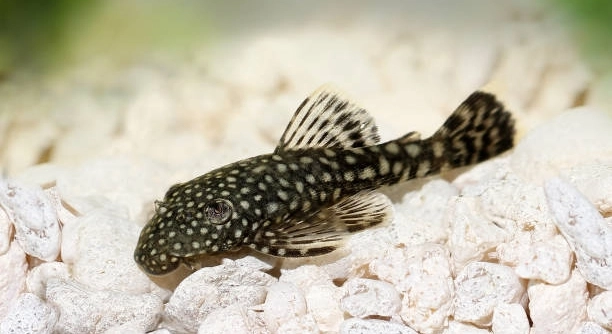
Are your plecos showing signs of maturity but not breeding in your aquarium? Breeding these fascinating fish requires patience, proper care, and an understanding of their natural environment. Small adjustments can make a big difference in encouraging reproduction.
Encouraging plecos to breed involves replicating their natural conditions, including water quality, temperature, diet, and providing suitable hiding and spawning spaces. Maintaining stable, clean water and offering a varied diet promotes health and readiness for reproduction.
Understanding these needs will help you create the right environment and improve your plecos’ chances of successful breeding. The following guide will provide practical steps to achieve this.
Preparing the Tank for Breeding
Creating the right environment for plecos starts with tank setup. They need clean, well-oxygenated water with stable parameters. Aim for a temperature between 78–82°F and a pH around 6.5–7.5. Include hiding spots like caves or PVC pipes, as plecos prefer secluded areas for spawning. Sand or smooth gravel works best for the substrate because it is gentle on their undersides. Proper filtration is essential to maintain water clarity, but avoid strong currents that may stress the fish. Performing regular water changes helps reduce nitrate buildup and keeps the environment healthy. Lighting should be moderate, mimicking natural day-night cycles. Adding live plants can offer extra shelter and contribute to water quality. The tank size matters too; larger tanks give males and females enough space to establish territories and reduce stress. Small adjustments in water flow, temperature, and shelter can make a noticeable difference in breeding readiness.
Providing appropriate shelters and maintaining stable water conditions encourages plecos to feel secure and ready to breed.
A tank prepared with these considerations not only improves the chance of breeding but also ensures the overall health of your plecos. Monitoring water parameters closely, keeping consistent feeding routines, and ensuring enough space for movement are key factors. Observing their behavior, like increased hiding or territorial displays, can indicate readiness. Avoid overcrowding to minimize stress and aggression. Using natural decorations like driftwood can provide additional surfaces for grazing and create a more authentic environment. A well-planned tank fosters comfort, reduces stress, and supports reproductive behavior, ultimately increasing the likelihood of successful breeding.
Feeding and Conditioning Plecos
Feeding a varied diet is crucial for breeding success. Include high-quality sinking pellets, vegetables like zucchini or cucumber, and occasional protein-rich treats.
Conditioning plecos involves enhancing their health through proper nutrition and consistent care. High-quality foods promote fertility and improve energy levels.
Regular feeding of diverse foods ensures plecos are healthy and more likely to spawn. Vegetables provide essential fiber, while protein-rich items support growth and reproductive development. Avoid overfeeding, as excess waste affects water quality. Observing their feeding behavior helps gauge health and readiness. Conditioning should continue for several weeks prior to introducing a breeding pair to ensure optimal physical condition. Combining proper nutrition with a stress-free environment and stable water parameters creates ideal conditions for reproduction. Adjusting the feeding routine slightly to mimic natural cycles, such as reducing food in the morning and providing richer options in the evening, can encourage natural behaviors. Conditioning not only improves fertility but also strengthens immune systems, ensuring plecos remain active and healthy throughout the breeding process.
Choosing the Right Breeding Pair
Selecting healthy plecos increases the chances of successful breeding. Look for active, well-fed fish with no visible signs of disease or injury. Size and maturity are important; larger males often guard the nest more effectively.
A suitable male should have developed odontodes along the cheeks and pectoral fins, which indicate sexual maturity. Females should have a rounded belly, showing they are ready to carry eggs. Observing interactions can help identify compatible pairs, as aggression or avoidance may signal incompatibility. Avoid pairing fish from the same tank if territorial disputes are frequent. Providing multiple hiding spots can reduce stress and encourage bonding. Proper pairing ensures that the spawning process occurs smoothly, minimizing conflict and maximizing the likelihood of fertilization.
Introducing the chosen pair gradually helps them acclimate to the breeding environment. Place the female in first for a few days, then add the male, giving them time to establish territories. Observe their behavior closely; nesting activity such as cleaning a cave or circling it signals readiness. Adjust lighting and water flow if needed to reduce stress. Avoid sudden changes, as plecos are sensitive to environmental disruptions. A patient, structured approach to pairing increases the success of natural spawning and helps maintain long-term health of both fish.
Spawning and Egg Care
Monitor the breeding site closely once spawning begins to prevent disturbances. Plecos often lay eggs inside caves or crevices, requiring a secure location for protection.
Eggs should be left undisturbed while the male guards them. He fans the eggs with his fins to provide oxygen and remove debris. Keep water quality high through regular checks and partial water changes without disturbing the nest. Temperature stability is critical, as fluctuations can reduce hatching success. Avoid introducing new fish during this period to minimize stress. Depending on the species, eggs typically hatch in 5–10 days.
After hatching, fry remain under the male’s protection for a short period. Once free-swimming, provide finely crushed food or algae wafers suitable for small mouths. Separate them into a rearing tank if overcrowding becomes an issue. Regularly monitor water quality and remove uneaten food to prevent contamination. Fry growth is gradual, and consistent feeding supports strong development. Adjust water flow gently to avoid disturbing weak fry while ensuring proper oxygenation. Maintaining stable conditions and providing a safe environment ensures a higher survival rate during early development stages.
Maintaining Water Quality
Stable water quality is essential for breeding plecos. Test parameters regularly, including ammonia, nitrite, nitrate, pH, and temperature. Keep the tank clean with routine water changes to prevent harmful buildup.
Use gentle filtration to maintain clarity without creating strong currents. Avoid sudden chemical changes or new treatments that can stress breeding fish.
Observing Breeding Behavior
Watch for signs like increased territoriality, cleaning of caves, and circling activity. These behaviors indicate readiness and active engagement in the spawning process.
Pay attention to interactions between the male and female. Excessive aggression may require temporary separation or additional hiding spaces to reduce stress and ensure safe breeding conditions.
Fry Growth and Feeding
Provide finely crushed food, algae wafers, or specialized fry food. Feeding small amounts multiple times a day supports steady growth.
Monitor their development closely, removing uneaten food to maintain water quality and reduce the risk of disease.
Adjusting Environment
Small adjustments in temperature, lighting, or water flow can influence breeding success. Maintain stability while mimicking natural conditions.
FAQ
How long does it take for pleco eggs to hatch?
Pleco eggs generally hatch within 5 to 10 days, depending on the species and water conditions. Stable temperature and clean water are essential to ensure successful hatching. Some species may take a few extra days, so patience is important.
Do I need to remove the eggs from the main tank?
It is usually best to leave the eggs in the breeding cave under the male’s care. He fans the eggs to provide oxygen and keeps them clean. Only remove them if the male abandons the nest or if there’s a risk from other tankmates.
What should I feed pleco fry?
Fry need finely crushed food suitable for small mouths. Algae wafers, powdered fry food, or finely blanched vegetables are ideal. Feed small amounts multiple times a day to support healthy growth without polluting the water.
Can plecos breed in small tanks?
Breeding in smaller tanks is possible, but space is limited. Ensure multiple hiding spots to reduce stress and territorial aggression. Larger tanks are preferable because they give fish room to establish territories and provide a healthier environment for fry.
How can I tell if my pleco is male or female?
Mature males often have developed odontodes on their cheeks and pectoral fins, while females typically have rounder bellies. Observing behavior during breeding preparation, such as guarding caves or cleaning surfaces, can also indicate sex.
Do plecos need a specific water temperature to breed?
Yes, most plecos breed best in temperatures between 78–82°F. Sudden changes in temperature can stress the fish and reduce the likelihood of spawning. Gradual adjustments that mimic seasonal changes help stimulate breeding behavior.
How often should I change the water during breeding?
Small, frequent water changes are ideal. This keeps water clean without disturbing the eggs or fry. Monitor parameters like ammonia, nitrite, and nitrate closely, as poor water quality can lead to egg failure or fry mortality.
What if my plecos are not breeding?
Check tank conditions first: water parameters, temperature, hiding spaces, and diet. Conditioning with a varied diet and ensuring minimal stress often triggers spawning. Sometimes it simply requires patience, as some plecos take longer to reach breeding readiness.
Can plecos breed with multiple males in one tank?
It is possible, but competition can lead to aggression. Provide enough space and hiding spots to reduce conflict. Observing behavior closely is necessary to prevent injuries and ensure successful spawning.
How long do pleco fry take to become independent?
After hatching, fry usually rely on the male’s protection for a few days. Once they start swimming freely, they can begin feeding independently. Full independence typically occurs within two to three weeks, depending on species and food availability.
Is it necessary to use live plants for breeding?
Live plants are not strictly necessary but can improve water quality and provide extra hiding spots. They create a more natural environment, helping plecos feel secure and encouraging spawning behavior.
How do I prevent fungus on pleco eggs?
Maintain clean water, stable temperatures, and avoid disturbing the eggs. The male usually keeps eggs free of debris and fungus by fanning them. If fungus develops, carefully remove affected eggs to prevent spreading.
Can plecos breed year-round?
Most plecos breed seasonally, but with controlled tank conditions, they may spawn multiple times a year. Replicating natural cues such as water changes, temperature adjustments, and diet variation encourages repeated breeding.
Do I need a separate tank for fry?
Not always. If the main tank is large and safe, fry can stay there under the male’s protection. However, separating fry can improve survival rates, especially in crowded tanks or where other fish pose a threat.
How do I encourage a male to guard eggs properly?
Provide secure caves or hiding spots and stable water conditions. Avoid frequent disturbances. A male that feels safe and unthreatened is more likely to fan and protect the eggs consistently.
How fast do pleco fry grow?
Growth depends on food, water quality, and species. Fry develop quickly when fed appropriately, typically reaching juvenile size within a few months. Consistent care and optimal conditions support steady growth and reduce mortality.
What is the best way to acclimate a breeding pair?
Introduce the female first for a few days, then add the male gradually. Allow them to establish territories with multiple hiding spots. Observation is key to ensure compatibility and prevent aggressive interactions.
How important is diet for breeding success?
Diet is critical. Well-fed plecos with a varied diet including vegetables, protein, and quality pellets are more likely to spawn. Conditioning over several weeks improves fertility and overall health, which directly impacts reproductive success.
Can stress prevent plecos from breeding?
Yes, stress from overcrowding, poor water quality, or frequent disturbances can inhibit spawning. Providing a stable, calm environment with plenty of hiding spaces minimizes stress and encourages breeding behavior.
Are all pleco species equally easy to breed?
No, some species are more challenging. Common plecos like bristlenose are easier, while larger or rarer species may require very specific conditions. Researching species-specific needs increases the likelihood of successful breeding.
How can I tell if eggs are fertilized?
Fertilized eggs appear clear with a slight opacity, while unfertilized eggs may turn white or cloudy and eventually die. Observing color and development daily helps ensure proper care and intervention if needed.
Can plecos spawn without caves?
Most species prefer caves or crevices for egg-laying. Without a secure site, spawning may not occur. Providing tubes, driftwood hollows, or ceramic caves encourages natural breeding behavior.
How often should I feed breeding adults?
Feed adults once or twice daily with high-quality, varied foods. Overfeeding should be avoided to prevent water pollution, while consistent nutrition supports energy levels and reproductive readiness.
Do I need to simulate seasonal changes for breeding?
Simulating changes, like slightly lowering temperature and then gradually raising it or adjusting water hardness, can trigger breeding behavior. These cues mimic rainy-season conditions in natural habitats.
Can I use artificial caves for breeding?
Yes, PVC pipes, ceramic tubes, or hollow decorations work well. Ensure the opening is large enough for adults but snug enough to make them feel secure for egg-laying and guarding.
How do I handle abandoned eggs?
If a male abandons eggs, carefully remove them to a separate tank with gentle aeration. Fungus and poor water quality can quickly destroy unattended eggs, so prompt action is necessary.
What signs indicate successful spawning?
Indicators include a male guarding a cave, the presence of eggs, and the female leaving the spawning site after laying. The male’s active fanning of eggs is a strong sign of fertilization and care.
How do I transition fry to adult diet?
Gradually introduce larger pieces of food as fry grow. Start with finely crushed wafers, then slowly move to standard pellets and vegetables. Monitor feeding to ensure all fry receive adequate nutrition.
How long should I wait before breeding the same pair again?
Give adults a few weeks of recovery, depending on species and health. Conditioning and rest ensure both fish regain energy and remain healthy for subsequent spawning attempts.
What common mistakes should I avoid?
Avoid overcrowding, unstable water parameters, sudden temperature changes, poor diet, and disturbing eggs or fry. Providing secure hiding spots, consistent care, and patience increases breeding success significantly.
Can plecos breed without a male present?
No, fertilization requires a male. Unfertilized eggs will not hatch and may develop fungus. Ensuring a healthy, compatible male is essential for successful reproduction.
How do I know when fry are ready to be separated?
When fry are free-swimming and feeding actively on their own, they can be moved to a rearing tank if necessary. Separation helps prevent overcrowding and ensures better growth rates.
Is it necessary to monitor water parameters daily?
Daily checks during breeding are recommended, especially for ammonia, nitrite, nitrate, and temperature. Stable conditions prevent stress, support egg development, and improve fry survival rates.
How can I increase survival rates of fry?
Maintain clean water, feed appropriate small foods frequently, remove uneaten food, provide safe hiding spots, and avoid sudden disturbances. Consistency in care directly improves survival outcomes.
Can plecos breed in community tanks?
Some species can, but other fish may eat eggs or stress adults. Extra caution and hiding places are needed. A dedicated breeding tank is often safer for maximizing success.
How important is tank size for fry development?
Larger tanks provide more space, reduce stress, and maintain stable water quality. Small tanks may limit oxygen and increase competition, negatively affecting growth and survival.
What is the best lighting for breeding plecos?
Moderate lighting mimicking natural day-night cycles works best. Avoid overly bright or flashing lights, which can stress adults and discourage spawning.
Can I breed plecos without driftwood?
Driftwood is not strictly necessary but is beneficial. It provides grazing surfaces and simulates natural habitats, improving comfort and encouraging natural breeding behaviors.
How do I prevent overpopulation in the tank?
Plan ahead by controlling fry numbers and separating them if needed. Not all fry need to stay in the main tank, and selective rearing ensures manageable populations and healthier fish.
What is the typical lifespan of plecos after breeding?
With proper care, plecos can live several years after breeding. Health depends on diet, water quality, and overall environment. Breeding does not significantly shorten lifespan if adults are well cared for.
Can stress from water changes affect spawning?
Yes, sudden or large water changes can disrupt breeding. Gentle, gradual adjustments are better, maintaining stable conditions while improving water quality.
How often should I check on eggs?
Monitor eggs daily without disturbing them. Look for signs of fungus or development changes. Only intervene if necessary to remove spoiled eggs or adjust conditions.
Do plecos require specific water hardness for breeding?
Most species prefer moderately soft to slightly hard water. Extremely hard or soft water can affect egg fertilization and fry development, so maintaining moderate levels is recommended.
What should I do if fry are not eating?
Provide finer food or soak pellets to make them easier to consume. Ensure water quality is stable and consider separating fry if competition is preventing access to food.
Can plecos spawn more than once a year?
Yes, with proper care and conditioning, some species may spawn multiple times annually. Replicating seasonal cues and maintaining stable conditions encourages repeated breeding.
How do I know when plecos are ready to spawn?
Signs include territorial behavior, cleaning caves, increased activity, and a healthy, well-fed appearance. Observing these behaviors helps determine the right time to introduce the pair.
Is it necessary to quarantine new plecos before breeding?
Quarantining new fish helps prevent disease and ensures they are healthy before pairing for breeding. It reduces the risk of introducing illness to the breeding tank.
What is the ideal cave size for pleco breeding?
Caves should be large enough for adults to enter comfortably but small enough to provide a secure, enclosed space for eggs and guarding behavior. Driftwood hollows, PVC tubes, and ceramic caves work well.
Can I use artificial water additives to trigger spawning?
Some breeders adjust hardness or simulate rainy-season water changes, but chemical additives are rarely necessary. Natural cues like temperature, flow, and diet are usually sufficient to stimulate breeding.
How do I prevent fry from dying after hatching?
Maintain stable water conditions, provide appropriate food, avoid overcrowding, and protect them from predators. Clean water and minimal disturbances are key to early survival.
How long should males guard eggs?
Guarding lasts until eggs hatch and fry become free-swimming. This period varies by species but usually ranges from a few days to a week. Male presence significantly increases egg survival rates.
Do plecos need darkness to breed?
Partial darkness or subdued lighting helps reduce stress and encourages natural spawning behavior. Bright or fluctuating lights can inhibit breeding.
How often should fry tanks be cleaned?
Frequent, gentle cleaning is necessary to remove uneaten food and waste. Avoid disturbing the fry directly; use siphons and partial water changes to maintain water quality.
What is the most common reason for failed spawning?
Poor water quality, stress, lack of suitable hiding spots, or improper diet are leading causes. Correcting these issues usually resolves most breeding failures.
Can plecos breed alone or in pairs only?
Most species breed in pairs. While multiple males may compete for a female, successful spawning generally requires a single compatible pair in a secure environment.
How do I know if fry are healthy?
Healthy fry are active, swim freely, and feed eagerly. They grow steadily, show no signs of deformities, and remain alert to food and environmental changes.
Should I adjust water flow during breeding?
Moderate flow is ideal. Too strong a current stresses adults and fry, while gentle circulation ensures oxygenation. Adjust flow carefully to support both breeding and fry development.
Can plecos breed in tap water?
Tap water can work if properly conditioned and free of chlorine or heavy metals. Stable parameters and clean conditions are more important than water source.
How do I prevent other fish from eating pleco eggs?
Use a separate breeding tank or provide secure caves. Minimizing access and disturbance ensures eggs remain protected until hatching.
Are plecos sensitive to pH changes during breeding?
Yes, sudden pH fluctuations can stress fish and reduce spawning success. Maintaining a stable, species-appropriate pH is essential for reproductive health.
How do I encourage females to lay more eggs?
Provide proper nutrition, secure caves, and stable water conditions. Conditioning the female over several weeks increases egg production. Avoid stress and disturbances to maximize spawning potential.
Can breeding stress affect adult pleco health?
Yes, prolonged stress can weaken the immune system. Consistent care, proper diet, and minimizing disturbances help maintain adult health during breeding.
How many eggs do plecos usually lay?
Egg numbers vary by species, size, and health. Common bristlenose plecos may lay 20–50 eggs, while larger species can produce hundreds. Proper care ensures maximum fertility and survival.
Do plecos need special lighting cycles for spawning?
Moderate, consistent lighting that mimics natural day-night cycles is sufficient. Extreme changes or very bright lights can discourage breeding behavior.
Can plecos breed in soft water only?
Most species prefer moderately soft water. Extremely soft or very hard water can impact egg development and fertilization. Adjust parameters gradually to match species requirements.
What signs show fry are ready to eat solid food?
When fry actively swim and explore the tank, they are ready to start feeding. Begin with finely crushed food, gradually increasing size as they grow.
How do I reduce aggression during breeding?
Provide multiple hiding spots, adequate space, and avoid sudden changes. Observation and careful pairing reduce stress and conflicts, allowing smoother breeding.
Is it necessary to keep the male after spawning?
Yes, the male’s care is critical until eggs hatch. Removing him too early may result in poor egg survival. Once fry are free-swimming, he can return to the main tank.
Can plecos spawn more than once per year naturally?
Some species may, depending on environmental conditions and health. Consistent care, stable parameters, and proper nutrition encourage multiple spawning cycles annually.
How do I prevent eggs from drying out?
Always keep them submerged in water. Eggs laid in caves or crevices must remain moist, and stable water levels are essential to prevent desiccation.
Do plecos need specific water hardness for fry?
Moderate hardness supports egg development and fry growth. Extreme softness or hardness can negatively affect survival and development.
Can I breed multiple pairs in the same tank?
It is possible in very large tanks, but risks of aggression and overcrowding increase. Careful monitoring and adequate hiding spaces are necessary to prevent stress and injuries.
How do I know if breeding conditions are ideal?
Signs include territorial behavior, nest cleaning, egg-laying, and active male guarding. Fry survival and healthy growth also indicate suitable conditions.
What is the role of the male during spawning?
The male guards the nest, fans eggs to provide oxygen, removes debris, and protects them from threats. His involvement is crucial for successful hatching.
Can plecos breed without driftwood or caves?
While possible, providing caves or hollow spaces greatly increases success. They simulate natural hiding spots, giving fish security for spawning and egg protection.
How do I acclimate fry to a new tank?
Transfer fry gently with minimal water, maintaining similar water parameters. Gradually introduce them to new conditions while observing closely for stress or disease.
What should I do if eggs turn white?
White eggs are usually unfertilized or infected by fungus. Remove them promptly to prevent contamination of healthy eggs.
Can plecos breed under artificial lighting only?
Yes, as long as the lighting mimics natural cycles and is not too intense. Consistency and moderate brightness encourage natural behavior.
How do I handle delicate fry safely?
Use gentle nets or siphons, avoid overcrowding, and keep water parameters stable. Handle minimally to prevent injury or stress.
Can breeding plecos affect water chemistry?
Yes, increased feeding and waste from adults and fry can change nitrate and ammonia levels. Frequent monitoring and water changes are essential.
What is the typical survival rate for pleco fry?
Survival depends on species, care, and tank conditions. Proper nutrition, clean water, and protection from stress increase survival significantly, often above 70–80% under optimal conditions.
Do plecos need specific minerals for egg development?
Balanced water with moderate hardness and proper nutrients supports healthy eggs. Excessively soft or mineral-deficient water may reduce hatching success.
How often should I check on fry feeding?
Observe at least once or twice daily to ensure all fry are eating. Adjust food quantity and type as they grow to support proper development.
Can plecos spawn without temperature changes?
Temperature changes often trigger spawning, but stable, optimal temperatures alone may work if other conditions like diet and hiding spots are suitable.
What is the recommended pH for breeding plecos?
A pH around 6.5–7.5 is ideal for most species. Stability is more important than the exact value; sudden shifts can stress fish and inhibit spawning.
How long should fry remain with the male?
Usually until they are free-swimming. Male protection is crucial for egg survival, but fry can start feeding independently once they leave the nest.
Can overfeeding adults harm breeding success?
Yes, excessive feeding pollutes water, stresses fish, and can reduce reproductive behavior. Balanced, consistent feeding is key.
**What equipment is essential for
Breeding plecos can seem like a complicated task, but with careful planning and consistent care, it becomes manageable. The key is creating a stable environment that mimics natural conditions as closely as possible. Clean water, proper temperature, and moderate lighting are essential components for encouraging reproductive behavior. Providing hiding spots such as caves, PVC tubes, or driftwood hollows gives plecos a sense of security, which is critical during the breeding process. Observing your fish closely allows you to notice behaviors like nest cleaning or territorial activity, which are clear indicators of readiness to spawn. Consistency is important, as sudden changes in water parameters, temperature, or tank setup can stress the fish and reduce the likelihood of successful breeding.
Nutrition plays a major role in preparing plecos for reproduction. Offering a varied diet with high-quality pellets, fresh vegetables, and occasional protein-rich treats ensures that both males and females are healthy and in peak condition. Conditioning over several weeks improves fertility and helps adults maintain energy for guarding eggs and caring for fry. Feeding small amounts consistently rather than overloading the tank prevents water quality issues and minimizes stress. A well-fed and healthy pair is more likely to engage in natural spawning behaviors, such as guarding the nest and fanning the eggs. Once the eggs hatch, continuing proper care and maintaining stable water parameters ensures the fry have the best chance of survival.
Patience and observation are essential throughout the entire process. Breeding may take time, and not every attempt will succeed on the first try. Paying attention to the needs of both adults and fry, adjusting environmental conditions gradually, and monitoring water quality are all crucial steps for success. Separating fry when necessary, providing appropriate food, and avoiding disturbances help maintain a safe and healthy environment. Understanding the specific requirements of your pleco species allows you to make informed decisions that improve survival rates. By combining careful tank preparation, proper nutrition, and attentive monitoring, you can create favorable conditions that support healthy breeding and strong fry development, ultimately fostering a thriving aquatic environment.

Hello,
If you enjoy the content that we create, please consider saying a "Thank You!" by leaving a tip.
Every little bit helps us continue crafting quality advice that supports the health, happiness, and well-being of pets around the world, for pets of all shapes, sizes, and species.
We really appreciate the kindness and support that you show us!