
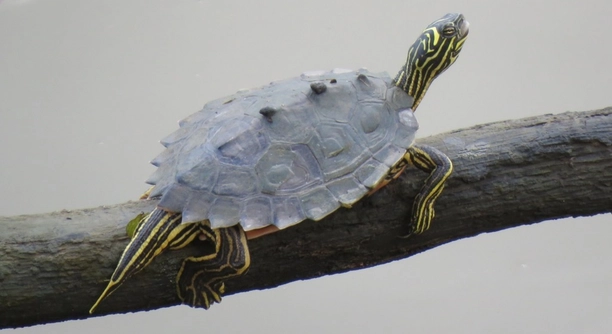
Map turtles are popular pets, but maintaining their tank can be tricky. Keeping their habitat clean is essential for their health and happiness. If you’re looking for ways to keep your map turtle tank clean longer, you’ve come to the right place.
To maintain a cleaner tank for longer periods, focus on water filtration, regular cleaning routines, and tank organization. These methods reduce the buildup of waste and keep the water fresh, ultimately improving the environment for your turtles.
Taking small steps today can have a big impact on your turtle’s living space. Implementing the right practices will make the process easier and less frequent. Let’s look at the ways you can maintain a cleaner environment for your map turtle.
1. Use a Quality Filter System
A good filter is one of the most important tools for keeping your map turtle’s tank clean. It helps remove waste, debris, and harmful substances from the water. A high-quality filter ensures that the water remains clear, reducing the need for frequent water changes. When selecting a filter, be sure to choose one that suits the size of your tank and the number of turtles you have. The filter should have a strong enough flow to circulate the water effectively without stressing out your turtles.
A filter can help maintain the water quality by removing unwanted particles. It also helps oxygenate the water, benefiting your turtles. Regularly cleaning the filter will improve its efficiency.
Filters should be cleaned once every two weeks. Replace the filter media periodically to ensure optimal performance. Investing in a good filter system will save you time and effort in the long run. By using one, you can maintain cleaner water and a healthier tank environment for your map turtles.
2. Establish a Regular Cleaning Routine
Routine maintenance is key to keeping your turtle tank in good shape. You should set a schedule for cleaning the tank to prevent waste buildup and keep the water fresh. Regular cleaning involves wiping down surfaces, removing debris, and vacuuming the substrate.
Cleaning should be done weekly to maintain a clean environment for your turtles. You can use a gentle aquarium cleaner to scrub the tank’s walls and decorations.
By establishing a routine, you avoid allowing dirt and waste to accumulate. This will make it easier to maintain the tank and create a healthier environment for your turtles. Keeping things in order will reduce the overall work needed to clean the tank.
3. Remove Uneaten Food Quickly
Uneaten food can quickly rot in the tank, leading to poor water quality. Remove leftover food within a few hours after feeding your map turtles. This prevents it from breaking down and affecting the water. It also keeps the tank cleaner and reduces the risk of bacterial growth.
Use a net or a small siphon to scoop out uneaten food. Be mindful of the food you offer, as overfeeding can leave excess waste behind. Offering smaller portions helps prevent food buildup. Regular removal of food waste also helps maintain clear water, preventing odors and keeping your turtles healthy.
In addition to preventing water contamination, removing uneaten food will also reduce the chances of algae growth. Algae thrive in environments where excess nutrients are present, such as decaying food. Keeping the tank free from these leftover scraps keeps the water cleaner and reduces the need for extra cleaning.
4. Use a Proper Substrate
Choosing the right substrate for your tank is important for both cleanliness and your turtles’ health. Some substrates are easier to clean than others, so opt for smooth gravel or sand. These materials make it easier to vacuum debris, and they don’t trap waste as much as rough surfaces like larger rocks or uncleanable stones.
Smooth gravel and sand are ideal because they allow the water to flow freely through the substrate without holding onto waste. Regular cleaning of the substrate helps maintain a fresh environment for your turtles. It’s also best to avoid using fine gravel or dirt, as they can complicate cleaning.
Make sure to replace the substrate periodically, depending on how much waste it holds. Cleaning the substrate will reduce the chance of ammonia buildup, which can harm your turtles. Keep in mind that when changing the substrate, you should do so slowly to avoid disturbing the tank’s balance. A clean substrate is crucial for maintaining a healthy tank.
5. Keep Water Temperature Stable
Maintaining a stable water temperature is important for your map turtle’s health and the cleanliness of the tank. When the temperature fluctuates too much, it can cause stress, which in turn affects the water quality. A stable temperature ensures a healthier environment for both the turtles and the tank.
Using a reliable aquarium heater can help maintain the water temperature at a constant level. This reduces the growth of harmful bacteria that thrive in unstable environments. It also prevents temperature shock, which could cause your turtles unnecessary stress.
Regularly monitor the water temperature with a thermometer. If the temperature is consistent, the water will stay cleaner for longer, reducing the need for frequent changes. Keep an eye on the heater, ensuring it’s working properly to maintain a stable environment.
6. Avoid Overcrowding
Overcrowding your map turtle tank can make it much harder to keep the water clean. Too many turtles in one tank increases waste production, which leads to higher maintenance demands. A crowded tank also contributes to stress, which can negatively impact your turtles’ health.
To avoid overcrowding, ensure your tank is large enough for the number of turtles you have. A general rule is to provide at least 10 gallons of water per turtle. If you notice your turtles are becoming more aggressive or stressed, it might be a sign to reduce the number of animals in the tank.
Keeping your tank spacious will reduce the buildup of waste and improve the overall cleanliness. A larger tank provides more water to dilute waste, making it easier to maintain. Also, turtles will feel less stressed and more comfortable in a properly sized tank.
7. Use Tank Decorations Wisely
Tank decorations can enhance your turtle’s environment, but they also play a role in maintaining cleanliness. When choosing decorations, opt for easy-to-clean items like smooth rocks or plastic plants that won’t trap debris. Avoid large, intricate items that could collect waste in hard-to-reach spots.
Decorations should be cleaned regularly to prevent algae and waste buildup. While they add aesthetic value to the tank, their primary purpose is to provide hiding spots and basking areas for your turtles. This can help reduce stress and improve overall health.
Every few weeks, remove decorations and scrub them with aquarium-safe cleaning solutions. Regular cleaning ensures that they don’t contribute to water contamination. Keeping decorations clean will help maintain a pleasant environment for your turtles.
FAQ
How often should I change the water in my map turtle tank?
You should change the water in your map turtle tank every 1-2 weeks, depending on the size of the tank and the number of turtles. If you have a smaller tank or multiple turtles, you might need to change the water more often. Always monitor water quality by testing for ammonia, nitrate, and nitrite levels to determine if water changes are necessary. In between full water changes, consider performing partial water changes to help maintain cleanliness without disturbing the tank too much. Keeping the water fresh is essential to prevent harmful bacteria and maintain the health of your turtles.
Can I use tap water in my map turtle tank?
Tap water can be used, but it should always be treated first to remove chlorine, chloramine, and other harmful chemicals. These chemicals can stress your turtles and affect the water quality. You can treat tap water with a water conditioner specifically designed for aquariums. Additionally, it’s important to ensure that the water temperature and pH levels are suitable for your map turtles. It’s a good practice to let the treated tap water sit for a day before adding it to the tank to ensure all chemicals are neutralized.
Do map turtles need a basking area?
Yes, map turtles require a basking area. Turtles need access to both water and dry surfaces to bask in order to regulate their body temperature and dry off their shells. The basking area should be positioned under a UVB light to help them synthesize vitamin D3, which is crucial for shell and bone health. Make sure the basking area is large enough for the turtles to stretch out and dry off completely. A proper basking area helps keep the water cleaner by reducing the time the turtles spend in the water, thus preventing contamination from waste.
How can I prevent algae growth in the tank?
Algae growth is a common problem in turtle tanks. To prevent it, limit the amount of direct sunlight the tank receives, as this encourages algae to grow. Regularly clean the tank and remove any visible algae from surfaces. Additionally, keep the water properly filtered to reduce nutrients that algae feed on. Using live plants in the tank can help absorb excess nutrients, but they should be chosen carefully to avoid contributing to algae problems. Avoid overfeeding your turtles, as excess food can lead to an algae bloom. Also, you can use algae-control products specifically designed for aquarium use, but they should be safe for your turtles.
Can I use a gravel substrate in a map turtle tank?
While gravel is an option, it’s not the best choice for map turtle tanks. Small gravel can get stuck in your turtles’ mouths, causing choking hazards or digestive issues. A smoother substrate like sand or large, smooth stones is safer for turtles and easier to clean. Gravel can also trap food and waste, making it harder to maintain a clean tank. If you do choose to use gravel, make sure it’s large enough that the turtles can’t swallow it. You’ll need to clean it more frequently to avoid buildup of waste and debris.
Do I need to add supplements to my map turtles’ diet?
Map turtles need a balanced diet that includes protein, vegetables, and occasionally fruits. To ensure they are getting all the essential nutrients, you might need to add supplements like calcium and vitamin D3. These are crucial for bone and shell health, especially if your turtles are not getting enough natural sunlight or UVB light. You can add calcium powder to their food or offer calcium-rich foods like cuttlebone. If you notice any signs of shell deformities or abnormal growth, consider consulting with a vet about adjusting their diet or supplement regimen.
What is the best filter for a map turtle tank?
The best filter for a map turtle tank is one that offers both mechanical and biological filtration. A canister filter or a high-flow power filter is ideal because it can handle the heavy waste load produced by turtles. Choose a filter with a flow rate that’s 3-5 times the volume of the tank per hour. This ensures that the water circulates enough to stay clean but doesn’t stress out your turtles. Make sure to clean the filter regularly and replace the filter media as needed. Keep in mind that the filter should be able to handle the amount of waste your turtles produce and fit the size of your tank.
How do I clean a map turtle tank properly?
Cleaning a map turtle tank properly involves several steps. Start by removing your turtles and placing them in a temporary holding container. Next, remove any uneaten food and debris from the tank. Use an aquarium-safe cleaner to scrub the walls of the tank, decorations, and equipment like the filter. Be sure to clean the substrate or change it out if necessary. After that, replace the water, making sure to treat it if using tap water. Once everything is cleaned, place the turtles back in their tank. It’s important to clean the filter regularly and perform partial water changes between full cleanings.
What size tank do map turtles need?
The minimum recommended tank size for a single map turtle is 75 gallons. This size gives them plenty of room to swim and bask comfortably. If you plan to have multiple turtles, you’ll need a larger tank—about 10 gallons per turtle. Having enough space helps reduce stress, which in turn keeps the water cleaner and reduces waste buildup. A larger tank also allows for better water filtration and easier management of water quality. Keep in mind that map turtles need both swimming space and a dry basking area, so make sure the tank includes both.
Final Thoughts
Keeping a map turtle tank clean doesn’t have to be a complicated task. With the right equipment and routine, you can maintain a healthy environment for your turtles while minimizing the time spent cleaning. The most important factors include using a good filter system, maintaining a regular cleaning schedule, and removing uneaten food promptly. By focusing on these aspects, you can reduce waste buildup and keep the water clean for longer periods. Additionally, regular water changes and monitoring water quality will help keep harmful bacteria and toxins at bay.
A clean tank not only makes life easier for you but also ensures that your turtles remain healthy and stress-free. Map turtles thrive in clean water with stable temperatures and properly maintained substrates. Providing a proper basking area and avoiding overcrowding are key steps in creating a balanced environment. Using safe decorations and substrates can also make the cleaning process simpler and more effective. Keep in mind that your turtles rely on you to provide a suitable habitat, and that includes maintaining their tank.
By applying these basic principles, you will have a better understanding of how to care for your map turtle’s environment. Whether you are a first-time turtle owner or have had turtles for years, making small adjustments to your cleaning routine can have a significant impact. The effort you put into maintaining a clean tank will pay off by creating a healthier and happier space for your turtles. With consistent care, your map turtle tank will remain a clean, safe, and enjoyable place for both you and your pets.

Hello,
If you enjoy the content that we create, please consider saying a "Thank You!" by leaving a tip.
Every little bit helps us continue crafting quality advice that supports the health, happiness, and well-being of pets around the world, for pets of all shapes, sizes, and species.
We really appreciate the kindness and support that you show us!