
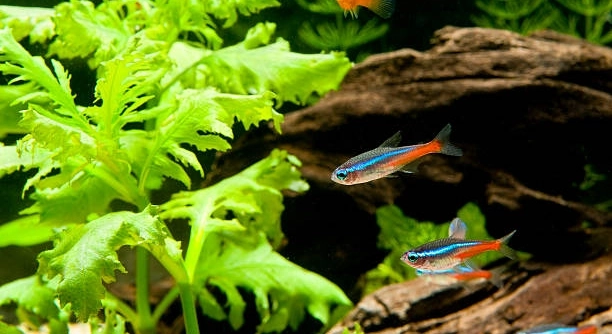
Tetras are popular aquarium fish known for their vibrant colors and active swimming. Encouraging their natural behavior helps create a healthier and more engaging environment for these small freshwater fish. This article outlines practical steps to support their well-being.
Promoting natural behavior in tetras involves replicating their natural habitat, providing appropriate tank conditions, and offering a balanced diet. Attention to water quality, tank mates, and environmental enrichment are essential to foster healthy social and exploratory behaviors in tetras.
Following these steps will improve your tetra’s quality of life and allow you to observe their natural actions more clearly in your aquarium. Understanding these basics is key to successful fishkeeping.
Creating a Natural Habitat for Your Tetras
Setting up a tank that closely resembles the natural environment of tetras is vital. Use plants, rocks, and driftwood to mimic their native rivers and streams. Soft lighting and gentle water flow help reduce stress and encourage natural exploration. Substrate choice also matters; fine gravel or sand feels more comfortable to them. Water temperature should stay between 72 and 78 degrees Fahrenheit, and pH levels should be kept slightly acidic to neutral. Consistency in these conditions supports their health and promotes active, natural behavior. Avoid overcrowding the tank, as tetras prefer space to swim freely. Adding floating plants can create shaded areas that offer security. These elements together create a safe and inviting habitat where your tetras feel at ease to express natural behaviors like schooling and foraging.
Maintaining these conditions prevents stress-related behaviors and supports your tetras’ well-being over time.
Natural habitat replication increases your tetras’ activity and helps maintain their vibrant colors, making them more enjoyable to observe and care for.
Feeding to Encourage Natural Behavior
A diet that reflects what tetras eat in the wild is crucial. In their natural environment, tetras consume a variety of small insects, larvae, and plant matter. Providing high-quality flake food supplemented with live or frozen foods like brine shrimp or daphnia mimics this diet well. Feeding small amounts multiple times a day encourages natural foraging behaviors and keeps them active. Avoid overfeeding, which can harm water quality and cause health issues. Observing how your tetras respond to different foods helps you adjust their diet for optimal nutrition. Including occasional vegetable matter, such as blanched spinach or zucchini, can also support their health. Varied feeding not only improves their physical condition but also stimulates mental activity and natural instincts.
A varied and balanced diet encourages natural foraging and keeps your tetras engaged throughout the day.
Maintaining Water Quality
Water quality directly affects tetra behavior and health. Regular water changes and proper filtration keep toxins low and oxygen levels high. Test water parameters often to ensure stability and prevent sudden changes that stress fish.
Consistent water temperature and pH are essential. Sudden fluctuations can cause erratic behavior or illness. Use a reliable heater and monitor the tank environment regularly. Filtration should be gentle to avoid strong currents but effective enough to keep the water clean. Removing uneaten food and waste helps maintain clarity and reduces harmful ammonia or nitrate buildup.
Keeping the water clean replicates natural conditions, allowing tetras to swim, feed, and interact as they would in the wild. Clean water supports their immune system and reduces the risk of disease. Observing your tetras in clear, healthy water also makes it easier to spot any early signs of trouble.
Encouraging Social Behavior
Tetras are schooling fish that thrive in groups of six or more. Keeping them in proper numbers encourages natural schooling, which provides comfort and security.
Social interaction helps reduce stress and increases activity. When in groups, tetras display synchronized swimming and other natural behaviors. Without a group, they may hide or become lethargic. Providing enough space for schooling and avoiding aggressive tank mates supports peaceful social dynamics. Group size affects confidence and reduces aggression between individuals. Observing a well-established school is rewarding, as it shows your fish feeling secure and active.
Maintaining a suitable group size and tank environment fosters a balanced social structure. This enhances your tetras’ quality of life and creates a dynamic, lively aquarium atmosphere.
Providing Environmental Enrichment
Environmental enrichment keeps tetras mentally stimulated. Adding plants, hiding spots, and varied decorations encourages exploration. Changing elements occasionally prevents boredom and mimics natural changes in their habitat.
Natural materials like driftwood and smooth rocks offer safe places to hide and rest. This setup reduces stress and promotes natural behavior such as darting through plants and investigating new spaces.
Monitoring Tank Mates
Choosing compatible tank mates is important. Avoid aggressive or territorial fish that may stress tetras. Peaceful community fish support a calm environment where tetras can thrive.
Aggressive tank mates cause fear and hiding, which limits natural behaviors. Peaceful companions encourage social interaction and reduce competition for food and space, leading to a healthier aquarium dynamic.
Observing Behavior Regularly
Watching your tetras daily helps identify changes early. Noticing shifts in swimming, eating, or social habits can indicate stress or illness.
Regular observation allows timely intervention to correct water issues or health problems. Keeping a close eye ensures your fish remain active and comfortable in their environment.
Avoiding Overcrowding
Overcrowding stresses tetras and reduces water quality. Keep tank populations balanced to allow space for swimming and socializing.
FAQ
How often should I change the water in my tetra tank?
Changing about 25% of the water every one to two weeks helps keep the tank clean and the water parameters stable. Frequent partial changes remove waste and toxins while preserving beneficial bacteria. Avoid changing too much water at once to prevent shocking the fish.
What is the best diet for encouraging natural behavior in tetras?
A varied diet works best. High-quality flake food combined with live or frozen options like brine shrimp, daphnia, or bloodworms encourages natural foraging. Including occasional vegetable matter like blanched spinach supports their health. Feeding small amounts multiple times daily stimulates natural hunting and feeding behavior.
Can I keep tetras with other fish species?
Tetras do well with peaceful community fish. Avoid aggressive or territorial species, as they cause stress and suppress natural behaviors. Ideal tank mates include small rasboras, corydoras, and peaceful gouramis. Always consider tank size and individual fish temperament when mixing species.
Why do my tetras hide a lot?
Excessive hiding usually signals stress. Possible causes include poor water quality, aggressive tank mates, insufficient hiding spots, or sudden environmental changes. Ensure proper water parameters, calm tank mates, and provide plants or decorations for shelter to help tetras feel secure.
How many tetras should I keep together?
Tetras are schooling fish and feel safest in groups of at least six. Smaller groups may lead to stress and shy behavior. A larger group promotes natural schooling, social interaction, and overall well-being.
What water conditions are best for tetras?
Tetras prefer slightly acidic to neutral pH (6.0–7.5), temperatures between 72–78°F (22–26°C), and soft to moderately hard water. Stable conditions with minimal fluctuations support healthy behavior and reduce stress.
How can I tell if my tetras are healthy?
Healthy tetras are active, swim smoothly, display vibrant colors, and eat regularly. Watch for clear eyes, intact fins, and normal breathing. Changes in behavior, color fading, or clamped fins may indicate illness or stress and require attention.
What should I do if my tetras show signs of illness?
Immediately check water quality and remove any sick fish if possible. Treat the tank or affected fish with appropriate medication after correctly identifying the illness. Quarantine new fish before adding them to prevent spreading diseases.
Do tetras need special lighting?
Moderate, natural lighting works well. Too bright lighting can stress tetras, while too dim lighting may reduce their activity. Providing shaded areas with floating plants helps create a comfortable balance and mimics their natural environment.
Can I use artificial plants instead of live ones?
Artificial plants can offer hiding spots, but live plants provide benefits like improving water quality and oxygen levels. Live plants encourage more natural behaviors like grazing and exploring, which contribute to the tetras’ well-being.
Final Thoughts
Encouraging natural behavior in tetras requires attention to their environment, diet, and social needs. Replicating their natural habitat as closely as possible provides comfort and reduces stress. This includes maintaining proper water conditions, adding plants and hiding spots, and choosing compatible tank mates. Each of these elements plays a role in supporting the fish’s health and allowing them to act as they would in the wild. Creating a balanced and stable tank environment is the foundation of healthy, active tetras.
Feeding plays a significant role in promoting natural behavior. Offering a varied diet that includes live or frozen foods alongside quality flakes encourages natural foraging and keeps tetras engaged. Feeding smaller amounts multiple times a day helps mimic their natural feeding patterns and prevents overeating. Overfeeding can cause water quality problems and health issues, so it is important to find the right balance. Watching how your tetras respond to different foods can guide you in providing the best diet for them.
Finally, observing your tetras regularly helps you notice any changes in behavior or health early on. Tetras that school together and explore their environment show signs of well-being. Stress, hiding, or lack of activity may point to issues that need attention, such as water quality problems or incompatible tank mates. Keeping the tank clean, maintaining water parameters, and providing enrichment all contribute to a happy and healthy aquarium. Taking these steps ensures your tetras live active, natural lives, which is rewarding for both the fish and the keeper.

Hello,
If you enjoy the content that we create, please consider saying a "Thank You!" by leaving a tip.
Every little bit helps us continue crafting quality advice that supports the health, happiness, and well-being of pets around the world, for pets of all shapes, sizes, and species.
We really appreciate the kindness and support that you show us!