
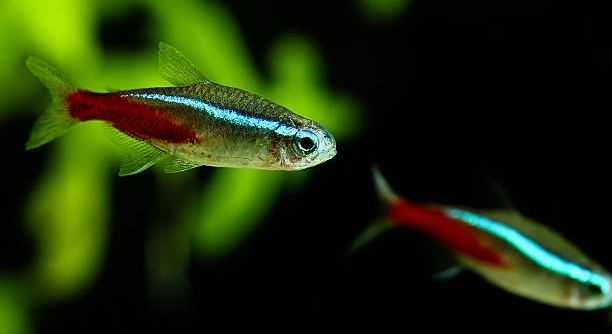
Keeping Tetra Fast fish healthy requires paying close attention to their water environment. Even small, hidden problems in water quality can cause harm to these delicate fish. Understanding these issues is important for their well-being.
Several sneaky water issues can damage Tetra Fast, including incorrect pH levels, high ammonia, nitrite toxicity, low oxygen, chlorine presence, temperature fluctuations, and poor filtration. Each of these factors negatively impacts fish health if not properly managed.
Recognizing these common water problems can help you create a safer habitat for your Tetra Fast. This article will guide you through the key water issues to watch for and how to avoid them.
Incorrect pH Levels
Maintaining the right pH balance in your Tetra Fast’s tank is essential. These fish thrive best in slightly acidic to neutral water, usually between 6.0 and 7.0 pH. If the water becomes too acidic or too alkaline, it stresses the fish, weakening their immune systems. Sudden changes in pH are especially harmful, as Tetra Fast need stable conditions. Factors like tap water, decorations, and tank materials can affect pH over time. Regular testing helps catch shifts early. Using pH buffers or natural additives like driftwood can help keep pH stable. Avoid sudden water changes that might shock the fish. Consistent monitoring and careful adjustments protect your fish from unnecessary health risks related to improper pH.
Keeping the pH steady prevents stress and illness in Tetra Fast. A stable pH creates a comfortable environment for them to grow and thrive.
Checking pH regularly with test kits and adjusting slowly when needed helps maintain water balance. This simple step keeps your fish safe from pH-related issues.
High Ammonia Levels
Ammonia builds up in tanks mainly from fish waste, uneaten food, and decaying plants. It is highly toxic and can cause severe damage to Tetra Fast even at low concentrations. Ammonia affects their gills and makes breathing difficult. Fish exposed to ammonia may become lethargic, lose appetite, or develop red or inflamed gills. The problem worsens quickly without proper filtration and regular water changes. Ammonia spikes often occur in new tanks or overcrowded tanks. Testing the water frequently is crucial to detect ammonia early. If levels rise, immediate partial water changes and adding ammonia neutralizers can reduce harm. Ensuring the tank’s biological filter is well established helps break down ammonia naturally. Feeding less and removing leftover food can prevent ammonia buildup. Keeping ammonia near zero is vital for healthy Tetra Fast and a balanced tank ecosystem.
Nitrite Toxicity
Nitrite is a harmful chemical that forms when ammonia breaks down in the tank. Even small amounts of nitrite can affect your Tetra Fast’s health. It interferes with oxygen transport in the blood, causing stress and breathing difficulties.
Nitrite enters the fish’s bloodstream through their gills and prevents oxygen from reaching vital organs. This condition, called “brown blood disease,” can be fatal if untreated. Symptoms include gasping at the surface and lethargy. Nitrite levels usually rise in new or poorly maintained tanks. A strong biological filter is essential for converting nitrites into less harmful nitrates. Frequent water changes help keep nitrite levels low. Testing for nitrites should be part of your regular tank maintenance. If nitrites spike, immediate action is needed to protect your fish.
Adding aquarium salt can help reduce nitrite toxicity temporarily by protecting fish gills. Long-term control depends on good filtration and regular water monitoring. Proper care prevents nitrite buildup and keeps Tetra Fast healthy.
Low Oxygen Levels
Low oxygen in the tank can quickly harm Tetra Fast. Oxygen is essential for their survival, and poor aeration makes it hard for them to breathe properly. This often happens in crowded or warm tanks.
Oxygen levels drop when water circulation is weak or when temperature rises. Warm water holds less oxygen, so a heater set too high can create dangerous conditions. Overfeeding increases waste and bacteria, which use oxygen to break down debris, further lowering oxygen availability. Plants and algae can help oxygenate water during the day but consume oxygen at night. Using air stones, filters, or adding live plants improves oxygen circulation. Regular water changes also refresh oxygen levels. Watching fish behavior, such as gasping at the surface, can signal oxygen problems. Addressing these issues promptly ensures a healthy environment where Tetra Fast can thrive.
Chlorine Presence
Chlorine is often added to tap water to kill bacteria, but it is harmful to Tetra Fast. Even small amounts can irritate their gills and skin.
Removing chlorine before adding water to the tank is essential. Using water conditioners neutralizes chlorine and makes the water safe for fish.
Temperature Fluctuations
Sudden or frequent temperature changes stress Tetra Fast and weaken their immune systems. These fluctuations can happen from improper heater settings or room temperature changes. Stress increases susceptibility to illness and reduces lifespan. Keeping the tank temperature stable, ideally between 72°F and 78°F, is crucial. Using a reliable heater and monitoring with a thermometer prevents dangerous swings. Avoid placing the tank near drafts, windows, or heating vents. Consistency in temperature creates a comfortable and safe environment that supports the health and activity of Tetra Fast.
Poor Filtration
Poor filtration leads to buildup of harmful substances and cloudy water. This damages fish health and water quality if not addressed promptly.
FAQ
What causes sudden death in Tetra Fast fish?
Sudden death in Tetra Fast is often linked to poor water quality. Rapid changes in pH, spikes in ammonia or nitrite, and low oxygen levels can shock the fish. Stress from temperature swings or overcrowding also weakens their immune systems. Regular water testing and stable tank conditions help prevent these issues.
How often should I test my tank water?
Testing your tank water at least once a week is recommended. More frequent checks may be needed if your tank is new or if you notice fish behaving oddly. Testing for ammonia, nitrite, nitrate, pH, and temperature gives a full picture of water health. Early detection of problems lets you act quickly.
Can I use tap water directly for my Tetra Fast?
Tap water usually contains chlorine or chloramine, which are harmful to fish. Always treat tap water with a water conditioner to neutralize these chemicals before adding it to the tank. Letting tap water sit out for 24 hours can help chlorine evaporate, but it does not remove chloramine.
Why does my Tetra Fast gasps at the surface?
Gasping at the surface usually means the fish isn’t getting enough oxygen. Low oxygen levels often result from poor aeration, overcrowding, or warm water. Check the filter and air stones to ensure proper water movement and oxygen exchange.
How do I fix high ammonia levels quickly?
If ammonia spikes, do a partial water change immediately to reduce its concentration. Stop feeding fish for a day or two to lower waste production. Adding beneficial bacteria supplements helps break down ammonia faster. Maintaining a healthy biological filter is key for long-term control.
Is it normal for Tetra Fast to be inactive sometimes?
Tetra Fast can be less active during changes in water temperature or quality. However, prolonged lethargy may signal stress or illness. Check your water parameters and look for other symptoms like loss of appetite or unusual swimming patterns.
Can overfeeding cause water problems?
Yes, overfeeding leads to excess food decomposing in the tank, raising ammonia and nitrite levels. Feed only what your fish can eat in a few minutes and remove leftover food. This helps keep water clean and fish healthy.
How do I maintain a stable temperature in the tank?
Use a reliable heater with a thermostat to keep water temperature steady between 72°F and 78°F. Place the tank away from windows, drafts, or heat sources. Check the temperature daily with a thermometer and adjust the heater as needed.
What kind of filter is best for Tetra Fast tanks?
A biological filter that supports beneficial bacteria growth is essential. It helps convert toxic ammonia and nitrites into less harmful nitrates. Combining mechanical filtration to remove debris and chemical filtration for impurities creates the best environment.
How often should I change the water?
Changing 20-30% of the water weekly helps maintain good water quality. More frequent changes may be needed if ammonia or nitrite levels rise. Always treat new water before adding it to the tank.
Can plants help improve water quality?
Yes, live plants absorb nitrates and provide oxygen during the day, improving water quality. However, they consume oxygen at night, so proper aeration is still necessary. Plants also reduce stress by offering hiding spots.
What signs indicate poor water quality?
Cloudy water, unpleasant odors, algae blooms, and fish showing signs of distress like gasping, hiding, or loss of color all suggest water quality issues. Testing water parameters confirms the problem and guides treatment steps.
Maintaining a healthy environment for your Tetra Fast fish means paying close attention to water quality. The water in their tank must be clean and stable to keep them safe and comfortable. Small problems, like changes in pH or spikes in ammonia, can cause serious harm over time. Regular testing of water parameters like pH, ammonia, nitrite, and temperature is an easy way to catch issues early. This helps you take action before your fish get sick or stressed. Keeping the water balanced means your Tetra Fast will live longer and stay active.
Water filtration and aeration play important roles in creating a good home for your fish. A good filter removes harmful waste and supports beneficial bacteria that break down toxins. This process is essential to keep ammonia and nitrite levels low. Proper oxygen levels are also important, especially if your tank is crowded or warm. Using air stones or water pumps can improve oxygen flow. Without enough oxygen, fish may become weak or stop eating. Simple steps like regular water changes, removing leftover food, and avoiding overfeeding also help keep water clean and healthy for your fish.
Temperature control is another key factor. Tetra Fast do best in water that stays within a steady, moderate range. Sudden changes or extreme temperatures can stress them and lead to illness. Using a reliable heater and monitoring temperature with a thermometer helps prevent problems. Avoid placing the tank near windows or vents where temperatures can shift quickly. A stable environment makes your fish feel safe and helps their immune system work well. Paying attention to these details makes all the difference in caring for your Tetra Fast and ensuring they thrive in your aquarium.

Hello,
If you enjoy the content that we create, please consider saying a "Thank You!" by leaving a tip.
Every little bit helps us continue crafting quality advice that supports the health, happiness, and well-being of pets around the world, for pets of all shapes, sizes, and species.
We really appreciate the kindness and support that you show us!