
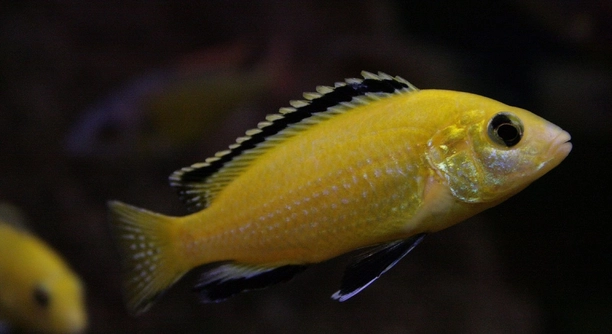
Overactive male cichlids can create a stressful environment during breeding season. Their constant chasing and territorial behavior can affect other fish and make tank management more challenging for aquarium enthusiasts. Proper handling is essential for a balanced habitat.
Managing overactive male cichlids requires careful observation, controlled tank conditions, and strategic separation if necessary. Providing hiding spaces, monitoring aggression levels, and maintaining optimal water parameters can significantly reduce stress and prevent harm to both mates and other tank inhabitants.
Understanding male cichlid behavior can improve your breeding outcomes and keep your aquarium peaceful. Simple adjustments can make a significant difference in maintaining harmony during breeding season.
Recognizing Aggressive Behavior in Male Cichlids
Male cichlids can become highly aggressive during breeding season. Their territorial instincts drive them to chase and nip at other fish constantly. You may notice flared fins, rapid swimming, and persistent guarding of certain areas in the tank. Sometimes, this behavior escalates to actual injuries, especially for smaller or weaker fish. Recognizing these signs early is crucial for maintaining a safe environment. Observing their patterns over several days helps identify the most problematic males and the moments when aggression peaks. Environmental factors, such as tank size, hiding spots, and water conditions, also influence aggression. Properly arranging the tank with plenty of shelters and visual barriers can reduce direct confrontations. Adjusting the number of males in a tank or pairing them with compatible mates can help maintain balance. Consistent monitoring allows for timely interventions, preventing stress-related illness and ensuring overall tank health.
Aggressive males often target females and smaller fish first. Early observation allows adjustments that protect the entire tank community.
Preventing conflict is not just about separating aggressive fish. It includes creating a structured environment where territories are clearly defined. Rocks, caves, and plants act as buffers, giving each fish a safe space. Limiting overcrowding reduces competition and lowers stress levels. Adjusting feeding schedules and ensuring all fish are nourished also diminishes aggression. Sometimes, temporary separation during peak breeding periods is necessary. Watching interactions and noting changes in behavior helps anticipate problems before they escalate. Maintaining consistent water quality reduces irritability caused by stress. Even small tweaks, like moving hiding spots or adding barriers, can significantly calm overactive males. Ultimately, proactive management improves breeding success, protects weaker fish, and creates a more harmonious tank environment. Consistency and patience are key to long-term results when handling male cichlids during breeding season.
Strategies to Reduce Male Aggression
Providing adequate hiding spaces and environmental enrichment can reduce stress and limit attacks. Multiple territories and visual barriers help males coexist peacefully.
Separation is sometimes required for the most aggressive males. Temporary dividers or moving them to a separate tank allows females and other fish to recover. Regular monitoring ensures aggression does not flare unexpectedly. Adjusting tank layout and decorations can shift territorial boundaries, giving fish less reason to fight. Additionally, keeping consistent feeding routines prevents competition over food, which often triggers chasing behavior. Observing water conditions is equally important, as poor water quality can increase irritability. Some aquarists find that pairing males with similarly sized tank mates reduces bullying. Over time, these measures create a calmer environment while still allowing breeding to occur. With careful planning, aggression can be managed without compromising the overall health and safety of the aquarium.
Feeding and Nutrition Adjustments
Proper feeding reduces aggression among male cichlids. Overfeeding can increase energy levels and fighting, while underfeeding can make them more irritable. Balanced meals help maintain calm and improve overall health.
Feeding smaller, more frequent portions can prevent competition. High-quality pellets or frozen foods provide necessary nutrients without causing excessive excitement. Including vegetables and protein-rich foods helps balance diet and reduces aggressive tendencies. Observing how males react during feeding times can guide adjustments to quantities and frequency. Avoid leaving uneaten food for long periods, as it can decay and worsen water quality, which may further increase irritability. Maintaining a consistent feeding routine ensures males stay healthy and calmer throughout breeding season.
Adding live foods occasionally can simulate natural hunting and keep males mentally stimulated. This approach reduces boredom-related aggression while supporting breeding behaviors. Monitoring individual responses to dietary changes allows you to fine-tune feeding strategies.
Tank Layout and Environmental Management
Proper tank design helps manage overactive males. Rocks, plants, and caves create visual barriers and reduce direct confrontations, allowing males to establish separate territories.
Spacing territories and providing hiding spots lowers stress and aggression levels. Rearranging decorations periodically can disrupt overly dominant males and give others room to move freely. Avoid overcrowding, as too many males in a limited space triggers fights. Maintaining consistent water conditions, such as temperature, pH, and cleanliness, is critical to reducing irritability. Observing fish interactions daily helps anticipate problems before they escalate. Temporary dividers or separate breeding tanks may be necessary for extreme aggression. With careful planning, these adjustments ensure a safer and calmer environment during breeding season.
Monitoring and Intervention
Regular observation is essential to catch aggressive behavior early. Watch for persistent chasing, fin damage, or stress signs in other fish. Quick action prevents serious injuries and helps maintain a balanced tank environment.
Intervening with temporary separation or rearranging tank features can calm overactive males. Timely adjustments reduce stress for all fish.
Breeding Pair Management
Separating males from females during peak aggression periods prevents harassment and injury. Using dividers or separate breeding tanks allows controlled interaction. Pairing compatible males with females and limiting the number of males per tank reduces competition. Monitoring behavior ensures breeding occurs without excessive stress or harm.
Maintaining Water Quality
Clean water is critical to reduce irritability and stress. Regular testing and water changes keep parameters stable, supporting calmer behavior in overactive male cichlids.
FAQ
How can I tell if a male cichlid is too aggressive?
Aggressive males often chase other fish constantly, flare their fins, and guard territories excessively. Look for signs of stress in tank mates, like hiding or torn fins. Early identification allows for adjustments in tank layout or temporary separation, preventing injuries and maintaining a stable environment.
What is the best way to separate aggressive males?
Temporary dividers or moving the male to a separate tank works best. Ensure the new space has hiding spots and proper water conditions. Separation reduces stress on other fish and allows the aggressive male to calm down before reintroducing him to the main tank.
How many males should I keep in one tank during breeding season?
Limiting the number of males reduces fighting. One male per breeding group or carefully monitored pairs is safest. Overcrowding increases competition, stress, and injury. Providing multiple hiding spaces and visual barriers also helps males coexist without constant conflict.
Do certain foods increase aggression in male cichlids?
High-energy foods or overfeeding can make males more active and prone to chasing. Balanced portions, including pellets, frozen foods, and vegetables, help maintain calm. Feeding smaller, more frequent meals prevents competition and keeps males occupied without triggering excess aggression.
Can tank decorations affect male aggression?
Yes, rocks, plants, and caves provide visual barriers and create separate territories. Rearranging decorations occasionally prevents a male from becoming too dominant. Proper spacing reduces fights and allows other fish to move freely, maintaining a calmer environment.
How often should I check water conditions during breeding season?
Daily observation and weekly testing are recommended. Stable temperature, pH, and cleanliness reduce irritability. Poor water quality increases stress, which can worsen aggression. Regular water changes and monitoring help maintain a peaceful tank and support healthy breeding.
Is it normal for males to chase females constantly?
Some chasing is natural during breeding season, but persistent harassment can stress females and cause injuries. Temporary separation or visual barriers give females time to recover and reduce conflict while still allowing controlled breeding interactions.
Will aggression decrease naturally after breeding season?
Often, males become calmer once eggs are laid and fry are established, but behavior varies by species and individual. Maintaining hiding spots and proper tank conditions ensures stress levels remain low even after breeding activity decreases.
Can multiple males ever coexist peacefully?
Yes, with careful management. Providing sufficient space, hiding spots, and visual barriers reduces conflict. Pairing males with compatible sizes and limiting numbers per tank helps maintain balance. Observation is key to adjusting arrangements as needed to prevent injuries and stress.
What should I do if a male injures another fish?
Immediate separation of the injured fish is necessary. Treat any wounds promptly, maintain clean water, and monitor recovery. Adjust tank layout or male placement to prevent future incidents and ensure a safer environment for all tank inhabitants.
How can I reduce stress in overactive males without separation?
Environmental enrichment, such as adding hiding places, rearranging decorations, and providing stimulation through live or varied foods, can help. Consistent feeding schedules and proper water quality also lower stress, making males less prone to aggression while allowing natural behaviors.
Are there signs that indicate a male is too dominant for the tank?
Signs include constant chasing, guarding large areas, and limiting other fish’s access to resources like food or shelters. When dominance affects overall tank harmony, adjustments like separation, additional hiding spots, or rearranging territories are needed to restore balance.
Can breeding pairs be managed in the same tank safely?
Yes, with controlled arrangements. Limiting males, providing hiding spaces for females, and monitoring interactions ensures breeding occurs without excessive stress or injuries. Temporary dividers are useful during peak aggression periods. Consistent observation allows timely interventions.
Does tank size impact male aggression?
Larger tanks generally reduce aggression by providing space for multiple territories. Smaller tanks intensify competition and chasing. Ensuring enough room for each male and female helps manage behavior and supports a healthier breeding environment.
How long should I keep males separated if aggression is severe?
Separation duration depends on observed behavior. It may range from a few days to several weeks. During this time, monitor aggression levels, provide enrichment, and maintain optimal water conditions. Reintroduce males gradually to prevent renewed conflicts.
Can certain species of cichlids handle aggression better than others?
Yes, species differ in temperament. Some males are naturally more territorial and aggressive. Understanding species-specific behavior guides tank management, feeding strategies, and spacing to reduce conflicts effectively during breeding.
What role does observation play in managing aggressive males?
Consistent observation allows early identification of problem behavior, timely intervention, and adjustment of tank layout or feeding schedules. Monitoring helps prevent injuries, ensures peaceful interactions, and supports successful breeding while maintaining overall tank health.
Is aggression only a problem during breeding season?
While aggression peaks during breeding, males may remain territorial year-round. Proper tank design, sufficient hiding spaces, and controlled feeding help minimize stress and conflict outside the breeding period.
Can environmental stressors increase male aggression?
Yes, poor water quality, overcrowding, and lack of hiding spots increase irritability. Maintaining stable conditions, proper tank layout, and regular cleaning reduces stress, making males calmer and breeding interactions safer.
Are there signs a male is ready to breed without being aggressive?
Males often show courtship displays, guarding nests, or cleaning surfaces without constant chasing. Calm, deliberate behavior indicates readiness. Providing controlled conditions supports natural breeding while minimizing stress and injury risks.
How do I know if my intervention methods are working?
Reduced chasing, fewer injuries, calmer swimming patterns, and decreased stress signs in other fish indicate success. Regular observation and adjustments confirm that separation, layout changes, or feeding strategies effectively manage male aggression during breeding season.
What is the most important factor in managing overactive males?
Observation, tank environment, and timely interventions are key. Providing hiding spots, proper feeding, and stable water conditions reduces aggression and supports safer breeding interactions. Consistency and patience are essential to maintaining a balanced, healthy aquarium.
Can behavioral changes indicate health issues rather than aggression?
Yes, sudden aggression or lethargy may indicate illness or stress. Monitoring water quality, diet, and physical condition helps distinguish behavioral problems from health concerns, allowing appropriate action for both care and breeding success.
How can I maintain harmony in a tank with multiple males and females?
Limit male numbers, provide multiple territories, include hiding spaces, and maintain consistent water conditions. Observe interactions and adjust layouts or feeding as needed. Structured environments prevent constant competition, reduce stress, and support successful breeding outcomes.
What are the long-term effects of unmanaged male aggression?
Unchecked aggression leads to stress, injuries, illness, and even death of tank mates. Long-term dominance affects breeding success and overall tank stability. Consistent management ensures healthy fish and a safer, more productive breeding environment.
Final Thoughts
Managing overactive male cichlids during breeding season requires patience, observation, and careful planning. Their natural territorial instincts make them prone to chasing, nipping, and guarding areas in the tank. While this behavior is expected, it can cause stress and injuries to females and other fish if left unmanaged. Creating a structured environment with hiding spots, rocks, caves, and plants is essential. These elements provide visual barriers and help fish establish territories without constant confrontation. Rearranging decorations periodically can also prevent one male from becoming too dominant and gives others space to move freely. Consistent observation is key to noticing the early signs of aggression and taking corrective actions before problems escalate. Even small adjustments, like moving a rock or adding a plant, can make a significant difference in reducing stress and fostering a calmer environment.
Feeding and nutrition play a major role in controlling aggression. Overfeeding or providing high-energy foods can increase activity levels and lead to more chasing. Balanced meals that include pellets, frozen foods, and vegetables help keep males calm while supporting overall health and breeding readiness. Smaller, more frequent portions reduce competition for food and prevent males from becoming overly excitable during feeding times. Occasionally offering live foods or varying diets provides mental stimulation, which can also lower aggressive tendencies. Maintaining consistent feeding routines ensures all fish are nourished and reduces conflicts. Proper nutrition, combined with controlled tank conditions, contributes to a stable and healthy breeding environment. Monitoring individual fish reactions to dietary changes allows fine-tuning to meet specific needs, making the tank safer for females and weaker males.
Water quality and environmental management are equally important in maintaining harmony. Poor water conditions increase stress and irritability, which can exacerbate aggression. Regular testing, water changes, and keeping stable temperature and pH levels help ensure that male cichlids remain calmer. Overcrowding should be avoided, and temporary separation may be necessary for the most aggressive males. Using dividers or separate breeding tanks allows females and other fish to recover while still enabling controlled interactions for breeding purposes. Observing interactions consistently, adjusting territories, and managing environmental factors are all part of maintaining a peaceful aquarium. With proper care, attention to diet, tank setup, and water quality, it is possible to manage overactive males effectively. Taking these steps ensures safer interactions, successful breeding, and a healthier, more balanced environment for all fish in the tank.

Hello,
If you enjoy the content that we create, please consider saying a "Thank You!" by leaving a tip.
Every little bit helps us continue crafting quality advice that supports the health, happiness, and well-being of pets around the world, for pets of all shapes, sizes, and species.
We really appreciate the kindness and support that you show us!