
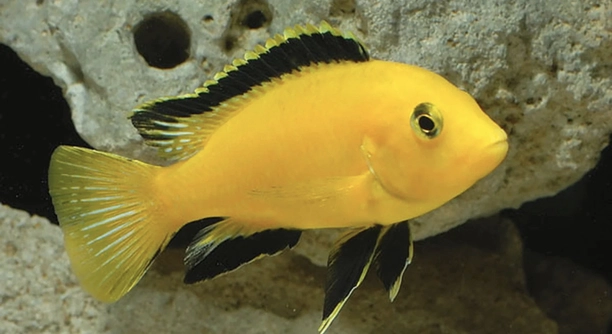
Do electric yellow cichlids are vibrant freshwater fish admired for their bright coloration and active behavior. Many aquarists spend time arranging their tanks carefully to create a comfortable and stimulating environment for these lively fish.
Research indicates that electric yellow cichlids can retain memory of their tank layout, recognizing familiar hiding spots, feeding areas, and territorial boundaries. This memory supports their navigation and social interactions, demonstrating significant cognitive abilities in controlled environments.
Understanding how cichlids remember their surroundings can help you optimize tank design, feeding routines, and overall fish well-being in your aquarium setup.
How Cichlids Learn Their Tank Layout
Electric yellow cichlids use visual cues, landmarks, and consistent patterns in their environment to learn their tank layout. They quickly become familiar with hiding spots, decorations, and feeding areas. Over time, this recognition helps reduce stress, as they know where to retreat or explore. Fish in new or frequently changed tanks often show hesitation, swimming cautiously and testing spaces before settling in. By maintaining a stable arrangement, cichlids develop routines and can navigate confidently. Their spatial memory is surprisingly strong, allowing them to remember specific locations for several weeks. Regular feeding at the same spots reinforces their memory, encouraging predictable behaviors. Observation shows that even minor changes, like moving a rock or plant, can temporarily confuse them, although they usually adapt within a few days. Consistent lighting, water clarity, and tank decor all play a role in how effectively cichlids recall their surroundings.
Memory in cichlids helps them thrive, reducing stress and supporting natural behaviors within their tank environment.
Careful observation of their reactions to new arrangements can guide tank design for optimal comfort and activity levels. Their learning process is gradual but reliable. Fish use repeated exposure to objects and consistent feeding schedules to anchor memory. Over time, electric yellow cichlids demonstrate recognizable patterns, such as revisiting favorite hiding spots or following familiar routes. This behavior highlights their ability to adapt while showing preferences. Changes in tank layout should be minimal and deliberate to avoid unnecessary stress. Environmental stability enhances confidence, making the fish more active and visible. Monitoring interactions among multiple cichlids also shows how memory influences territorial behavior, feeding order, and social dynamics. Creating a tank with clear visual markers and consistent arrangements supports both cognitive development and natural instincts.
Tips for Maintaining a Familiar Environment
Keeping a stable tank layout helps cichlids retain their spatial memory and reduces stress levels.
Introduce changes slowly and maintain consistent feeding schedules to ensure comfort. Decorations, hiding spots, and plants should remain mostly fixed. Gradual rearrangement allows cichlids to adjust without disorientation. Lighting and water conditions should be stable, as abrupt shifts can affect behavior. Regular observation helps identify which areas are most used and preferred. By designing a predictable environment, fish display more natural activity, explore confidently, and interact socially with less aggression. A consistent tank encourages feeding routines and overall well-being.
When designing a tank, focus on predictable layouts with landmarks that the fish can recognize easily. Rocks, plants, and substrate patterns act as memory anchors, allowing cichlids to navigate efficiently. Introduce new elements sparingly, giving the fish time to learn each addition. Maintaining consistent feeding locations strengthens their memory of safe zones and reinforces daily routines. This predictability reduces stress, encourages natural behaviors, and minimizes aggressive encounters. Observing their use of space helps refine the layout further. Even minor details, like hiding places or cave entrances, can influence how confident the fish feel exploring. By balancing familiarity with occasional gentle enrichment, cichlids remain active, healthy, and engaged in their tank environment. Proper management ensures that they continue to recognize and respond to their surroundings effectively, demonstrating their cognitive abilities in practical ways.
Observing Memory in Action
Electric yellow cichlids often return to the same spots for feeding or hiding. This behavior shows they remember their tank layout and routines, which supports both safety and comfort within their environment.
Watching their behavior closely reveals patterns in movement and preference. They may swim along familiar paths, pause near favorite rocks, or explore only certain corners at first. Over days or weeks, these patterns become predictable, showing a clear memory of the tank’s layout. Fish recognize objects, lighting, and even subtle landmarks, adjusting their movements accordingly. Repeated exposure to specific feeding locations reinforces their memory, making them approach these spots confidently.
Memory also affects social behavior among cichlids. Territorial fish remember boundaries and the positions of other tank mates, reducing conflicts over familiar spaces. Observation of these interactions indicates that cichlids rely on spatial awareness not just for exploration, but for maintaining social order. Understanding these behaviors helps in designing tanks that support both memory and natural instincts. Proper placement of hiding spots and feeding areas encourages healthy routines and reduces stress among the fish.
Adjusting Tank Layouts
Gradual changes in tank decorations help fish adapt without confusion. Sudden shifts may temporarily disrupt their routines and comfort.
When altering a tank, introduce new elements slowly, allowing fish to learn the new arrangement. Keeping key features in consistent locations, like caves or feeding zones, reduces stress and supports memory retention. Observing reactions to changes helps identify which areas are critical for their sense of security. Fish will explore new additions at their own pace, using familiar landmarks to orient themselves. A balanced approach ensures continued comfort and normal behavior.
Adjustments should consider both functionality and memory cues. Rocks, plants, and substrate patterns act as landmarks for navigation and comfort. Changing one element at a time allows cichlids to integrate the new feature into their existing mental map. Feeding schedules should remain consistent, as predictable routines reinforce memory and reduce anxiety. Watching the fish interact with both old and new elements reveals how quickly they adapt and retain knowledge. Maintaining a mostly familiar environment with occasional additions encourages exploration, cognitive engagement, and confidence. Thoughtful design keeps activity levels high, stress low, and social interactions healthy.
Signs Your Cichlids Remember
Electric yellow cichlids often revisit the same hiding spots or swimming paths. These repeated behaviors indicate recognition and familiarity with their environment.
They may also approach feeding areas quickly or navigate around obstacles confidently. Such actions show they retain memory of both layout and daily routines, supporting comfort and stability in the tank.
Factors That Improve Memory
Consistent feeding times, stable tank decorations, and predictable lighting help electric yellow cichlids remember their surroundings. Repetition strengthens their recognition of landmarks and safe zones. Over time, this reduces stress, encourages natural exploration, and improves interactions among tank mates. Familiar routines make fish more confident and active.
Avoiding Stressful Changes
Sudden rearrangements or frequent decoration changes can confuse cichlids. Keeping most elements in place supports their memory and overall well-being.
FAQ
Do electric yellow cichlids really remember their tank layout?
Yes, electric yellow cichlids are capable of remembering the layout of their tank. They use visual cues, decorations, and feeding spots to navigate confidently. Familiar surroundings reduce stress and help them develop predictable routines. Observing their behavior over time confirms that they recognize hiding places and favorite swimming routes.
How long can cichlids remember their environment?
Cichlids can retain spatial memory for several weeks. Regular exposure to consistent landmarks and feeding schedules reinforces their memory. Even after minor changes, they can adapt quickly by referencing familiar objects, showing a strong capacity for spatial recognition and learning in a controlled environment.
What tank features help improve their memory?
Stable decorations, consistent hiding spots, and repeatable feeding locations strengthen memory. Rocks, caves, plants, and substrate patterns act as visual anchors. Lighting that remains consistent and minimal sudden changes in water conditions also support their cognitive abilities.
Can changes in the tank confuse them?
Yes, sudden rearrangements or frequent movement of decorations can temporarily confuse cichlids. They may hesitate to explore or show unusual hiding behaviors. Gradual changes allow them to adjust while relying on familiar landmarks, reducing stress and maintaining normal activity levels.
Do feeding schedules affect memory?
Feeding routines play a major role in memory retention. Cichlids quickly learn where and when food appears. Regular feeding reinforces their familiarity with specific areas of the tank, making them more confident and less anxious during daily interactions.
How does memory affect social behavior?
Memory influences territorial boundaries and interactions with tank mates. Fish remember the location of other cichlids and avoid repeated conflicts over familiar spaces. Recognizing territory and habitual routes reduces stress and supports natural social hierarchies.
Are younger cichlids better at learning their surroundings?
Younger cichlids tend to be more exploratory and adapt more quickly to changes. Their memory develops as they interact with their environment, learning landmarks and routines. Older fish can retain memory well but may take longer to adjust to new tank layouts.
Does stress impact their memory?
High stress can impair spatial memory. Frequent tank changes, poor water quality, or aggressive tank mates can disrupt routines. Providing a stable, predictable environment helps maintain cognitive function and allows fish to navigate confidently.
How can I test if my cichlid remembers the tank?
You can observe their navigation patterns. Fish that revisit the same hiding spots, approach familiar feeding areas, or navigate around obstacles efficiently demonstrate memory of their environment. Gradually introducing a minor change can also reveal how quickly they adapt while referencing known landmarks.
Do cichlids recognize individual objects or general areas?
They primarily recognize general areas and landmarks, not intricate details of objects. Rocks, plants, and caves serve as anchors for their memory, helping them navigate and maintain routines without confusion. Familiar zones support confidence and reduce stress.
Can multiple cichlids remember shared territories?
Yes, in a stable tank, multiple cichlids can remember both shared and individual spaces. Memory helps them maintain social order, avoid repeated conflicts, and navigate around other fish efficiently. Observation of consistent movement patterns and territory use confirms their recognition of both environment and companions.
Does lighting affect their memory?
Consistent lighting supports visual cues used in spatial memory. Sudden changes in brightness or light cycles can temporarily confuse them, making navigation and routine activities less predictable. Stable lighting helps reinforce landmarks and feeding zones, promoting confident movement and exploration.
How often should tank layouts be changed?
Layouts should remain mostly stable, with changes introduced gradually if needed. Minimal rearrangement allows cichlids to maintain memory of their environment, reducing stress and encouraging natural behaviors. Frequent changes can disrupt routines and decrease comfort levels.
Do cichlids remember feeding locations if the food is moved?
Yes, but they may take time to adjust. Fish rely on repeated exposure to specific areas for strong memory. Moving food gradually while keeping landmarks consistent helps them adapt without stress. Over time, they learn the new location while maintaining overall familiarity.
Can tank plants affect memory?
Plants act as landmarks and hiding spots, contributing to spatial memory. Dense or rearranged plants may temporarily confuse fish, but consistent placement supports recognition and natural exploration. Proper plant arrangement enhances comfort and encourages predictable behaviors.
Does tank size influence memory retention?
Tank size can influence how quickly fish learn their surroundings. Smaller tanks allow quicker recognition of landmarks, while larger tanks require more exploration and repetition. Regardless of size, consistent features, feeding routines, and clear visual cues support effective memory retention.
Are all cichlids equally good at remembering their environment?
Memory varies by species, age, and individual temperament. Electric yellow cichlids show strong spatial memory, but some fish may adapt more slowly or react differently to changes. Observation of behavior is key to understanding each fish’s capabilities.
Can electric yellow cichlids learn new tank layouts?
Yes, they can adapt to new arrangements gradually. Introducing changes slowly, keeping key landmarks consistent, and maintaining feeding routines helps fish learn the new layout while reducing stress. Their cognitive abilities allow them to form updated mental maps efficiently.
Is it necessary to replicate natural habitats for memory support?
While not strictly necessary, elements resembling natural habitats, like rocks and caves, provide familiar landmarks that enhance memory. These features encourage exploration, hiding, and feeding behaviors while supporting overall comfort and cognitive function.
How does water clarity affect memory cues?
Clear water improves visibility of landmarks and feeding areas, aiding memory retention. Cloudy or murky conditions can obscure visual cues, making navigation and routine behaviors less predictable. Maintaining clean water helps fish remember their surroundings more effectively.
Can cichlids remember interactions with other fish?
Yes, social memory plays a role in territorial behavior and feeding order. They recognize familiar tank mates and remember past encounters, which influences hierarchy, aggression, and social stability within the tank.
Do cichlids show signs of forgetting?
Temporary confusion may occur after sudden changes, poor water conditions, or stress, but consistent routines and familiar landmarks help them regain memory quickly. Long-term memory is generally strong in electric yellow cichlids when the environment remains stable.
Are hiding spots important for memory?
Hiding spots serve as anchors for spatial memory. Fish consistently return to these areas for safety, feeding, or resting. Stable placement ensures comfort, reduces stress, and reinforces their cognitive mapping of the tank.
How long does it take for cichlids to learn a new tank layout?
Learning time varies with age, size, and individual behavior. Gradual introduction of changes allows adaptation within days to weeks. Stable feeding routines and landmarks accelerate learning and help fish feel secure in new arrangements.
Can memory improve overall health?
Yes, a familiar and stable environment reduces stress, promotes natural behaviors, and supports feeding routines. Fish that remember their surroundings are more confident, active, and socially stable, which contributes to overall health and well-being.
Electric yellow cichlids are more intelligent than many people assume, and their ability to remember tank layouts shows just how much thought goes into their daily routines. Observing these fish over time reveals that they recognize hiding spots, feeding zones, and even favorite swimming paths. This memory is not just a curiosity; it affects how confident and active they are within their environment. A tank that remains largely consistent allows them to navigate comfortably and feel safe, which reduces stress and promotes natural behavior. Sudden changes or frequent rearrangements can confuse them, highlighting the importance of careful planning when designing or maintaining an aquarium. Even small adjustments, like moving a plant or rock, can temporarily alter their routines. Understanding how cichlids perceive their space can help aquarists create an environment that supports both mental and physical well-being, making the fish more comfortable and interactive.
Memory in electric yellow cichlids also impacts their social behavior. These fish are territorial and aware of other tank mates, and their spatial memory helps maintain boundaries and avoid conflicts. Fish that can recall the positions of others within the tank tend to interact more predictably and calmly, which reduces aggression and promotes a stable social structure. Memory also influences feeding patterns. Cichlids learn where food is offered and when, which encourages organized feeding behavior and reduces stress during meal times. By maintaining consistent routines, aquarists can support both memory retention and social harmony within the tank. Watching these behaviors unfold provides a clearer understanding of the fish’s cognitive abilities and emphasizes the importance of creating a predictable environment. Even small details, such as the placement of caves or plants, contribute to memory cues that shape daily activity and comfort levels.
Creating a tank that supports memory is a matter of balance. Familiar landmarks like rocks, caves, and plants provide reference points that cichlids can rely on, while stable lighting and feeding schedules reinforce recognition of the environment. Introducing changes gradually allows the fish to adapt without stress, keeping routines intact. Observing the fish’s response to both new and familiar elements can guide future tank design choices. Over time, these practices not only improve the fish’s ability to navigate but also encourage exploration, activity, and healthy social interactions. Understanding memory in electric yellow cichlids goes beyond curiosity; it informs practical decisions about tank layout, decoration, and routine maintenance. Providing a predictable and supportive environment ensures the fish remain confident, healthy, and active, demonstrating that attention to memory cues is an essential part of responsible aquarium care.

Hello,
If you enjoy the content that we create, please consider saying a "Thank You!" by leaving a tip.
Every little bit helps us continue crafting quality advice that supports the health, happiness, and well-being of pets around the world, for pets of all shapes, sizes, and species.
We really appreciate the kindness and support that you show us!