
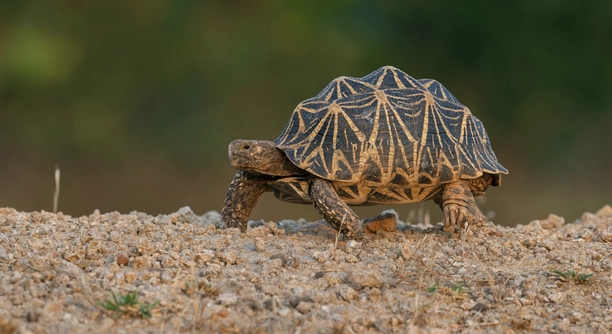
Creating a comfortable and enriching environment for Indian Star Tortoises involves more than just a simple enclosure. Their needs, including space and temperature, require careful planning. A multi-level enclosure offers the best setup for their well-being.
To build a multi-level enclosure for Indian Star Tortoises, ensure it provides ample space, proper heating, and humidity. The design should allow them to roam freely, offering different levels for climbing, resting, and feeding. The habitat should mimic their natural environment.
This setup promotes a healthier, more engaging habitat. Understanding the requirements and setup process will guide you through creating the perfect space for your tortoises.
Choosing the Right Materials for Your Enclosure
When designing a multi-level enclosure, choosing the right materials is crucial. Wood, PVC, or glass can be great options for constructing the walls and floor. Wood is durable but should be sealed to prevent moisture damage. PVC provides a lightweight and easy-to-clean alternative. Glass is ideal for visibility but may not offer the insulation needed for temperature control. For the levels, sturdy materials such as plywood or metal mesh are recommended. These materials should also be safe for your tortoises and not pose any risk of injury.
The materials you use will determine how easy it is to maintain the enclosure and how comfortable it is for the tortoises. Consider using materials that won’t easily harbor bacteria or mold, as this could lead to health problems.
Proper material selection not only supports long-term durability but also ensures the comfort of the tortoises. It’s essential to balance visibility, insulation, and safety while constructing the enclosure to meet all of their needs.
Creating a Suitable Environment
To create an environment that replicates the tortoises’ natural habitat, focus on temperature and humidity control. Temperature is key, as Indian Star Tortoises thrive in warm conditions. Use heat lamps to provide adequate warmth, especially on the basking areas. It’s also vital to create areas where they can cool down. Humidity is equally important. Mist the enclosure regularly to maintain the right level of moisture. Installing a small water dish for drinking and soaking can also help manage humidity and encourage hydration.
In addition to temperature and humidity, lighting plays a significant role in the tortoises’ health. Use UVB lighting to mimic natural sunlight. This is essential for their calcium absorption and overall well-being. Adjust the height of the light source to provide the proper intensity.
Managing these factors will ensure your tortoises stay healthy and active. Understanding their specific needs in terms of temperature and humidity will create a more comfortable and sustainable environment for them.
Building the Levels for Climbing and Resting
When constructing the multi-level design, ensure each level is stable and easy to access for the tortoises. You can use plywood or solid mesh to create these surfaces. Each level should be securely fastened to prevent shifting. Be sure to space the levels far enough apart to allow the tortoises to climb without difficulty.
The different levels serve multiple purposes: they give the tortoises opportunities to climb, rest, and explore. A gradual incline between the levels can help them move comfortably. You can also add ramps to make it easier for them to access higher areas.
Consider adding soft, non-toxic materials on the surfaces, such as hay or coconut fiber, to provide comfort for the tortoises. Keep the climbing levels at a height that is not too difficult for them to reach, but also safe enough that they won’t injure themselves.
Adding Hiding Spaces and Enrichment
Tortoises enjoy having secluded areas where they can retreat. Add hiding spots at each level of the enclosure, using rocks, logs, or small boxes. These spaces offer security and comfort, as tortoises like having a spot to escape when they feel stressed or tired. The hiding spots should be placed in cooler parts of the enclosure to give them a comfortable retreat.
Along with hiding spaces, enrich the environment by adding items such as plants (safe, non-toxic), rocks, or logs. These objects give the tortoises opportunities for exploration, climbing, and exercise. The more varied the layout, the more likely the tortoises will enjoy exploring their environment.
By providing these enriching features, you’ll help prevent boredom and encourage natural behaviors. Keep the hiding spaces at different heights to ensure the tortoises can access them based on their activity level and comfort.
Proper Ventilation and Airflow
Ensure the enclosure has proper ventilation to prevent humidity from becoming stagnant. Adding small mesh vents or using an open top design can help with airflow. This will prevent the growth of mold and maintain a healthy environment for your tortoises.
Inadequate ventilation can lead to trapped moisture, which could cause respiratory problems for your tortoises. Make sure the ventilation is placed where it won’t create drafts but still allows for airflow. Keep the air fresh and dry to ensure they remain comfortable and healthy.
Temperature Gradient
A temperature gradient is essential in the enclosure to allow tortoises to regulate their body temperature. Place heat lamps in one corner, creating a warm zone, while the other side remains cooler. This range gives your tortoises options to move between temperatures.
The temperature should range between 80-95°F in the warm zone, with a cooler area between 70-75°F. Using thermometers on both sides will help you monitor these levels consistently. Tortoises need to regulate their body temperature for digestion and overall health.
Maintaining Humidity Levels
Maintaining proper humidity is important for the well-being of Indian Star Tortoises. Mist the enclosure once or twice a day to keep the humidity between 50-60%. Humidity helps the tortoises stay hydrated and supports their natural skin shedding process.
Too low humidity may lead to dehydration or skin issues, while too high humidity can cause respiratory distress. Keep a close eye on the humidity levels, adjusting as needed based on the environment’s conditions and your tortoises’ health.
FAQ
How big should the multi-level enclosure be for Indian Star Tortoises?
The size of the enclosure depends on the number of tortoises you plan to house. A single tortoise requires at least 4×2 feet of space, and for each additional tortoise, add 2×2 feet. Larger enclosures provide more space for climbing, resting, and exploring. When building a multi-level setup, ensure each level is spacious enough for the tortoises to move comfortably without feeling cramped.
What materials are best for building a tortoise enclosure?
Wood, PVC, and glass are commonly used to build enclosures. Wood is durable but needs to be sealed properly to prevent moisture damage. PVC is lightweight and easy to clean but may not provide enough insulation. Glass is great for visibility but can sometimes cause temperature fluctuations. For the climbing levels, use sturdy materials like plywood or wire mesh, making sure they are safe for the tortoises.
How do I set up the temperature gradient in the enclosure?
Place a heat lamp or ceramic heater in one corner to create a warm zone. The warm zone should maintain a temperature between 80-95°F. The cooler side of the enclosure should range between 70-75°F. This gradient allows your tortoises to regulate their body temperature. It’s important to use thermometers on both sides to ensure consistent and safe temperature levels.
What should I use to provide humidity in the enclosure?
Misting the enclosure regularly is one way to maintain the right humidity levels, around 50-60%. You can also include a shallow water dish that the tortoises can soak in. This not only helps with hydration but also increases humidity. Avoid making the enclosure too wet, as excess moisture can lead to mold growth or respiratory issues.
What type of lighting is needed for Indian Star Tortoises?
UVB lighting is crucial for Indian Star Tortoises. It helps them synthesize vitamin D3, which is essential for calcium absorption and bone health. Place the UVB light above the basking area, and ensure it’s on for about 10-12 hours a day. It’s important to replace the UVB bulbs regularly, as their effectiveness decreases over time, even if the light still works.
Can I use natural plants in the tortoise enclosure?
Yes, you can use natural, non-toxic plants. However, it’s crucial to research the types of plants that are safe for tortoises. Some plants, like dandelions, hibiscus, and clover, are great additions to their environment. These plants provide enrichment, food, and a natural look to the habitat. Be sure to avoid any toxic plants that could harm your tortoises.
How do I ensure the tortoises are comfortable at night?
At night, you should lower the temperature in the enclosure to mimic natural conditions. While they don’t need additional heat during the night, the temperature should not drop below 70°F. You can remove the heat lamps and allow the tortoises to rest in a cooler area. They should have access to a dry, clean space to sleep.
How often should I clean the enclosure?
Spot cleaning should be done daily. Remove uneaten food, waste, and any soiled bedding. Full cleaning of the entire enclosure, including disinfecting surfaces, should be done every two to four weeks. This helps prevent bacteria buildup and keeps the enclosure smelling fresh. Make sure to use safe cleaning products that won’t harm your tortoises.
What do I feed Indian Star Tortoises?
Indian Star Tortoises are herbivores and eat a diet consisting of leafy greens, grasses, and some fruits. Offer a variety of greens such as dandelion greens, collard greens, and mustard greens. They can also have small amounts of fruits like papaya or melons, but fruits should only be given in moderation. Make sure the food is pesticide-free.
Do I need to provide extra space for a basking area?
Yes, a basking area is essential. This is where the tortoises will absorb the heat they need for digestion and overall health. The basking area should be located under a heat source like a UVB lamp. Ensure that the area is large enough for the tortoises to comfortably bask without feeling crowded.
Can I keep multiple Indian Star Tortoises in the same enclosure?
Yes, you can keep multiple Indian Star Tortoises together, but you need to ensure that the enclosure is large enough for each one to have its own space. Tortoises can be territorial, so there should be plenty of areas where each tortoise can retreat if needed. Monitor their behavior to ensure there are no signs of aggression.
Final Thoughts
Creating a multi-level enclosure for Indian Star Tortoises requires thoughtful planning to ensure the safety and well-being of the animals. The primary focus should be on providing enough space, temperature control, and proper humidity levels to support their natural habits. With the right setup, these tortoises can thrive in an environment that closely mimics their natural habitat, promoting better health and behavior. The enclosure must be spacious, allowing the tortoises to move freely, climb, and explore without feeling confined. Using a variety of materials, such as wood, PVC, and mesh, can help create a comfortable living space while ensuring it is safe and durable for the long term.
When designing the enclosure, it’s important to consider both the physical and environmental factors. The temperature gradient and humidity levels must be consistent and monitored regularly to prevent stress on the tortoises. Providing a proper heat source, such as a UVB light and heat lamp, is vital for their health, as it supports their digestion and bone strength. Likewise, ensuring sufficient ventilation and airflow in the enclosure is necessary to prevent mold buildup and to maintain a healthy atmosphere. By maintaining these environmental factors, you can help your tortoises live in a stress-free and comfortable habitat.
Overall, building a multi-level enclosure for Indian Star Tortoises is a rewarding experience that requires attention to detail and ongoing maintenance. As long as the tortoises have ample space, a balanced temperature gradient, and proper humidity, they will have a higher chance of thriving in captivity. By considering their natural behaviors and needs, such as basking and roaming, you will create an enriching environment where they can feel secure and healthy. Take your time during the planning and setup phases, and be prepared for regular checks to ensure that their habitat stays safe and comfortable.

Hello,
If you enjoy the content that we create, please consider saying a "Thank You!" by leaving a tip.
Every little bit helps us continue crafting quality advice that supports the health, happiness, and well-being of pets around the world, for pets of all shapes, sizes, and species.
We really appreciate the kindness and support that you show us!