
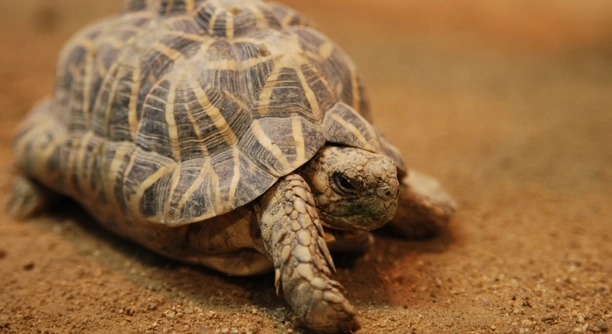
Indian star tortoises are known for their gentle nature, but they can sometimes find ways to escape from their enclosures. Ensuring their safety while keeping them contained is important for their well-being and your peace of mind.
To prevent Indian star tortoise escapes, it’s essential to secure their environment with proper fencing, secure lids, and by creating a habitat that encourages natural behaviors. Tortoises can often slip through gaps, so making sure the enclosure is tightly sealed is key.
With these techniques, you can create a safe and secure space for your tortoise, minimizing any chances of escape.
Secure the Right Enclosure
A well-designed enclosure is the first step in keeping your Indian star tortoise safe. It needs to be sturdy and tall enough to prevent any climbing or digging. Wooden, glass, or plastic enclosures work best when they have secure, tight-fitting lids. Always check for any gaps between walls and lids that your tortoise might slip through. If you’re using a mesh enclosure, make sure the holes are small enough to prevent your tortoise from squeezing out. It is important to secure the bottom as well, as tortoises can dig under if not properly contained.
A well-secured enclosure will prevent escapes and allow your tortoise to thrive. With the right materials, your tortoise can live comfortably and safely.
Once you’ve secured the sides and lid, it’s also helpful to add natural elements like rocks or logs that your tortoise can climb on, but they should not be escape routes. Make sure to inspect your setup regularly for any signs of wear or damage. By doing this, you can make sure the space remains safe for your tortoise.
Providing Proper Fencing
Choosing the right fence material is essential to prevent your tortoise from escaping. Plastic, wooden, or metal fencing can all work well. Just make sure it’s high enough to stop climbing and tall enough to prevent them from reaching over.
Fencing should also be checked for any sharp edges that could hurt your tortoise. A good fence will allow them to feel comfortable but not give them an easy way out. The enclosure should also be spacious enough for your tortoise to roam without feeling restricted. A large enclosure provides both security and room to explore.
Regular Inspections
Inspecting the enclosure regularly is crucial. Over time, small gaps or weaknesses can develop. A thorough check every few days can prevent escapes and ensure the tortoise’s safety. Pay close attention to areas where the walls meet and around any lids or gates.
Sometimes, the problem isn’t immediately obvious. A small crack in the lid, for example, may not be visible at first. It’s important to check thoroughly, especially after your tortoise moves things around or digs. These checks also allow you to spot any potential hazards, like sharp edges or objects that could harm your tortoise.
You should also examine the temperature and humidity inside the enclosure. Too much heat or dryness can stress your tortoise, making them more likely to try to escape. By maintaining a stable environment, you’ll encourage your tortoise to stay put and feel secure.
Creating a Natural Habitat
Creating a natural habitat for your tortoise helps prevent escapes. Providing natural barriers, such as rocks, logs, or plants, encourages them to explore and feel safe. These elements make the enclosure feel like home and reduce the chances of escape attempts.
Additionally, having areas to hide can make your tortoise feel less stressed. A corner with hiding spots or shelters gives them a place to retreat when needed. Natural elements also offer stimulation, making them less likely to attempt escape. As they get distracted by these features, they’ll be less focused on finding ways to leave their safe space.
Keeping your tortoise’s environment comfortable and enriching makes a big difference. By offering more than just a plain enclosure, you’ll reduce the urge to escape and provide a space that feels more like their natural surroundings.
Secure Lids and Doors
Ensure the lids and doors of the enclosure are tightly secured. A tortoise can easily push open loosely closed lids or doors. Use strong locks or latches that are difficult for them to open. This will prevent them from escaping while still allowing easy access for cleaning and feeding.
Check that any doors or lids are free from gaps or weaknesses. Even small openings can be enough for a determined tortoise to slip through. It’s helpful to check the locks regularly to make sure they’re functioning properly and can’t be moved by your tortoise.
Correct Placement of the Enclosure
The location of your tortoise’s enclosure is key. Ensure that it’s placed on solid ground to avoid shifting or tilting. This stability keeps the tortoise from finding a way out.
Avoid placing the enclosure near areas where your tortoise could be tempted to climb or escape. If it’s near plants, trees, or anything they could use to reach higher ground, it might be worth moving the setup to a safer spot.
FAQ
How can I stop my Indian star tortoise from climbing the walls?
Tortoises are natural climbers, so providing them with walls that are tall enough or sloped can prevent climbing. Make sure the walls are smooth and free of footholds. Adding a lip at the top of the enclosure can also discourage climbing.
Do Indian star tortoises dig to escape?
Yes, Indian star tortoises are known to dig. To prevent this, ensure the bottom of their enclosure is either solid or has a deep border that they can’t tunnel under. Regularly check for any signs of digging and reinforce the edges if necessary.
How high should the enclosure be to prevent escapes?
For an Indian star tortoise, the walls should be at least 18 to 24 inches high. Taller walls discourage climbing and help prevent escape attempts. If your tortoise is particularly determined, consider going even higher to be safe.
Can my tortoise escape if I have a mesh enclosure?
Mesh enclosures can be safe, but only if the holes are small enough to prevent your tortoise from squeezing through. Make sure the mesh is tightly secured and check regularly for any weak spots. Consider reinforcing the corners and edges to avoid escapes.
What are the best materials for a tortoise enclosure?
Wood, plastic, and glass are some of the best materials for building a tortoise enclosure. They are sturdy, and with proper sealing, they can prevent escapes. Avoid using materials that could be chewed or broken down by your tortoise.
How can I make my tortoise feel more secure?
To make your tortoise feel secure, provide a habitat that mimics its natural environment. Adding rocks, logs, and plants creates hiding spots and climbing opportunities. A well-structured habitat will make them less likely to attempt escaping and more comfortable in their space.
What should I do if my tortoise escapes?
If your tortoise escapes, search the area thoroughly. Check under furniture, behind doors, or along walls. Block any escape routes you discover to prevent future incidents. It’s also a good idea to make sure the environment is safe, should your tortoise manage to get loose.
Is it possible for an Indian star tortoise to escape from its enclosure if the lid is secure?
Even if the lid is secure, an Indian star tortoise may try to climb or push at the lid if it is not heavy enough. Ensure the lid is weighted down or locked properly to avoid any pressure from the tortoise. Regularly check for any signs of wear or weaknesses.
How do I prevent my tortoise from escaping during outdoor time?
When taking your tortoise outdoors, always supervise it. Use a contained outdoor pen or a secure fenced area where it can roam without the risk of escape. Make sure the fencing is tall enough and anchored properly to prevent digging.
Can temperature affect my tortoise’s tendency to escape?
Yes, temperature can impact your tortoise’s behavior. If it gets too hot or cold, they might become restless and more likely to attempt escape. Ensure the temperature is regulated within the optimal range for their species, and provide shaded areas to keep them comfortable.
How often should I check the enclosure for possible escape routes?
It’s a good idea to check the enclosure for possible escape routes at least once a week. Regular inspections allow you to spot any small cracks, gaps, or wear that could lead to an escape. The more often you check, the easier it is to keep your tortoise safe.
Can I use a glass tank for my Indian star tortoise?
Glass tanks can work, but they need to be properly sized and have a secure lid. Ensure the tank is large enough to allow your tortoise to roam freely and isn’t too small. The lid must be securely fastened to prevent escape.
What are some signs my tortoise might be trying to escape?
If your tortoise starts to climb the walls, dig aggressively, or seems overly restless, these can be signs they are trying to escape. Ensure their habitat is large enough, and their environment is comfortable to discourage these behaviors.
Final Thoughts
Preventing your Indian star tortoise from escaping requires careful planning and consistent attention to their environment. By ensuring their enclosure is secure and free of gaps, you can significantly reduce the chance of an escape. Regular inspections are important to catch small issues before they become bigger problems. Make it a habit to check the locks, walls, and floor to ensure there are no weaknesses your tortoise could exploit. A stable and well-maintained habitat provides not only safety but comfort, which is vital for their well-being.
Creating an enriching environment that mimics their natural habitat can also help prevent escape attempts. Offering places to hide, climb, and explore keeps your tortoise engaged and less likely to seek an escape. Natural elements such as rocks, logs, and plants not only provide physical barriers but also help in reducing stress, making them feel secure in their home. The more stimulating their space, the less likely they are to feel the need to leave. If your tortoise is consistently trying to escape, it may be a sign that their enclosure lacks something they need, such as space or enrichment.
Finally, always consider the temperature and humidity levels in their enclosure. An environment that is too hot, too cold, or too dry can cause discomfort, leading to restless behavior. Ensure that your tortoise’s habitat is properly regulated for their health and safety. Small changes, like adding more hiding spots or adjusting the temperature, can make a big difference. With the right care, your tortoise will feel secure, allowing both of you to enjoy a peaceful and safe environment.

Hello,
If you enjoy the content that we create, please consider saying a "Thank You!" by leaving a tip.
Every little bit helps us continue crafting quality advice that supports the health, happiness, and well-being of pets around the world, for pets of all shapes, sizes, and species.
We really appreciate the kindness and support that you show us!