
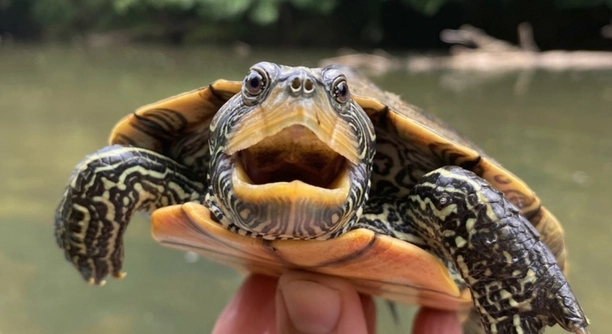
Map turtles are fascinating creatures with a variety of subspecies. Each one has its own unique traits and characteristics. Understanding these differences is key if you’re planning to care for one. This article will help you navigate those choices.
Choosing between different map turtle subspecies largely depends on factors such as habitat, size, and care requirements. Some subspecies thrive in specific environments, while others require more space and different diets. Assess these needs before making a decision.
Knowing which subspecies suits your lifestyle can make all the difference in ensuring a happy and healthy pet. From their natural environment to their diet, we will break down the important aspects to consider.
Understanding Map Turtle Subspecies
Map turtles come in many different subspecies, each with its own set of needs. Some, like the Mississippi map turtle, are known for their larger size, while others, such as the Northern map turtle, tend to stay smaller. These turtles can be found in a variety of freshwater habitats, including rivers and ponds. When selecting a subspecies, it’s important to consider their size, habitat needs, and diet preferences. Keeping them in environments that mimic their natural habitat will help them thrive and reduce stress.
Each map turtle requires different levels of space and care. Larger species need more room to swim and bask, while smaller ones are more adaptable to confined spaces. Understanding their specific needs is essential to providing the proper care.
Map turtles generally feed on insects, small fish, and aquatic plants, but their diets can vary depending on their habitat. For example, some subspecies may need more protein, while others might require more plant material. It’s vital to match their diet to their natural environment for better health.
Factors to Consider When Choosing a Subspecies
Choosing the right subspecies depends on your available space, resources, and ability to meet specific care requirements. Some map turtles need deeper water, while others do better in shallow environments.
Map turtles’ environmental preferences are an important factor. Certain species prefer fast-moving waters, while others are more suited to slow-moving rivers and ponds. You’ll need to replicate these environments to ensure their well-being. For instance, the Alabama map turtle thrives in slower-moving water, making it perfect for a pond with less current. Additionally, some subspecies are more prone to stress and require calm, quiet surroundings, so keeping that in mind can make a significant difference in their happiness and longevity. Matching their needs with your setup is crucial for a healthy, thriving turtle.
Space Requirements for Different Subspecies
Map turtles come in different sizes, and understanding their space needs is key to their well-being. Larger subspecies, like the Mississippi map turtle, require more space to swim and bask.
When setting up an enclosure, consider both water depth and surface area. Larger turtles need more swimming room and deeper water. Smaller species can thrive in more compact spaces but still need enough room to move around comfortably. Make sure the tank or pond is large enough to accommodate the turtle’s adult size. Additionally, a basking area is essential for all subspecies to maintain health.
Map turtles are also highly active and need plenty of space to explore. A cramped environment can lead to stress, impacting their health and behavior. If you’re keeping a large subspecies, a larger tank or pond is essential, while smaller species might be more adaptable to moderate-sized setups. Offering plenty of room for swimming and basking will help keep your map turtle happy and healthy.
Water Temperature and Quality
Water quality is crucial for map turtles. These turtles need clean water that’s kept at the right temperature to thrive.
A proper filtration system is essential to maintain water cleanliness. Map turtles tend to produce a lot of waste, so a powerful filter is necessary to keep the water clear. Additionally, water temperature should be maintained between 75°F and 85°F (24°C to 29°C) to ensure optimal health. A heater can help achieve this, especially in colder climates. Inadequate water quality or temperature can lead to health issues like shell rot or respiratory infections, so regular maintenance is necessary.
Along with the right temperature, ensure that the pH levels and overall water chemistry are suitable for the species you own. Test the water regularly to ensure it meets the ideal parameters. Clean water, combined with the proper temperature, provides a healthy environment for your turtle to grow and thrive. Keep the water free from chemicals or contaminants to avoid stressing your pet.
Diet and Feeding Habits
Map turtles have specific diet needs depending on their subspecies. Some prefer a diet rich in animal protein, while others thrive on plant-based foods.
A balanced diet is essential to keep your map turtle healthy. Feeding them a mix of live insects, small fish, and aquatic plants is ideal. The amount of protein should vary based on their age and species. Younger turtles tend to need more protein to grow, while adults may require a more balanced, plant-based diet. Ensure that your turtle receives all the necessary nutrients to prevent malnutrition.
Map turtles enjoy hunting for food in the wild, so replicating this by offering live food can stimulate their natural behavior. Additionally, you can supplement their diet with vegetables, fruits, and specially formulated turtle pellets. Just be sure not to overfeed to avoid obesity.
Lighting and UVB Requirements
Map turtles require proper lighting to stay healthy. A UVB light helps them metabolize calcium and maintain a strong shell.
UVB lighting is critical for map turtles as it helps them synthesize Vitamin D3. Without adequate UVB light, they can develop shell deformities and other health problems. Ensure your turtle has access to UVB light for about 10 to 12 hours a day, and position the light source close enough for them to bask under. Along with UVB, providing basking areas with heat lamps will allow your turtle to regulate its body temperature. Make sure to replace UVB bulbs every six months, as their effectiveness diminishes over time.
The Importance of Basking
Basking is an essential part of a map turtle’s daily routine. It allows them to regulate their body temperature and dry out after swimming.
Map turtles need to have a basking area within their enclosure. This area should be dry and warm enough to encourage them to rest, as they do in their natural habitats. Without proper basking opportunities, turtles may experience shell rot or other skin infections due to prolonged exposure to water. A heat lamp placed above the basking area will help maintain the right temperature. Be sure the basking spot is accessible, safe, and large enough for your turtle to move comfortably.
FAQ
What size tank do I need for my map turtle?
The size of the tank depends on the subspecies of map turtle you have. For smaller species like the Northern map turtle, a 40-gallon tank can be sufficient. Larger species, such as the Mississippi map turtle, require at least 75 gallons of space. Keep in mind that map turtles are active and need room to swim and bask. The more space you provide, the better your turtle will thrive. A bigger tank also gives you more flexibility in creating an environment that mimics their natural habitat.
How often should I change the water in my turtle’s tank?
You should change the water regularly to maintain a clean environment. Depending on the size of the tank and the number of turtles, a 25% water change every week is a good rule of thumb. If you have a smaller tank, you may need to change the water more often. It’s important to monitor the water quality closely. Invest in a good filter to help keep the water clean for longer periods, and always check for signs of contamination or algae buildup. Regular water changes ensure your turtle stays healthy and the water remains clear.
Do map turtles need a filter in their tank?
Yes, a filter is essential for map turtles. They produce a lot of waste, and a good filter helps keep the water clean and free from harmful bacteria. Without proper filtration, the water can quickly become cloudy and toxic, leading to health problems for your turtle. Choose a filter rated for a tank size larger than yours to ensure optimal performance. A powerful filter will reduce the frequency of water changes and keep your turtle’s habitat more stable.
Can I keep map turtles together?
Map turtles can be kept together, but it’s important to consider their size and temperament. Generally, map turtles are social creatures and can do well in groups, as long as they are not overcrowded. Avoid mixing larger and smaller subspecies, as the larger ones might become aggressive toward the smaller ones. Ensure there’s enough space for each turtle to have its own basking area and territory in the water. Keep an eye on their behavior for signs of stress or aggression, such as fighting or excessive hiding.
What temperature should I keep the water at for map turtles?
Map turtles thrive in water temperatures between 75°F and 85°F (24°C to 29°C). It’s important to maintain this range consistently for your turtle’s health. If the water is too cold, your turtle may become sluggish and more prone to illness. If it’s too warm, it can lead to stress and excessive algae growth. A reliable water heater can help regulate the temperature, especially in colder climates. Keep a thermometer in the tank to monitor the water temperature and adjust the heater as necessary.
How much should I feed my map turtle?
Map turtles are omnivores and need a balanced diet of both animal and plant matter. Their diet should include a mix of live food like insects, small fish, and crustaceans, along with leafy greens, aquatic plants, and occasional fruits. The amount of food varies based on the turtle’s age and size. Younger turtles require more protein for growth, while adults need more vegetables and plant-based foods. As a general guideline, feed your turtle once a day, offering a portion size that they can consume within 15 minutes. Avoid overfeeding, as it can lead to obesity and health issues.
Can I feed map turtles store-bought pellets?
Yes, store-bought pellets can be used to supplement your map turtle’s diet. However, they should not be the sole food source. High-quality turtle pellets provide essential nutrients, but they lack variety. Offering live food and fresh vegetables ensures a balanced diet that mirrors what map turtles would eat in the wild. Always choose pellets that are specifically formulated for map turtles or aquatic turtles to meet their nutritional needs. Avoid feeding them pellets that contain fillers or artificial additives, as these can harm your turtle’s health in the long run.
What kind of light does my map turtle need?
Map turtles require UVB light to stay healthy, as it helps them metabolize calcium and maintain strong shells. A UVB light should be on for 10-12 hours a day. This is essential for turtles that are housed indoors, as they may not receive enough natural sunlight. Along with UVB lighting, your turtle also needs a basking light to regulate its body temperature. The basking light should be placed above a dry area, and it should keep the temperature between 85°F and 90°F (29°C to 32°C). Make sure the UVB light is replaced every 6-12 months, as its effectiveness decreases over time.
How long do map turtles live?
Map turtles can live up to 30 years or more in captivity with proper care. Their lifespan is largely influenced by their diet, habitat conditions, and overall health. Regular maintenance of their environment, such as water changes, proper lighting, and a balanced diet, helps ensure a long and healthy life. If you’re committed to providing the right care, your map turtle can be a long-term companion. Just be prepared for their long lifespan and the responsibility of maintaining their well-being for decades.
Final Thoughts
Choosing the right map turtle subspecies and providing the proper care can make a huge difference in their health and happiness. These turtles are fascinating creatures, each with unique needs that must be considered when setting up their environment. From tank size to diet, lighting, and water quality, understanding these factors will help create the best possible home for your turtle. It’s essential to remember that map turtles are active and social animals, requiring both space to swim and bask, as well as attention to their diet and environmental conditions.
Regular maintenance of their habitat is crucial. This includes monitoring water temperature, keeping the tank clean, and ensuring that the lighting provides the necessary UVB rays for calcium absorption. Map turtles also thrive when they have the right balance of protein and plant-based foods in their diet. Keeping their tank free from harmful chemicals and providing them with enough room to roam will promote long-term health. While map turtles are relatively low-maintenance compared to some other pets, they still require dedicated care to thrive.
Overall, if you are ready to put in the effort, map turtles can make wonderful companions. They are visually stunning, easy to care for with the right setup, and can live a long life when their needs are met. Whether you choose a smaller subspecies or a larger one, understanding their requirements and making thoughtful decisions about their environment will ensure they stay healthy and happy for many years. So, take the time to properly research and prepare, and your map turtle will reward you with its unique charm and personality.

Hello,
If you enjoy the content that we create, please consider saying a "Thank You!" by leaving a tip.
Every little bit helps us continue crafting quality advice that supports the health, happiness, and well-being of pets around the world, for pets of all shapes, sizes, and species.
We really appreciate the kindness and support that you show us!