
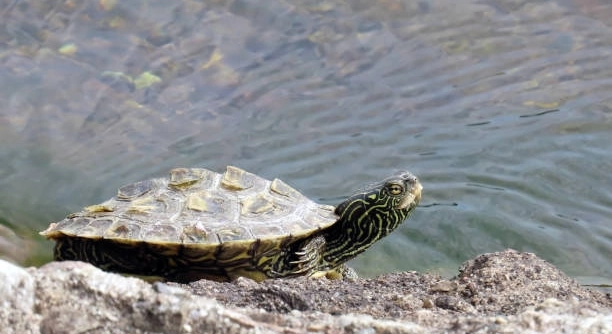
Map turtles are fascinating reptiles with a unique set of features. Yet, there are many misunderstandings about them that can affect how they’re cared for and perceived. Clearing up these myths is essential for turtle enthusiasts and owners.
There are several common myths surrounding map turtles, from their diet to their behavior, that need debunking. Many of these misconceptions stem from a lack of understanding about their natural habitats and specific needs.
By addressing these myths, we can help map turtles thrive in both captivity and the wild. Let’s look at some of the most widespread misconceptions and uncover the truth behind them.
Myth 1: Map Turtles Are Aquatic Only
Map turtles are often believed to live entirely in water, but this isn’t true. While they spend much of their time in aquatic environments, they also need access to dry areas for basking. These turtles rely on sun exposure to regulate their body temperature. Without proper basking opportunities, they can suffer from health issues like shell rot or weakened immune systems.
Their natural habitat includes both water and land, where they bask on logs or rocks to absorb the sun’s warmth. Many turtle owners may not realize that providing a dry spot for them is just as important as their water setup.
Map turtles can be found basking for hours during the day, particularly in the wild. This helps them stay healthy and maintain their energy levels. In captivity, it’s crucial to offer them a proper basking spot with a heat lamp. Without this, they could become stressed or less active, leading to various health complications.
Myth 2: Map Turtles Only Eat Fish
Many people think map turtles only eat fish, but this is a narrow view of their diet. They are omnivores and eat a variety of food, including plants, insects, and small invertebrates.
A balanced diet is important for map turtles’ health. While they will occasionally consume fish, a well-rounded diet should include leafy greens, fruits, and protein from sources like worms or insects. This variety helps them stay strong and healthy.
Providing them with a mix of food types will ensure they get the nutrients they need. Leafy greens such as kale or dandelion greens should be part of their daily diet, along with occasional treats like strawberries or carrots. A combination of plant matter and protein helps mimic their natural eating habits, which are essential for their growth and energy. The misconception that they only need fish can lead to poor nutrition, which can affect their overall well-being.
Myth 3: Map Turtles Are Hard to Care For
Map turtles aren’t as difficult to care for as some may think. They just need a few key things: clean water, a proper basking spot, and a balanced diet. When these basic needs are met, map turtles can thrive in captivity.
Providing them with the right environment is crucial. An appropriately sized tank with a filtration system will keep the water clean and prevent bacteria buildup. Adding a basking platform, along with a heat lamp, will ensure they can soak up enough sunlight to stay healthy. With these simple additions, they can easily adapt and flourish.
Many new turtle owners might feel overwhelmed at first, but map turtles are relatively low-maintenance pets once their habitat is set up properly. Regular feeding and monitoring the water quality are important tasks, but with time, it becomes part of a simple routine. They are not overly demanding but will reward their owners with their unique charm.
Myth 4: Map Turtles Don’t Need Social Interaction
While map turtles are more solitary than some pets, they still benefit from interaction. They may not crave socializing like dogs, but they are curious creatures who can recognize their caretakers over time. Regular handling and observation can build trust and reduce stress.
Map turtles tend to be shy and may prefer to stay in their shell if they feel threatened or overwhelmed. However, they still enjoy observing their surroundings and will become more active and comfortable in a consistent routine. Keeping their environment stable and quiet helps them feel safe.
Spending time near your map turtle, even if you’re not physically handling them, can help them become familiar with your presence. Over time, you may notice they’ll approach the edge of their tank when they see you. This behavior shows that while they aren’t social animals, they still can form bonds with those who care for them.
Myth 5: Map Turtles Can Live in Small Tanks
Map turtles need more space than many people realize. A small tank can restrict their movement and lead to poor health. As they grow, their space requirements increase. A larger tank promotes better swimming, basking, and overall well-being.
The minimum tank size for an adult map turtle is usually around 75 gallons. Smaller tanks can lead to overcrowding, which affects water quality and increases the risk of illness. Providing ample space allows the turtle to move freely, reducing stress and allowing them to engage in natural behaviors.
Overcrowding also makes it harder to maintain proper water conditions. A larger tank allows for better filtration and reduces the buildup of harmful substances in the water, leading to a healthier environment for the turtle. Ensuring that the tank is big enough for your turtle is a simple step toward maintaining its health.
Myth 6: Map Turtles Can Live on Just Any Water Source
Not all water is suitable for map turtles. Using untreated tap water can lead to harmful chemicals or heavy metals that may harm their health. It’s important to provide them with clean, filtered water to thrive.
Using dechlorinated or filtered water is crucial for maintaining a healthy environment. Tap water can contain chlorine, chloramine, or other additives that can irritate their skin and eyes. Installing a water filter or using bottled water can prevent these issues, ensuring your map turtle stays healthy in its habitat.
Myth 7: Map Turtles Only Live for a Few Years
Map turtles actually have a much longer lifespan than most people expect. With proper care, they can live for 20 to 30 years or even longer. This makes them a long-term commitment for their owners.
FAQ
How often should I feed my map turtle?
Map turtles should be fed every other day or around three to four times a week, depending on their age and activity level. Hatchlings and young turtles may require more frequent feedings, as they are growing quickly. As they mature, their feeding schedule can become more spread out. Make sure to provide a variety of foods, such as leafy greens, insects, and occasional fruits.
Can map turtles live with other turtles?
While map turtles are relatively peaceful, housing them with other turtles requires careful consideration. It’s important to ensure enough space and resources to prevent competition for food and basking spots. If you’re planning to keep multiple turtles, be mindful of their size, temperament, and whether they get along. Some species may be more aggressive, especially if resources are limited.
What type of habitat do map turtles need?
Map turtles thrive in an environment that mimics their natural habitat. This includes a large tank with clean, filtered water and a dry basking area. They also need a heat lamp to help regulate their body temperature. The water temperature should be around 75-80°F (24-27°C), and the basking area should be around 90°F (32°C). Providing these conditions will keep your map turtle healthy and active.
What do map turtles need to stay healthy?
To stay healthy, map turtles need a well-balanced diet, a proper habitat with a good filtration system, and access to sunlight or a UVB light. They also require regular basking time to maintain a strong immune system and avoid shell rot. Regular water changes and cleaning the tank are also important to keep bacteria levels low.
Can map turtles be kept in a backyard pond?
Yes, map turtles can live in a backyard pond, as long as it is large enough for them to swim and bask. The pond should have areas for them to climb out of the water and bask under the sun. It’s important to ensure the water is clean and filtered to avoid harmful bacteria. In colder climates, map turtles may need to be brought indoors during winter to keep them safe from freezing temperatures.
How do I know if my map turtle is stressed?
Signs of stress in map turtles include reduced activity, refusal to eat, hiding in corners or underwater, and aggressive behavior. Stress can be caused by factors such as poor water quality, insufficient basking time, overcrowding, or changes in the environment. If you notice any of these behaviors, check the water conditions and habitat setup to make sure everything is optimal for your turtle.
Can map turtles survive without a heat lamp?
While map turtles may survive for short periods without a heat lamp, it is not advisable. Heat lamps help them regulate their body temperature and digest their food properly. Without proper warmth, their immune system can weaken, and they may become lethargic or susceptible to illness. A heat lamp is essential for maintaining a healthy map turtle.
How do I clean my map turtle’s tank?
Regular cleaning is important for keeping your map turtle’s tank safe and healthy. Change 25-30% of the water every week to ensure it remains clean. Use a water filter to help with regular filtration, but you will still need to clean the tank manually every few weeks. Remove any uneaten food, algae, or waste from the tank. You can also use a reptile-safe cleaner for the tank’s surfaces. Avoid using harsh chemicals that could harm your turtle.
What should I do if my map turtle isn’t eating?
If your map turtle isn’t eating, check for potential causes such as poor water quality, inadequate temperature, or stress. Sometimes turtles lose their appetite due to changes in their environment or a lack of variety in their diet. Try offering different types of food, such as insects, leafy greens, or fruit. If your turtle continues to refuse food, consider consulting a vet.
Are map turtles good pets for beginners?
Map turtles can be a good pet for beginners, as long as you’re prepared to meet their needs. They are relatively low-maintenance once their tank setup is established. However, they do require a proper habitat, diet, and consistent care. If you’re willing to invest time in learning about their needs and maintaining their environment, a map turtle can be a rewarding pet.
Do map turtles hibernate?
Yes, map turtles may hibernate in colder climates. Hibernation typically occurs in the winter months, and the turtle will become less active. During this time, it’s important to lower the water temperature gradually to mimic the natural conditions. If you’re keeping your map turtle in a controlled environment, you may need to adjust the conditions to encourage natural hibernation or prevent it if it’s unnecessary.
What temperature should my map turtle’s water be?
Map turtles thrive in water temperatures between 75-80°F (24-27°C). If the water is too cold, they may become sluggish and less active. Conversely, water that is too hot can lead to stress and health issues. Use a water heater to maintain the appropriate temperature, and ensure your tank has a thermometer to monitor the water regularly.
Can map turtles be kept in a tank without a filter?
It is not recommended to keep map turtles in a tank without a filter. Turtles produce waste that can quickly pollute the water, and a filter helps maintain water quality by removing debris and bacteria. Without a filter, the water can become toxic, leading to health problems for your turtle. Regular water changes are essential, but a filter makes the process much easier and more effective.
Map turtles are unique creatures with specific needs that, when met, can lead to a long and healthy life. While caring for them may seem daunting at first, understanding their basic requirements makes it easier to provide a comfortable and safe environment. The most important things to keep in mind are clean water, a proper basking area, and a balanced diet. These elements help map turtles maintain their health, grow, and thrive.
Caring for a map turtle can be a rewarding experience, especially when you know what to expect. They are relatively low-maintenance compared to other pets, but they still need consistent attention. Setting up a proper habitat and maintaining good water quality will go a long way in ensuring your turtle remains healthy and active. While they don’t require constant attention, it’s important to check their living conditions regularly to prevent any issues from arising.
Lastly, it’s essential to remember that map turtles are a long-term commitment. They can live for 20 to 30 years, so owning one is a responsibility that spans decades. By understanding their needs and providing a suitable environment, you ensure that your map turtle can live a fulfilling life. Whether you’re a first-time turtle owner or an experienced keeper, taking the time to care for your turtle properly will bring both you and your pet a sense of satisfaction and companionship over the years.

Hello,
If you enjoy the content that we create, please consider saying a "Thank You!" by leaving a tip.
Every little bit helps us continue crafting quality advice that supports the health, happiness, and well-being of pets around the world, for pets of all shapes, sizes, and species.
We really appreciate the kindness and support that you show us!