
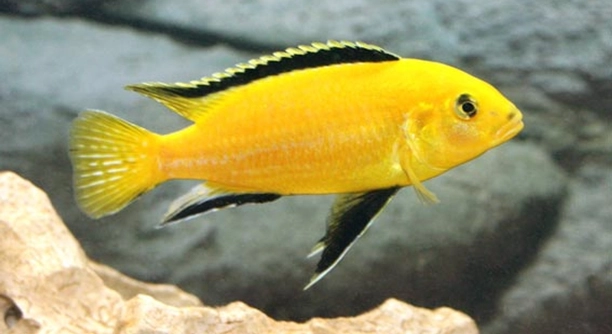
Are your electric yellow cichlids showing signs of aggression, chasing tank mates, or guarding territories more fiercely than usual? These behaviors can make your aquarium stressful. Learning simple strategies can help maintain peace and a healthy environment.
The most effective way to calm an aggressive electric yellow cichlid is by adjusting tank conditions, providing adequate hiding spaces, and ensuring proper diet and social structure. Consistent monitoring and environmental management reduce stress and aggression.
Maintaining a calm and balanced tank improves both fish health and owner satisfaction. Implementing these measures will create a more peaceful aquarium environment for everyone.
Understanding Electric Yellow Cichlid Behavior
Electric yellow cichlids are naturally territorial and can display aggression when they feel their space is threatened. Aggression often appears during feeding times or when new fish are introduced. Observing their body language, such as flaring fins or chasing tank mates, helps identify tension early. Stress, poor water quality, or overcrowding can worsen aggressive tendencies. Maintaining proper tank size and stable conditions is essential for reducing stress and promoting calmer behavior. Providing hiding spots and visual barriers allows each fish to establish personal territory, which decreases fights. Additionally, introducing compatible tank mates gradually helps prevent conflicts. Regular monitoring ensures issues are addressed before escalation. A stable routine, consistent feeding, and environmental enrichment all contribute to a balanced tank. Even small adjustments, like rearranging decorations or adding plants, can shift territorial boundaries and reduce aggression. Over time, careful management allows electric yellow cichlids to coexist peacefully.
Providing hiding places and structured spaces reduces tension and prevents most aggressive incidents from escalating.
Consistency in care and attention to tank dynamics significantly improves cichlid behavior. Creating clear territories and maintaining stable conditions encourages calmer, more manageable fish interactions over time.
Adjusting Tank Conditions
Proper water conditions directly affect cichlid aggression. Maintaining stable temperature, pH levels, and clean water reduces stress and prevents sudden behavioral outbursts.
Ensuring adequate space is crucial. Overcrowding leads to constant competition and stress, increasing aggressive displays. Ideally, a 55-gallon tank or larger with multiple hiding spots gives electric yellow cichlids room to establish territories. Decorations like rocks and plants create visual barriers that help reduce constant confrontations. Water quality must be monitored weekly, including ammonia, nitrate, and nitrite levels. Frequent partial water changes support health and minimize aggression caused by poor conditions. Introducing tank mates slowly and observing reactions prevents unnecessary fights. Feeding schedules should be consistent, with balanced diets to avoid competition-induced aggression. Avoid sudden changes in lighting, decorations, or fish population. Even minor stressors can trigger territorial behaviors. By creating a calm, stable environment, cichlids adapt better to their surroundings, exhibit less aggression, and interact more harmoniously with other tank mates. Patience and attentiveness are key to a peaceful aquarium ecosystem.
Diet and Feeding Strategies
A proper diet reduces aggression in electric yellow cichlids. Overfeeding or irregular feeding can trigger competition and fights. Feeding small, frequent portions keeps them satisfied and lowers stress.
High-quality pellets, supplemented with occasional live or frozen foods, provide necessary nutrients for cichlids. Avoid feeding only flakes, as they lack essential vitamins and can lead to nutritional deficiencies, making fish more irritable. Feeding at consistent times helps establish a routine, reducing anxiety and competition. Observing how fish eat ensures all individuals receive adequate food without dominance from more aggressive tank mates. Using feeding rings or spreading food in multiple locations prevents overcrowding at a single point. Fresh vegetables like peas or zucchini can add variety and aid digestion. A balanced diet directly impacts mood and aggression levels, making tank management easier.
Some fish may still show dominance during feeding, but careful portion control and consistent routines minimize confrontations. Strategic feeding supports healthier interactions and calmer behavior in the long term.
Social Dynamics and Tank Mates
Introducing compatible fish prevents constant fights and reduces stress for electric yellow cichlids. Avoid aggressive or much smaller species that provoke attacks.
Grouping cichlids with similar size and temperament helps maintain harmony. Overcrowding increases competition and stress, so monitoring fish numbers is essential. Gradual introductions allow the existing fish to adjust without sudden aggression. Providing plenty of hiding spots and visual breaks decreases territorial disputes. Observing interactions regularly ensures new additions do not trigger ongoing stress or dominance struggles. Separating overly aggressive individuals temporarily can reset tank balance and prevent injuries. Attention to social structure, territory, and hierarchy allows cichlids to establish boundaries peacefully. Maintaining stable groups avoids constant fighting and supports overall tank health.
Even minor changes in tank population or layout can shift social dynamics. Regular monitoring and adjustments ensure electric yellow cichlids coexist with minimal aggression, creating a calmer, healthier aquarium environment.
Environmental Enrichment
Providing hiding spots and decorations reduces stress and aggression. Rocks, caves, and plants give cichlids private areas to retreat and establish territories.
Changing decorations periodically or adding new structures encourages exploration and mental stimulation. A varied environment prevents boredom and decreases repetitive aggressive behaviors.
Monitoring and Observation
Regularly observing fish behavior helps identify early signs of aggression. Look for chasing, flared fins, or hiding excessively, which indicate stress or conflict.
Adjust tank conditions or social arrangements based on these observations. Immediate responses prevent minor tensions from escalating into serious fights. Monitoring allows for targeted interventions to maintain a calm aquarium.
Handling Aggressive Individuals
Aggressive fish may need temporary separation to restore balance. Quarantine or isolation tanks help prevent injuries.
Removing a particularly dominant cichlid for a short period can reduce territorial stress. Observation during isolation ensures the fish is healthy and calmer before reintroduction, improving overall tank harmony.
FAQ
How can I tell if my electric yellow cichlid is aggressive or just playful?
Aggression usually involves chasing, nipping, or flaring fins at other fish. Playful behavior tends to be less intense, with fish exploring or interacting without prolonged attacks. Observing patterns over several days helps distinguish normal activity from stress-induced aggression.
What tank size is best to reduce aggression?
A 55-gallon tank or larger provides enough space for territories and reduces constant competition. Smaller tanks lead to overcrowding, stress, and increased fights. Adequate space is essential for maintaining a calm environment and supporting healthy social behavior.
How many hiding spots should I provide?
Multiple hiding places, such as caves, rocks, and plants, are necessary. Each fish should have access to at least one private area. Visual barriers reduce tension and help cichlids establish personal territories, lowering overall aggression.
What diet helps calm aggressive cichlids?
A balanced diet of high-quality pellets, supplemented with live or frozen foods, ensures proper nutrition. Avoid overfeeding or irregular schedules, as these trigger competition. Occasional vegetables like peas or zucchini aid digestion and reduce irritability.
Can tank mates influence aggression?
Yes, aggressive or much smaller species can provoke attacks. Choosing similarly sized, calm fish minimizes conflicts. Gradual introductions and monitoring interactions help maintain social balance in the aquarium.
How often should I check water quality?
Weekly monitoring of ammonia, nitrite, nitrate, and pH levels is recommended. Poor water quality increases stress and aggression. Consistent partial water changes keep conditions stable and support healthier, calmer fish.
What should I do if one cichlid becomes dominant?
Temporarily separating the dominant fish in a quarantine or isolation tank can restore balance. Reintroduce after a few days when tension has decreased. Observing interactions closely ensures all fish coexist safely.
Do decorations really impact behavior?
Yes, decorations create visual breaks and personal spaces. Rearranging or adding new structures occasionally encourages exploration and prevents boredom, which can trigger repetitive aggressive behaviors.
Can consistent feeding routines reduce fighting?
Feeding small, frequent portions at the same times each day lowers competition. Spreading food in multiple locations prevents crowding and ensures all fish are fed without dominance disputes.
How long does it take for cichlids to calm down after adjustments?
Behavioral improvements can be seen within days to weeks, depending on aggression severity and tank conditions. Patience, observation, and consistent care help cichlids adapt and maintain a peaceful environment over time.
Is it normal for aggression to spike during breeding?
Yes, breeding periods can temporarily increase territorial behavior. Providing additional hiding spots and ensuring sufficient space helps manage aggression and protect other fish during this time.
Can lighting affect aggression levels?
Sudden changes in lighting or overly bright conditions may stress fish, triggering aggressive displays. Gradual adjustments and maintaining a consistent light cycle support calmer behavior.
What role does water temperature play in aggression?
Stable temperature is important. Sudden fluctuations stress fish and increase territorial fights. Keeping water within recommended ranges ensures comfort and reduces irritability.
Should I rearrange tank decorations regularly?
Occasional rearrangement stimulates exploration and breaks established territorial boundaries. This can reduce repeated fights and encourage more balanced social interactions among cichlids.
Can aggressive behavior lead to health issues?
Yes, constant fighting can cause injuries, stress, and susceptibility to disease. Maintaining proper tank conditions, diet, and social balance prevents physical and psychological harm.
How can I prevent aggression before it starts?
Provide adequate space, consistent feeding, hiding spots, compatible tank mates, and stable water conditions. Proactive management reduces triggers and helps electric yellow cichlids coexist peacefully.
Is temporary isolation stressful for the fish?
Short-term isolation is generally safe and helps calm dominant individuals. Ensure the isolation tank mimics the main tank’s conditions to minimize stress and support a smooth reintroduction.
Can frequent observation really make a difference?
Yes, noticing early signs of aggression allows quick interventions. Adjusting environment, feeding, or social arrangements prevents minor conflicts from escalating into serious fights.
How important is tank layout in preventing aggression?
Tank layout is crucial. Rocks, plants, and caves create territories and visual barriers. Thoughtful placement reduces line-of-sight confrontations and helps fish feel secure, lowering overall stress and aggression.
Can adding more fish reduce aggression?
Adding more fish only helps if the tank is large enough and fish are compatible. Overcrowding increases competition, while thoughtful additions can spread territorial pressure and balance social dynamics.
How do I know if aggression is severe enough to intervene?
Frequent chasing, injuries, and constant dominance indicate intervention is needed. Separating fish temporarily, rearranging the tank, or adjusting feeding and territory arrangements addresses issues before serious harm occurs.
Does water chemistry affect mood?
Yes, unstable pH, ammonia spikes, or high nitrate levels stress fish and trigger aggression. Maintaining balanced water chemistry supports calmer behavior and overall health.
Are certain fish more prone to aggression than others?
Electric yellow cichlids are naturally territorial. Individual temperament varies, with some fish showing more dominant or defensive behavior. Understanding personalities helps manage tank dynamics and reduce conflicts.
How do I maintain calm interactions long-term?
Consistent care, monitoring, stable water conditions, balanced diet, adequate space, and thoughtful tank design are essential. Long-term commitment ensures electric yellow cichlids remain healthy, calm, and socially balanced in the aquarium.
Final Thoughts
Managing aggression in electric yellow cichlids requires attention to multiple factors, including tank conditions, diet, and social dynamics. These fish are naturally territorial, and their behavior can become challenging if the environment does not meet their needs. Providing a spacious tank with clear territories and adequate hiding spots is essential. Rocks, caves, and plants allow each fish to establish a personal area, reducing tension and helping prevent constant chasing or displays of dominance. Even small adjustments in tank layout can influence interactions and improve overall harmony. Observing fish behavior regularly ensures that minor issues are addressed before they escalate into serious problems. Calm, well-structured environments allow cichlids to thrive and reduce stress for both the fish and the owner.
Diet also plays a significant role in reducing aggression. Overfeeding or irregular feeding can increase competition and provoke fights, while a consistent, balanced diet helps maintain calmer behavior. High-quality pellets supplemented with occasional live or frozen foods provide necessary nutrients, and small amounts of vegetables can aid digestion and add variety. Feeding at regular intervals creates a routine that reduces anxiety and prevents dominant individuals from monopolizing food. The combination of proper diet and thoughtful feeding strategies supports not only physical health but also social stability in the aquarium. Ensuring that all fish receive sufficient nutrition without triggering disputes is key to a peaceful tank.
Social dynamics should always be monitored and managed carefully. Introducing compatible tank mates gradually and maintaining an appropriate population helps prevent unnecessary aggression. Some cichlids may require temporary separation if they become overly dominant, allowing others to regain confidence and balance. Regular observation, combined with stable water conditions and environmental enrichment, allows fish to establish clear boundaries while minimizing stress. Attention to these factors ensures a healthier, calmer aquarium over time. By maintaining proper tank size, structure, diet, and social balance, it is possible to create an environment where electric yellow cichlids coexist peacefully, and their natural behaviors can be appreciated without constant conflict.

Hello,
If you enjoy the content that we create, please consider saying a "Thank You!" by leaving a tip.
Every little bit helps us continue crafting quality advice that supports the health, happiness, and well-being of pets around the world, for pets of all shapes, sizes, and species.
We really appreciate the kindness and support that you show us!