
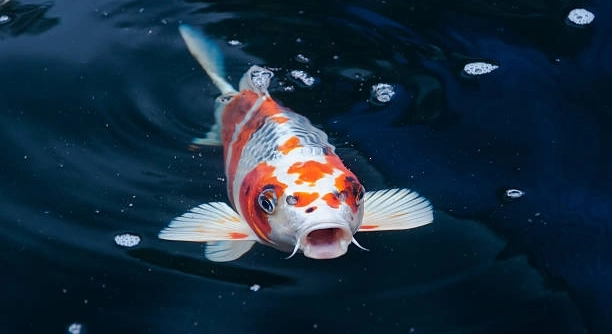
Building trust with koi fish is important for a healthy and enjoyable relationship. These beautiful fish respond well to gentle care and consistent interaction. Establishing trust takes time but improves the bond between owner and fish.
Building trust with koi fish requires patience, consistent feeding, gentle handling, and creating a calm environment. Regular interaction and minimizing stress promote familiarity and positive associations, encouraging koi to respond confidently and peacefully to human presence.
Learning how to build trust will improve your koi’s behavior and overall well-being. This article will guide you through the essential steps to strengthen your connection.
Understanding Koi Behavior and Body Language
Koi fish communicate largely through their behavior and body language. Recognizing signs of stress or comfort helps in building trust. When koi swim calmly near the surface or follow your movements, it indicates curiosity and comfort. Rapid darting or hiding signals fear or discomfort. Feeding koi by hand is a great way to observe their reactions closely. Koi respond well to gentle movements and a calm voice, which helps reduce their stress levels. Regular feeding times also create a routine they begin to expect, making them feel safer. Over time, koi become accustomed to your presence, and their behavior becomes a clear indicator of the bond forming. Watching these subtle cues improves your interaction and allows you to adjust care accordingly, ensuring a more peaceful and trusting relationship.
Knowing koi body language is essential to responding appropriately and fostering trust.
Building this understanding takes patience but offers rewarding insights into your koi’s needs and comfort.
Creating a Calm and Safe Environment
A calm environment plays a crucial role in encouraging koi to trust you. Loud noises, sudden movements, and frequent changes to the pond can cause stress and fear. Clear water with proper filtration maintains koi health, reducing their stress and making them more approachable. Adding plants and hiding spots allows koi to feel secure and reduces anxiety. Consistent water temperature and good quality food also contribute to a comfortable setting. When koi are not stressed by their environment, they are more likely to respond positively to your presence. Regular cleaning and avoiding harsh chemicals keep the pond safe and pleasant. Creating this stable environment ensures koi are relaxed, which supports the development of trust over time. The more secure koi feel, the more open they become to interaction.
Minimizing stress through environmental care helps koi feel safe and improves their response to you.
Consistent Feeding Practices
Regular feeding times help koi recognize and trust their caretaker. Feeding them in the same spot creates positive associations. Avoid overfeeding, as this can harm their health and cause stress.
Hand-feeding koi encourages interaction and builds confidence. It allows koi to connect your presence with a positive experience. Using sinking pellets or treats that koi prefer can increase their willingness to approach. Be patient, as koi may take time to accept feeding from your hand. Offering food gently and slowly prevents startling them. Over time, koi begin to associate your presence with food, reducing fear and improving trust.
Feeding routines reinforce the bond between you and your koi. It establishes a sense of predictability and security, essential for building a trusting relationship.
Gentle Handling and Interaction
Handling koi should be done sparingly and with care to avoid stress or injury. Use wet hands or soft nets to protect their delicate scales and slime coat. Always support their body fully during handling to prevent damage. Excessive handling can cause fear and harm, so keep contact minimal and calm. Handling only when necessary for health checks or pond maintenance is best.
Regular, calm interaction without physical contact also builds trust. Speaking softly, moving slowly near the pond, and observing koi behavior helps them feel secure. Avoid sudden movements or loud noises that can cause fright. Over time, koi will become more comfortable with your presence, showing curiosity rather than avoidance. This approach fosters a peaceful coexistence without forcing physical contact, which koi may find stressful.
Gentle handling combined with patient interaction promotes a respectful and trusting relationship with koi fish.
Patience and Observation
Patience is essential when building trust with koi. They need time to adjust to your presence and routine. Observing their behavior carefully helps you respond to their needs and comfort levels.
Avoid rushing interactions. Give koi space to approach you at their own pace. Consistency over time fosters a stronger bond.
Minimizing Stress Factors
Reducing stressors in the pond environment improves koi trust. Limit loud noises, sudden movements, and overcrowding. Regular maintenance keeps water quality high, supporting their health. Healthy koi are more likely to interact positively and trust their caretaker.
Using Visual and Auditory Cues
Koi learn to recognize their caretaker through consistent visual and auditory signals. Feeding near the pond’s edge while speaking softly helps associate your presence with positive experiences.
Maintaining Water Quality
Clean, balanced water is crucial for koi health. Regular testing and water changes keep the pond environment stable and comfortable, supporting trust-building efforts.
FAQ
How long does it take for koi to trust their owner?
The time koi take to trust an owner varies depending on individual fish and their environment. Generally, consistent care and interaction over several weeks to months are needed. Patience and gentle behavior speed up the process. Avoid sudden changes or stress to help koi feel secure faster.
Can koi recognize their owner?
Koi can recognize the person who feeds and cares for them through visual and auditory cues. They often respond to the sound of footsteps or feeding containers. Over time, koi may swim toward their caretaker, showing familiarity and trust.
Is it safe to handle koi often?
Frequent handling is not recommended as it stresses koi and can damage their delicate scales and slime coat. Handle only when necessary, such as during health checks or pond cleaning. Always use wet hands or soft nets, and be gentle to prevent injury.
What is the best way to feed koi by hand?
Feed koi by hand slowly and calmly. Use sinking pellets or treats that koi enjoy. Hold food gently on your palm or fingertips and allow koi to come at their own pace. Avoid sudden movements or quick withdrawals, which may frighten them.
How important is water quality for building trust?
Water quality is critical. Poor water conditions cause stress and illness, making koi wary and less interactive. Maintaining clean, well-filtered water with stable temperature and pH supports koi health and encourages trust by providing a comfortable environment.
Can koi get stressed by loud noises or sudden movements?
Yes, koi are sensitive to loud noises and sudden movements. These stress factors make them hide or swim away quickly. Minimizing such disturbances in and around the pond helps koi remain calm and more willing to engage.
How often should I interact with my koi to build trust?
Regular, gentle interaction daily or every other day is best. Consistency helps koi recognize and feel comfortable with your presence. Short, calm visits are more effective than occasional long ones.
What signs show that koi trust their caretaker?
Koi that trust their caretaker often swim near the surface, follow movements outside the pond, and accept food from the hand. They appear relaxed, with smooth, steady swimming rather than quick darting or hiding.
Can koi become scared again after trusting someone?
Yes, trust can be lost if koi experience stress, rough handling, or sudden environmental changes. Consistent, gentle care is needed to regain trust. Avoid actions that cause fear to maintain a positive relationship.
Should I talk to my koi?
Speaking softly near the pond can help koi associate your presence with calmness. While koi may not understand words, they respond to the tone and sound, which can make them more comfortable around you.
Is it necessary to have hiding spots in the pond?
Providing plants or structures for hiding makes koi feel secure. A safe environment reduces stress and supports trust-building by allowing koi to retreat if they feel threatened.
Can multiple koi affect trust-building?
Having several koi means your attention is divided, which may slow individual trust development. However, koi also feel safer in groups, which can reduce overall stress and improve their openness to interaction.
What role does feeding schedule play in trust?
Feeding koi at the same time each day establishes routine and predictability. This consistency helps koi anticipate positive experiences, strengthening their trust in you.
Are treats better than regular food for building trust?
Treats can encourage interaction but should not replace regular balanced diets. Use treats sparingly to reward koi and create positive associations without compromising their nutrition.
How do I know if koi are stressed or sick?
Signs of stress or illness include clamped fins, lethargy, loss of appetite, rapid breathing, or abnormal swimming. Addressing these issues quickly with proper care helps maintain koi comfort and trust.
Building trust with koi fish requires patience, consistency, and careful attention to their needs. These fish respond best to calm, gentle care and a stable environment. Trust is not something that happens immediately, but rather develops slowly as koi become familiar with your presence and routine. Understanding their behavior and respecting their comfort zones are important steps in this process. Providing clean water, regular feeding, and a safe pond environment all contribute to creating the conditions koi need to feel secure. Consistent care over time encourages koi to associate you with positive experiences, such as food and safety, which forms the foundation of trust.
Interaction with koi should be gentle and deliberate. Hand-feeding is an effective way to build confidence, but it should be done patiently, allowing koi to approach at their own pace. Avoid sudden movements and loud noises near the pond, as these can cause stress and delay trust-building. Handling koi should be minimized and done carefully only when necessary to prevent injury and maintain their health. Observing koi behavior regularly helps identify signs of comfort or stress, so adjustments in care can be made accordingly. Over time, koi will show increased curiosity and willingness to engage, which are clear signs of growing trust.
Maintaining water quality and minimizing stress factors in the pond are key to long-term success in building a relationship with koi. Clean, well-filtered water keeps koi healthy and comfortable, making them more open to interaction. Providing hiding places and stable conditions further supports their well-being. Patience is essential, as koi may take weeks or months to fully accept your presence. Consistent care, calm interaction, and a supportive environment combine to create a trusting and rewarding relationship with these beautiful fish. The process may take time, but the result is a peaceful coexistence that benefits both caretaker and koi.

Hello,
If you enjoy the content that we create, please consider saying a "Thank You!" by leaving a tip.
Every little bit helps us continue crafting quality advice that supports the health, happiness, and well-being of pets around the world, for pets of all shapes, sizes, and species.
We really appreciate the kindness and support that you show us!