
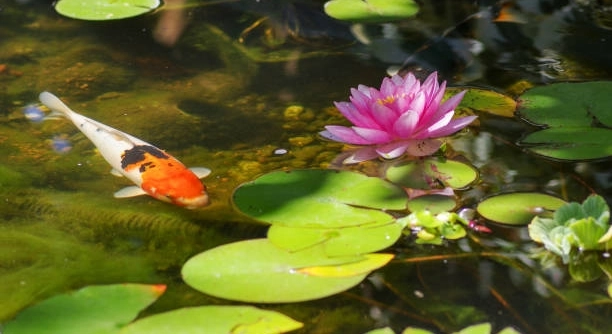
Do you ever find yourself watching koi swim and wondering if there’s more to their behavior than just pretty patterns and movement?
Koi reveal their social hierarchies through a range of subtle and observable behaviors, such as feeding order, territorial movement, and grouping patterns. These actions reflect a structured system of dominance and submission within their community.
From gentle nudges to strategic swimming positions, these moments tell a lot about how koi interact and organize themselves in shared spaces.
When Food Hits the Water
The moment koi sense food, their social order becomes easy to spot. Dominant koi are usually the first to rush forward, pushing others aside with confident movements. They tend to feed at the surface, while lower-ranking koi stay back or swim around the edges. These behaviors show how koi use feeding time to reinforce their positions. It’s not just about who eats first; it’s about who gets the best access and how that affects others. Even subtle movements like blocking another koi or nudging them away are part of this silent communication. Over time, these patterns repeat, making the social roles clearer. Observing them during feeding can give you a better idea of how they interact on a daily basis, especially in ponds with limited food or space. Koi don’t need to be aggressive to show dominance—sometimes, just their timing and confidence are enough to establish control.
Smaller koi often hesitate during feeding. They wait until the larger ones finish or move aside.
Feeding times give us a chance to learn how koi handle competition. Some assert control through positioning, while others yield. You might also see koi forming temporary groups, with more dominant ones staying together and acting in sync. Watching this can help you understand your koi better and see how their roles shift over time. This becomes more noticeable when food is limited or when new koi are added to the pond. Even subtle changes, like a koi circling slower or keeping more distance, could signal a change in the social structure. Food creates tension, but it also shows how koi maintain peace with minimal conflict.
Chasing Without Biting
Koi often chase one another, especially during spring. While it may look aggressive, there’s usually no biting or real contact.
Chasing plays a big role in how koi test and display dominance. During spawning season, males chase females, but outside of breeding times, chasing can still happen between koi of any gender. These quick swims are more than just play—they’re a way to establish or challenge status. A more dominant koi may chase a smaller one, who quickly backs off or changes direction. This signals recognition of rank. However, not every chase ends in submission. Sometimes the chaser gives up, which might mean the hierarchy is shifting. Koi remember these encounters. Over time, chasing becomes less frequent as the social order becomes stable. But any change in the pond, like a new fish or change in environment, can reset these behaviors. Watching how long and how often koi chase each other can help you spot shifts in their social structure.
Space and the Right to Rest
Koi often pick favorite resting spots in the pond. The more dominant ones usually claim areas with shade, safety, or better water flow. Less dominant koi are left to rest in more open or exposed spots.
These resting spots aren’t random. Koi that consistently occupy prime locations are usually higher in the social structure. You’ll notice they don’t move much when others approach—some even lightly push others away without aggression. It’s more about quiet control. If a koi is frequently chased away from a spot or avoids certain areas, it’s often a sign they’re lower in rank. Resting is also when koi are at their calmest, so watching these moments gives insight into their social comfort. Koi that feel secure in their role won’t flinch or swim away quickly. Those lower in the order tend to shift more often, especially when others pass nearby.
When new koi are added, resting patterns can change. The established koi may test the newcomers by blocking access to certain areas. Over time, the group settles into new routines, but the process can be slow. Some koi might avoid their old spots completely if they feel pushed out. In tight ponds, this can create stress. Giving your koi enough space and varied resting options helps reduce tension. You might also see koi resting in groups. Usually, the more dominant ones stay closer to the center of the group, while others remain on the edges. These arrangements aren’t always strict, but they happen often enough to notice a pattern.
Swimming Formations Mean More Than You Think
When koi swim together, the way they position themselves often shows who leads and who follows. It’s not just about speed—it’s also about spacing and direction.
Leaders usually swim slightly ahead and don’t change direction as often. Others follow behind in a loose line or cluster. This swimming pattern tends to repeat during calm times and when the pond is quiet. The koi that consistently stays in front often claims more space during feeding or resting too. These subtle signs connect and help paint a bigger picture of who holds influence. If a koi frequently follows another, it likely sees that one as higher in rank. Watching for small shifts in position—like a koi moving ahead or falling back—can reveal changes in the group’s social balance.
Sometimes, koi challenge these roles by swimming ahead or cutting across the group. These moments don’t always lead to aggression, but they can cause short chases or sudden bursts of speed. After this, you may see a koi settle into a new spot in the group. These formation shifts can be more common in younger koi or when a new koi is introduced. Changes in environment, like water temperature or added pond features, also affect how koi swim. When the water is clear and calm, these movements become easier to observe. Over time, regular patterns develop, and watching them can help you see who’s rising or falling in social status.
Grouping During Stressful Moments
When koi are startled or stressed, they often group together tightly. The more dominant koi usually take the center of the group, while others gather around the edges.
This pattern helps show how koi protect their space. Lower-ranking fish may shift more or stay slightly apart during longer periods of stress.
Reactions to New Additions
When a new koi is added, the entire group notices. Some koi follow the newcomer closely, testing its response. Others may ignore it, but dominant koi often circle or block its path briefly. These reactions help show how koi size each other up without direct conflict. The new koi’s response matters too—if it backs off or avoids certain areas, it will likely settle into a lower rank. On the other hand, a confident koi that swims steadily and doesn’t retreat may climb the social order faster. How the group adjusts over the next few days gives insight into their shifting structure.
Quiet Watching from a Distance
Some koi stay slightly apart but still watch the group closely. These koi may be adjusting to their role or avoiding conflict without leaving the group completely.
How do koi establish their social hierarchy?
Koi set their social order mainly through behaviors like feeding priority, space control, and subtle chasing. Dominant koi take the best feeding spots and rest areas, often nudging or blocking others without violence. Chasing without biting is a way to test and reinforce rank. Over time, these repeated actions create a clear pecking order that koi respect. The hierarchy helps reduce constant fighting by setting expectations.
Why do koi chase each other but rarely bite?
Chasing is a way koi show dominance or courtship without causing harm. Physical fights would risk injury, which is bad for survival. Instead, koi use quick swims and positioning to communicate rank. If a koi backs off during a chase, it acknowledges the other’s higher status. This method keeps tension low while maintaining order.
Can social hierarchies change over time?
Yes, hierarchies are flexible. New koi arrivals, changes in pond size, or water quality shifts can cause koi to test each other again. Younger koi may challenge older ones as they grow. Temporary disputes can lead to role changes, especially when food or space becomes limited. It’s normal to see some movement in status, but the group usually settles eventually.
How can I tell if my koi are stressed because of social hierarchy?
Signs include frequent chasing, koi hiding more than usual, or some fish avoiding feeding spots. Stress can also show in less active swimming and changes in color. If a koi is pushed out of resting areas or frequently chased, it may feel unsafe. Providing enough space and multiple feeding zones can reduce this stress.
Do all koi in a pond have a rank?
Almost all koi develop some rank, even if it’s not obvious. Some may be clearly dominant, while others stay low or neutral. The social order helps koi live together with fewer fights. Even koi that seem shy or distant have a place in the hierarchy, often by avoiding conflict and staying on the edges.
Is it important to separate koi that are aggressive?
Most koi aggression is mild and part of normal hierarchy behavior. Physical harm is rare, so separation isn’t usually necessary unless a koi shows injury or extreme stress signs. Watch for wounds or constant chasing that causes exhaustion. If problems persist, adding space or barriers in the pond can help calm the group.
How do feeding habits show koi social rank?
Dominant koi feed first and often control access to food. They swim confidently to the surface and take priority bites. Lower-ranking koi wait their turn or feed in less crowded spots. Watching feeding order over days gives a clear view of who leads and who follows.
Can the size of a koi determine its rank?
Size matters but isn’t the only factor. Larger koi often have an advantage, but confidence and behavior also play big roles. A smaller but bold koi can hold higher rank than a bigger but timid one. Social skills, like chasing without fighting, influence rank as much as size.
How do koi react when a new koi is added to the pond?
The group usually shows curiosity mixed with caution. Dominant koi may circle the newcomer or block its movement to test it. New koi that remain calm and swim steadily often gain respect faster. Those that hide or back away tend to settle into lower positions. The group may have more chasing and shifting until the new balance forms.
What role does space play in koi social behavior?
Space is very important. Koi need enough room to avoid constant conflict. When the pond is crowded, dominance struggles can increase. Having multiple resting spots, feeding areas, and hiding places helps koi maintain peace. Less dominant koi use these options to stay safe without needing to fight or chase.
Do koi show affection or bonding within their social groups?
While koi don’t show affection like mammals, they do form loose bonds. Grouping during rest or stress is a form of safety in numbers. Koi that swim together or rest near each other often tolerate each other better. These bonds reduce tension and help the group stay stable.
Can changes in water conditions affect koi social hierarchy?
Yes, poor water quality or sudden changes can increase stress and upset social order. When koi feel unwell, they may become more aggressive or avoid others. Keeping water clean and stable helps koi stay calm and maintain their usual hierarchy.
How long does it take for koi to settle into a social order?
It varies by pond size and number of koi. Small groups might settle in days or weeks. Larger groups or new additions can take months for a stable hierarchy to form. Patience is key. Watching their behavior over time helps understand when things have settled.
Is it normal for koi to have “quiet” members that don’t fight or chase?
Yes, some koi are naturally more passive. These koi avoid conflict by staying on the edges or keeping distance. They may not lead but still have a role by reducing tension. Their calm behavior helps balance the group and prevent constant fighting.
What can I do to help koi maintain a peaceful social order?
Provide enough space, multiple feeding areas, and hiding spots. Avoid overcrowding and sudden changes in the pond environment. Regular observation during feeding and resting helps spot problems early. If you see signs of stress or injury, address pond conditions or separate koi if necessary. Keeping the environment stable supports peaceful interactions.
Koi are fascinating creatures with complex social behaviors that often go unnoticed. Their interactions—whether during feeding, resting, or swimming—show a clear system of social order. This hierarchy helps koi live together peacefully without constant fighting. Even though koi may seem calm and graceful, beneath the surface, they are always communicating and adjusting their roles within the group. Understanding this can help koi keepers provide better care and create a more balanced pond environment.
Observing koi over time reveals how flexible their social structure is. Changes in the group, such as adding new koi or shifts in pond conditions, often cause koi to test and adjust their rank. This process can involve chasing, shifting positions, or changing resting spots. These moments are normal and necessary for maintaining order. It’s important to give koi enough space and options in the pond to reduce stress and allow natural behaviors to play out. When koi feel safe and secure, their social system remains stable, and the entire group benefits.
Taking time to watch koi and notice their patterns builds a deeper connection with these beautiful fish. Small details like which koi feed first, who rests in the safest spots, or how they swim together tell a story of cooperation and balance. Being aware of koi social behavior helps you recognize signs of stress or conflict early and make simple changes to improve their wellbeing. Overall, understanding koi social hierarchies brings more enjoyment and success to keeping these elegant fish in harmony.

Hello,
If you enjoy the content that we create, please consider saying a "Thank You!" by leaving a tip.
Every little bit helps us continue crafting quality advice that supports the health, happiness, and well-being of pets around the world, for pets of all shapes, sizes, and species.
We really appreciate the kindness and support that you show us!