
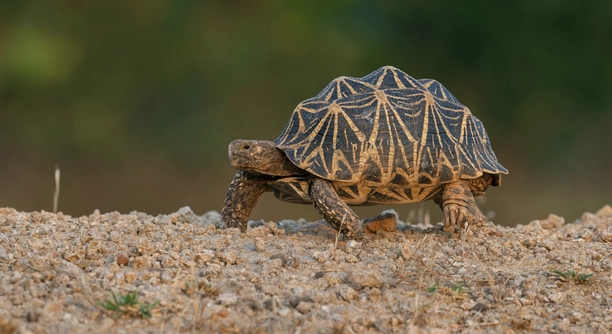
Indian Star Tortoises are popular pets due to their calm nature and unique appearance. However, just like any pet, they need regular health checks to ensure their well-being. Keeping an eye on their health is essential for a long, happy life.
There are several signs that may indicate your Indian Star Tortoise needs a health check. Symptoms such as lack of appetite, abnormal shell growth, or unusual behavior are early warning signs. Prompt attention can help prevent serious health issues from developing.
Being aware of these signs can help you take timely action. This guide will help you identify potential health concerns and what steps to take.
1. Lack of Appetite
If your Indian Star Tortoise isn’t eating like it used to, this could signal a health issue. Loss of appetite is often one of the first signs that something is wrong. It can be caused by various factors such as stress, temperature fluctuations, or even an underlying illness. When tortoises refuse food, they may be struggling with digestive issues, respiratory infections, or a poor diet.
If your tortoise is not eating for more than a few days, it’s important to address the issue as soon as possible. In the wild, they are naturally cautious about their environment, and stress can cause them to refuse food. Keep their enclosure clean and quiet, and ensure they are in the proper temperature range.
Monitor their eating habits closely. If the problem persists, it’s best to consult a veterinarian. Early intervention is essential for preventing more severe health complications and ensuring they return to their normal behavior.
2. Abnormal Shell Growth
An abnormal shell is a common sign of health issues in tortoises. Your Indian Star Tortoise’s shell should be smooth and symmetrical. If the shell begins to look misshapen or develops soft spots, it’s likely a sign of a deficiency in calcium or an infection. This condition can affect the tortoise’s overall strength and mobility.
The right diet plays a major role in shell health. If your tortoise’s diet is lacking in calcium or other essential nutrients, it can lead to deformed shell growth. Make sure their food includes a balance of leafy greens, fiber, and calcium supplements. Additionally, exposure to natural sunlight or UVB light is essential for shell development.
Tortoises with abnormal shells often need special care. You might need to adjust their diet, improve their living environment, or seek advice from a veterinarian. A healthy shell is vital for your tortoise’s protection, so take action immediately to address these concerns.
3. Unusual Behavior
Changes in behavior are another indicator that something might be wrong. Indian Star Tortoises are generally calm creatures. If your tortoise starts acting more aggressively, seems unusually lethargic, or has trouble moving, it’s time to pay attention. Stress, injury, or illness can cause changes in behavior.
Tortoises are sensitive to their environment. Anything from poor temperature regulation to a lack of privacy can affect their behavior. When stressed, tortoises may become withdrawn, refuse food, or show aggressive tendencies. They might also appear sluggish or even hide more often than usual.
If you notice any of these behavioral changes, consider examining their environment. Ensure they have enough space to roam, proper heat, and a clean living area. A veterinarian can help if there is an underlying health issue causing the behavior change.
4. Shell Rot or Soft Shell
Shell rot or a soft shell can be very harmful to your tortoise. This condition is often caused by bacteria, fungi, or poor living conditions. A soft or rotten shell is more vulnerable to injury and infection. If your tortoise has any cracks, soft areas, or discoloration on its shell, it’s important to address it immediately.
A poor diet and improper humidity levels can lead to shell rot. Keep the enclosure at the right humidity and ensure it has adequate ventilation. Make sure your tortoise is getting the right amount of calcium in its diet, as calcium helps to harden and maintain the integrity of the shell.
If your tortoise shows signs of shell rot, such as swelling, open wounds, or a soft shell, it’s crucial to act fast. Seek immediate veterinary care to prevent infection and further damage. With proper treatment and care, your tortoise can recover.
5. Respiratory Issues
Respiratory infections are common in tortoises, especially if they are exposed to improper temperatures or humidity levels. If you notice wheezing, nasal discharge, or labored breathing, it’s essential to get your tortoise checked by a vet. Respiratory issues can quickly turn serious if left untreated.
Make sure your tortoise has a proper habitat. This includes keeping their enclosure at a consistent temperature, providing UVB light, and ensuring they are not exposed to drafts or sudden temperature changes. The wrong conditions can weaken their immune system, making them more vulnerable to infections.
If your tortoise is showing signs of respiratory distress, avoid waiting. These issues often worsen quickly, and prompt treatment can make a difference. A veterinarian can provide the right diagnosis and offer treatment to get your tortoise back to good health.
6. Lethargy or Lack of Movement
Lethargy in your Indian Star Tortoise can be a sign of illness or improper living conditions. Tortoises are naturally active creatures, and a noticeable decrease in activity should not be ignored.
Several factors could be responsible for lethargy, including insufficient heat, poor diet, or stress. Make sure your tortoise’s enclosure is properly heated and provides enough space for movement. A drop in energy could also indicate dehydration, so always ensure fresh water is available. Without proper care, a lethargic tortoise can become more susceptible to further health complications, making quick action important.
If your tortoise continues to be sluggish despite adjusting its environment, consider taking it to the vet. A full health check will help determine if the lethargy is due to a medical condition. Keep a close watch on their behavior, as early detection can help avoid more severe issues later on.
7. Swollen Eyes or Discharge
Swollen or watery eyes in tortoises can point to eye infections or respiratory problems. If your Indian Star Tortoise’s eyes appear swollen, have a discharge, or are constantly closed, it is a clear indication that something is wrong.
Swelling or discharge from the eyes is often a symptom of respiratory infections, which can affect the tortoise’s overall health. These infections can be caused by poor humidity, temperature imbalances, or even stress. If left untreated, these conditions may worsen and lead to more serious problems such as pneumonia.
In this case, proper hydration and a controlled environment are essential. Ensure your tortoise’s habitat remains at an optimal temperature and humidity level to prevent respiratory infections. If the swelling persists or worsens, visit a veterinarian for a professional diagnosis and treatment. Prompt care can prevent further damage to their delicate eye tissues.
8. Difficulty in Breathing
Difficulty breathing is a clear indicator of respiratory distress in your tortoise. If you notice wheezing, open-mouth breathing, or frequent panting, it’s time to act. These symptoms usually signal an infection or environmental stress.
Poor temperature regulation or improper humidity can contribute to respiratory issues. Tortoises need warmth to stay healthy, and a drop in temperature can make them more prone to illness. To prevent this, maintain a stable, warm environment and monitor their behavior closely. If the breathing difficulties persist, seek veterinary care to prevent further complications.
9. Changes in Urination
If your Indian Star Tortoise is urinating more or less than usual, it’s a sign of a possible health issue. Abnormal urination can point to dehydration or kidney problems. Always observe your tortoise’s habits closely.
Changes in urination can also be linked to improper diet or stress. Make sure your tortoise is getting the right nutrients and hydration. Dehydration can be caused by insufficient water intake or environmental factors. If you notice changes in urination, adjust their diet and water supply, and consult a vet if the issue persists.
10. Undigested Food in Stool
Seeing undigested food in your tortoise’s stool can indicate gastrointestinal issues. If your tortoise is having trouble digesting food properly, it might be suffering from parasites, infections, or an unsuitable diet.
Undigested food is often caused by a poor diet lacking in fiber or improper temperature regulation. Ensuring the correct balance of greens and vegetables will support digestion. Also, check the temperature in their habitat to make sure they are in the right range. If the problem continues, it’s essential to seek professional care to rule out infections or digestive disorders.
FAQ
What is the ideal temperature for my Indian Star Tortoise’s habitat?
The ideal temperature for an Indian Star Tortoise’s enclosure ranges from 80-85°F (27-29°C) during the day, with a basking spot reaching up to 90°F (32°C). At night, temperatures should drop slightly but remain above 70°F (21°C). Maintaining a steady temperature ensures your tortoise stays healthy and active. Avoid sudden temperature fluctuations, as they can stress your tortoise and affect its immune system.
How much should I feed my Indian Star Tortoise?
Indian Star Tortoises are herbivores and should be fed a variety of leafy greens, grasses, and flowers. Offer them a daily serving of food that is roughly the size of their shell. It’s essential to avoid feeding them high-protein foods, as this can lead to kidney problems. A balanced diet, rich in fiber, will help prevent obesity and support healthy digestion.
Can my tortoise eat fruits?
Yes, but fruits should be offered in moderation. While fruits are a natural food source for tortoises in the wild, they are high in sugar. Too much fruit can cause digestive problems or obesity. Offer fruits as a treat once or twice a week, ensuring that the majority of their diet consists of leafy greens and grasses.
How can I tell if my tortoise is dehydrated?
Signs of dehydration include dry or sunken eyes, lethargy, and a decrease in appetite. If your tortoise isn’t drinking enough water, provide fresh water daily and encourage hydration by soaking them in lukewarm water for 20-30 minutes a few times a week. Ensuring proper humidity levels in their habitat also aids in hydration.
What is the best type of substrate for my Indian Star Tortoise?
The best substrate for your tortoise is something that mimics its natural environment while being safe for it to walk on. A mixture of organic soil, coconut coir, and sand works well. It allows for burrowing and is easy to clean. Avoid using cedar or pine shavings, as they can cause respiratory issues.
How do I handle a sick tortoise?
If your tortoise shows signs of illness, such as changes in appetite, lethargy, or abnormal behavior, it’s best to consult a veterinarian. A professional will be able to diagnose the issue and recommend treatment. Never self-medicate, as this could make the condition worse. Keep your tortoise’s habitat clean and maintain proper temperature and humidity levels to help prevent illnesses.
Can I keep more than one Indian Star Tortoise together?
Indian Star Tortoises are generally solitary animals, and while they can sometimes live together peacefully, it’s important to monitor their behavior. In some cases, they may become territorial or aggressive. Make sure they each have enough space and that their habitat is large enough to accommodate multiple tortoises without causing stress.
How often should I clean my tortoise’s enclosure?
Cleaning your tortoise’s enclosure is essential for maintaining a healthy environment. Remove uneaten food and waste daily, and disinfect the enclosure weekly. Spot cleaning between weekly deep cleans will prevent the buildup of harmful bacteria and ensure your tortoise stays in a safe, sanitary environment.
What should I do if my tortoise refuses to eat?
If your tortoise stops eating, it could be a sign of stress, illness, or an improper environment. Check the temperature and humidity levels in the enclosure, as discomfort from an unsuitable habitat can cause loss of appetite. If these conditions are correct and the problem persists for more than a few days, consult a veterinarian.
How do I provide UVB light for my Indian Star Tortoise?
UVB lighting is crucial for your tortoise’s health as it helps them produce vitamin D3, which is necessary for calcium absorption. Use a UVB bulb specifically designed for reptiles, and ensure the light is within 12-18 inches of your tortoise’s basking area. Replace the bulb every 6-12 months, as UVB output decreases over time.
Can my tortoise hibernate?
Indian Star Tortoises can enter a form of dormancy in colder months, but they do not hibernate in the same way as some other reptiles. If the temperature drops too much, they may become less active. Ensure your tortoise stays in a warm environment during the colder months to prevent health issues related to hibernation. Never allow your tortoise to cool down too much, as this can lead to fatal consequences.
Why does my tortoise hide in its shell?
Hiding in their shell is a natural defense mechanism for tortoises. If they feel threatened or stressed, they will withdraw into their shell for protection. However, excessive hiding can also indicate illness, so keep an eye on their behavior. If hiding persists for an extended period, consider consulting a veterinarian.
How can I tell if my tortoise is overweight?
You can tell if your tortoise is overweight by checking for a rounded or bloated appearance, especially around the limbs or shell. Overfeeding and a lack of exercise are common causes of obesity. Offer a balanced diet and ensure your tortoise has enough space to move around and stay active.
What are the common health problems in Indian Star Tortoises?
Common health problems include respiratory infections, shell rot, and gastrointestinal issues. To prevent these problems, maintain proper humidity and temperature levels in your tortoise’s enclosure, feed a balanced diet, and regularly check for signs of illness. Early intervention can help prevent more serious complications down the road.
Final Thoughts
Taking care of an Indian Star Tortoise requires attention, patience, and knowledge. These tortoises are unique in their care needs and can thrive with the right environment. Ensuring a proper habitat with the correct temperature, humidity, and substrate is key to their well-being. Their diet should consist of fresh, high-fiber plants, and they need to be kept hydrated. Regular monitoring of their health is also essential, as early detection of any issues can help prevent serious complications.
Regular vet visits can be beneficial in maintaining your tortoise’s health. A veterinarian can help with diagnosing potential health problems, provide advice on diet, and guide you in creating the best living conditions for your tortoise. Maintaining a clean enclosure and monitoring their behavior for any changes is important. Watch for signs such as changes in appetite, abnormal behavior, or difficulty breathing, which can indicate health concerns.
Indian Star Tortoises make wonderful pets for those who are willing to invest the time to meet their needs. They are long-living creatures, often living for decades with proper care. Understanding their natural behaviors, such as their solitary nature, can help in providing the most comfortable and appropriate environment. By following the guidelines for their care, you ensure that your tortoise will have a long, healthy, and happy life.

Hello,
If you enjoy the content that we create, please consider saying a "Thank You!" by leaving a tip.
Every little bit helps us continue crafting quality advice that supports the health, happiness, and well-being of pets around the world, for pets of all shapes, sizes, and species.
We really appreciate the kindness and support that you show us!