
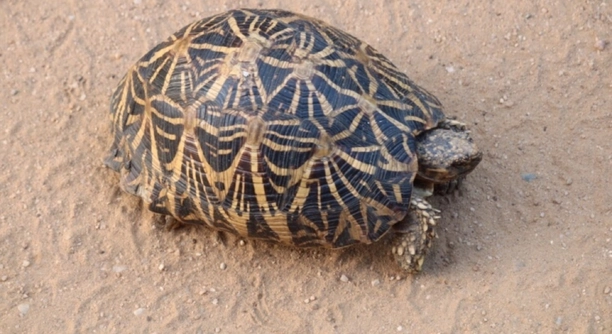
Are your Indian star tortoises showing signs of illness, leaving you worried about their well-being? Proper care and prevention play a crucial role in keeping these beautiful creatures healthy and free from common diseases that can impact their quality of life.
The best way to avoid common diseases in Indian star tortoises is to maintain a clean habitat, provide a balanced diet, and ensure proper humidity levels. Regular veterinary check-ups and monitoring their behavior help prevent infections and serious health issues.
Understanding the key factors that contribute to disease prevention will help you create a safe and healthy environment for your tortoise. From nutrition to hygiene, these practical tips will support their overall well-being.
Importance of a Clean Habitat
A clean habitat is essential for keeping your Indian star tortoise healthy. Dirty enclosures can lead to bacterial infections, respiratory issues, and shell rot. Regular cleaning helps prevent harmful germs from spreading. Replace bedding frequently and remove uneaten food to keep the enclosure fresh. Using a safe disinfectant once a week can reduce the risk of infections. Good ventilation is also important, as stagnant air can cause respiratory problems. Ensure that your tortoise has access to clean, fresh water at all times. Providing a separate area for eating can help reduce mess and bacteria buildup.
A well-maintained habitat supports your tortoise’s immune system. It also creates a more comfortable and stress-free living space. Keeping their environment clean reduces the risk of parasites and fungal infections.
A healthy tortoise starts with a clean and safe enclosure. By following simple cleaning routines, you can help prevent common diseases and keep your pet thriving.
Proper Diet for Disease Prevention
A well-balanced diet plays a key role in keeping your tortoise free from disease. Malnutrition can weaken their immune system, making them more vulnerable to infections and digestive issues.
Indian star tortoises need a diet rich in fiber and low in protein. Feeding them a variety of leafy greens, such as collard greens, dandelion leaves, and hibiscus flowers, helps provide essential nutrients. Avoid high-protein foods, as they can cause kidney problems. Hydration is also important, so offer fresh water daily. Occasionally, providing foods with natural calcium, like cuttlebone or calcium powder, supports strong shell development. Overfeeding or offering too many fruits can lead to digestive problems, so keep portions balanced.
Feeding your tortoise the right foods ensures they stay strong and healthy. Paying attention to their diet can help prevent many common health issues, keeping them active and happy.
Importance of Proper Humidity
Keeping the right humidity level is important for your tortoise’s health. Low humidity can cause dehydration and shell pyramiding, while high humidity can lead to respiratory infections. Maintaining a humidity level between 60-80% helps prevent these issues and keeps your tortoise comfortable.
Misting the enclosure daily and providing a humid hide can help maintain proper humidity. Using a hygrometer allows you to monitor levels accurately. If the air is too dry, adding damp sphagnum moss or a shallow water dish can help. In overly humid conditions, improve ventilation and reduce excess moisture. Proper humidity supports healthy shell growth and prevents respiratory problems.
Neglecting humidity can lead to serious health problems. A balanced level keeps your tortoise hydrated and promotes proper development. Small changes in their environment, like misting or adjusting airflow, can make a big difference in preventing disease.
Preventing Parasites and Infections
Parasites can weaken your tortoise and cause digestive issues. Regularly checking their stool and keeping their enclosure clean helps prevent infestations. Providing fresh food and avoiding wild plants reduces the risk of internal parasites. A vet visit once a year ensures early detection of any hidden issues.
External parasites, like mites and ticks, can also affect your tortoise’s health. Inspect their skin and shell for small moving dots or irritation. If you notice any, gently remove them with a damp cloth or seek veterinary care. Keeping their enclosure dry and clean helps prevent mites from spreading. Bathing your tortoise occasionally can wash away dirt and pests.
A healthy tortoise requires careful monitoring and proper hygiene. Spotting signs of parasites early can prevent serious complications. Simple steps, like regular cleaning and vet check-ups, go a long way in keeping them disease-free.
Importance of UVB Lighting
UVB lighting is essential for your tortoise’s health. Without it, they can develop metabolic bone disease, leading to weak bones and deformities. A UVB bulb should be on for 10-12 hours daily to support proper calcium absorption and shell strength.
Replace UVB bulbs every six months, as their effectiveness fades over time. Position the light at the right distance, following the manufacturer’s guidelines. Combining UVB exposure with a calcium-rich diet ensures strong bones and prevents serious health problems.
Recognizing Early Signs of Illness
Changes in appetite, lethargy, swollen eyes, or irregular bowel movements can indicate illness. Breathing difficulties or nasal discharge may signal a respiratory infection. Shell softness or unusual spots could be signs of a nutritional deficiency or fungal infection. Acting quickly can prevent worsening conditions and ensure timely treatment.
Safe Handling Practices
Handling your tortoise too often can cause stress. Always support their body properly and avoid sudden movements. Wash your hands before and after handling to prevent spreading bacteria.
FAQ
How often should I clean my tortoise’s enclosure?
A full cleaning should be done once a week, with spot cleaning every day. Remove uneaten food, waste, and soiled bedding to prevent bacteria buildup. Deep cleaning with a reptile-safe disinfectant helps reduce disease risks and keeps the enclosure fresh.
What temperature should the enclosure be?
The basking area should be between 90-95°F, while the cooler side should stay around 75-80°F. Nighttime temperatures can drop to 70°F but should not go lower. Using a thermostat-controlled heat source helps maintain stable temperatures for your tortoise’s health.
Can Indian star tortoises eat fruit?
Fruits should be given in very small amounts or avoided altogether. They have high sugar content, which can cause digestive issues. A diet focused on leafy greens and fibrous plants is best for their overall health and prevents stomach problems.
How do I know if my tortoise is dehydrated?
Sunken eyes, dry skin, and lack of energy can indicate dehydration. Soaking your tortoise in shallow, lukewarm water for 15-20 minutes a few times a week helps keep them hydrated. Ensuring they always have access to clean drinking water is also important.
Why is my tortoise’s shell turning soft?
A soft shell often means calcium deficiency or lack of UVB exposure. Providing calcium supplements and ensuring daily UVB lighting helps maintain a strong shell. If the shell continues to soften, consult a vet to rule out metabolic bone disease.
What are signs of respiratory infections in tortoises?
Wheezing, open-mouth breathing, nasal discharge, and lack of appetite are common signs. Keeping their habitat warm and humidity levels stable helps prevent respiratory issues. If symptoms persist, a vet visit is necessary for antibiotics or further treatment.
Can tortoises live together?
Keeping multiple tortoises together can lead to stress, competition for food, and bullying. Indian star tortoises are best housed separately unless you have a very large space with multiple hiding spots and food sources to reduce aggression.
How long do Indian star tortoises live?
With proper care, they can live for 30-50 years or more. A balanced diet, clean habitat, and regular vet check-ups help ensure a long and healthy life. Tortoises are a long-term commitment, requiring consistent care throughout their lifespan.
Why is my tortoise not eating?
Loss of appetite can be caused by stress, improper temperatures, illness, or dietary imbalances. Ensure their habitat is at the correct temperature and humidity levels. If they refuse food for several days, a vet check-up may be needed to rule out health issues.
Do Indian star tortoises need a water dish?
Yes, they need a shallow water dish for drinking and soaking. Keeping fresh water available at all times helps with hydration and prevents kidney problems. Make sure the dish is easy to access and cleaned regularly to avoid bacterial growth.
How can I tell if my tortoise is stressed?
Hiding excessively, refusing food, and pacing are signs of stress. Loud noises, excessive handling, or a small enclosure can contribute to anxiety. Providing a quiet, spacious environment with plenty of hiding spots can help them feel secure.
What substrate is best for their enclosure?
A mix of coconut coir, cypress mulch, and soil works well for maintaining proper humidity. Avoid sand, as it can cause impaction if ingested. The substrate should be deep enough for burrowing and replaced regularly to keep it clean.
Can Indian star tortoises be kept outdoors?
If temperatures and humidity levels are suitable, they can be housed outdoors in a secure enclosure. Protection from predators and extreme weather is necessary. Outdoor setups allow for natural sunlight exposure, which benefits their overall health.
What should I do if my tortoise has parasites?
Signs of parasites include weight loss, irregular stool, and lack of energy. A vet can perform a fecal test to confirm the presence of parasites. Regular enclosure cleaning and avoiding contaminated food help prevent infestations. Medication may be needed for treatment.
Final Thoughts
Caring for an Indian star tortoise requires attention to detail, but small efforts can make a big difference in their health. A clean habitat, proper diet, and the right humidity levels help prevent common diseases. Providing UVB lighting and maintaining stable temperatures ensure strong bones and a healthy shell. Regular check-ups and observing their behavior can help catch early signs of illness before they become serious. Preventing diseases is easier than treating them, so consistency in their care routine is important.
Tortoises thrive in a calm and stable environment. Sudden changes in diet, temperature, or handling can cause stress, leading to health problems. Keeping their habitat quiet and secure allows them to feel safe. Avoid overcrowding, as they prefer their own space. A balanced routine with proper feeding, hydration, and environmental control helps them live a long and comfortable life. Providing a safe and natural setting ensures their physical and mental well-being.
Taking care of an Indian star tortoise is a long-term commitment. With the right approach, they can live for several decades. Learning about their needs and adjusting their care as they grow helps them stay healthy. Each tortoise is unique, and understanding their behavior helps you provide the best care. A little effort each day goes a long way in keeping them happy and disease-free.

Hello,
If you enjoy the content that we create, please consider saying a "Thank You!" by leaving a tip.
Every little bit helps us continue crafting quality advice that supports the health, happiness, and well-being of pets around the world, for pets of all shapes, sizes, and species.
We really appreciate the kindness and support that you show us!