
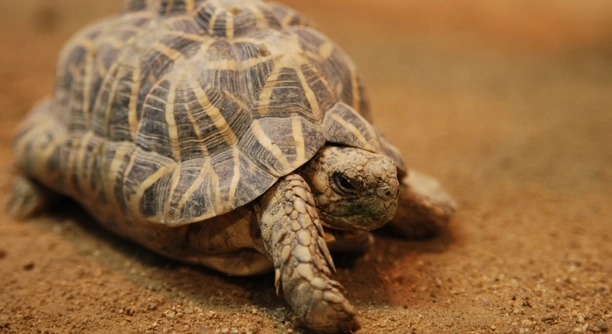
Indian Star Tortoises are known for their striking appearance and gentle nature. However, egg binding can become a serious concern for these reptiles, posing a threat to their health. Understanding how to prevent it is vital.
Egg binding occurs when a female tortoise is unable to pass her eggs. Preventing egg binding involves proper diet, hydration, exercise, and maintaining a suitable temperature and humidity in their habitat. These measures support healthy reproductive function in tortoises.
By making small adjustments, you can help keep your tortoise healthy and prevent this potentially life-threatening issue. The following tips will guide you through the best preventive measures.
Proper Diet and Hydration
A balanced diet is crucial for preventing egg binding in Indian Star Tortoises. They need a high-fiber diet that includes leafy greens, grasses, and vegetables. Avoid offering too many high-protein foods, as this can cause issues in their reproductive system. Proper hydration is equally important. When tortoises are dehydrated, their ability to pass eggs becomes compromised. Ensure fresh water is always available, and consider misting their environment to maintain optimal humidity levels. Regular meals with varied nutrients are essential for their overall well-being.
Dietary adjustments can make a significant difference in egg-laying success. A well-fed tortoise with access to fresh water is less likely to experience issues with egg binding. Keep track of the food and water intake to ensure they are receiving enough to maintain proper hydration.
Additionally, ensuring that your tortoise has access to appropriate calcium levels will support egg development. Calcium-rich foods such as cuttlebone and calcium supplements help prevent shell deformities and support proper egg formation.
Temperature and Humidity Control
Temperature and humidity play a large role in preventing egg binding in Indian Star Tortoises. The enclosure must be kept warm, with a temperature range of 85-90°F (29-32°C) during the day. At night, the temperature can drop to around 70°F (21°C). Tortoises need a basking spot with a heat source, such as a lamp, to regulate their body temperature. Inadequate temperature can cause stress, making it difficult for the tortoise to lay eggs. Maintaining the right conditions will help support a successful reproductive process.
Maintaining proper humidity is just as important. The ideal humidity level should be between 50-70%. You can achieve this by misting their enclosure regularly, or using a humidity gauge to ensure accurate readings. This helps the tortoise stay hydrated and makes it easier for her to pass eggs when necessary.
By monitoring these factors closely, you can create a comfortable environment for your tortoise to thrive in. Consistent care in these areas ensures the tortoise remains healthy and avoids complications.
Regular Exercise and Space to Roam
Exercise is important for preventing egg binding, as it helps keep the tortoise’s muscles active and strong. Allow your tortoise to roam freely in a spacious enclosure. This encourages physical activity, which promotes overall health and supports reproductive functions.
A lack of exercise can lead to weakened muscles, making it difficult for the tortoise to pass eggs. Regular movement helps keep the muscles that aid in egg-laying toned and prepared. Providing a spacious enclosure or allowing supervised outdoor time will help encourage movement and reduce the risk of egg binding.
In addition, exercise helps maintain a healthy weight, which is also crucial in supporting reproductive health. Overweight tortoises may face difficulties when it comes to laying eggs, and exercise can help maintain an ideal weight. This simple step can make a big difference in preventing complications during the egg-laying process.
Observation and Veterinary Care
Regular observation is essential to catch any signs of egg binding early. If your tortoise seems lethargic, is not eating, or shows signs of discomfort, it may be a sign that egg binding is a concern. Keeping an eye on your tortoise’s behavior allows you to act promptly.
Veterinary care plays a key role in preventing egg binding. A reptile vet can perform regular check-ups to ensure your tortoise’s reproductive health is in good condition. If any issues are spotted, such as retained eggs or signs of discomfort, early intervention can prevent the condition from worsening. Regular vet visits can also help with diet advice, habitat recommendations, and ensuring your tortoise stays in optimal health.
Suitable Nesting Area
Providing a suitable nesting area is essential for preventing egg binding. Tortoises need a space where they can dig and lay eggs naturally. This space should be spacious, soft, and made of a loose substrate like soil or sand.
The nesting area should be deep enough for your tortoise to dig a hole and deposit her eggs. A shallow or compacted substrate will prevent the tortoise from finding an appropriate spot to lay her eggs, leading to possible complications. Ensure the area is clean and dry, and monitor it regularly to maintain ideal conditions.
Environmental Stability
A stable environment is key to ensuring your tortoise’s well-being. Changes in temperature, humidity, or lighting can disrupt their natural reproductive cycles. It’s crucial to avoid sudden shifts that could stress the tortoise, leading to egg-laying difficulties.
Stability can be achieved by ensuring consistent environmental factors. Use timers for lights to regulate day and night cycles. Keep temperature and humidity levels consistent to ensure the tortoise’s comfort. A stable, predictable habitat helps the tortoise maintain a regular egg-laying routine, reducing the risk of egg binding.
Stress Reduction
Stress can cause reproductive issues in tortoises. Reducing stress is essential for egg-laying success. Factors such as overcrowding, loud noises, or the presence of predators can cause significant stress and prevent your tortoise from laying eggs properly.
Create a calm, quiet space for your tortoise to rest and move around. Limit the number of visitors or other animals in the area. Avoid handling the tortoise too much, especially during the breeding season. Reducing stress will help ensure the tortoise is comfortable and able to lay her eggs naturally.
FAQ
What is egg binding in Indian Star Tortoises?
Egg binding occurs when a female tortoise is unable to pass her eggs. This condition can lead to serious health problems and, in some cases, be life-threatening. The eggs become stuck inside the reproductive tract, which may cause discomfort, lethargy, or even organ damage if left untreated. It’s crucial to identify the early signs of egg binding to ensure prompt medical care.
How can I tell if my tortoise is experiencing egg binding?
Signs of egg binding include lack of appetite, lethargy, unusual behavior, and straining to pass eggs. You may also notice that your tortoise is trying to dig but unable to lay eggs. If you observe any of these symptoms, it’s important to seek veterinary help as soon as possible. A reptile vet can perform an examination and determine whether your tortoise is facing egg binding.
Can egg binding be prevented?
Yes, egg binding can be prevented with proper care. Ensuring a balanced diet, providing a spacious and suitable nesting area, and maintaining ideal temperature and humidity levels are all crucial factors. Regular exercise and reducing stress also contribute to the overall health of your tortoise, lowering the risk of egg binding. Preventing dehydration and keeping track of her reproductive cycle will support healthy egg-laying.
What is the best nesting area for a tortoise?
A proper nesting area is crucial for your tortoise to lay eggs naturally. It should be spacious enough for her to move around, dig, and create a burrow. The substrate should be loose, such as soil or sand, allowing her to easily dig a hole. The area should also be kept clean and dry to prevent any infections.
How can I provide the right temperature for my tortoise?
Indian Star Tortoises require a daytime temperature range of 85-90°F (29-32°C) and a nighttime temperature of around 70°F (21°C). You can achieve this by using heat lamps or ceramic heaters, ensuring that the basking spot is warmer than the rest of the enclosure. A reliable thermometer is necessary to monitor these conditions accurately.
What role does humidity play in egg-laying?
Humidity plays an essential role in your tortoise’s overall health and ability to lay eggs. The ideal humidity level should be between 50-70%. Insufficient humidity can lead to dehydration, making it more difficult for your tortoise to pass eggs. Regular misting or humidity gauges can help maintain the correct moisture levels in the enclosure, which supports egg-laying.
How can I encourage my tortoise to exercise?
Allowing your tortoise ample space to roam freely is one of the best ways to encourage exercise. Provide a large, safe enclosure or take her outside to explore. Tortoises naturally enjoy walking and foraging, so creating an environment with various obstacles and hiding spots will stimulate movement. Regular exercise supports muscle tone, which is essential for egg-laying.
Is calcium important for egg production?
Yes, calcium is vital for healthy egg production. Tortoises need sufficient calcium to build strong eggshells and avoid issues like soft or malformed eggs. Offer calcium-rich foods like leafy greens and cuttlebone. You can also supplement with calcium powder, especially during the breeding season. A calcium deficiency can lead to egg binding and other health issues.
What can I do if my tortoise is stressed?
Stress can prevent your tortoise from laying eggs properly. To reduce stress, ensure her environment is calm and free from loud noises or sudden changes. Avoid overcrowding the enclosure and provide plenty of hiding spots to make her feel safe. Minimize handling during the breeding season, and ensure she has time to relax and acclimate to her surroundings.
When should I seek veterinary help for egg binding?
If your tortoise shows signs of discomfort, is unable to lay eggs, or appears lethargic, you should contact a vet immediately. A reptile vet will be able to assess her condition, perform any necessary diagnostic tests, and provide treatment options. Early intervention can make a significant difference in preventing long-term health problems related to egg binding.
Can egg binding be treated?
Egg binding can often be treated if caught early. Treatment may involve gentle physical manipulation to help pass the eggs or, in more severe cases, surgery. A veterinarian may also recommend hormonal therapy or injections to stimulate egg-laying. The earlier the condition is addressed, the higher the chances of recovery.
How often do Indian Star Tortoises lay eggs?
Indian Star Tortoises typically lay eggs once or twice a year. The frequency can depend on factors such as age, health, diet, and environmental conditions. Younger or older tortoises may lay fewer eggs, while well-maintained tortoises in optimal conditions may lay eggs more regularly. Proper care is important to support a healthy egg-laying cycle.
Can egg binding happen in tortoises that are not breeding?
Egg binding can occur in female tortoises that have not mated. Even without mating, a tortoise’s reproductive system may still produce eggs. If these eggs are not laid, they can become bound. This makes it even more important to monitor a female tortoise’s behavior and provide the right care, whether or not she is breeding.
Final Thoughts
Taking proper care of your Indian Star Tortoise is essential for preventing egg binding and ensuring her overall well-being. This species requires a carefully regulated environment, including proper temperature, humidity, and nesting areas. By providing the right conditions, you help her stay healthy and reduce the risk of complications when laying eggs. Regular monitoring and maintaining a stable, stress-free environment can support her reproductive health and prevent egg binding from becoming a serious issue.
Nutrition plays a significant role in your tortoise’s health. A balanced diet with sufficient calcium is crucial for egg production and overall bone health. Ensuring your tortoise has access to the right foods, such as leafy greens and vegetables, as well as calcium supplements, will support her reproductive system. Dehydration and nutrient deficiencies can complicate egg-laying, so a proper diet can help prevent egg binding before it even starts. Stress reduction is also important, as an anxious or uncomfortable tortoise is less likely to lay eggs properly.
In the end, creating an optimal living environment for your tortoise and providing the right care is key. If egg binding does occur, early detection and veterinary care can make a significant difference. Keeping an eye on her behavior, diet, and living conditions will help catch any issues before they become serious. By being proactive in your care, you can ensure that your Indian Star Tortoise stays healthy and happy, laying eggs naturally and without complications.

Hello,
If you enjoy the content that we create, please consider saying a "Thank You!" by leaving a tip.
Every little bit helps us continue crafting quality advice that supports the health, happiness, and well-being of pets around the world, for pets of all shapes, sizes, and species.
We really appreciate the kindness and support that you show us!