
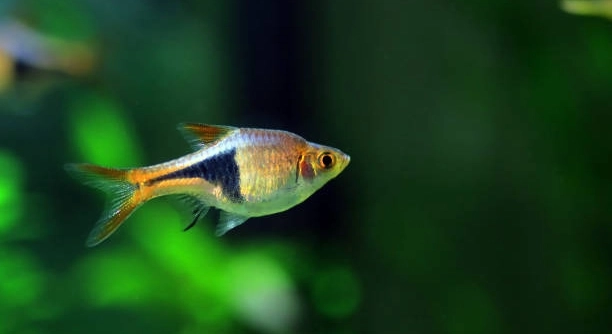
Adding Rasboras to a planted tank can bring a lively and colorful touch to your aquarium. These small, peaceful fish are popular among hobbyists for their gentle nature and schooling behavior. Their presence often enhances the tank’s overall harmony.
The proper method for introducing Rasboras to a planted tank involves gradually acclimating them to the water conditions. Carefully monitor temperature, pH, and water hardness, while ensuring the plants provide sufficient cover, to reduce stress and promote healthy adaptation.
Learning how to successfully add Rasboras ensures they thrive and interact well within your planted environment. Following these steps can improve both fish health and tank aesthetics.
Preparing Your Planted Tank
Before adding Rasboras, ensure your planted tank is fully cycled and stable. Healthy plants provide hiding spots and mimic the fish’s natural habitat, reducing stress. Check water parameters carefully, focusing on temperature, pH, and hardness. A well-planted tank not only improves water quality but also offers comfort and security for Rasboras. Consider adding floating plants and dense foliage where they can school safely. Lighting should be moderate, as too strong light can increase algae growth and stress the fish. Remove debris and perform a partial water change to ensure optimal conditions. It’s important to observe your tank for a few days before introducing new fish to confirm stability. A clean substrate and functioning filter contribute to a balanced environment. Avoid overcrowding and introduce Rasboras in small groups to allow them to acclimate gradually. Consistency in care is key for establishing a healthy, peaceful aquarium environment that supports both plants and fish.
Starting with proper preparation sets the stage for successful fish introduction and long-term tank health.
Proper planning ensures your Rasboras settle quickly and maintain their natural behavior in a safe environment.
Acclimating Rasboras to Your Tank
Acclimation reduces stress and improves survival rates when introducing Rasboras.
The most effective way to acclimate Rasboras is the drip method. Begin by floating the sealed bag in the tank for 15-20 minutes to equalize temperature. Next, slowly add small amounts of tank water into the bag every 5-10 minutes over an hour. Avoid pouring the fish directly into the tank water immediately, as sudden changes in pH or temperature can be harmful. Monitor their behavior closely during this process. After acclimation, gently release the fish into the tank using a net rather than emptying the bag completely, minimizing exposure to potential contaminants. Observe them for the first 24 hours to ensure they are adjusting properly and eating normally. Proper acclimation helps Rasboras display their natural schooling behavior and interact peacefully with tank mates. Regularly check water parameters and maintain a consistent routine to support their health and comfort.
Feeding Rasboras in a Planted Tank
Rasboras thrive on small, frequent feedings. Offer a mix of high-quality flakes, micro-pellets, and occasional frozen or live foods. Avoid overfeeding, as leftover food can harm water quality and stress the fish.
A balanced diet supports vibrant colors and healthy growth. Feed Rasboras once or twice daily in small amounts they can consume within two minutes. Rotate food types to provide essential nutrients and prevent dietary deficiencies. Live or frozen options like daphnia, brine shrimp, or bloodworms enhance protein intake and encourage natural hunting behaviors. Avoid feeding large flakes that may be difficult for small Rasboras to eat. Observing their feeding patterns helps gauge overall health and activity. Uneaten food should be removed promptly to maintain clean water and prevent algae growth. Consistent feeding routines reduce stress and improve schooling behavior, helping Rasboras feel secure and comfortable in a planted tank environment.
Providing proper nutrition strengthens immune systems and promotes longer lifespan. A varied diet encourages active, social behavior among tank mates.
Monitoring Water Quality
Maintaining stable water conditions is essential for Rasboras’ health. Test pH, temperature, and hardness regularly to prevent sudden fluctuations that can stress the fish.
Temperature should remain between 72-79°F, with pH around 6.5-7.5. Regular water changes of 20-25% weekly help maintain cleanliness. Filters should run efficiently without creating strong currents that disturb plants or fish. Observing water clarity, ammonia, nitrite, and nitrate levels is critical to prevent disease. Remove decaying plant matter promptly, as it can impact water chemistry. A consistent routine of testing and maintenance helps Rasboras adapt well and remain active.
Consistency ensures Rasboras thrive in a planted tank. Regular monitoring prevents stress-related issues and supports a balanced aquatic environment. Proper care maintains stable conditions, encouraging schooling behavior and reducing risk of illness. Paying attention to both chemical and physical parameters fosters a healthy ecosystem for fish and plants alike. Clean, stable water allows Rasboras to display natural colors and behaviors, enhancing tank aesthetics and overall harmony. Observing subtle changes in fish activity can indicate water quality shifts, allowing timely adjustments to keep the environment optimal.
Choosing Tank Mates
Rasboras are peaceful and do best with other small, non-aggressive fish. Avoid large or territorial species that may bully or stress them.
Compatible tank mates include small tetras, guppies, and corydoras. Keep them in groups of at least six to support natural schooling behavior and reduce stress.
Maintaining Plant Health
Healthy plants are crucial for water quality and fish comfort. Trim dead leaves regularly and provide appropriate lighting and nutrients. Dense foliage creates hiding spots, helping Rasboras feel secure while exploring the tank freely.
Observing Behavior
Regularly watch Rasboras for signs of stress or illness. Sudden changes in activity or schooling patterns may indicate water or health issues.
Preventing Disease
Quarantine new fish before adding them to the tank. This reduces the risk of introducing pathogens and helps maintain a healthy, balanced environment for all inhabitants.
FAQ
How many Rasboras should I keep in a planted tank?
Rasboras are schooling fish and feel safest in groups. A minimum of six is recommended, though more will enhance their natural behavior and overall activity. Keeping them in small groups may cause stress, hiding, or aggressive tendencies. For a 20-gallon tank, 8-10 Rasboras are ideal. Larger tanks can support bigger schools, which adds movement and vibrancy. A well-sized group helps reduce territorial disputes and encourages social interaction, making your planted tank more lively and balanced.
What temperature is best for Rasboras?
Rasboras thrive in tropical water. Maintain a temperature between 72-79°F consistently. Sudden temperature changes can stress them, suppress their immune system, and lead to illness. Use a reliable aquarium heater and thermometer to monitor water. Avoid placing the tank near windows or drafts that could cause fluctuations. A stable temperature supports normal feeding, active schooling, and breeding behavior.
Can Rasboras live with other fish?
Yes, Rasboras are peaceful and compatible with small, non-aggressive species. Tetras, guppies, and small catfish are good options. Avoid large, territorial, or aggressive fish that may chase or harm them. Monitor interactions initially to ensure harmony. Providing dense plants and hiding spaces reduces stress and encourages coexistence.
What should I feed Rasboras?
Rasboras eat small flakes, micro-pellets, and occasional frozen or live foods like daphnia or brine shrimp. Feed once or twice daily, giving only what they can consume in two minutes. Remove uneaten food to prevent water pollution. A varied diet promotes color, growth, and natural behavior.
How do I acclimate new Rasboras?
Use the drip or floating bag method to gradually introduce them to the tank. Equalize temperature first, then slowly mix small amounts of tank water into the bag over 60 minutes. Gently release fish using a net to avoid introducing contaminants. Observing their first hours helps ensure proper adjustment.
What water parameters are ideal?
Rasboras prefer slightly acidic to neutral water, pH 6.5-7.5, and soft to moderately hard water. Regular testing of ammonia, nitrite, and nitrate levels is crucial. Weekly partial water changes of 20-25% maintain stability. Stable parameters reduce stress, illness, and improve overall vitality in a planted tank.
How do I know if my Rasboras are healthy?
Healthy Rasboras are active, schooling, and have vibrant coloration. Loss of color, clamped fins, or erratic swimming may indicate stress or disease. Observe their feeding behavior and general activity daily. Promptly address water quality or health issues to prevent illness from spreading.
Can Rasboras breed in a planted tank?
Yes, if conditions are right. Provide fine-leaved plants for egg-laying and stable water parameters. Separate breeding pairs if possible to prevent adults from eating eggs. Feed high-protein foods to encourage spawning. Fry should be fed infusoria or micro-food until large enough for normal diet.
How often should I perform water changes?
Weekly partial water changes of 20-25% maintain clean and stable conditions. Remove debris and vacuum substrate as needed. Frequent maintenance prevents ammonia spikes, promotes plant health, and supports overall fish well-being.
What are common signs of stress in Rasboras?
Stress can appear as hiding, loss of appetite, faded colors, or erratic swimming. Causes include poor water quality, sudden temperature changes, or aggressive tank mates. Correcting water parameters, adding hiding spots, and maintaining proper group sizes reduces stress and supports natural behavior.
Final Thoughts
Adding Rasboras to a planted tank can greatly enhance its visual appeal and create a peaceful, active environment. These small, colorful fish are ideal for aquariums with lush plants, as they thrive in secure spaces with plenty of hiding spots. Proper planning and preparation are essential before introducing them to the tank. Ensuring that the tank is fully cycled and the water parameters are stable will help prevent stress and promote healthy adaptation. Plants not only improve water quality but also provide areas where Rasboras can school comfortably. Floating plants or dense foliage allow them to feel safe, reducing the risk of hiding or erratic swimming caused by sudden changes in their surroundings. Maintaining moderate lighting, a clean substrate, and a functioning filter will create a balanced ecosystem that supports both plant and fish health.
Feeding and acclimation are key factors in keeping Rasboras healthy. Offering a varied diet of flakes, micro-pellets, and occasional live or frozen foods provides the nutrients necessary for vibrant coloration and active behavior. Small, frequent feedings are better than large meals, as uneaten food can affect water quality. Introducing new fish slowly, using methods like the drip or floating bag method, helps them adjust to differences in temperature and pH. Observing their behavior during the first hours and days allows you to identify stress or discomfort early. Proper acclimation also reduces the risk of disease and helps Rasboras display natural schooling patterns. Consistency in feeding routines and careful observation ensures that they remain active, healthy, and socially engaged in the tank.
Maintaining a planted tank with Rasboras requires ongoing attention to water quality, plant health, and tank balance. Regular testing for pH, temperature, ammonia, nitrite, and nitrate levels prevents problems before they affect the fish. Weekly partial water changes, removing decaying plant matter, and trimming leaves will keep the environment clean and stable. Choosing suitable tank mates and maintaining group sizes of six or more supports natural social behavior and minimizes stress. Paying attention to subtle changes in activity, coloration, and feeding behavior allows for timely adjustments. With careful planning and consistent care, Rasboras can thrive in a planted tank, adding movement, color, and harmony while creating a healthy and visually appealing aquarium ecosystem.

Hello,
If you enjoy the content that we create, please consider saying a "Thank You!" by leaving a tip.
Every little bit helps us continue crafting quality advice that supports the health, happiness, and well-being of pets around the world, for pets of all shapes, sizes, and species.
We really appreciate the kindness and support that you show us!