
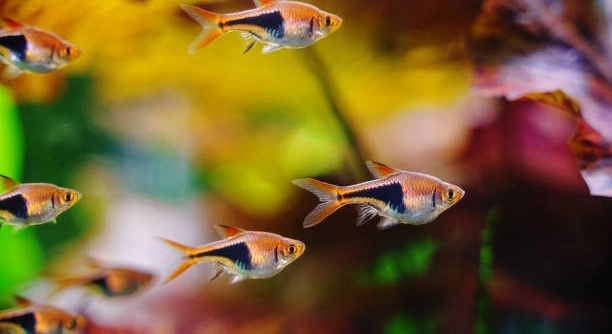
Keeping a community of rasboras calm and harmonious can feel tricky at first. Their small size and active nature make it important to provide the right environment and care for them to thrive peacefully.
Ensuring a peaceful rasbora community involves proper tank size, water conditions, compatible tank mates, hiding spaces, balanced feeding, gentle handling, and regular monitoring. Each factor contributes to reducing stress and aggressive behavior among the fish.
These practical steps will help you maintain a calm and healthy environment for your rasboras to flourish together.
Choosing the Right Tank Size
A spacious tank is essential for rasboras to feel comfortable and reduce stress. Small tanks make fish more prone to aggression and limit swimming space, which can affect their health. I found that starting with at least a 20-gallon tank for a small group keeps the water stable and provides enough room for natural behavior. Plants, decorations, and hiding spots take up space, so factoring in these additions is important. Overcrowding often leads to fin-nipping or chasing, which can escalate quickly if not addressed. A proper tank size allows each fish to have personal space, which lowers stress levels and supports a peaceful community. Observing their swimming patterns helps in determining if the tank is sufficient.
Starting with a minimum of 20 gallons for a small rasbora group allows adequate swimming space and prevents overcrowding-related stress and aggression.
With the right tank size, your rasboras will have room to explore freely and form natural social groups, keeping them calmer and healthier overall.
Maintaining Stable Water Conditions
Water quality plays a major role in keeping rasboras healthy and peaceful. Sudden changes in temperature or pH can stress them, making aggression more likely. Regular testing for ammonia, nitrites, and nitrates is crucial. I personally make small, frequent water changes rather than large ones, as this keeps conditions stable without shocking the fish. Temperature should stay between 74-78°F, and pH should remain neutral to slightly acidic. Using a reliable filter helps maintain clarity and reduces toxins. Avoid overcrowding and overfeeding, as decaying food can quickly worsen water quality. Keeping consistent conditions supports their immune systems, encourages natural behavior, and reduces conflicts among tank mates.
Maintaining consistent water parameters ensures a calm, healthy environment, preventing stress-related behaviors and keeping your rasboras active and vibrant.
Stable water conditions also improve plant growth, enhance oxygen levels, and support all tank inhabitants. By monitoring water regularly and making small adjustments, you create a peaceful ecosystem where rasboras can thrive without stress. Clean, clear water reduces disease risk and promotes natural schooling behavior, which is essential for their social well-being. Over time, a stable tank environment allows you to enjoy watching your fish interact naturally, swim freely, and display their colors fully. Regular maintenance, careful observation, and small adjustments keep the tank balanced, making it easier to manage and enjoy.
Providing Hiding Spots
Rasboras need places to feel secure. Plants, rocks, and decorations create natural shelters, helping them reduce stress and avoid conflicts.
I noticed that adding dense plants and small caves immediately calmed my group. Fish that previously chased each other now spent time exploring or resting. Hiding spots also allow weaker or new fish to recover without constant harassment. Using floating plants adds cover near the surface, which rasboras appreciate. The variety of shelters encourages natural behaviors like darting through plants or resting under leaves, making the tank feel more like their natural environment.
Decorations should be arranged to create multiple zones, ensuring every fish has its own space. This setup reduces stress, keeps aggression low, and allows all fish to interact naturally without constant chasing or competition for territory.
Choosing Compatible Tank Mates
Not all fish get along with rasboras. Small, peaceful species are best, as larger or aggressive fish can stress them and trigger defensive behavior.
I kept tetras and rasboras together with no issues, but larger barbs caused constant chasing. Rasboras feel safer in schools, so adding a few other peaceful schooling fish works well. Avoid territorial or fin-nipping species, as these quickly disrupt the balance. I also noticed that bottom-dwelling fish like small catfish rarely interfere, making them ideal companions. Choosing the right tank mates ensures that all species coexist without stress, maintaining a calm environment.
Introducing new fish slowly and monitoring interactions is important. Quarantining newcomers for a few weeks prevents disease and gives you time to observe compatibility. Gradual introductions reduce stress and aggression, while allowing rasboras to adjust naturally. The combination of careful selection, proper timing, and observation creates a harmonious tank where each species thrives.
Balanced Feeding
Feeding rasboras the right amount keeps them healthy and reduces aggression. Overfeeding can lead to poor water quality and stress.
I usually feed small portions two to three times a day. They finish it quickly, and leftovers are minimal. This routine keeps the fish active without overcrowding or competition over food.
Gentle Handling
Avoid stressing rasboras with frequent or rough handling. They are delicate and can become anxious if disturbed often.
When cleaning the tank or moving decorations, I try to minimize disturbance. Using a soft net and handling them as little as possible prevents injuries and maintains their calm behavior.
Regular Monitoring
Observing your fish daily helps spot health or behavior issues early. Watching their swimming patterns and interactions keeps the tank balanced and stress-free.
Clean Environment
Maintaining a clean tank supports peaceful behavior. Remove uneaten food and debris regularly to prevent water problems and aggression.
How many rasboras should I keep together?
Rasboras are schooling fish and feel most comfortable in groups. I found that keeping at least six together creates a natural social structure. Smaller groups often lead to stress or shyness, as they feel exposed without their school. Large groups are fine as long as the tank size supports them, but overcrowding should be avoided to prevent aggression and poor water quality.
What tank size is best for a peaceful community?
A minimum of 20 gallons works well for a small group of six to eight rasboras. I personally prefer slightly larger tanks, around 25-30 gallons, because it gives them space to swim freely and reduces territorial conflicts. Decorations, plants, and hiding spots also take up space, so more room ensures every fish has its own zone.
Which water parameters suit rasboras best?
Rasboras thrive in slightly acidic to neutral pH, around 6.5 to 7.0. The temperature should stay between 74-78°F for optimal health. I test the water weekly for ammonia, nitrites, and nitrates to prevent sudden changes. Stable water conditions keep the fish calm and reduce stress-related aggression.
What types of plants or decorations are recommended?
Dense plants, driftwood, and small caves work best. I add floating plants to give them cover near the surface. Multiple hiding spots are essential so weaker or shy fish can rest without being chased. Varying plant density encourages natural behavior like darting and exploring. Decorations should create zones without overcrowding the tank.
Can rasboras live with other fish?
Yes, but compatibility is key. Peaceful schooling species like tetras or small gouramis usually work well. Bottom dwellers like small catfish rarely interfere. Avoid larger or aggressive fish, as they stress rasboras and can trigger fin-nipping or chasing. Slow introductions help the community adjust smoothly.
How often should I feed them?
I feed rasboras small portions two to three times daily. They eat quickly, and leftovers are minimal. Overfeeding can foul the water, leading to stress and disease. A balanced diet of high-quality flakes, micro pellets, and occasional frozen food keeps them healthy and active.
How can I tell if my rasboras are stressed?
Signs include hiding constantly, erratic swimming, faded colors, or aggression. I monitor their behavior daily to spot issues early. Stress often stems from overcrowding, poor water quality, or incompatible tank mates. Acting quickly helps restore peace and health in the tank.
How do I introduce new fish safely?
Quarantine newcomers for at least two weeks to prevent disease. I gradually acclimate them to the tank’s water temperature and chemistry. Introducing fish slowly reduces stress and allows the existing community to adjust. Watching interactions closely ensures that aggression or bullying is avoided.
What maintenance keeps a rasbora community peaceful?
Regular water changes, filter cleaning, and removing uneaten food prevent stress. I clean the tank weekly and check water parameters frequently. Observing fish behavior helps catch conflicts or health problems early. A consistent routine ensures a calm, healthy, and thriving community.
Are there special considerations for breeding rasboras?
Breeding requires extra care with tank conditions and water quality. I separate males and females initially, then provide dense plants or spawning mops. Eggs are delicate, so removing adults prevents them from being eaten. Proper diet, clean water, and minimal stress encourage successful breeding.
This FAQ covers the main concerns I faced while maintaining a peaceful rasbora community. Following these practices helps the fish stay healthy, active, and calm while reducing conflicts. Consistency, careful observation, and creating the right environment are key to success.
Keeping a rasbora community peaceful is all about creating a stable and comfortable environment. Providing enough space in the tank is the first step. A minimum of 20 gallons is ideal for a small group, but slightly larger tanks give the fish room to swim freely and reduce conflicts. Overcrowding often leads to chasing and stress, which can affect their health. I always make sure to leave space for plants, decorations, and hiding spots because these not only make the tank look natural but also give each fish a personal area to feel secure. A well-planned tank layout helps the fish feel safe and lowers the chances of aggression.
Water conditions are equally important. Rasboras are sensitive to sudden changes in temperature, pH, or water quality. I test the water regularly and do small, frequent water changes rather than large ones, which can shock the fish. Maintaining a temperature between 74 and 78°F and keeping the pH neutral to slightly acidic creates a stable environment. Using a reliable filter ensures clarity and reduces toxins, and monitoring ammonia, nitrites, and nitrates keeps the water safe. Clean water reduces stress, supports their immune system, and allows them to display natural behaviors like schooling and exploring. Consistency in water parameters is one of the most important factors in keeping a peaceful community.
Feeding and tank management also play a major role. Rasboras do well with small portions two to three times a day, and overfeeding should be avoided to prevent water issues. Hiding spots, dense plants, and gentle handling create a calm atmosphere where the fish can thrive. Choosing compatible tank mates ensures everyone coexists without stress. I have noticed that observing daily behavior, spotting signs of stress early, and making small adjustments as needed keeps the tank balanced. Following these practices leads to a healthy and harmonious rasbora community that is enjoyable to watch and care for. Peaceful communities are not achieved by chance—they require attention, patience, and consistency in care.

Hello,
If you enjoy the content that we create, please consider saying a "Thank You!" by leaving a tip.
Every little bit helps us continue crafting quality advice that supports the health, happiness, and well-being of pets around the world, for pets of all shapes, sizes, and species.
We really appreciate the kindness and support that you show us!