
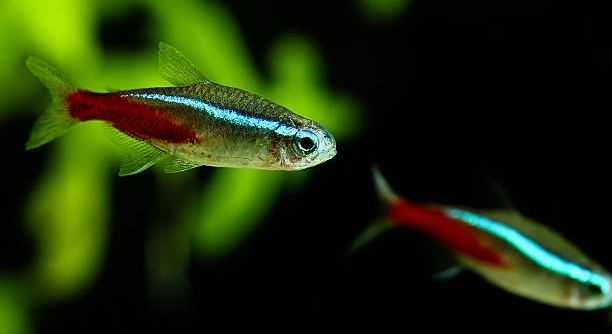
Have you ever brought home new tetras and felt unsure about how to help them settle in smoothly with your aquarium setup?
The best way to acclimate new tetras is through a gradual temperature and water chemistry adjustment. Floating the sealed bag in your tank and slowly mixing tank water over 30–60 minutes minimizes shock and stress.
Proper acclimation helps prevent illness, supports healthy behavior, and ensures your new tetras thrive in their new aquatic environment.
Why Acclimating Tetras Properly Matters
Acclimating tetras the right way helps them stay healthy and adjust without stress. Sudden changes in temperature or water chemistry can lead to illness or even death. These fish are sensitive to their surroundings, and even small differences in pH or temperature between the store bag and your home tank can make a big impact. Taking the time to acclimate them slowly ensures their immune systems aren’t overwhelmed. It also reduces the risk of shock-related behavior like erratic swimming or hiding. Proper acclimation not only protects the new fish but also helps maintain the stability of your tank.
Skipping acclimation may not show problems immediately, but it increases the risk of infections, especially if your tank already has delicate fish.
New tetras that are properly acclimated are more likely to explore, feed regularly, and blend in with your existing fish without causing disruptions or getting bullied.
How to Acclimate Tetras Safely
Start by floating the sealed bag in your tank for 20 minutes. This step equalizes the water temperature gently.
After floating, open the bag and roll down the top edge so it stays open in the water. Every five minutes, add a small amount of tank water to the bag. Do this over 30–60 minutes to help your tetras adjust to the tank’s pH and hardness levels slowly. Use a clean cup or syringe for each addition. Once the bag holds mostly tank water, gently net the tetras and place them in the tank. Avoid pouring bag water into your aquarium to prevent contamination. Discard the bag water separately. Monitor your tetras closely for the first 24 hours. Keep the lights low and avoid feeding right away. Allow them to swim and rest without stress. This gradual process makes a big difference and supports your tetras’ transition into their new environment.
What to Avoid During Acclimation
Never rush the process or skip steps. Sudden changes in temperature or water quality can stress tetras and lead to health issues. Avoid pouring pet store water into your tank, as it may carry unwanted bacteria or parasites that affect your aquarium’s stability.
Don’t add too much tank water too quickly during acclimation. Doing so can shock your tetras by changing their environment too fast. Instead, stick to small amounts every five minutes. Also, avoid feeding them during the process. Food can add unnecessary waste and increase stress. Keep the lights dim and reduce movement around the tank. Limit noise and vibrations. If you notice your tetras gasping or swimming erratically, slow the process or pause for a few minutes. Being careful and patient helps your new fish settle in better. The goal is to make their transition smooth and stress-free for lasting health.
Avoid using medications or water conditioners during acclimation unless absolutely necessary. These can interact with changes in temperature and chemistry, making the process harder on your tetras. Also, resist the urge to add all new fish at once—introducing too many can spike ammonia levels and throw off your tank’s balance. Introduce them in small groups to stay on the safe side.
How to Monitor Tetras After Acclimation
Watch your tetras for the first 24–48 hours after adding them to the tank. Healthy signs include steady swimming, clear eyes, and interest in their surroundings. They should start schooling and exploring quietly, not hiding or gasping near the surface.
If your tetras appear stressed—like clamping fins, staying still, or showing dull colors—check your tank’s water parameters right away. Use a reliable test kit to monitor pH, ammonia, nitrite, and nitrate levels. Adjust slowly if anything is off. Avoid sudden changes or harsh treatments. Offer food only after the fish are calm and swimming naturally. Choose a light feeding of quality flakes or micro pellets. Remove any uneaten food within a few minutes to keep the water clean. A healthy tetra will eat within a few hours of being introduced. Continue observing daily for signs of illness like white spots or unusual behavior, and act quickly if anything seems wrong.
Signs of Successful Acclimation
Tetras that swim calmly, form small schools, and show bright, consistent coloring are adjusting well. They may explore plants or decorations and respond to movement outside the tank without darting away. These are all signs they feel secure.
Eating within the first day is another good indicator. If they show interest in food and interact with other fish without signs of fear or aggression, your acclimation was successful. Watch for natural behavior and steady movement.
When to Make Adjustments
If your tetras remain hidden, gasp at the surface, or swim erratically after 24 hours, recheck water parameters. High ammonia or nitrite levels can cause stress. Make a small water change and monitor closely. If your tank has strong lighting or fast-moving water, try adjusting it. Tetras prefer low light and gentle flow. Use floating plants or reduce filter output temporarily. If your existing fish show signs of aggression, rearrange decorations to break up territories and reduce conflict. Any continued signs of stress after adjustments may require moving the tetras to a separate tank for recovery.
How Long Acclimation Effects Last
Once acclimated properly, tetras usually adjust within a few days and show steady improvement in activity, color, and eating habits.
How long does it take to acclimate new tetras?
Acclimating new tetras usually takes between 30 to 60 minutes. This slow process allows the fish to adjust gradually to differences in temperature and water chemistry. Rushing it can cause stress and increase the risk of illness, so patience is important for their well-being.
Can I skip acclimation if the store water looks clean?
It’s not safe to skip acclimation, even if the store water looks clear. Differences in pH, hardness, and temperature can still harm your tetras. The bag water may also carry bacteria or parasites that can upset your tank’s balance. Taking time to acclimate protects both your new fish and your existing aquarium.
Is floating the bag enough to acclimate tetras?
Floating the bag helps equalize temperature, but it is only the first step. You also need to slowly add tank water to the bag over time. This gradual mixing helps adjust the fish to the tank’s water chemistry, which temperature alone does not address.
Why shouldn’t I pour store water into my tank?
Pouring store water into your aquarium can introduce contaminants like bacteria, parasites, or chemicals harmful to your fish. Even if the store water looks safe, it may disrupt your tank’s established environment. Always transfer fish with a net, avoiding adding the bag water directly.
Can acclimation stress cause disease?
Yes, stress from poor acclimation weakens fish immune systems, making them vulnerable to infections and disease. Shock from sudden environmental changes is a common cause of illness in new tetras. Proper acclimation reduces this risk by helping fish adjust slowly.
How do I know if my tetras are stressed after acclimation?
Signs of stress include hiding constantly, clamped fins, rapid gill movement, loss of color, and refusal to eat. Erratic swimming or gasping at the surface are also red flags. Monitoring behavior closely after acclimation helps catch problems early.
Should I feed my tetras during acclimation?
Avoid feeding during acclimation. Fish are often stressed and may not eat right away. Feeding too soon can increase waste and water pollution, adding to stress. Wait until your tetras have settled and swim normally before offering food.
What water parameters are best for tetras?
Most tetras thrive in slightly acidic to neutral pH between 6.0 and 7.5. Water temperature should be stable around 74-80°F (23-27°C). Soft to moderately hard water is preferred. Keeping these parameters steady during and after acclimation supports health and comfort.
Can acclimation water changes harm tetras?
Large, sudden water changes during acclimation can shock your fish. Always add tank water slowly in small amounts to the acclimation bag. After they are in the tank, maintain good water quality with regular, moderate water changes to keep the environment stable.
Is it okay to acclimate multiple tetras at once?
Yes, acclimating a small group together is usually fine. Avoid adding too many fish at once, which can overload your tank’s filtration and cause water quality issues. Introducing fish in small batches lets you monitor their adjustment and maintain balance more easily.
What if my tetras don’t eat after acclimation?
If tetras refuse food for more than a day, check water parameters and tank conditions. Stress or poor water quality may be the cause. Keep the environment calm, and offer light feedings of quality food once they seem more active. Persistent refusal may require consulting a specialist.
How can I reduce stress during acclimation?
Keep tank lights dim and avoid sudden movements or loud noises near the aquarium. Handle the fish gently, and keep acclimation steps slow and steady. Providing hiding spots like plants or decorations can also help tetras feel safe during the adjustment period.
Should I quarantine tetras before adding them to my main tank?
Quarantining new tetras in a separate tank for 2–4 weeks helps prevent introducing diseases to your main aquarium. This allows you to observe them closely and treat any health issues before mixing with established fish. Quarantine is a good practice, especially for sensitive species like tetras.
What is the best method for acclimating tetras?
The drip acclimation method is highly effective. It involves slowly dripping tank water into the container holding your new fish over a period of 30–60 minutes. This gradual approach balances temperature, pH, and hardness differences carefully, reducing shock and stress for your tetras.
Can temperature shock be fatal for tetras?
Yes, sudden temperature changes can be deadly. Tetras are tropical fish adapted to stable temperatures. A difference of even a few degrees can cause shock, leading to rapid breathing, lethargy, or death. Always equalize temperatures slowly during acclimation.
What do I do if my tetras show signs of illness after acclimation?
Isolate affected fish if possible to prevent spreading illness. Test water parameters immediately and perform a partial water change if needed. Use appropriate medications as recommended for the specific illness. Early intervention improves recovery chances.
How often should I check on new tetras after acclimation?
Observe your new tetras several times a day for at least the first three days. Watch their behavior, breathing, and color closely. Early detection of stress or illness allows quicker action and better care.
Can acclimation affect the lifespan of my tetras?
Proper acclimation reduces stress and supports immune health, contributing to a longer, healthier life. Fish that undergo shock or stress during acclimation are more prone to disease and may have shorter lifespans.
Is it necessary to acclimate tetras bought online?
Yes, acclimating tetras purchased online is especially important. Shipping often causes temperature and water chemistry changes, so following acclimation steps carefully helps reduce additional stress when introducing them to your tank.
How can I make acclimation easier for myself?
Prepare everything before bringing your tetras home. Have clean equipment, a quiet space, and a clear plan for acclimation. Taking your time and following steps carefully reduces stress for both you and your fish. Keeping notes helps improve future acclimations.
Proper acclimation is one of the most important steps when introducing new tetras to your aquarium. Taking time to adjust their environment slowly helps prevent shock and reduces stress. Sudden changes in water temperature or chemistry can harm delicate fish and lead to illness or even death. By following a careful acclimation process, you give your tetras a better chance to adapt, stay healthy, and thrive in their new home. This simple step benefits both your new fish and your entire tank ecosystem.
The process does not need to be complicated. Floating the sealed bag to equalize temperature and slowly mixing tank water into the bag over 30 to 60 minutes are effective ways to prepare your tetras. Avoid rushing or skipping steps, as impatience can cause more harm than good. It is also important not to pour store water directly into your tank, since it may introduce contaminants. Once your tetras are safely moved into the tank, watch them closely for signs of stress or illness, such as hiding, clamped fins, or loss of color. Early detection helps you address issues quickly and improves their chances of recovery.
Acclimation also helps you build a stronger connection with your fishkeeping routine. By paying close attention to your tetras during this critical time, you become more aware of their needs and behaviors. This awareness supports better care in the long term, from feeding and tank maintenance to health monitoring. Proper acclimation is not just a one-time task—it sets the foundation for a healthy, balanced aquarium where your tetras can live peacefully and happily. Taking the time to do it right is a simple way to ensure your fish enjoy their new environment for years to come.

Hello,
If you enjoy the content that we create, please consider saying a "Thank You!" by leaving a tip.
Every little bit helps us continue crafting quality advice that supports the health, happiness, and well-being of pets around the world, for pets of all shapes, sizes, and species.
We really appreciate the kindness and support that you show us!