
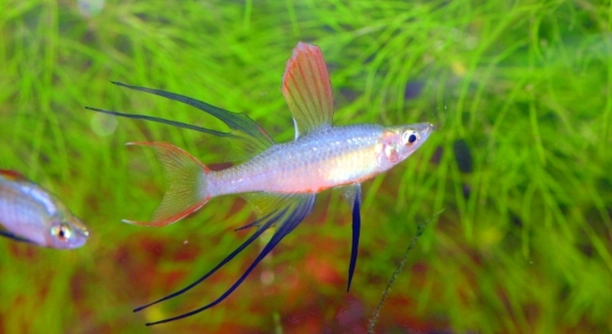
Have you ever noticed your threadfins gliding in their tank while something moves above or beside them? These small fish often respond in ways that seem cautious, alert, or even playful when shadows pass near.
Threadfins react to moving shadows with heightened alertness and sudden directional changes. This response is primarily driven by their instinctual sensitivity to potential predators, making them more vigilant and responsive to environmental stimuli within their confined tank space.
Observing these subtle movements can reveal much about threadfins’ natural instincts and their adaptability to home aquarium settings.
How Shadows Affect Threadfins’ Behavior
Threadfins are small, active fish that live in groups. When shadows move across their tank, they often pause and shift direction quickly. This reaction is natural, as it mimics the presence of predators in the wild. I’ve noticed that even subtle movements, like my hand passing near the tank, can trigger this behavior. Some threadfins dart toward the tank corners, while others freeze momentarily before resuming normal swimming patterns. Their reactions are not random; they are driven by instinct and heightened sensitivity to light and movement. Over time, I’ve observed that threadfins may learn to distinguish harmless shadows from potential threats. They also tend to stay closer together during these moments, showing their instinctive preference for safety in numbers. Watching these interactions can make tank maintenance and observation more engaging, revealing how responsive these fish are to visual cues and their environment.
This sensitivity shows that even small environmental changes can influence threadfins’ behavior significantly, reflecting their natural survival instincts.
Understanding these responses can improve how you set up a tank, ensuring the fish feel secure while still staying active and healthy. Adjusting lighting or tank placement can reduce stress and encourage natural swimming patterns.
Common Triggers and Observed Patterns
Moving objects outside the tank often cause brief flurries of activity in threadfins.
Shadows from passing people, ceiling fans, or nearby lights can all prompt sudden reactions. Threadfins rely heavily on visual cues, so changes in light intensity or shape near the tank are enough to trigger alert behaviors. Over repeated exposure, many threadfins show predictable patterns, such as grouping near the bottom or swimming rapidly along the sides. In some cases, they may pause completely, waiting for the perceived threat to pass before resuming normal activity. These behaviors are not only natural but also essential for their sense of safety. Adjusting the environment, such as moving light sources or limiting rapid movement near the tank, can help reduce unnecessary stress. Recording these behaviors can be insightful, allowing for better observation and care strategies.
By paying attention to these triggers, it’s possible to create a more comfortable environment for threadfins while still encouraging natural alertness. Observing how shadows affect their activity can guide tank placement, lighting choices, and interaction strategies. Fish often respond to subtle cues, such as reflections or dimming light, in ways that reflect their wild instincts. For example, I’ve seen threadfins repeatedly move together in synchronized patterns when a shadow passes, showing both their social cohesion and heightened sensitivity. Recognizing these patterns helps in predicting their responses and minimizing stress. By maintaining consistent lighting and limiting sudden movements nearby, the tank becomes a safer and calmer environment. Documenting these behaviors over time can also reveal individual differences, as some threadfins react more strongly than others. Overall, being mindful of environmental cues can improve the overall health, comfort, and activity levels of threadfins, creating a tank that supports both instinctual behaviors and everyday well-being.
Timing and Frequency of Reactions
Threadfins react fastest during sudden changes in light or movement. Their responses are often brief but noticeable, lasting a few seconds. Regular disturbances can increase their alertness and change swimming patterns.
I’ve noticed that threadfins respond most actively when shadows move quickly across the tank. Slow, gradual changes rarely cause a strong reaction. Repeated exposure to the same type of movement can lead to partial habituation, where the fish remain alert but stop darting as dramatically. The frequency of reactions depends on the time of day, tank lighting, and how active the fish already are. Morning and evening hours, when ambient light changes naturally, seem to trigger slightly stronger responses. Observing these patterns helps in planning tank placement and lighting, reducing unnecessary stress while maintaining natural behavior. Over time, I’ve found that spacing activities near the tank allows threadfins to adjust without constant agitation, creating a calmer environment.
When shadows appear frequently, threadfins may alter their usual swimming routes, sticking closer to tank walls or corners. This adjustment is a protective instinct but also a sign they are closely monitoring their surroundings. By tracking these responses, it becomes easier to maintain an environment that balances their alertness with comfort. Lighting adjustments, tank positioning, and mindful movement around the aquarium can all reduce excessive stress while still supporting natural behavioral patterns in threadfins.
Environmental Factors Influencing Reactions
Temperature and water clarity can affect how threadfins perceive shadows. Slightly murky water or dim lighting may lessen their responsiveness.
I’ve observed that clear water makes shadows more distinct, prompting faster reactions from threadfins. Temperature also plays a role; cooler water slows their responses slightly, while warmer water increases alertness and activity. Tank decorations can create additional shadows, which sometimes confuse the fish or trigger repeated responses. Consistency in environment, such as stable lighting and minimal sudden movements, helps threadfins feel secure. Observing how these factors interact has been helpful in adjusting tank setup for both activity and comfort. Maintaining a balance between light, water quality, and tank layout ensures threadfins remain alert without unnecessary stress.
Visual Sensitivity of Threadfins
Threadfins have sharp vision that allows them to notice even small changes in light and movement. This sensitivity helps them detect potential threats or changes in their surroundings quickly.
I’ve noticed that when the tank is well-lit, threadfins respond more quickly to shadows. Dim lighting reduces their reactions, making movements seem slower and less urgent.
Group Behavior and Safety
Threadfins often swim together when a shadow passes, clustering near each other or along the tank edges. This social response reduces individual risk and reflects their instinct to stay safe in numbers. They rarely respond alone unless isolated. Observing this pattern shows how much group behavior affects their reactions, and it highlights their reliance on social cues for safety. I’ve seen them coordinate movements almost simultaneously, a sign of strong instinctual awareness and communication within the group. Even subtle changes in one fish’s movement can trigger a chain reaction, affecting the whole group’s behavior.
Impact of Tank Layout
Decorations and plants influence how threadfins react to shadows. Open spaces allow faster movements, while obstacles create hiding spots.
Why do threadfins react strongly to shadows?
Threadfins have evolved to be highly alert to potential threats in their environment. Shadows can signal predators in the wild, so even in a tank, they trigger the same instinct. I’ve noticed that quick movements above the tank often cause the fish to dart or freeze, showing their natural vigilance.
Are these reactions harmful to threadfins?
Short-term reactions are not harmful and are part of their normal behavior. However, frequent disturbances can increase stress levels, which may affect appetite, immune response, and general activity. I learned that reducing sudden movements near the tank helps maintain a calmer environment for the fish.
Do threadfins get used to repeated shadows?
Yes, repeated exposure to harmless movements can lead to habituation. Over time, they may still notice shadows but respond less dramatically. I’ve observed that after a few days of consistent patterns, my threadfins swim normally even when shadows pass across the tank.
Can lighting changes reduce shadow reactions?
Adjusting lighting can help manage responses. Dimmer, even lighting minimizes sharp contrasts that create noticeable shadows. I keep my tank lighting steady throughout the day, which has helped threadfins feel more secure and reduced sudden bursts of activity.
Does tank size affect their reactions?
Smaller tanks can intensify reactions because fish have less space to escape perceived threats. In larger tanks, threadfins have room to swim away or hide, which can reduce stress. I’ve noticed my fish react more calmly in a tank where they can move freely without feeling trapped.
How do decorations influence shadow responses?
Plants, rocks, and other decorations provide hiding spots and break up light patterns. Threadfins often use these areas when a shadow passes, creating natural escape routes. I like to add gentle structures that give the fish both security and open swimming space.
Do all threadfins respond the same way?
Individual fish can vary. Some are bolder, showing minimal reaction, while others are extremely cautious. I’ve seen certain fish freeze immediately, while others dart to corners or follow the group’s movements closely, demonstrating that personality and position in the tank play roles in reactions.
Can feeding routines affect shadow responses?
Yes, regular feeding schedules make threadfins more predictable and less reactive. When fish expect food, their attention shifts toward feeding rather than shadows. I noticed my threadfins react less strongly to passing movements when feeding time is consistent.
Do temperature changes affect reactions?
Temperature can impact activity levels and alertness. Slightly warmer water increases movement and responsiveness, while cooler water slows reactions. I maintain a steady temperature to avoid sudden spikes that could cause exaggerated responses to shadows.
Is it necessary to shield the tank from all movement?
Not entirely. Threadfins benefit from some stimulation, but excessive movement can cause stress. I’ve found that limiting rapid motions directly above the tank is enough to keep them comfortable, while allowing gentle environmental changes keeps their behavior natural and engaging.
Can group size influence responses?
Yes, larger groups tend to react collectively, with fish following each other’s movements. Smaller groups may show more individual variation. I’ve noticed that in larger groups, the first fish to react often sets off a synchronized movement among the others, demonstrating their reliance on social cues.
Are shadow reactions a sign of poor tank conditions?
Not necessarily. Regular shadow responses are natural and indicate healthy alertness. Stress from tank conditions usually shows differently, such as loss of appetite, erratic swimming, or hiding continuously. Keeping water quality and environment stable ensures that reactions are normal, not a sign of distress.
How can I reduce excessive reactions?
Steady lighting, consistent feeding, and minimal sudden movements near the tank help. I also arrange decorations to provide safe zones. Over time, these adjustments create a calmer environment without removing the natural alert behavior that keeps threadfins healthy and responsive.
Do shadows affect nocturnal behavior?
Threadfins are generally less active in low light, so shadows at night have minimal impact. I’ve observed that they sleep or rest near the tank bottom, and sudden movements in darkness rarely trigger the same responses seen during daylight.
Can observing reactions improve care?
Absolutely. Watching how threadfins respond to shadows gives insight into their health, social interactions, and comfort. I track reactions to adjust tank setup, lighting, and routines, ensuring they remain active, healthy, and stress-free.
This FAQ provides a practical guide to understanding and managing threadfins’ responses to shadows, helping maintain a balanced and attentive aquarium environment.
Threadfins are naturally alert fish that respond strongly to changes in their environment, including moving shadows near their tank. Observing their reactions can help us understand their instincts and how they interact with their surroundings. Even small movements outside the tank, like a hand passing by or the reflection of light, can cause them to dart, freeze, or swim together as a group. These behaviors are not random but are driven by their survival instincts, which remain strong even in home aquariums. By paying attention to these subtle signs, it is possible to create a tank environment that feels safe for the fish while still allowing them to remain active and engaged.
Managing the tank environment can help reduce unnecessary stress for threadfins. Consistent lighting, stable water temperature, and proper tank layout all influence how the fish respond to visual stimuli. Decorations like plants, rocks, and other hiding spots give threadfins a sense of security and can reduce the intensity of their reactions to shadows. At the same time, open spaces are important for their swimming activity and overall well-being. Regular feeding schedules also help, as threadfins become less focused on perceived threats when they expect food. By observing these factors and making gradual adjustments, it is possible to balance their natural alertness with a comfortable and healthy living space.
Understanding threadfins’ reactions to shadows is not just about reducing stress but also about appreciating their natural behavior. Watching them respond to subtle environmental changes can be fascinating, showing how social dynamics, group behavior, and individual differences all play a role. Some fish are bolder and react less, while others are cautious and quick to respond. Over time, observing these patterns can help in planning tank placement, lighting, and decoration to suit the specific needs of each group. Paying attention to these details ensures that threadfins remain healthy, active, and responsive while providing a more enjoyable and engaging aquarium experience for anyone caring for them. Creating a thoughtful environment allows the fish to display their instincts naturally without unnecessary strain.

Hello,
If you enjoy the content that we create, please consider saying a "Thank You!" by leaving a tip.
Every little bit helps us continue crafting quality advice that supports the health, happiness, and well-being of pets around the world, for pets of all shapes, sizes, and species.
We really appreciate the kindness and support that you show us!