
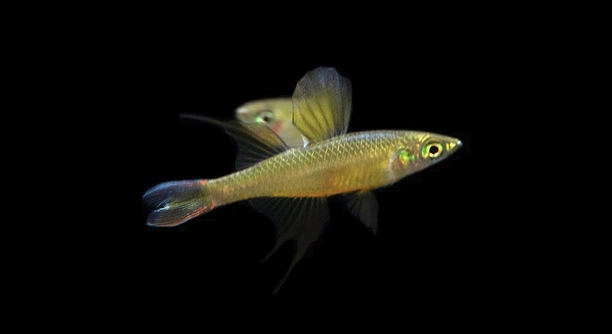
Threadfins are known for swimming together in tight schools, creating a sense of unity in the water. However, some individuals often break away or avoid joining the group, puzzling both researchers and hobbyists alike. Their behavior can be subtle but noticeable.
Threadfins may refuse to join the school due to factors such as stress, illness, environmental changes, dominance conflicts, lack of socialization, sudden water quality shifts, or insufficient space. These causes can disrupt natural schooling behavior and affect overall group cohesion.
Observing their movements closely can reveal important clues about their health and environment. Small adjustments often make a noticeable difference in encouraging schooling behavior.
Stress and Its Impact on Threadfins
Threadfins are sensitive to changes in their environment, and stress is one of the main reasons they may avoid schooling. Loud noises, sudden movements, or frequent handling can make them anxious. Even subtle shifts, like a new decoration in the tank or an unfamiliar fish nearby, can create tension. Stressed threadfins often swim alone, hide, or show irregular movement patterns. Maintaining stable water conditions, consistent feeding times, and minimal disruptions can reduce stress. I noticed that when my tank had more than usual activity around it, the threadfins scattered instead of staying together. Over time, adjusting light and noise levels helped them feel safer and encouraged schooling. Observing their reactions to changes is key. Gradual acclimation and creating small safe zones in the tank can allow threadfins to regain confidence. Stress management is crucial not only for schooling but also for their overall health.
Reducing stress requires careful attention to the tank environment. Stable temperatures, consistent routines, and limited disturbances encourage threadfins to join the school naturally.
When threadfins feel secure, they are more likely to swim with the group. Patience and small environmental adjustments often produce noticeable results. Avoid sudden changes, and provide hiding spots to help them feel safe. Over time, confidence grows, and the school becomes more cohesive. Even minor improvements in water quality or routine can lead to better group behavior, making a visible difference in their activity.
Illness and Physical Discomfort
Sick or injured threadfins may isolate themselves, avoiding the school to protect themselves.
Illness can reduce energy, make swimming difficult, or cause sensitivity to other fish. Symptoms like clamped fins, unusual swimming patterns, or visible injuries often indicate a health problem. Even mild infections can affect their willingness to school. Providing a clean, stable environment and addressing illnesses promptly helps them recover faster. Quarantining affected fish can prevent the spread of disease. I once noticed a single threadfin lagging behind; after a check, a minor parasite was discovered. Treating the infection quickly allowed it to rejoin the group within days. Nutrition also plays a role; weak or malnourished fish are less active and more likely to stay apart. Paying attention to feeding habits and observing daily behavior can prevent prolonged isolation. Regular monitoring of water quality and maintaining balanced nutrition are essential steps in keeping the school united.
Environmental Changes
Sudden shifts in temperature, pH, or water flow can make threadfins uneasy. Even small changes in lighting or tank layout can affect their schooling behavior. They respond best to consistent, stable conditions.
Keeping the tank stable is key for encouraging schooling. Threadfins are sensitive to fluctuations that may seem minor to us. When I adjusted the temperature gradually rather than all at once, the fish became noticeably calmer. Water chemistry must also remain balanced; sudden spikes in ammonia, nitrites, or pH can cause anxiety. Strong currents or abrupt changes in water flow can isolate weaker or smaller individuals. Creating a predictable environment lets threadfins feel safe to swim together. Small, incremental adjustments are more effective than major, sudden changes.
I learned that observing how each fish reacts to new decorations or rearrangements helps prevent disruption. Adding plants or hiding spots in stages allows them to explore safely. Monitoring their behavior daily makes it easier to identify stress signs early. Gradual acclimation and consistent routines encourage them to return to the school naturally, strengthening group cohesion over time.
Dominance Conflicts
Threadfins sometimes separate from the group due to aggression or territorial disputes.
When stronger or more dominant fish assert control, weaker threadfins may avoid the school to prevent confrontation. Signs include chasing, nipping, or constant positioning near food. Observing interactions carefully helps identify which individuals need intervention. I noticed one threadfin being pushed aside during feeding; separating and reintroducing them calmly resolved tension. Ensuring enough space, hiding spots, and evenly distributed food reduces competition and encourages social harmony.
In some cases, dominance issues are subtle but still affect schooling. Small hierarchies naturally form, but overcrowding worsens disputes. Introducing new threadfins gradually and monitoring behavior helps maintain balance. Physical barriers or visual separations can give stressed fish temporary relief. Regular observation and early intervention prevent persistent avoidance. Even slight adjustments in feeding order or timing can reduce friction. Over time, the group stabilizes, and threadfins regain confidence to swim together without fear. Consistency in tank management and minimizing stressors are essential for resolving dominance conflicts.
Lack of Socialization
Threadfins that are isolated for long periods may struggle to join a school. Social experience is important for learning group behavior. Young or newly introduced fish often need time to adjust to the presence of others.
Gradual introduction and observing interactions can help them integrate. Pairing isolated threadfins with calm, experienced individuals encourages them to follow the school naturally. I found that giving newcomers small, safe areas to explore reduced hesitation. Patience is essential, as forcing interaction can increase stress and make them retreat further. Regular exposure to the group in a controlled way builds confidence over time.
Sudden Water Quality Shifts
Sudden changes in water quality, such as spikes in ammonia or nitrite, can make threadfins avoid the school.
These shifts irritate gills and stress the fish, reducing energy and social interaction. Even minor fluctuations can trigger isolation. Monitoring water parameters regularly and performing gradual changes helps maintain stability and encourages schooling. I noticed after a small nitrate spike, one fish stayed apart for hours until the water stabilized. Consistent maintenance and observation are critical to prevent these disruptions.
Insufficient Space
Overcrowded tanks can prevent threadfins from swimming freely in a school. Limited space increases tension and triggers avoidance behavior.
Providing adequate room and rearranging tank decorations can promote smooth schooling. Observing movement patterns helps identify if space is a factor.
FAQ
Why do some threadfins swim alone while others stick to the school?
Threadfins that swim alone often experience stress, illness, or environmental discomfort. Changes in water quality, temperature, or tank layout can make certain fish hesitant to join the group. Dominance conflicts or lack of social experience can also contribute. I noticed that after a period of stress in my tank, one or two threadfins would separate for hours, only rejoining when conditions stabilized. Observing their behavior closely and addressing underlying causes usually restores normal schooling patterns over time.
How can I reduce stress in my threadfin school?
Maintaining stable water conditions is key. Avoid sudden temperature shifts, loud noises, or frequent handling. Gradual changes in lighting and tank decoration help them feel safe. Providing hiding spots and keeping feeding routines consistent also reduces stress. I found that even small disruptions, like adding a new ornament too quickly, caused hesitation. By introducing changes slowly and monitoring reactions, threadfins become more confident and start schooling naturally again.
What should I do if a threadfin seems sick?
Sick fish may separate from the school to conserve energy or avoid confrontation. Symptoms include clamped fins, irregular swimming, or visible wounds. Immediate attention is necessary. Quarantining affected fish and treating the illness prevents spreading to others. Nutrition and water quality play a major role in recovery. I once isolated a single fish with a minor parasite; after proper care, it rejoined the school within days. Monitoring all fish daily helps catch problems early.
Can tank layout affect schooling behavior?
Yes. Sudden changes in decorations, hiding spots, or water flow can make threadfins uneasy. They prefer familiar surroundings and predictable conditions. I noticed that rearranging plants quickly caused some fish to scatter. Gradual adjustments allow them to explore safely, reducing fear and encouraging the school to stay together. Regular observation helps identify areas where space or layout could be improved.
Does overcrowding impact schooling?
Overcrowding increases tension and can cause weaker or smaller threadfins to isolate themselves. Limited space triggers avoidance and disrupts group cohesion. I experienced this when my tank was temporarily overstocked; fish became more aggressive and hesitant to swim together. Providing enough space and ensuring decorations do not block movement encourages smooth schooling behavior.
How long does it take for a threadfin to rejoin the school after isolation?
The time varies depending on stress levels, health, and social experience. Some rejoin within hours, while others take days. Gradual exposure to the group, stable conditions, and minimizing disturbances help speed up reintegration. I have seen fish that were nervous at first slowly regain confidence after repeated calm interactions. Patience is essential, as forcing contact can worsen avoidance.
What role does feeding play in schooling behavior?
Even distribution of food is important. Dominant fish may chase weaker ones away, causing isolation. Providing multiple feeding spots reduces competition. I noticed that after adjusting the feeding routine and spreading food evenly, hesitant threadfins joined the school more consistently. Ensuring a balanced diet also improves energy levels, supporting natural group swimming patterns.
Can introducing new threadfins disrupt the school?
Yes. New fish may create stress or trigger dominance conflicts. Gradual introduction, using visual barriers initially, allows both newcomers and established fish to adjust. I often keep new threadfins in a separate section of the tank for a few days before full integration. Observing interactions during this period helps prevent long-term separation and ensures smoother group cohesion.
How often should I monitor water quality to support schooling?
Regular monitoring is critical. Checking temperature, pH, ammonia, nitrite, and nitrate levels at least weekly helps detect issues early. I noticed that even minor fluctuations caused hesitation in schooling. Quick corrective action, such as partial water changes, keeps conditions stable and encourages confident, consistent group swimming.
What is the best way to handle dominance conflicts?
Providing ample space, hiding spots, and evenly distributed food helps reduce aggression. In severe cases, temporary separation or rearranging the tank can relieve tension. I once used small barriers to separate two aggressive fish; after a few days, they tolerated each other and rejoined the school. Consistent observation is necessary to maintain harmony.
Are young threadfins more likely to avoid the school?
Yes. Younger or inexperienced fish often need time to learn social behaviors. Pairing them with calm, experienced individuals encourages integration. I introduced several new juveniles gradually and allowed them to observe the older fish before fully joining. Over time, they became confident and participated in schooling naturally.
How can I tell if water flow is affecting schooling?
Excessive or uneven currents can make weaker fish avoid the school. Observing swimming patterns can reveal problem areas. I adjusted my tank’s flow gradually, ensuring all sections were navigable, and the threadfins began swimming together again. Balanced flow allows natural movement without forcing isolation.
Is patience really necessary for fixing schooling issues?
Absolutely. Sudden fixes often worsen stress or avoidance. Gradual changes, careful observation, and consistent routines allow threadfins to regain confidence naturally. I learned that rushing interventions often delayed reintegration. With patience, most issues like stress, minor illness, or social hesitation resolve, restoring a healthy, cohesive school.
What daily habits support strong schooling behavior?
Regular feeding, stable water quality, gentle handling, and monitoring interactions are essential. Observing reactions to environmental changes helps prevent isolation. I make it a habit to check each fish daily, adjust conditions gradually, and provide safe spaces. These consistent practices ensure threadfins feel secure and swim together confidently.
Can schooling behavior change over time?
Yes. Factors like age, health, environment, and social dynamics affect behavior. Some fish may become more dominant, shy, or stressed over time. I’ve seen threadfins that were once solitary gradually integrate as they matured. Continuous care, stable conditions, and observation help maintain schooling cohesion throughout their lives.
Threadfins are fascinating fish with a natural tendency to school, but various factors can interfere with this behavior. Stress, illness, environmental changes, dominance conflicts, lack of social experience, sudden water quality shifts, and limited space all play important roles in whether a threadfin chooses to join the group or swim alone. Observing these fish closely can reveal subtle signs that something is affecting them. Paying attention to their swimming patterns, interactions, and energy levels can help identify the underlying cause. Over time, understanding these behaviors allows for better care and a healthier, more cohesive school. Consistency in their environment and routine is often the key to restoring natural schooling behavior.
Addressing the reasons why threadfins may refuse to school often requires patience and small, deliberate adjustments. Gradual changes in water conditions, careful introduction of new fish, and management of tank space can make a noticeable difference. Providing hiding spots and ensuring even access to food reduces stress and competition within the group. In cases of illness or injury, prompt treatment and temporary isolation help the affected fish recover and return safely to the school. Observing how each individual reacts to changes in the tank can guide decisions about adjustments, feeding routines, and social interactions. Even minor improvements can encourage hesitant fish to rejoin the school, strengthening group cohesion over time.
Caring for threadfins and encouraging schooling behavior is a process that combines observation, patience, and proactive care. Daily monitoring of water quality, attention to fish interactions, and careful handling all contribute to a stable environment that supports natural social behavior. Overcrowding should be avoided, and tank decorations or water flow changes should be introduced gradually. Maintaining a calm, consistent routine helps reduce stress and fosters confidence among the fish. By addressing the factors that interfere with schooling and providing a supportive environment, threadfins are more likely to swim together naturally, display healthier behavior, and maintain a strong social structure. With steady care and attention, the school becomes more harmonious, and the fish enjoy a stable, comfortable environment that encourages natural group swimming.

Hello,
If you enjoy the content that we create, please consider saying a "Thank You!" by leaving a tip.
Every little bit helps us continue crafting quality advice that supports the health, happiness, and well-being of pets around the world, for pets of all shapes, sizes, and species.
We really appreciate the kindness and support that you show us!