
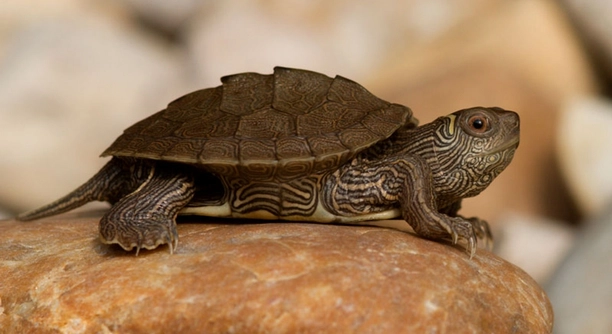
Map turtles are fascinating creatures, especially when it comes to their growth journey. Watching hatchlings mature is an intriguing process that many people wonder about. Understanding how long this process takes helps us appreciate these turtles even more.
Map turtle hatchlings typically take 6 to 8 years to reach maturity, depending on their environment, diet, and overall health. Factors such as temperature, water quality, and food availability influence their growth rate.
The path to maturity involves more than just time. Factors like diet and environment play significant roles in shaping how quickly they grow. Understanding these factors will provide insight into the life cycle of these remarkable turtles.
Factors Affecting Map Turtle Growth Rate
Map turtles grow at different rates depending on various factors. Temperature is one of the key elements that influence their development. Warmer temperatures often promote faster growth, while colder conditions can slow it down. The quality of the water they live in also plays an important role. Clear, clean water provides a healthier environment for the hatchlings, allowing them to grow at a steadier pace. A good habitat that mimics their natural environment is essential.
In addition, the type and amount of food available are crucial for their growth. A diet rich in protein, such as insects, fish, and aquatic plants, supports proper development. Without a balanced diet, growth can be stunted.
A well-maintained habitat with warm water and access to proper nutrition creates an optimal environment for map turtle hatchlings. Keeping their living conditions clean and stable will help them reach maturity at a steady pace. Regular monitoring of water temperature and food intake ensures they grow as they should.
The Role of Temperature in Maturation
Temperature is one of the most influential factors in map turtle growth. The ideal temperature range for hatchlings is between 75°F and 85°F. Hatchlings exposed to temperatures outside this range may experience slower growth or developmental issues.
When map turtles are kept at the right temperature, they are able to digest food better and grow faster. If the water is too cold, their metabolism slows down, leading to delayed growth. Conversely, too much heat can stress them out and result in other health problems. The key is to maintain a consistent, warm environment for them.
Maintaining a stable temperature can be done by using heaters in outdoor or indoor tanks. Temperature fluctuations can be dangerous, so it’s important to monitor them regularly. Providing a heat source allows hatchlings to thrive, grow at a steady pace, and mature as expected. Over time, map turtles will adjust to their environment, but the right temperature conditions make the biggest difference.
The Importance of Diet in Growth
A balanced diet is critical for the proper growth of map turtle hatchlings. In the wild, they feed on a variety of foods like small fish, insects, and plants. Providing a similar diet in captivity can help them grow strong and healthy.
Map turtle hatchlings require a diet rich in protein to support their fast-growing bodies. Insects such as crickets, worms, and small fish are excellent sources of protein. As they mature, adding leafy vegetables and aquatic plants is important for their long-term health. A varied diet helps hatchlings develop properly and avoid nutrient deficiencies.
Overfeeding or feeding the wrong types of food can lead to obesity or poor health. It’s important to offer small portions multiple times a day, with the right mix of protein and plant-based foods. A proper diet directly impacts their growth rate, making it essential for their overall development.
Water Quality and Its Effect on Growth
Water quality plays a huge role in the well-being of map turtle hatchlings. Clean water helps prevent infections and ensures that the turtles are healthy as they grow. Poor water conditions can lead to diseases that slow down their development.
Keeping their habitat clean means regularly changing the water, filtering it, and making sure the temperature stays stable. Map turtles are sensitive to their surroundings, so they thrive in clear, chemical-free water. Dirty water can cause stress and slow growth, leading to health problems like shell rot or respiratory issues.
To maintain good water quality, it’s important to use a high-quality filtration system. Regular water changes will help remove waste and toxins. By ensuring a clean and safe environment, hatchlings can grow efficiently and reach maturity within the expected time frame.
Stress and Its Impact on Growth
Stress can significantly affect the growth of map turtle hatchlings. Factors such as overcrowded living conditions, loud noises, or even poor handling can cause stress. Turtles under stress may experience slower growth and weakened immune systems.
When hatchlings are stressed, their bodies divert energy away from growth to cope with the stressor. Over time, this can lead to stunted development and health issues. It’s essential to create a calm and safe environment for them to grow. A stress-free habitat will encourage faster and healthier maturation.
The Role of Light and UVB Exposure
Proper light is crucial for map turtle hatchlings, especially UVB light. UVB helps them absorb calcium, which is necessary for healthy shell growth. Without adequate UVB exposure, they can develop soft shells or other bone-related issues.
In nature, map turtles are exposed to natural sunlight, which provides the necessary UVB. In captivity, using UVB lamps is essential to replicate this exposure. Regular access to UVB light helps hatchlings grow strong shells and bones. Ensure the lamp is close enough for them to bask under, but not too close to cause harm.
FAQ
How long does it take for map turtle hatchlings to grow to full size?
Map turtle hatchlings typically take 6 to 8 years to reach full maturity. This time frame can vary depending on factors such as diet, habitat conditions, and overall health. If kept in optimal conditions, they may reach maturity on the shorter end of the spectrum, while less ideal conditions may result in slower growth.
What is the best diet for map turtle hatchlings?
A balanced diet that includes protein and plant-based foods is essential for hatchlings. Insects like crickets, mealworms, and small fish provide the protein needed for growth. You should also offer leafy vegetables, aquatic plants, and some fruits as they mature. It’s important to feed them small, manageable portions multiple times a day to avoid overfeeding.
Can map turtle hatchlings live with other turtles?
Map turtle hatchlings can live with other turtles, but care should be taken to avoid overcrowding. Overcrowding can lead to stress and competition for food, which can slow growth. If you decide to house multiple hatchlings together, make sure there’s enough space and that each turtle has access to food and basking spots.
What should the water temperature be for map turtle hatchlings?
The ideal water temperature for map turtle hatchlings ranges from 75°F to 85°F. If the water is too cold, their metabolism slows down, which can stunt growth. On the other hand, water that’s too hot can cause stress and health problems. Keeping the water temperature stable is crucial for their development.
How often should I change the water in a map turtle tank?
You should change the water in a map turtle tank at least once a week to keep it clean and free from waste. If the tank has a filtration system, this may help maintain water quality for a longer period. However, regular water changes are still important to prevent the buildup of harmful chemicals or bacteria.
Do map turtles need UVB light?
Yes, map turtles require UVB light to help them metabolize calcium and maintain strong, healthy shells. Without proper UVB exposure, hatchlings may develop soft shells and other bone problems. In captivity, you should provide a UVB lamp to mimic natural sunlight and ensure the turtles get the proper amount of UVB light.
Can map turtle hatchlings be kept in an outdoor pond?
Map turtle hatchlings can be kept in an outdoor pond as long as it’s safe and secure. The pond should have clean water, proper filtration, and access to basking spots. Keep in mind that outdoor ponds may be subject to temperature fluctuations, so you may need to adjust the water temperature to keep it in the ideal range.
What kind of filtration system do I need for map turtle hatchlings?
A good filtration system is essential to maintaining water quality in a map turtle tank. Choose a filter that can handle at least double the volume of your tank to ensure efficient filtration. A high-quality filter will help remove waste and keep the water clean, promoting healthy growth for the hatchlings.
How can I tell if my map turtle hatchling is healthy?
Healthy map turtle hatchlings will have clear, bright eyes, a smooth, firm shell, and active behavior. They should eat regularly, bask under the light, and swim without difficulty. If you notice any signs of lethargy, unusual swimming patterns, or shell softness, these may indicate health issues and should be addressed immediately.
What size tank do map turtle hatchlings need?
Map turtle hatchlings require a spacious tank to thrive. A tank that is at least 20 gallons for a single hatchling is recommended. As the turtle grows, the size of the tank will need to increase. Larger tanks provide enough space for swimming, basking, and proper filtration.
How do I prevent diseases in map turtle hatchlings?
To prevent diseases in map turtle hatchlings, keep their tank clean, maintain proper water quality, and provide a balanced diet. Ensure that the temperature and UVB exposure are ideal for their health. Also, avoid overcrowding, which can lead to stress and make the turtles more susceptible to infections.
Is it necessary to provide a basking spot for map turtle hatchlings?
Yes, map turtle hatchlings need a basking spot to dry off and regulate their body temperature. The basking area should be well-lit, warm, and easily accessible. Turtles use this area to rest, digest food, and absorb UVB light, which is necessary for calcium metabolism.
How can I tell when my map turtle hatchling is ready to breed?
Map turtles typically reach sexual maturity between 6 to 8 years of age. Males tend to mature slightly earlier than females. Signs that a turtle is ready to breed include increased activity, searching for mates, and specific behaviors such as head bobbing or chasing. However, breeding should only be attempted once the turtle has fully matured and is in good health.
Can map turtle hatchlings survive in brackish water?
Map turtle hatchlings can tolerate slightly brackish water, but they prefer freshwater habitats. Long-term exposure to brackish water may cause health issues, so it’s better to keep hatchlings in clean, freshwater environments. If you do have brackish water, make sure to monitor the salinity and ensure it doesn’t reach harmful levels.
Final Thoughts
Map turtle hatchlings require specific care to grow and reach maturity at the proper rate. Several factors influence their development, including the environment, diet, and water quality. By providing them with the right habitat, proper food, and stable conditions, you can help your hatchlings grow healthy and strong. Remember, temperature plays a major role in their growth, so it’s important to monitor and maintain the correct water temperature. Clean water, free from chemicals and waste, is just as important for their health.
The diet you offer to map turtle hatchlings should also be well-balanced. Hatchlings require protein-rich foods, like small fish, insects, and worms, to support their growth. As they grow older, it’s important to introduce plant-based foods such as aquatic plants and leafy vegetables into their diet. This balanced diet helps them develop strong shells and bones. Overfeeding should be avoided, as it can lead to health problems. Offering small meals multiple times a day ensures your hatchlings are properly nourished without being overfed.
As your map turtle hatchlings mature, it’s important to continue caring for their habitat, adjusting as needed to accommodate their growing needs. This means providing enough space, maintaining proper lighting, and ensuring they have access to a basking spot. Keeping a calm and stress-free environment also plays a large role in their development. Stress can slow growth and make them more vulnerable to illness. With the right care, your map turtle hatchlings will mature into strong, healthy adults, ready to thrive in their environment.

Hello,
If you enjoy the content that we create, please consider saying a "Thank You!" by leaving a tip.
Every little bit helps us continue crafting quality advice that supports the health, happiness, and well-being of pets around the world, for pets of all shapes, sizes, and species.
We really appreciate the kindness and support that you show us!