
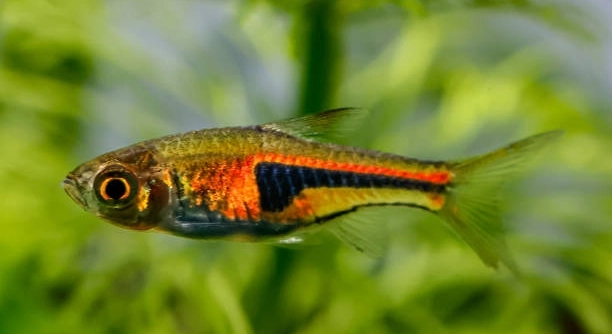
Rasboras are small, active fish often kept in home aquariums. Their behavior can change when they detect new scents in their environment. Understanding how they react helps in providing better care for these delicate fish.
Rasboras respond to new scents by exhibiting cautious or exploratory behavior. They may become more alert, change swimming patterns, or temporarily reduce activity. These reactions help them assess potential threats or opportunities in their surroundings.
Observing these responses can improve how you manage your aquarium and maintain a healthy habitat for your rasboras.
How Rasboras Detect Scents
Rasboras rely heavily on their sense of smell to understand their environment. Their olfactory system helps them detect chemical changes in the water, which can indicate food, predators, or changes in water quality. When a new scent enters their tank, they often react by moving cautiously or investigating the source. This ability is crucial for their survival, especially in the wild, where they must quickly recognize danger or food. In an aquarium, new scents can come from added plants, decorations, or even changes in water chemistry. Rasboras may swim more slowly or gather near the surface as they process these new signals. The reactions are natural and show how sensitive they are to their surroundings. Knowing this can help aquarists introduce changes gradually to avoid stressing the fish.
Their scent detection helps maintain balance in their daily behavior and keeps them aware of changes.
When new scents are introduced too quickly or in strong amounts, rasboras might hide or stay inactive. Over time, most adjust and return to normal activity once they recognize there is no threat. It’s best to monitor their behavior closely during changes and ensure the water stays clean and stable. Small additions, like new plants or water treatments, should be added slowly. This gives rasboras time to get used to the new smells and prevents unnecessary stress. Patience and careful observation go a long way in helping them feel safe and comfortable in their tank.
Effects of Different Scents on Rasbora Behavior
Different types of scents affect rasboras in distinct ways. Natural plant scents tend to calm them and encourage exploration, while artificial chemicals or strong odors can cause stress. Some scents trigger feeding responses, making the fish more active. Understanding these effects allows better management of tank environments.
Rasboras respond calmly to mild, natural scents but may show stress signs with sudden chemical changes.
When introduced to natural scents like those from aquatic plants or mild food additives, rasboras often become more curious and swim actively. These scents signal safety or the presence of food, which encourages normal behavior. On the other hand, strong artificial scents—such as those from cleaning agents or chemical treatments—can cause rapid darting, hiding, or reduced movement. Stress from these scents may affect their appetite and immune system over time. To minimize stress, it is important to avoid sudden or heavy use of chemical additives. Instead, use gentle, fish-safe products and introduce any changes gradually. Watching how your rasboras react can guide you to create a more stable, healthy environment where they feel secure and thrive.
Recognizing Stress Signals
Rasboras show stress through changes in color, erratic swimming, or hiding. These signals are important to notice early for their well-being.
Stress in rasboras often appears as duller colors or frantic movements. They may dart quickly around the tank or stay hidden behind decorations. Sometimes, stressed fish stay near the surface or bottom without much movement. These behaviors usually mean the fish feel threatened or uncomfortable. Stress can come from sudden new scents, poor water quality, or overcrowding. Watching for these signs helps catch problems early before they affect health. Adjusting the environment or reducing sudden changes often eases their stress.
Ignoring these signals can lead to weakened immune systems or illness. Continuous stress reduces feeding and can shorten a rasbora’s lifespan. Creating a calm tank environment with stable water conditions and gradual scent introductions helps minimize stress. A relaxed fish is more likely to show bright colors, swim confidently, and stay active. Regular observation allows you to notice even subtle behavior shifts and respond quickly to their needs.
Tips for Introducing New Scents Safely
Introduce new scents slowly to avoid stressing your rasboras. Add changes in small amounts over several days.
Start by adding a small portion of the new plant or water additive. Wait at least a day before adding more, observing the fish for any unusual behavior. Keep water parameters stable by testing regularly during this time. If the fish show stress, pause additions and give them time to recover. This gradual process allows rasboras to adjust their senses without overwhelming them. Avoid strong chemicals or fragrances that are not designed for aquarium use. Using natural materials and fish-safe products helps maintain a healthy, balanced environment. Small, consistent changes lead to better acceptance by your fish and a more peaceful tank overall.
Common Scents That Affect Rasboras
Plant extracts and food particles are common scents that influence rasbora behavior. These natural smells usually encourage activity and exploration.
Chemical treatments and strong fragrances from cleaners or air fresheners can cause stress. Rasboras react negatively to these unfamiliar, harsh scents and may hide or become inactive.
How Water Quality Influences Scent Sensitivity
Water quality directly impacts how rasboras perceive scents. Poor water conditions can intensify negative reactions to new smells. High levels of ammonia, nitrites, or nitrates create stress and reduce their ability to tolerate changes. Clean, well-maintained water helps fish adapt more easily. Stable temperature and pH levels support healthy sensory functions, allowing rasboras to respond calmly to new scents. Regular water changes and filtration keep the tank environment safe. Monitoring water quality is essential to prevent strong scent reactions and maintain fish health.
Using Scent to Encourage Feeding
Certain food scents can stimulate rasboras to eat more actively.
FAQ
How do rasboras react when introduced to a completely new scent?
Rasboras typically show caution when exposed to a new scent for the first time. They might slow down, stop swimming, or swim in a tight group while trying to understand the change. Some may hide behind plants or decorations temporarily. This behavior helps them assess whether the new smell is a threat or something safe. Usually, after a short period, they start exploring again and return to normal behavior if the scent isn’t harmful. Introducing scents gradually reduces this initial stress and helps them adjust faster.
Can strong scents harm rasboras?
Yes, strong or artificial scents can harm rasboras by causing stress and irritation. Chemicals from cleaning products, perfumes, or scented water treatments can disrupt their sensitive olfactory system. Prolonged exposure to such scents may weaken their immune system, reduce appetite, and lead to illness. It’s important to use only fish-safe products and avoid sudden changes in water chemistry. Keeping the tank free from strong, unnatural odors helps maintain their health and comfort.
Why do rasboras hide when new scents are added?
Hiding is a natural defense response in rasboras. When they detect unfamiliar scents, they may interpret them as potential danger. Staying out of sight lowers their risk of harm. This behavior also gives them time to process the new information. Most rasboras will come out once they feel safe and familiar with the scent. Creating a calm environment and introducing changes slowly helps reduce hiding behavior.
Do all rasboras react the same way to new scents?
Not all rasboras respond identically. Individual differences, tank conditions, and the type of scent influence their reactions. Some may be more curious and explore quickly, while others remain cautious for longer periods. Young fish tend to be more sensitive than adults. The overall tank environment and how stable it is also affect their behavior. Paying attention to your specific group’s responses will guide you in managing scents effectively.
How can I safely add new plants or decorations without stressing my rasboras?
Rinse all plants and decorations thoroughly before adding them to the tank. Introduce new items slowly, adding just one or two at a time. Observe your fish carefully for signs of stress or discomfort after each addition. Maintain stable water conditions and avoid changing multiple factors simultaneously. This slow approach helps your rasboras adjust without becoming overwhelmed.
Can certain scents encourage rasboras to eat more?
Yes, natural food scents like those from live or frozen foods often stimulate rasboras’ appetite. Adding small amounts of these foods releases familiar scents into the water, encouraging feeding activity. Scented pellets or flakes designed for tropical fish can also help. However, avoid overfeeding, as leftover food can pollute the tank and cause stress.
What should I do if my rasboras show signs of stress from a new scent?
If your rasboras seem stressed, improve water quality immediately by performing a partial water change. Remove or reduce the source of the new scent if possible. Give the fish some time in a stable, quiet environment to recover. Avoid adding any more new items or chemicals until they return to normal behavior. Monitoring water parameters during this period helps ensure their environment stays safe.
Are there natural ways to help rasboras adjust to new scents?
Yes, using natural plants and gentle water conditioners designed for fish can ease transitions. Live plants often release mild, familiar scents that create a comforting atmosphere. Adding small amounts of tank water from an established tank to a new setup can also introduce familiar smells, helping fish feel secure. These natural approaches support the fish’s senses without overwhelming them.
How long does it take for rasboras to get used to new scents?
Adjustment time varies but usually takes a few hours to several days. Slow introduction of scents shortens this period. If changes are sudden or strong, stress can last longer. Monitoring behavior daily will help you know when they’ve settled. Consistency in tank conditions speeds up their adaptation.
Can poor water quality make rasboras more sensitive to new scents?
Absolutely. Poor water quality weakens fish and makes them react strongly to even mild scent changes. Ammonia, nitrites, or nitrates in the water increase stress and reduce tolerance for new stimuli. Maintaining clean water with regular testing and changes is key to helping rasboras handle new scents calmly.
Rasboras are small fish that rely a lot on their sense of smell to understand what is happening around them. New scents in their tank can make them act differently, usually by being cautious or curious. They may hide or swim carefully when they notice a new smell. This behavior is natural and helps them stay safe. Knowing how rasboras react to scents can help you take better care of them and create a comfortable home in your aquarium. Watching their behavior closely will tell you if they feel safe or stressed.
Introducing new scents slowly and carefully is very important. Sudden strong smells can cause stress, which is harmful to rasboras. Stress can make them lose appetite, hide more often, or even become sick over time. It is best to add new plants, decorations, or water treatments little by little. This gives the fish time to get used to the changes. Keeping water clean and stable also helps reduce stress. Regular water changes and testing water quality ensure the environment stays healthy for your fish. A calm tank with gentle changes supports happy and active rasboras.
Finally, understanding how scents affect your rasboras helps you create a better environment for them. When you introduce new things, take time and watch how the fish respond. Use natural plants and fish-safe products whenever possible. Avoid harsh chemicals or strong artificial scents that may cause harm. By paying attention to their reactions and keeping their home stable, you help your rasboras live longer and healthier lives. Taking these steps makes caring for rasboras easier and more rewarding.

Hello,
If you enjoy the content that we create, please consider saying a "Thank You!" by leaving a tip.
Every little bit helps us continue crafting quality advice that supports the health, happiness, and well-being of pets around the world, for pets of all shapes, sizes, and species.
We really appreciate the kindness and support that you show us!