
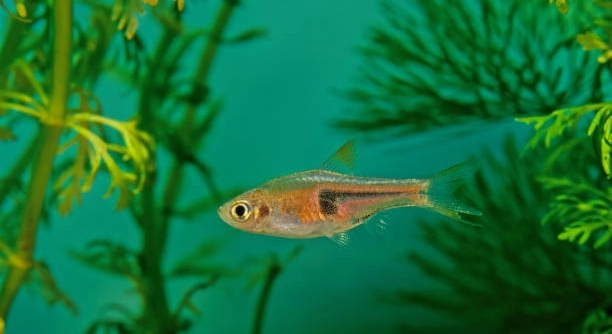
Are your rasboras acting a little off lately, but you’re not quite sure what’s wrong? Subtle signs can sometimes go unnoticed, making it hard to tell if your fish are unhappy.
Rasboras often show signs of stress through changes in behavior, color, and activity levels. Unhappiness in these fish is usually caused by poor water conditions, lack of enrichment, or incompatible tank mates, all of which can affect their well-being.
Recognizing these early signs can make a big difference in their health, giving you the chance to improve their environment before problems get worse.
They’re Hiding More Than Usual
If your rasboras are spending most of their time hiding, it could be a sign that something isn’t right. These fish are naturally active and tend to swim together in groups. While occasional hiding is normal, especially after a big water change or tank rearrangement, doing it constantly may show they are stressed or scared. Common causes include aggressive tank mates, loud noises, or poor lighting. It’s important to observe when and how often they hide. If it happens after a specific event or near certain areas, those details can help pinpoint the issue more clearly.
Constant hiding can lead to more stress and lower immunity.
To help, make sure your tank setup feels secure but not too dark. Add plants or decorations that give your rasboras places to explore without isolating themselves too much. A balanced environment helps them feel safe and encourages normal activity and group behavior.
Their Color Is Starting to Fade
A fading color is often an early sign your rasboras aren’t feeling well.
Healthy rasboras have a noticeable shine and vibrant hues, depending on their species. When their color fades, it’s usually because something in their environment is throwing them off. Poor water quality is one of the most common causes. High levels of ammonia or nitrite can cause stress and weaken their immune systems. Temperature changes or inconsistent lighting can also impact their color. Make sure their tank stays clean, with proper water parameters. Use a reliable test kit and check weekly. Also, avoid overcrowding and aggressive fish that may bully them. If their diet isn’t varied enough, that can also contribute to fading. A high-quality, nutrient-rich food helps support their natural coloration. Over time, with better care and a calm environment, their color usually returns. Keep an eye on how quickly the fading started, as sudden changes may point to something more urgent.
Their Swimming Looks Off
Unusual swimming patterns are often an early warning sign. If your rasboras are darting, twitching, floating sideways, or staying near the surface too long, something in their setup could be bothering them. These changes in movement should not be ignored.
Erratic swimming can point to a few different problems. One common issue is poor water quality—especially high ammonia or nitrate levels. Another possible cause is a sudden shift in temperature, which affects their metabolism and behavior. If the filter flow is too strong, that may also make them struggle to swim normally. Parasites or internal infections can also cause twitching or uncoordinated movement. Always check for other symptoms like clamped fins or loss of appetite. A water test is usually the best place to start when diagnosing the issue. Regular checks and gentle maintenance routines can help prevent problems and keep their swimming steady and relaxed.
Stress from their surroundings can also cause rasboras to swim differently. If the tank is in a high-traffic area, the constant movement around them can make them uneasy. Loud sounds, tapping on the glass, or bright lights turning on suddenly may also be contributing to their erratic behavior. Try to reduce sudden changes and overstimulation. Use a soft, consistent lighting schedule and provide shaded areas using floating plants or tall decorations. When they feel more secure, their swimming patterns usually return to normal. Always address the cause early, as stress can easily lead to illness over time.
They’re Not Eating Like They Used To
Loss of appetite is another subtle but important sign something isn’t right. Rasboras are usually eager eaters, so a sudden disinterest in food is worth looking into.
If your rasboras are ignoring their meals or spitting out food, you’ll want to check their environment first. Poor water conditions can lead to stress, making fish less interested in eating. Cold temperatures may also slow their metabolism. Start by checking your heater and filter. Also, make sure the food hasn’t expired or changed recently. Overfeeding can lead to uneaten food collecting on the bottom, which may impact water quality and discourage eating. It helps to feed in smaller amounts and observe them while they eat. Remove any leftovers right away. A small fast for a day or two won’t hurt them and can sometimes reset their appetite. But if the issue continues, it’s best to consult an aquatic vet or specialist.
They’re Separating From the Group
Rasboras are schooling fish and usually stay close to each other. If one starts swimming alone or lags behind the group, it’s often a sign of stress or discomfort.
Separation can be linked to illness, bullying, or poor water conditions. It’s best to observe the lone fish closely for other signs.
Their Fins Are Clamped
Clamped fins—fins held tightly against the body—usually mean your rasbora isn’t feeling well. This behavior often shows up when fish are exposed to stress, illness, or harmful water parameters. It can also happen when they’re adapting to sudden changes in temperature or tank setup. Look out for other symptoms like lethargy, faded color, or irregular swimming. Use a reliable test kit to check water conditions first. If those are fine, consider possible infections or parasites. Early treatment is key. Try to reduce overall stress by keeping tank conditions stable, avoiding sudden changes, and offering quiet rest areas where your fish can feel safe and recover calmly.
They’re Gasping at the Surface
Gasping at the surface is a common sign your rasboras aren’t getting enough oxygen. Poor water circulation or high waste levels could be the cause. Check your filter, add surface movement, and test the water right away.
How can I tell if my rasbora is stressed or just resting?
Rasboras usually swim actively in groups, so when one suddenly isolates itself or shows unusual behavior, it’s likely stressed rather than resting. Resting fish tend to stay still but not hide for long periods or avoid the group. Stress signs include hiding often, clamped fins, or fading color. Monitoring their environment and water quality helps confirm stress causes.
What water conditions are best for keeping rasboras happy?
Rasboras thrive in clean, well-filtered water with a temperature between 72°F and 78°F (22°C–26°C). The pH should be slightly acidic to neutral, around 6.5 to 7.5. Regular water changes are important to keep ammonia and nitrite at zero and nitrates low. Overcrowding and poor filtration raise stress levels, so a tank with at least 10 gallons and good circulation is ideal.
Why do my rasboras suddenly lose their bright color?
Loss of color usually points to stress or poor health. Water quality issues like high ammonia or nitrite, temperature swings, or improper lighting often cause this. Nutrition also matters—a poor diet lacking variety or nutrients can dull their color. Fixing water parameters and offering a balanced diet often restores their natural vibrancy over time.
What should I feed my rasboras to keep them healthy?
Rasboras eat a mix of high-quality flake food, micro pellets, and live or frozen foods like brine shrimp or daphnia. Variety is key for good nutrition and bright color. Feed small amounts two to three times daily to avoid leftover food, which can degrade water quality. Occasionally supplement with vegetable matter or spirulina flakes for added nutrients.
Can rasboras live with other fish?
Yes, rasboras are peaceful and do well with other non-aggressive species. Good tank mates include small tetras, peaceful rasboras, corydoras catfish, and small gouramis. Avoid larger or aggressive fish that might bully or stress them. Keeping them in groups of at least six also helps reduce stress and encourages natural schooling behavior.
What causes my rasboras to gasp at the surface, and how can I fix it?
Gasping at the surface usually means low oxygen levels or poor water quality. Stagnant water, overcrowding, or a dirty tank can reduce oxygen. Improve surface agitation by adjusting your filter or adding an air stone. Regular water changes and keeping the tank clean will also help maintain healthy oxygen levels for your fish.
How often should I change my tank water for rasboras?
Changing 20-30% of the tank water weekly is a good practice to keep conditions stable and remove waste buildup. Avoid changing too much water at once, as sudden shifts can stress your fish. Use a water conditioner to remove chlorine and chloramine from tap water before adding it to the tank.
What are common diseases that affect rasboras, and what should I watch for?
Common issues include ich (white spots on the body), fin rot (ragged fins), and fungal infections (white patches or fuzzy growth). Early signs may be lethargy, loss of appetite, clamped fins, or abnormal swimming. Quarantining new fish and maintaining good water quality are essential to prevent disease. Treatment varies but often includes medicated baths or adding aquarium-safe medications.
Is it normal for rasboras to hide a lot after being introduced to a new tank?
Yes, new rasboras often hide as they adjust to their environment. This behavior usually lessens after a few days when they become more comfortable. Providing plenty of plants and hiding spots helps them feel secure. If hiding continues for weeks, check water quality and tank conditions for stress factors.
How can I reduce aggression or bullying in my rasbora tank?
Aggression often comes from overcrowding or incompatible tank mates. Ensure your tank isn’t too crowded and avoid aggressive species. Keep rasboras in groups of six or more to spread out any aggression. Adding plenty of plants and decorations also provides hiding spaces and breaks line-of-sight between fish, reducing tension.
Can poor lighting affect my rasboras’ mood and behavior?
Yes, harsh or inconsistent lighting can stress rasboras. They prefer moderate light with some shaded areas created by plants or decorations. Too bright lighting can cause hiding and reduce activity, while very low light might dull their color. A consistent light schedule of about 8-10 hours daily supports healthy behavior and natural rhythms.
What steps should I take if I notice my rasboras are acting sick?
First, test your water to rule out poor conditions. Remove any uneaten food and perform a partial water change. Observe for symptoms like spots, fin damage, or swelling. Quarantine affected fish if possible and consider treatment with appropriate medications. Reducing stress by stabilizing tank conditions helps speed recovery. Always research specific illnesses before applying treatments.
These tips help keep your rasboras healthy, happy, and swimming beautifully. Paying attention to small changes can prevent bigger problems later.
When caring for rasboras, paying close attention to their subtle signs of unhappiness is important. These small changes, like hiding more than usual, fading color, or odd swimming, often come before serious health problems. Catching these signs early allows you to make adjustments to their tank environment, water quality, or diet before the situation worsens. A healthy and stable environment helps rasboras thrive and shows in their behavior and appearance.
Water quality is one of the most critical factors in keeping rasboras happy. Regular testing and maintenance prevent the buildup of harmful chemicals that stress fish. Temperature, pH, and cleanliness must stay within the right ranges for rasboras to feel comfortable. Providing a well-planted tank with enough space and proper tank mates also supports their natural schooling behavior and reduces stress. Feeding a varied, balanced diet is another key part of their well-being. Small changes in their eating habits can signal issues, so monitoring this closely helps you act quickly.
In summary, understanding and recognizing the subtle signs your rasboras show when unhappy is the best way to keep them healthy. Consistent care, clean water, and a calm environment make a big difference in their quality of life. Being attentive to their needs will help your rasboras live longer and display their natural beauty and behavior. With patience and care, your rasboras can be a lively, colorful addition to your tank for years to come.

Hello,
If you enjoy the content that we create, please consider saying a "Thank You!" by leaving a tip.
Every little bit helps us continue crafting quality advice that supports the health, happiness, and well-being of pets around the world, for pets of all shapes, sizes, and species.
We really appreciate the kindness and support that you show us!