
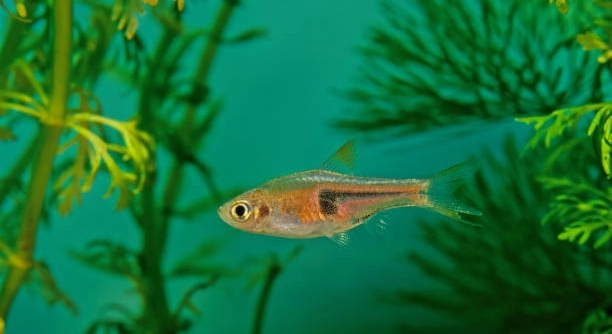
Observing Rasboras can be a calming part of maintaining a healthy aquarium. These small, lively fish display fascinating interactions, and taking a few moments to notice their behavior can strengthen your understanding of their needs and habits.
Rasbora behavior should ideally be observed daily or several times a week, depending on the tank setup. Regular observation allows caretakers to monitor health, social dynamics, feeding patterns, and environmental conditions, ensuring optimal care for these delicate fish.
Consistent monitoring helps you notice small changes early, which can prevent bigger issues and enhance your enjoyment of maintaining a vibrant, balanced aquarium.
Why Observing Rasbora Behavior Matters
Watching Rasboras closely helps you understand their health and social needs. These fish are sensitive to water changes, tank mates, and feeding schedules. By observing their behavior, you can notice early signs of stress, illness, or aggression. Small behaviors, like fin clamping, hiding, or unusual swimming, can indicate issues with water quality or diet. Regular observation also allows you to see how they interact with one another. Rasboras are schooling fish, and their social structure affects overall tank harmony. Recognizing patterns in swimming, feeding, and resting helps you maintain a stable and healthy environment. Over time, you will become more skilled at detecting subtle changes that might otherwise go unnoticed. Consistent monitoring ensures that you can respond quickly and prevent problems from escalating. It also makes caring for the fish more engaging, as you can anticipate their needs and adjust conditions accordingly. Observing them becomes both practical and enjoyable.
Daily observation fosters a better understanding of each Rasbora’s personality and behavior patterns, which is crucial for maintaining a balanced aquarium.
Spending a few minutes each day watching your Rasboras helps you learn their routines. You will notice how they react to new food, changes in lighting, or the presence of other fish. Observation can also reveal subtle signs of disease early, such as faded colors, clamped fins, or unusual swimming. It helps you adjust feeding schedules, water temperature, and tank conditions to keep the fish comfortable. Over time, you develop a stronger connection with your aquarium, and the fish’s natural behaviors become predictable. The more you watch, the more you can create an environment that supports healthy growth, reduces stress, and encourages natural schooling behavior. By taking notes or simply remembering patterns, you can spot problems before they become serious. Observation also helps you understand which fish get along and which may need more space or hiding spots. Consistent attention ensures that the aquarium remains vibrant, active, and stable for all Rasboras.
Signs to Watch in Rasbora Behavior
Noticing changes in activity, color, or feeding habits can prevent serious health issues. Early detection is key.
Common signs of concern include lethargy, loss of appetite, or erratic swimming. Rasboras may also hide excessively or separate from the school. Water quality, temperature, or tank stress can trigger these behaviors. Recognizing these signs quickly allows adjustments to prevent illness. For example, ensuring proper filtration, avoiding overcrowding, and maintaining regular water changes can reduce stress. Observing interactions between fish can reveal bullying or competition that may require rearranging tank decorations or providing more hiding spots. Subtle changes like fin deterioration or faded coloration indicate the need for dietary or environmental adjustments. By keeping a close watch, caretakers can respond efficiently, providing treatment or isolation if necessary. Healthy Rasboras display active schooling, vibrant colors, and consistent feeding behavior. Monitoring these patterns consistently helps maintain long-term health and stability. Understanding behavior also guides improvements in tank setup, feeding routines, and social dynamics. Observation is both a preventive and informative practice that supports happy, healthy fish.
Setting a Routine for Observation
Observing Rasboras at consistent times helps identify changes in behavior. Daily or every-other-day checks create a clear picture of normal activity, feeding patterns, and interactions, making unusual behavior easier to spot.
A set routine ensures that observation becomes part of daily care rather than a sporadic activity. Checking the tank at the same time each day allows you to compare behavior under similar conditions. Rasboras may behave differently during feeding, light changes, or when new tankmates are introduced. Regular observation helps detect stress indicators, like hiding or erratic swimming, and supports consistent water quality monitoring. You can track responses to diet adjustments, decorations, or changes in tank temperature. This approach not only keeps the fish healthier but also improves your ability to react to minor issues before they escalate. Consistency in observation builds familiarity with individual fish and their social interactions, enhancing overall tank management.
Keeping a log or mental notes of behaviors during each observation provides valuable insight over time. Patterns in feeding, schooling, or resting can indicate both good health and early warning signs. This systematic approach helps detect subtle changes that might otherwise go unnoticed. Additionally, observing regularly can improve decision-making regarding tank adjustments, decorations, or adding new fish. Understanding normal behavior allows quicker responses to illness or stress, ensuring Rasboras thrive in a stable environment. The practice also strengthens your connection with the fish, making care more intuitive and effective.
Tools and Techniques for Effective Observation
Using simple tools like notebooks, cameras, or phone timers improves observation accuracy and consistency. Short recordings help track changes over weeks.
Documenting behaviors in a notebook or digital log provides a reference for comparing daily activity. Cameras or short video clips can capture fleeting behaviors that might be missed in person. Observing from different angles or lighting conditions reveals how fish respond to their environment. Timing behaviors, like feeding response or swimming patterns, gives measurable data to monitor progress or stress. Environmental tools, such as thermometers or water test kits, support observation by linking behavior to conditions. Combining visual observation with environmental data allows a more complete understanding of Rasbora health, schooling patterns, and social interactions. This structured approach helps you make informed adjustments, keeping the tank balanced and the fish active. Tracking consistently reduces the risk of overlooking early warning signs and enhances overall care quality.
Common Behavioral Patterns
Rasboras often swim in tight schools, which helps them feel secure. Observing these patterns reveals their comfort level and social interactions within the tank.
Changes in schooling behavior, such as splitting into smaller groups or isolating, can indicate stress, illness, or environmental issues.
Adjusting Observation Based on Tank Conditions
Observation frequency may need to change depending on tank size, number of fish, or environmental complexity. Smaller tanks with fewer Rasboras require less frequent monitoring, while larger or more densely populated tanks benefit from daily checks. Environmental factors, like temperature fluctuations, water flow, or lighting, also influence behavior. Adjusting observation routines ensures that any stress, aggression, or illness is noticed early. By matching observation to tank conditions, caretakers can respond quickly, maintain water quality, and support natural schooling and feeding behaviors. Regular assessment tailored to the tank prevents long-term issues and promotes a balanced habitat.
Benefits of Consistent Observation
Frequent and structured observation helps maintain fish health, reduces stress, and ensures a more vibrant aquarium environment.
FAQ
How often should I check my Rasboras?
Daily observation is ideal for Rasboras, especially in tanks with multiple fish or new setups. Short, consistent checks allow you to notice subtle changes in behavior, feeding, and swimming patterns. For smaller tanks or stable established tanks, checking several times a week may be sufficient. The goal is to understand what is normal so that any unusual behavior is easier to detect. Consistency is more important than long observation periods; even a few minutes each day can provide valuable insight into their health and social dynamics.
What are the signs of stress in Rasboras?
Rasboras show stress through behavior changes, such as hiding more than usual, clamped fins, or erratic swimming. Loss of appetite, faded colors, or staying isolated from the school are also common signs. Stress often results from poor water quality, aggressive tankmates, or sudden environmental changes. Observing these behaviors early allows for adjustments, such as checking water parameters, adding hiding spots, or improving tank conditions. Quick responses help prevent illness and ensure the fish return to normal activity.
How do I track Rasbora behavior effectively?
Using a notebook or phone app is an effective way to track daily behaviors. Note patterns in feeding, swimming, and interactions with other fish. Video recordings can capture short-term behaviors that may be missed during casual observation. Combine notes with environmental data, like water temperature, pH, and lighting schedule, to see how conditions influence activity. Tracking behavior over weeks helps identify trends, predict potential issues, and make informed decisions about diet, tank adjustments, or adding new fish.
Can Rasboras behave differently at different times of the day?
Yes, Rasboras often display varying activity based on light levels, feeding schedules, and tank activity. Morning checks may show heightened feeding behavior, while afternoons or evenings might reveal resting or schooling patterns. Observing at different times helps you understand natural routines and ensures any deviations are noticed promptly. Recognizing these patterns supports better tank management and helps prevent unnecessary stress.
What should I do if I notice unusual behavior?
First, check water parameters, including temperature, pH, ammonia, nitrites, and nitrates. Ensure that the tank environment is stable and free from stressors like aggressive fish or overcrowding. Provide additional hiding spots or rearrange decorations if necessary. Monitor the fish closely for a few days to see if behavior improves. If issues persist, consider consulting a fish health specialist. Early detection and careful adjustments can prevent minor issues from turning into serious health problems.
Are there differences in behavior between species of Rasboras?
Different Rasbora species may display subtle variations in swimming speed, schooling behavior, or feeding habits. For example, Harlequin Rasboras are highly social and prefer tight schools, while some other species may spread out more in the tank. Knowing the specific species helps tailor observation routines, feeding schedules, and tank setup. Understanding species-specific behaviors allows caretakers to identify normal versus abnormal activity, ensuring a healthy and harmonious aquarium environment.
How long does it take to recognize normal behavior?
With daily or regular observation, it usually takes a few weeks to recognize typical patterns. This period allows you to see regular feeding times, schooling formations, and resting habits. Keeping consistent records speeds up the learning process and helps spot deviations faster. The more time you spend observing, the more intuitive understanding you develop, allowing quicker responses to environmental changes or potential health concerns.
Can observation improve Rasbora health?
Absolutely. Regular observation helps identify illness, stress, or social issues early. Early detection allows for timely adjustments in diet, water quality, and tank conditions. By understanding their behaviors, caretakers can create a more stable and comfortable environment, supporting natural activity, social interactions, and overall well-being. Consistent observation is a preventive and proactive measure that significantly benefits Rasbora health.
Is it okay to observe without interacting?
Yes, Rasboras respond best to minimal direct interaction. Observation should be passive, focusing on watching swimming patterns, feeding, and social behaviors. Avoid tapping the glass or sudden movements, as these can stress the fish. Passive observation ensures that the behavior you see is natural and reliable, giving an accurate picture of their health and social dynamics.
What tools can help with better observation?
Simple tools like notebooks, phone apps, or cameras help track behavior consistently. Timers can remind you to check the tank at regular intervals. Water test kits, thermometers, and lighting timers complement behavioral observation by providing environmental context. Using these tools together improves accuracy and ensures a well-maintained, healthy habitat for Rasboras.
This FAQ provides guidance on creating effective observation routines, tracking behavior, and responding to changes, ensuring Rasboras remain healthy and active. Regular, structured observation is key to long-term success.
Observing Rasbora behavior is an essential part of keeping these small fish healthy and happy. By paying attention to their daily routines, feeding patterns, and interactions within the school, you gain a clearer understanding of their needs. Small details, such as how they swim together, when they rest, or how they react to changes in the tank, can provide important clues about their well-being. Regular observation also allows you to detect early signs of stress or illness, which can make a big difference in maintaining a stable and safe environment. Over time, this practice helps you recognize what is normal for your specific fish, making it easier to identify any deviations that may require attention.
Creating a consistent observation routine is particularly helpful. Checking the tank at similar times each day, even for a few minutes, allows you to compare behavior under consistent conditions. This routine helps you spot small changes that might otherwise go unnoticed, such as slight color fading, changes in appetite, or shifts in schooling patterns. Tracking behavior through notes or short video recordings can add even more accuracy to your observations. By combining these visual observations with monitoring of water parameters, such as temperature, pH, and ammonia levels, you can better understand how environmental factors affect Rasbora behavior. This methodical approach ensures that any necessary adjustments can be made promptly, reducing stress on the fish and preventing minor issues from escalating into major problems.
Regular observation also contributes to the overall enjoyment of maintaining an aquarium. Watching Rasboras swim together and interact naturally can be both calming and engaging, giving a sense of connection to your tank. It strengthens your ability to create a healthy, balanced environment where the fish can thrive. Additionally, understanding their behavior allows you to make informed decisions about feeding, tank decorations, and the addition of new fish. By dedicating consistent attention to observation, you not only support the physical health of your Rasboras but also enhance the overall harmony and vibrancy of the aquarium. Over time, this careful, structured attention builds confidence in your ability to care for your fish and ensures they lead active, healthy lives.

Hello,
If you enjoy the content that we create, please consider saying a "Thank You!" by leaving a tip.
Every little bit helps us continue crafting quality advice that supports the health, happiness, and well-being of pets around the world, for pets of all shapes, sizes, and species.
We really appreciate the kindness and support that you show us!