
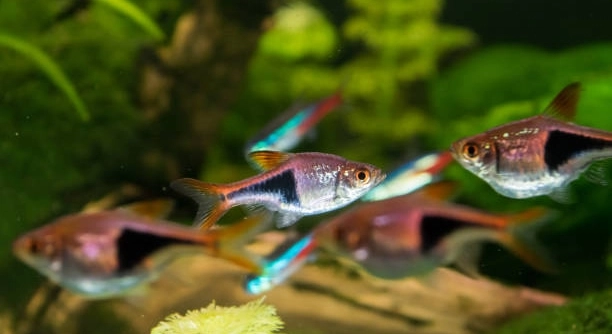
Keeping a Rasbora tank peaceful is important for the well-being of these small, active fish. Many aquarists struggle with aggression and stress, which can disrupt the natural harmony of the tank and affect their behavior and health.
A Rasbora tank can be made peaceful by maintaining proper tank size, providing adequate hiding spaces, keeping consistent water parameters, avoiding overcrowding, selecting compatible tank mates, ensuring balanced nutrition, and implementing regular maintenance routines. These steps collectively reduce stress and promote calm behavior.
Following these practical steps will help create a harmonious environment where your Rasboras can thrive and display their natural, graceful swimming patterns.
Choosing the Right Tank Size
A properly sized tank is the first step in keeping Rasboras peaceful. Small tanks can cause stress and aggression as fish compete for limited space. I learned that even a few extra gallons can make a noticeable difference. A tank of at least 20 gallons is ideal for a small school of Rasboras, allowing them room to swim freely. Adequate space helps reduce territorial behavior, which is common when fish feel confined. Decorating the tank with plants, rocks, and hiding spots further increases usable space and gives the fish a sense of security. Open swimming areas combined with shaded corners let Rasboras express natural behaviors without feeling threatened. A larger tank also stabilizes water parameters more effectively, minimizing sudden changes that can stress fish. Observing the school in a spacious environment is calmer and more enjoyable, as they form loose social groups and interact peacefully with each other.
A spacious tank prevents conflicts and keeps Rasboras calm, reducing aggressive behavior and stress over time.
Maintaining an adequately sized tank is essential for the social and physical health of Rasboras. A cramped environment can lead to continuous chasing and hiding, disrupting natural schooling patterns. By giving them space to swim and explore, fish can develop stable social hierarchies without confrontation. Adding plants and decor breaks lines of sight, which limits aggressive displays and provides retreat areas. With enough room, the fish establish territories naturally, and their interactions become less tense. This approach also promotes better water quality, as larger volumes dilute waste more efficiently. A well-sized tank encourages active, healthy fish, making feeding and observing routines more satisfying. Ultimately, the size of the tank directly impacts their daily behavior and long-term well-being, allowing Rasboras to thrive peacefully together.
Providing Hiding Places
Hiding places help Rasboras feel secure and reduce stress. Plants, rocks, and decorations create safe spots for retreat when they feel threatened or overwhelmed.
Dense plant clusters, caves, and driftwood work best for shy or stressed individuals. By mimicking natural environments, these hiding spots allow fish to rest, recover, and avoid conflicts. I noticed that when my tank had more shelters, the fish were calmer and more active during the day. Proper placement of decorations ensures that swimming areas remain open while still offering retreats. These areas reduce constant chasing, especially during feeding times or when introducing new tank mates. Creating multiple hiding spots encourages natural behavior like schooling and exploring without triggering territorial aggression. Even minimal additions of plants or small structures can make a significant difference, balancing visibility and security. Over time, the fish seem more confident, exploring the tank while knowing they can retreat if needed, leading to a more harmonious tank atmosphere.
Maintaining Consistent Water Parameters
Stable water conditions keep Rasboras calm and healthy. Sudden changes in temperature, pH, or hardness can stress fish and trigger aggression. I keep my tank parameters consistent to prevent unnecessary conflicts.
Regular testing and gradual adjustments are essential. Rasboras thrive in slightly acidic to neutral water with temperatures between 74 and 80°F. Frequent fluctuations in pH or hardness can disturb their natural behavior, making them more prone to chasing or hiding. I use a reliable heater and a gentle filter to maintain steady conditions. Water changes are done carefully, replacing only a portion at a time to avoid shocking the fish. Observing their behavior after adjustments helps ensure the environment remains comfortable. Proper maintenance keeps both the fish and the tank stable.
Keeping water conditions predictable promotes long-term peace in the tank. Consistent temperature and chemistry reduce stress and prevent aggressive interactions. I’ve found that when parameters are stable, Rasboras interact more naturally, swim in groups calmly, and explore their surroundings confidently. This stability also improves their appetite and overall health, resulting in brighter colors and more active swimming. Monitoring water quality daily and making small adjustments rather than drastic changes preserves the tank’s equilibrium. Over time, this approach builds a harmonious environment where each fish can thrive without unnecessary tension or competition.
Selecting Compatible Tank Mates
Choosing peaceful tank mates is essential for a calm Rasbora tank. Aggressive or larger species can provoke stress and disrupt social dynamics. I carefully select companions that match Rasboras’ temperament.
Small, non-aggressive fish like Tetras, Corydoras, or small Gouramis work well in community setups. Avoiding fin-nippers or overly active species prevents bullying and maintains balance. Proper research before adding any new fish is important to ensure compatibility with Rasboras’ schooling behavior.
When tank mates are compatible, the entire aquarium becomes more harmonious. Stress levels drop, and fish can focus on feeding and exploring rather than defending territory. I always observe interactions closely during the first days of introduction, separating any aggressive individuals if necessary. Providing multiple hiding spots and maintaining a spacious tank further supports peaceful coexistence. The right companions enhance the natural beauty of the tank, creating a lively yet calm environment where Rasboras and their neighbors can thrive together without tension or conflict.
Avoiding Overcrowding
Overcrowding causes stress and increases aggression among Rasboras. I make sure the tank has enough space for each fish to swim freely and establish personal areas.
A small school in a properly sized tank reduces chasing and fin nipping. Overcrowding not only stresses the fish but also impacts water quality and overall tank health.
Feeding Balanced Diets
Providing a balanced diet keeps Rasboras healthy and reduces competition. I offer a mix of high-quality flakes, frozen foods, and occasional live treats to meet their nutritional needs.
Varied food prevents dominant fish from monopolizing meals and keeps everyone satisfied. Overfeeding can pollute the water and trigger aggression, so I feed small portions multiple times a day.
Regular Tank Maintenance
Consistent cleaning and partial water changes prevent waste buildup, keeping the environment stress-free. I follow a weekly schedule to maintain clarity and quality.
Observing Behavior
Watching the fish daily helps detect early signs of stress or conflict. I take notes on interactions and adjust the tank setup if needed.
FAQ
How many Rasboras should I keep together?
Rasboras are schooling fish and feel most comfortable in groups. I keep at least six together in my tank. Smaller numbers can lead to stress and shyness, while larger groups help them establish social hierarchies and display natural schooling behavior.
What is the ideal tank size for a Rasbora school?
A tank of 20 gallons or more works well for a small school of Rasboras. I find that extra space allows them to swim freely, reduces chasing, and helps maintain stable water parameters. Decorations and plants should be added without restricting open swimming areas.
Which water parameters are best for Rasboras?
Rasboras thrive in slightly acidic to neutral water, with a pH of 6.5 to 7.5. Temperatures should stay between 74 and 80°F. I monitor these conditions regularly and adjust gradually to avoid stressing the fish. Stable water chemistry is key for calm behavior.
What types of tank mates are suitable?
Peaceful, small fish like Tetras, Corydoras, or small Gouramis make good companions. I avoid fin-nipping or aggressive species, as they can provoke stress and disrupt the school. Observing behavior after introducing new fish helps ensure compatibility.
How often should I feed Rasboras?
I feed small portions two to three times a day. A balanced diet of flakes, frozen foods, and occasional live foods keeps them healthy. Overfeeding can pollute water and trigger aggression, so I always monitor consumption and remove uneaten food.
Do Rasboras need hiding spots?
Yes, plants, rocks, and driftwood create safe areas where Rasboras can retreat. I place multiple hiding spots so fish feel secure and avoid constant chasing. Even shy individuals become more confident with accessible shelters.
How often should I perform water changes?
I do partial water changes of 20-25% weekly. This prevents waste buildup, maintains stable parameters, and keeps the tank clean. Sudden large water changes can stress fish, so gradual adjustments are best.
Can Rasboras live in a planted tank?
Absolutely. A planted tank mimics their natural habitat and reduces stress. I include dense plant clusters and open swimming spaces, which encourage calm behavior and natural schooling patterns. Plants also improve water quality and oxygen levels.
What signs indicate stress in Rasboras?
Stress can appear as hiding, clamped fins, erratic swimming, or loss of appetite. I watch for these signs daily and check water parameters, tank mates, and tank setup to identify and resolve the issue quickly.
Are Rasboras sensitive to changes in the tank?
Yes, sudden temperature shifts, chemical changes, or new decorations can unsettle them. I introduce changes gradually, giving fish time to adjust. This helps maintain a peaceful environment and reduces conflicts in the school.
How can I reduce aggression among Rasboras?
Providing adequate space, hiding spots, compatible tank mates, and stable water conditions all help. I also monitor feeding and prevent overcrowding. When these factors are balanced, the fish interact naturally without frequent chasing or stress.
Do Rasboras require a specific type of filter?
I use a gentle filter to maintain clean water without creating strong currents. Rasboras prefer calm swimming areas, so filters that produce minimal turbulence keep the tank peaceful while still supporting water quality.
Is it necessary to monitor water chemistry regularly?
Yes, frequent testing for pH, temperature, and hardness prevents stress and aggression. I record results and make small adjustments as needed. Consistent water conditions are crucial for long-term health and peaceful behavior in the tank.
How long do Rasboras typically live?
With proper care, Rasboras live around 4 to 6 years. I maintain consistent water parameters, a balanced diet, and a calm environment to support their lifespan and ensure they remain healthy and active.
Can I add decorations at any time?
Decorations should be added thoughtfully. I place them gradually and observe fish reactions. Sudden changes can cause stress, while gradual updates allow the fish to adapt and maintain peaceful behavior.
Do Rasboras need companions of the same species?
Yes, they feel safest in their own school. I always keep at least six Rasboras together to support natural social interactions, reduce stress, and promote schooling behavior. Smaller groups may feel insecure and exhibit shy or erratic behavior.
How do I handle sick or injured fish?
I remove any sick or injured fish to a quarantine tank to prevent stress and disease spread. Observing their behavior and water conditions helps determine the cause. Treating illness early supports recovery and preserves a calm main tank.
Can lighting affect Rasboras’ behavior?
Yes, I maintain moderate lighting. Too bright can stress them, while dim lighting encourages natural activity and exploration. Plants also provide shaded areas, letting fish adjust exposure to light as they feel comfortable.
What is the best way to introduce new Rasboras?
I acclimate them slowly using a drip or floating method to match water temperature and chemistry. Gradual introduction reduces stress and helps them integrate peacefully with the existing school. Observing interactions for a few days ensures harmony.
Do Rasboras require special care during breeding?
Yes, breeding requires separate tanks with fine-leaved plants or spawning mops. I provide optimal water conditions, gentle filtration, and minimal disturbance. After spawning, adults may need to be removed to prevent egg predation, ensuring a successful hatch.
Final Thoughts
Keeping a Rasbora tank peaceful requires attention to detail and consistent care. Small actions can have a significant impact on the overall environment. I have learned that even minor changes, like adding a few plants or rearranging decorations, can help fish feel more secure. Peaceful Rasboras are not only calmer but also more active, showing natural schooling behavior that is enjoyable to watch. By maintaining a stable tank environment and providing enough space, I notice less chasing, fewer signs of stress, and a more harmonious interaction among the fish. Simple practices, such as monitoring water parameters, avoiding overcrowding, and selecting compatible tank mates, form the foundation for a peaceful Rasbora tank.
Regular maintenance plays a critical role in keeping the tank calm and the fish healthy. I schedule consistent water changes, test water chemistry, and ensure that the filter is running smoothly without creating too strong a current. Providing hiding spots, such as plants, driftwood, or small caves, gives Rasboras places to retreat and reduces conflicts. I have observed that when fish feel secure, they interact more naturally, swimming in groups without constant chasing. A balanced diet also contributes to a peaceful environment. Offering small portions multiple times a day prevents competition over food and helps maintain even behavior across the school. Over time, these daily routines establish a predictable and stable environment where the fish thrive.
Creating a peaceful Rasbora tank is about observing the fish and responding to their needs thoughtfully. I pay attention to their behavior, noticing any signs of stress or aggression early and making adjustments as needed. Gradual changes, whether in decorations, tank mates, or water parameters, prevent unnecessary tension and maintain calm interactions. The key is consistency and patience. By focusing on space, water quality, hiding places, compatible companions, and feeding habits, a harmonious tank is achievable. Watching the Rasboras swim together calmly becomes a rewarding experience, reflecting the care invested in creating a balanced and stress-free environment. Over time, these practices not only ensure the fish’s well-being but also make the tank a peaceful and enjoyable space.

Hello,
If you enjoy the content that we create, please consider saying a "Thank You!" by leaving a tip.
Every little bit helps us continue crafting quality advice that supports the health, happiness, and well-being of pets around the world, for pets of all shapes, sizes, and species.
We really appreciate the kindness and support that you show us!