
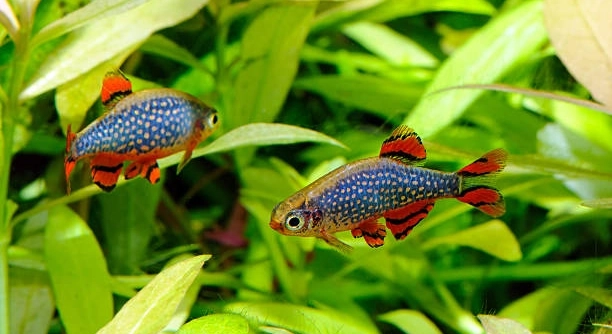
Are your aquariums filled with Danios, but the lighting is too low for most plants to thrive? Many common aquarium plants need bright light, leaving low-light setups looking bare and sparse. Choosing the right greenery matters.
Several plant species thrive in low-light conditions while providing natural cover and oxygenation for Danio environments. Selecting hardy plants like Java Fern, Anubias, and Cryptocoryne ensures sustainable growth and creates a visually appealing, safe habitat for these active fish.
These low-light plants not only survive but enhance the aquarium’s ecosystem, giving your Danios places to swim, hide, and feel secure. Exploring them can transform your tank’s look and function.
Java Fern
Java Fern is one of the most reliable low-light plants for Danio tanks. It requires very little maintenance and can attach to rocks or driftwood rather than needing substrate planting. Its long, green leaves provide excellent hiding spots for fish, helping them feel secure. Unlike some plants, Java Fern grows slowly, which reduces the need for frequent trimming. It tolerates a wide range of water conditions and does not demand strong lighting to thrive. Many aquarists appreciate its resilience, as it can survive small fluctuations in temperature and water parameters. This plant is also resistant to being eaten by most Danios, ensuring it stays intact over time. Its appearance is natural and elegant, complementing other plants in the tank while creating depth and contrast. Java Fern contributes to water quality by absorbing nutrients, helping prevent algae growth.
Java Fern thrives in shaded areas, making it ideal for tanks with limited light and busy fish.
Its low-maintenance nature allows you to focus on fish care rather than constant plant upkeep. By attaching it to driftwood or rocks, it creates natural hiding spots and adds vertical layers to the tank, improving both aesthetics and fish well-being. Regularly removing decaying leaves and occasional trimming encourages healthier growth. Because it grows slowly, it rarely overtakes the tank, and its hardy leaves resist damage from Danios swimming actively around it. Its tolerance to a variety of water conditions makes it suitable for beginners and experienced aquarists alike. Adding Java Fern enhances the overall balance of your aquarium, offering both functional and decorative benefits.
Anubias
Anubias plants are perfect for low-light Danio tanks due to their sturdy structure and slow growth.
These plants attach easily to rocks or driftwood and offer hiding spaces without requiring strong light.
Anubias is highly resilient and adaptable. It can thrive in low-light conditions, tolerates fluctuations in water temperature, and resists damage from active fish like Danios. Its broad leaves provide shade and shelter, helping fish feel secure. Regular trimming of old leaves supports steady growth, and it can be grown fully submerged or partially above water for unique tank displays. Its ability to absorb excess nutrients aids in maintaining water quality and controlling algae. Anubias can be paired with other low-light plants for layered aesthetics. Despite its slow growth, it creates a significant impact on the aquarium’s overall appearance, enhancing both functionality and visual appeal. Its hardy nature makes it a practical choice for any low-light setup.
Cryptocoryne
Cryptocoryne adapts well to low-light conditions and slow-growing environments. Its compact size makes it ideal for midground planting in Danio tanks, offering shelter without overwhelming the space. Regular trimming of older leaves keeps it healthy and encourages new growth.
Cryptocoryne is highly tolerant of water parameter changes, making it a stable choice for low-light aquariums. Its varied leaf shapes and colors add texture and depth, improving the tank’s visual appeal. Because it grows slowly, it requires minimal maintenance. It thrives in substrate planting and can be paired with other low-light species like Anubias or Java Fern for layered aesthetics. Its presence encourages natural behavior in Danios, as they swim through its leaves and use it for hiding. Cryptocoryne also helps absorb excess nutrients, reducing algae growth and maintaining cleaner water over time. Its resilience and adaptability make it a reliable option for both beginner and experienced aquarists.
The plant’s ability to thrive in shaded areas while enhancing the tank’s look makes it an essential choice. Placing it strategically in midground or corners allows fish to navigate comfortably, and its low light requirement ensures consistent growth without supplemental lighting. Over time, its natural leaf patterns create a dynamic environment that benefits both fish and the overall ecosystem. Pairing multiple Cryptocoryne varieties increases contrast, giving the tank a balanced and lively appearance. Regular care, such as removing dying leaves and ensuring proper substrate nutrients, promotes healthy growth and longevity, making this plant both practical and visually rewarding.
Java Moss
Java Moss spreads quickly and thrives in low-light tanks, providing dense coverage for Danios. Its soft, tangled structure offers hiding spaces and creates a natural floor or carpet effect.
This moss is extremely hardy and grows in various water conditions, including cooler temperatures. Its flexibility allows it to attach to driftwood, rocks, or mesh, creating visually interesting layouts. It offers protective cover for small fry, promoting safer breeding environments. Java Moss also supports beneficial microorganisms, improving water quality and nutrient cycles. Though it grows slowly in very low light, occasional trimming prevents overgrowth and keeps the tank tidy. Pairing it with other low-light plants like Anubias or Cryptocoryne enhances contrast and texture, producing a natural, layered appearance that benefits both fish and the aquarium ecosystem.
Its adaptability and decorative potential make Java Moss a practical addition. By creating vertical and horizontal coverage, it offers hiding spots and resting areas for Danios while supporting water health. The moss’s ability to integrate with hardscape elements allows for creative aquascaping, giving the tank depth and dimension. Its dense growth can reduce algae formation, and its slow, manageable spread ensures long-term sustainability. Maintaining Java Moss requires minimal effort, just occasional trimming to remove dead fragments and prevent overcrowding. Combining it with other low-light plants can produce a balanced and functional aquarium environment, enhancing both aesthetics and fish well-being.
Hornwort
Hornwort grows quickly and tolerates low-light conditions, making it suitable for Danio tanks. Its feathery stems provide excellent cover and oxygenation.
This plant floats freely or can be anchored, giving flexibility in tank arrangement. It reduces excess nutrients, helping control algae and supporting a healthier environment for fish.
Vallisneria
Vallisneria thrives in low-light aquariums and creates long, ribbon-like leaves that reach the water surface. It adds height and movement to the tank while providing hiding spaces for Danios. Its hardy nature allows it to withstand fluctuations in water conditions.
Marimo Moss Ball
Marimo Moss Balls grow slowly and require minimal light, making them ideal for low-light setups. They help absorb excess nutrients and add a soft, spherical shape that contrasts nicely with other plants.
FAQ
Which low-light plants are safest for Danios?
Java Fern, Anubias, Cryptocoryne, Java Moss, Hornwort, Vallisneria, and Marimo Moss Balls are all safe choices. These plants grow slowly or moderately in low-light conditions and provide shelter without being easily damaged by active Danios.
How do I plant low-light species in my tank?
Attach Java Fern and Anubias to driftwood or rocks instead of burying their rhizomes. Plant Cryptocoryne and Vallisneria in substrate, ensuring roots are covered while keeping leaves exposed. Java Moss can be tied to surfaces or allowed to float freely. Hornwort and Marimo Moss Balls do not require strict planting.
How much light do these plants need?
Most low-light plants can survive with 0.25 to 0.5 watts per liter, depending on the tank size. Java Fern and Anubias need very minimal light, while Cryptocoryne prefers a few hours of indirect lighting. Marimo Moss Balls thrive in shaded areas.
Do low-light plants grow slowly?
Yes, many of these species grow slowly. Java Fern, Anubias, and Marimo Moss Balls are particularly slow-growing, which reduces maintenance. Fast-growing plants like Hornwort may need occasional trimming even in low light. Slow growth also helps prevent the tank from becoming overrun.
Can Danios eat low-light plants?
Most Danios ignore hardy plants like Java Fern, Anubias, Cryptocoryne, and Marimo Moss Balls. Hornwort and Vallisneria may experience some nibbling, but damage is minimal. Providing plenty of hiding places and stable plant attachments helps prevent stress or uprooting.
How do I maintain low-light plants?
Remove dead or decaying leaves to prevent water quality issues. Trim overgrown moss and fast-growing stems to maintain balance. Check water parameters regularly, as stable conditions promote healthy growth even under low light. Fertilization is optional but can improve plant health.
Will low-light plants prevent algae growth?
Yes, low-light plants help reduce algae by absorbing excess nutrients and competing for resources. Java Fern, Anubias, and Cryptocoryne are particularly effective. Floating or densely packed plants like Hornwort and Java Moss provide shade, limiting algae development. Regular cleaning and trimming further control algae.
Can I combine different low-light plants in one tank?
Absolutely. Mixing plants like Java Fern, Anubias, Cryptocoryne, and Marimo Moss Balls creates a layered environment. Tall plants like Vallisneria complement low-growing moss, while floating Hornwort adds depth. Combining species enhances aesthetics, provides hiding spaces, and supports natural behaviors.
Do low-light plants need CO₂ supplementation?
Most low-light plants thrive without additional CO₂, relying on ambient dissolved carbon. Fertilizers with micronutrients support growth, but CO₂ injection is generally unnecessary unless aiming for faster or denser growth. Maintaining regular water changes and balanced lighting ensures healthy plants without supplements.
How often should I trim these plants?
Trim slow-growing species like Java Fern, Anubias, and Marimo Moss Balls every few months. Faster-growing plants like Hornwort or Vallisneria may need trimming every 2–4 weeks to prevent overcrowding. Remove damaged leaves and control spreading to maintain a tidy, healthy aquarium.
Can low-light plants survive in cold water?
Yes, most low-light species tolerate a range of temperatures suitable for Danios. Java Fern, Anubias, Cryptocoryne, and Marimo Moss Balls adapt well to cooler water, while Vallisneria and Hornwort can handle moderate fluctuations without stress. Stable temperatures improve growth consistency.
Are fertilizers necessary for low-light plants?
Fertilizers are optional. Many species grow well with nutrients from fish waste and water changes. Liquid fertilizers or root tabs can support growth for Cryptocoryne or Vallisneria. Avoid over-fertilizing, as it may encourage algae rather than enhancing plant health.
How do I prevent plants from floating away?
Attach Java Fern and Anubias to rocks or driftwood. Secure Java Moss with mesh or plant ties until it roots. Hornwort can be anchored with weights, or allowed to float freely. Ensuring proper attachment and occasional maintenance keeps plants stable in the tank.
Can low-light plants survive in tanks with strong currents?
Yes, hardy plants like Java Fern, Anubias, and Cryptocoryne withstand moderate currents. Hornwort may sway but grows well if anchored. Avoid burying rhizomes under heavy substrate or gravel, as strong currents can dislodge delicate roots or moss.
Do low-light plants improve fish behavior?
Absolutely. Dense plants provide shelter, resting areas, and boundaries for Danios, reducing stress and encouraging natural swimming patterns. Java Moss and Marimo Moss Balls create soft hiding spots, while tall or broad-leafed plants offer vertical cover, supporting healthy, active fish behavior.
How long do these plants live?
With proper care, low-light plants can live for several years. Java Fern, Anubias, and Marimo Moss Balls are particularly long-lived. Cryptocoryne and Vallisneria may need occasional replanting but can also persist for many years. Regular trimming and stable water conditions promote longevity.
Can I use low-light plants with other fish species?
Yes. Most low-light plants are compatible with community tanks. They provide shelter for small or shy species and are hardy enough to withstand active or slightly nippy fish. Avoid species that dig heavily in the substrate, as they may uproot plants.
Are there any low-light plants that bloom?
Some Cryptocoryne species and Anubias occasionally produce flowers even in low light. While blooms are not frequent, they add visual interest. Flowering does not harm the plant and can indicate healthy growth conditions, especially when water and nutrients are stable.
How do I replant or propagate these species?
Java Fern and Anubias propagate by rhizome division. Cryptocoryne produces runners for new plants. Java Moss can be divided into smaller clumps. Marimo Moss Balls can be gently shaped or cut. Vallisneria produces runners, while Hornwort can grow new shoots from cuttings.
Can these plants survive in low-tech tanks?
Yes, low-light plants are ideal for low-tech setups. They do not require CO₂ injection or high-intensity lighting. Regular water changes, occasional trimming, and monitoring for decaying leaves are usually sufficient to maintain a healthy, thriving aquarium.
Do low-light plants help with tank maintenance?
Yes. They absorb excess nutrients, reduce algae growth, and improve water quality. By providing shelter and creating natural filtration through their leaves and roots, plants like Java Fern, Cryptocoryne, and Hornwort decrease maintenance demands while supporting a balanced ecosystem.
Low-light plants are a practical and attractive choice for Danio aquariums. They require minimal lighting, making them easy to maintain even in tanks without advanced equipment. Plants like Java Fern, Anubias, and Cryptocoryne grow slowly but steadily, providing natural shelter for Danios while helping maintain water quality. Their resilience allows them to survive small fluctuations in temperature and water parameters, reducing stress for both the plants and the fish. By adding these species, you create a balanced environment that supports fish behavior, offering spaces for resting, hiding, and swimming freely. Even small tanks benefit from their presence, as these plants can be placed strategically to create depth and layers, improving both aesthetics and functionality without overcrowding the space.
In addition to supporting fish health, low-light plants also contribute to cleaner water and reduced algae growth. Plants like Hornwort and Vallisneria absorb nutrients that might otherwise fuel algae blooms, keeping the tank clearer and reducing the need for frequent cleaning. Java Moss and Marimo Moss Balls act as natural filters, capturing particles and supporting beneficial microorganisms. Maintaining these plants is straightforward: remove dead or decaying leaves, trim overgrown sections, and monitor water conditions. Fertilization is optional and usually only needed for faster-growing plants or those with higher nutrient demands. Over time, low-light plants not only survive but can transform the aquarium, creating a more natural and visually appealing habitat that encourages Danios to display their natural activity patterns.
Choosing the right combination of low-light plants can make a significant difference in your tank’s overall health and appearance. Pairing taller species like Vallisneria with midground plants such as Cryptocoryne and foreground options like Java Moss creates a layered, dynamic layout. Attaching plants like Java Fern or Anubias to driftwood or rocks adds vertical interest while keeping them safe from being uprooted. These plants are also forgiving for beginners, offering a low-maintenance way to improve an aquarium without specialized equipment. The benefits extend beyond appearance: they provide shelter, reduce stress for the fish, and support water quality. Incorporating low-light plants into a Danio tank is a simple but effective way to enhance the environment, making it healthier and more enjoyable for both the fish and anyone maintaining the aquarium.

Hello,
If you enjoy the content that we create, please consider saying a "Thank You!" by leaving a tip.
Every little bit helps us continue crafting quality advice that supports the health, happiness, and well-being of pets around the world, for pets of all shapes, sizes, and species.
We really appreciate the kindness and support that you show us!