
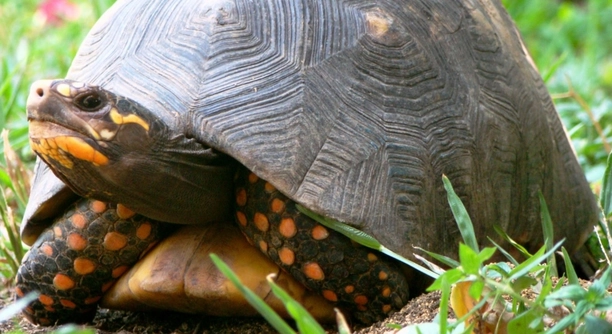
Red-footed tortoises are fascinating pets that require specific care, including regular bathing. Bathing helps maintain their health and hygiene, but it’s important to understand the right frequency and method. Knowing how often to bathe them ensures their well-being.
Red-footed tortoises should be bathed once or twice a week, depending on their age and health. Regular baths help with hydration, cleanliness, and shell health. Overbathing can lead to stress, so balance is key.
In the following guide, we’ll walk you through the steps to bath your red-footed tortoise and explain why the frequency matters. It’s simple but essential to maintaining your tortoise’s overall health.
Why Bathing a Red-Footed Tortoise is Important
Bathing a red-footed tortoise is more than just a cleaning routine. Regular baths help prevent dehydration, a common issue with reptiles. The process helps them absorb water through their skin and can also aid in shedding dead skin cells. Additionally, baths offer an opportunity to inspect the tortoise’s overall health, ensuring there are no signs of infections or injuries. Maintaining this habit encourages better hydration, particularly in environments where humidity might be low.
Baths can also aid digestion. Red-footed tortoises sometimes eat large amounts of food, and a bath helps ease digestion by stimulating bowel movements. Bathing can also help them stay clean, removing dirt, and preventing shell rot.
Even though these tortoises are naturally inclined to avoid water, regular exposure to a shallow water bath helps them adapt. This helps keep them healthy and can prevent serious health problems like dehydration, shell rot, and even skin infections.
Best Time and Conditions for Bathing
Bathing should occur in warm water. Ideal water temperature is between 85-90°F (29-32°C). The bath should be shallow enough for the tortoise to walk through comfortably, ensuring it can hold its head above the water.
Always supervise the tortoise during bath time to make sure it doesn’t become stressed. Provide a calm environment, and avoid forcing the animal into the water. Use a container that is just large enough to accommodate the tortoise comfortably, ensuring it doesn’t get too overwhelmed by the space. The goal is for the bath to be a peaceful experience, not something that causes stress or discomfort.
Make sure the water is clean and free of chemicals. Tap water is often treated with chlorine, so you may want to use filtered or dechlorinated water for bathing. After the bath, gently dry the tortoise with a soft towel to avoid chilling. Regular baths in proper conditions will go a long way in maintaining a healthy, happy tortoise.
How to Bathe a Red-Footed Tortoise
Fill a shallow container with warm water. Make sure it is deep enough to allow your tortoise to stand comfortably, with its legs touching the bottom. Avoid making the water too deep; it should only cover the tortoise’s legs and shell. Gently place the tortoise in the water, making sure it is not stressed.
Let the tortoise soak for about 10-15 minutes. This time allows the tortoise to hydrate and soak up moisture. During this period, check the water temperature and ensure it remains consistent. After the soak, you can gently rub the shell and legs with a soft cloth or sponge to clean them.
Avoid scrubbing too hard or using harsh materials that might damage the tortoise’s delicate skin and shell. Never force the tortoise to stay in the water for longer than it is comfortable with, as this can cause stress. A calm and relaxed environment is key.
Common Mistakes When Bathing a Red-Footed Tortoise
Many people make the mistake of using water that’s too cold or too hot. This can cause stress and discomfort. Always check the temperature before placing your tortoise in the water. Another mistake is using water that is too deep, which can overwhelm the tortoise.
It’s also common to over-bathe a red-footed tortoise. Bathing them too frequently can cause stress and disrupt their natural habits. Stick to the recommended frequency of one to two times a week to maintain a healthy balance.
Forcing the tortoise into the water is another mistake. A calm approach is essential, as tortoises can get stressed quickly. Allow the tortoise to enter the water on its own if possible. Avoid using soap or cleaning products, as these can irritate their skin and shell. A simple bath with clean, warm water is best.
How Often Should You Bathe a Red-Footed Tortoise?
Bathing a red-footed tortoise once or twice a week is ideal. This frequency helps maintain hydration and cleanliness without causing stress. Overbathing can lead to unnecessary stress or skin irritation, so sticking to this schedule is essential for their health.
In hot, dry climates, you may need to bathe them more frequently. If you notice signs of dehydration or if your tortoise is not eating properly, more baths may be required to ensure it stays hydrated.
Signs Your Tortoise Needs a Bath
If your tortoise seems lethargic, has dry skin, or shows signs of dehydration, it may need a bath. Additionally, if your tortoise’s shell appears dirty or covered in debris, a bath can help clean it off. Bathing is a simple solution to these issues.
In rare cases, if your tortoise refuses to eat or shows signs of bloating, a bath may help stimulate its digestive system. Always keep an eye out for these signs, and provide baths accordingly.
How to Dry Your Tortoise After a Bath
After the bath, gently pat your tortoise dry with a soft towel. Be careful not to rub too harshly, as this can irritate its skin. Avoid using a blow dryer or exposing your tortoise to cold air, as sudden temperature changes can cause stress.
Let the tortoise dry in a warm, safe area. If it’s in a humid environment, allow it to air dry for a few minutes before returning it to its enclosure. The goal is to avoid letting the tortoise stay damp for too long, which can lead to health issues.
FAQ
How can I tell if my red-footed tortoise is dehydrated?
Dehydration in red-footed tortoises can be spotted by a few signs. The most common is sunken eyes, where their eyes may appear more hollow than usual. Another sign is dry or flaky skin, especially around the neck and legs. If your tortoise seems lethargic or refuses food, dehydration might be the cause. A good way to help is by offering frequent baths and ensuring it has access to fresh water. Keep an eye on the humidity levels in their environment as well, since low humidity can lead to dehydration.
Can I use soap to wash my red-footed tortoise?
No, you should never use soap to wash your red-footed tortoise. Soap can irritate their sensitive skin and damage the shell. The best way to clean them is by using plain, warm water. If you need to remove dirt or debris, a soft cloth or sponge is all you need. Avoid any chemical cleaning products, as they can be harmful to the tortoise’s health. Keeping the bath water clean and at the right temperature will suffice for keeping your tortoise hygienic.
Is it okay to bathe my tortoise in cold water?
Bathing your tortoise in cold water is not recommended. Cold water can cause stress and discomfort, which could make the experience unpleasant for them. The water should be warm, between 85-90°F (29-32°C). It’s important to test the temperature before placing your tortoise in the water. This ensures they stay comfortable, and the bath serves its purpose of hydration and cleaning.
How often should I change the water during a bath?
It’s a good practice to change the water during a bath if it becomes dirty or soiled, especially if your tortoise has been soaking for a while. If you’re only giving them a brief bath, you can change the water once it cools down or if you notice any debris in it. Fresh, clean water ensures your tortoise has a positive bath experience and stays healthy. Ideally, always check the water quality and temperature to keep things optimal for your pet.
Can I bathe my tortoise in the same water every time?
It’s best not to use the same water every time you bathe your tortoise. Reusing water can cause bacterial growth, which may lead to skin infections or other health problems. Fresh water for each bath helps maintain hygiene and keeps your tortoise from being exposed to potentially harmful microorganisms. Changing the water every time ensures the bath is both effective and safe for your pet.
How long should I bathe my red-footed tortoise?
The ideal bath time for a red-footed tortoise is between 10 to 15 minutes. This gives them enough time to hydrate and enjoy the bath without overstressing them. If your tortoise seems comfortable, you can leave it in the water slightly longer, but always monitor it closely. Overbathing can lead to stress and disrupt the tortoise’s natural behaviors. Once you’ve reached the recommended time, gently remove the tortoise and dry it off properly.
What should I do if my tortoise refuses to get into the bath?
If your tortoise refuses to get into the bath, don’t force it. Tortoises can become stressed easily, and pushing them into the water can harm their well-being. Instead, place them near the edge of the water and let them decide when to enter. Some tortoises may need a little time to get used to the idea of bathing, so be patient. Gradually, they may begin to associate the bath with something positive, such as hydration and relaxation.
Can I bathe my tortoise too often?
Yes, overbathing can be harmful to your red-footed tortoise. Bathing too frequently can lead to skin irritation, stress, and may cause them to lose their natural behaviors. Once or twice a week is typically enough for most red-footed tortoises, but you should adjust based on their specific needs, such as climate and health conditions. Remember that each tortoise is different, so it’s important to observe your pet and adjust the frequency accordingly.
Should I bathe my tortoise if it has a shell infection?
If your tortoise has a shell infection, it’s important to be cautious. While a bath may help to clean the area, you should consult a veterinarian before continuing regular baths. Shell infections can worsen with prolonged exposure to water or improper bathing conditions. A vet will provide the right treatment and guide you on how to care for your tortoise during recovery. Avoid bathing them too often if they are ill, as it may worsen the condition.
Can I use a special bath solution for my tortoise?
It’s best to stick with plain, clean water for your tortoise’s baths. While some commercial bath solutions exist, many can be too harsh and may contain chemicals that are harmful to your pet. Always err on the side of caution by using only water that is free from additives. If you’re concerned about a particular skin condition or need extra cleaning, consult a vet before using any additional products.
Final Thoughts
Taking care of a red-footed tortoise requires some attention to detail, and bathing is an important part of their routine. Regular baths help keep your tortoise hydrated, clean, and free from potential skin issues. However, it’s essential to strike the right balance when it comes to frequency. Too many baths can cause stress and irritation, while too few may lead to dehydration and other health concerns. A bath once or twice a week is usually sufficient to meet your tortoise’s needs. Always monitor your tortoise during bath time to ensure it’s comfortable and relaxed.
The process of bathing a red-footed tortoise is simple but important. Ensure that the water is warm, not hot or cold, and that the bath is shallow enough for your tortoise to move around easily. The water should cover just the legs and shell, allowing the tortoise to soak comfortably without being overwhelmed. When bathing, always use clean water and avoid using soap or harsh cleaning products that could harm their skin or shell. Gently drying your tortoise afterward with a soft towel is crucial to prevent it from staying damp, which could lead to skin issues.
Lastly, while bathing is beneficial for hydration and cleanliness, it’s just one aspect of proper care for your tortoise. You should also pay attention to their diet, enclosure setup, and overall health. Keep their habitat warm and humid enough to replicate their natural environment, and provide a balanced diet. If you ever notice signs of illness, consult a vet right away. By maintaining a consistent routine and monitoring your tortoise’s well-being, you’ll be helping them live a long and healthy life.

Hello,
If you enjoy the content that we create, please consider saying a "Thank You!" by leaving a tip.
Every little bit helps us continue crafting quality advice that supports the health, happiness, and well-being of pets around the world, for pets of all shapes, sizes, and species.
We really appreciate the kindness and support that you show us!