
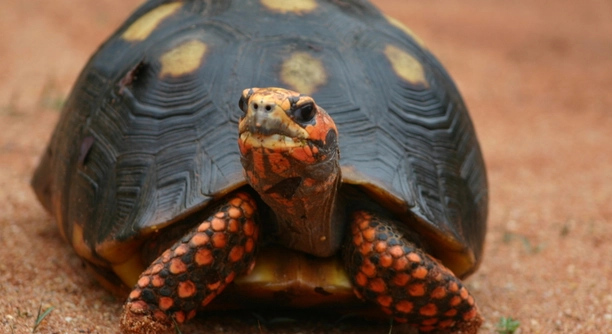
Red-footed tortoises are a popular pet for many, known for their gentle nature and vibrant appearance. If you’re considering one or already have one, you might wonder if they feel lonely in captivity.
Red-footed tortoises are generally solitary creatures and do not experience loneliness in the way humans or some other animals do. They are more focused on their environment and basic needs, such as food, shelter, and safety.
Their social needs differ from our own, but understanding how they interact with their surroundings can help you provide the best care.
What is the Red-Footed Tortoise’s Social Nature?
Red-footed tortoises are solitary by nature. Unlike some species that thrive in groups, these tortoises are more independent. They spend most of their time searching for food or basking in the sun. While they do have a social hierarchy in the wild, it is not like the social bonds seen in mammals or birds. In captivity, they do not require companionship and can live comfortably alone. It’s important to understand that their interactions with others are more about territory and resources than forming emotional bonds. Red-footed tortoises do not actively seek companionship, but they can tolerate the presence of other tortoises if space is provided.
While they may occasionally encounter other tortoises, they do not form strong attachments. Their behavior is more about survival and maintaining their personal space. Therefore, they are not likely to feel lonely in the way humans or even other pets might. The absence of a companion does not significantly affect their well-being.
Captive care for these tortoises should focus on their physical needs, such as providing a proper diet, temperature, and space. As long as their environment is enriching, they will thrive without the need for constant social interaction.
Can Red-Footed Tortoises Coexist with Other Tortoises?
Red-footed tortoises can coexist with others of their species, but it depends on the setup. When housing more than one, it’s essential to ensure each tortoise has its own space. Tortoises may occasionally show territorial behaviors, but as long as they don’t feel threatened, they will usually tolerate each other’s presence. Overcrowding or not having enough space can lead to stress or aggression, which could affect their health.
It’s important to monitor their behavior closely when multiple tortoises are housed together. Providing ample space allows them to avoid conflicts and ensures they maintain a peaceful environment.
How Can You Tell if Your Red-Footed Tortoise Is Stressed?
Red-footed tortoises may not show stress in the same way as other pets, but there are signs to watch for. If your tortoise is not eating, hiding excessively, or pacing around its enclosure, it could indicate stress. Changes in behavior or appetite are often the first signals. Stress can be caused by various factors such as environmental changes, overcrowding, or lack of space. Make sure the enclosure is large enough for the tortoise to move freely. A healthy tortoise will explore its space and feed regularly.
If your tortoise shows signs of aggression, such as biting or chasing, it might feel threatened or overcrowded. Similarly, shell damage or abnormal postures could signal that your tortoise is under stress. To avoid stress, maintain a consistent environment. Proper temperature, humidity, and lighting are crucial to ensure your tortoise’s comfort and overall well-being. Regularly check for signs of stress and address potential causes promptly.
Creating a stable environment is key to reducing stress in red-footed tortoises. Their space should be comfortable, with enough hiding spots, food, and access to water. Tortoises are naturally solitary creatures, so keeping them in a quiet and spacious area is essential for their mental health. Overcrowding or unfamiliar changes in the environment can cause discomfort. If your tortoise begins to retreat into its shell more often, it’s likely trying to find a safe space away from stressors. Ensure the habitat is as stable as possible to reduce these occurrences.
Should You Get a Companion for Your Red-Footed Tortoise?
Although red-footed tortoises don’t seek companionship, some owners still wonder if they should be housed with others. While they can tolerate the presence of another tortoise, it is not necessary for their emotional well-being. If you decide to house them together, ensure that there is enough space to prevent territorial disputes. Each tortoise should have its own area for feeding and resting. Overcrowding may lead to stress, so always monitor interactions.
In general, red-footed tortoises are not highly social animals. They do not form close bonds with other tortoises. Instead, they are more focused on their own territory and personal needs. Keeping them alone in a well-maintained enclosure is typically the best option. However, if you decide to introduce another tortoise, it’s important to introduce them gradually to prevent conflicts. Watch for signs of aggression or stress during the introduction period. In the long run, red-footed tortoises will likely do best living independently in their own space, where they can roam freely without the pressure of socializing.
How to Set Up the Ideal Habitat for Your Red-Footed Tortoise
A proper habitat is essential for a healthy red-footed tortoise. Their enclosure should be spacious enough for them to move around comfortably. It should also have areas for basking, hiding, and access to fresh water. Keep the temperature and humidity levels appropriate for their needs.
Provide both dry and moist areas in the enclosure to mimic their natural habitat. A heat source, such as a basking lamp, will allow your tortoise to regulate its body temperature. Make sure there are hiding spots to help your tortoise feel secure. Regularly check the humidity levels to maintain proper moisture.
The floor should have soft bedding, like coconut coir or soil, that allows them to dig if needed. Use natural rocks, branches, or plants to enrich their environment. This setup provides stimulation and helps keep your tortoise mentally and physically active. Also, be sure to clean the enclosure regularly to prevent bacteria and mold growth.
Proper Diet for Your Red-Footed Tortoise
Red-footed tortoises are primarily herbivores, though they may occasionally eat insects or small animals. Their diet should include a variety of leafy greens, fruits, and flowers. Offer foods such as dandelion greens, hibiscus flowers, and collard greens. Avoid feeding them high-fat foods like lettuce.
A balanced diet is key to ensuring their health. You can supplement their meals with calcium and vitamin D3 to support their shell and bone growth. Fresh water should always be available, and the food should be chopped into small pieces for easy consumption. Offering variety ensures they receive the necessary nutrients.
Feeding your tortoise a proper diet will also keep it active and healthy. Avoid overfeeding, as obesity can lead to serious health issues. Monitor their eating habits and adjust the diet based on their age and activity levels. A well-rounded meal plan will help your tortoise thrive in its habitat.
Do Red-Footed Tortoises Require Special Care?
Red-footed tortoises need specific care, but they are not overly difficult to maintain. Providing the right environment and diet is essential, along with regular health checks. Be sure to keep their enclosure clean and ensure proper temperature and humidity. Regularly monitor their activity levels and behavior to spot any potential issues.
FAQ
Do red-footed tortoises need a lot of space?
Yes, red-footed tortoises require a spacious enclosure to move around freely. While they don’t actively seek companionship, they need room for foraging, basking, and hiding. A small, cramped enclosure can lead to stress, which negatively affects their health. The minimum size for an indoor habitat should be at least 4 feet long by 2 feet wide for one tortoise. Larger spaces are always better, especially if you plan to house more than one tortoise. Outdoor enclosures should be even bigger, with secure fencing to prevent escape. Space allows them to exhibit natural behaviors like digging, climbing, and exploring.
What temperature should my red-footed tortoise’s habitat be?
Red-footed tortoises thrive in temperatures between 75°F and 85°F. During the day, the basking area should be heated to about 90°F. At night, the temperature can drop to around 70°F. These temperature ranges mimic their natural environment, allowing them to regulate their body heat. It’s important to use a thermometer to monitor both the basking and ambient temperatures in the enclosure. A heat lamp or ceramic heater can provide the necessary warmth for basking. If the enclosure gets too cold, it can stress the tortoise and lead to health problems.
What should I feed my red-footed tortoise?
Red-footed tortoises are herbivores, so their diet should consist primarily of leafy greens, fruits, and flowers. Some good choices include dandelion greens, collard greens, hibiscus flowers, and shredded carrots. They can also enjoy fruits like papaya, mango, and strawberries in moderation. Avoid feeding them iceberg lettuce, as it lacks nutritional value. Occasionally, you can offer high-protein foods such as worms or snails. It’s important to vary their diet to ensure they get all the necessary nutrients. Additionally, providing calcium and vitamin D3 supplements can support their shell and bone health.
How often should I feed my red-footed tortoise?
Red-footed tortoises should be fed daily when they are young, as they require more energy for growth. As they mature, you can reduce feeding to 3-4 times a week. Always ensure that their food is fresh and clean. Overfeeding can lead to obesity, which can cause health problems such as shell deformities. It’s essential to offer the right portion sizes and remove any uneaten food to prevent mold growth. A consistent feeding schedule helps maintain their health, and always monitor their behavior to ensure they are eating enough.
Do red-footed tortoises need water?
Yes, red-footed tortoises need access to clean water at all times. They are known to soak in water to help with digestion and hydration. Providing a shallow water dish in their enclosure is important, but make sure it’s not too deep, as they could drown. You should change the water daily to ensure it’s fresh. Some tortoises enjoy soaking themselves, so make sure the dish is large enough for them to climb into comfortably. Regular soaking also helps with shedding their skin, which can be a problem if they are not properly hydrated.
Can I house my red-footed tortoise with other tortoises?
Red-footed tortoises can coexist with others of the same species, but it’s not always necessary. If you choose to house more than one, make sure the enclosure is large enough for each tortoise to have its own space. They may tolerate each other but are not social in the way some other animals are. Territorial disputes can occur if there is not enough room or if one tortoise feels threatened. You should monitor their interactions closely. It’s often better to house them alone to reduce the risk of stress and aggression.
How do I keep my red-footed tortoise healthy?
Keeping a red-footed tortoise healthy requires a well-balanced diet, proper habitat conditions, and regular care. Their enclosure should be cleaned regularly to prevent bacteria and mold growth. Monitor their health by checking for signs of illness, such as lack of appetite, lethargy, or abnormal behavior. Ensure that the temperature, humidity, and lighting in their habitat are within the proper range. Regularly offer fresh water and nutritious food. Also, make sure they have access to areas for basking and hiding. Consistent care and attention to their needs are key to ensuring a long, healthy life.
How do I know if my red-footed tortoise is sick?
Signs of illness in red-footed tortoises can include lethargy, loss of appetite, wheezing or breathing difficulties, and unusual behaviors such as hiding excessively or not moving. Swelling or discharge from the eyes, nose, or mouth is another indication that something may be wrong. If your tortoise is having difficulty shedding, it could be a sign of dehydration or improper humidity levels. If you notice any of these symptoms, it’s best to consult a veterinarian who specializes in reptiles. Early detection and treatment can help prevent serious health issues.
Can red-footed tortoises live outside?
Yes, red-footed tortoises can live outside, provided the climate is warm enough for them. They are native to tropical and subtropical areas, so they thrive in warm environments. If you live in a warm climate, you can create an outdoor enclosure with secure fencing and shaded areas for them to hide. Make sure the outdoor enclosure is large and has access to water. In cooler climates, red-footed tortoises may need to be kept indoors during the colder months. If they are housed outside, make sure their habitat is secure from predators.
What are the signs that my red-footed tortoise is stressed?
Red-footed tortoises can show signs of stress in different ways. They may become less active, hide more than usual, or stop eating. If you notice them pacing or being overly aggressive, they could be feeling threatened or confined. Stress can also cause physical signs, such as shell deformities or weight loss. Changes in behavior, like increased hiding or lethargy, may indicate that the tortoise is not comfortable with its environment. If you see signs of stress, check the temperature, humidity, and space in their enclosure. Make sure they have a comfortable, safe space to retreat to.
Final Thoughts
Red-footed tortoises are unique creatures that thrive in environments where their basic needs are met. While they don’t experience loneliness in the way humans or some other pets might, they still require proper care to live happy and healthy lives. These tortoises are solitary by nature, meaning they don’t rely on social interaction for well-being. They are more focused on their environment, food, and shelter, which makes them relatively low-maintenance pets. The most important aspect of caring for a red-footed tortoise is ensuring that their habitat is spacious, comfortable, and stable.
Creating the right environment is key to keeping your tortoise healthy. This includes maintaining proper temperatures, humidity, and lighting. A spacious enclosure with a combination of dry and moist areas is essential. Tortoises need room to move around, and overcrowding can lead to stress. Providing a variety of foods, including leafy greens, fruits, and occasional protein, will help meet their dietary needs. Regularly checking the enclosure’s cleanliness and temperature will also contribute to a stress-free environment for your tortoise. When their environment is secure and their basic needs are met, red-footed tortoises will thrive without the need for constant companionship.
Understanding that red-footed tortoises do not require social interaction can help you avoid unnecessary worries about them being lonely. Instead, focus on creating an environment where they feel safe and comfortable. By providing a spacious habitat, proper diet, and regular health monitoring, you’ll ensure your tortoise’s well-being for years to come. While they may not seek companionship, their comfort and health should always be a priority. Proper care and attention are all they need to live a fulfilling life.

Hello,
If you enjoy the content that we create, please consider saying a "Thank You!" by leaving a tip.
Every little bit helps us continue crafting quality advice that supports the health, happiness, and well-being of pets around the world, for pets of all shapes, sizes, and species.
We really appreciate the kindness and support that you show us!