
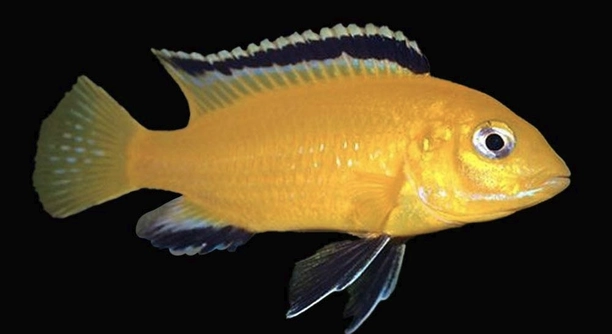
Are your electric yellow cichlids showing new energy and extra attention to their tank surroundings? These bright, active fish often display subtle behaviors that hint at changes in their breeding readiness and social patterns.
Electric yellow cichlids ready to spawn exhibit specific physical and behavioral signs. Increased territorial behavior, color intensification, frequent cleaning of surfaces, paired interactions, and consistent guarding of a selected area are clear indicators of reproductive preparation.
Recognizing these signs early allows you to provide the best environment for successful spawning and healthy offspring development in your tank.
Increased Territorial Behavior
Electric yellow cichlids often become noticeably more territorial when they are ready to spawn. They may stake out a specific area of the tank and guard it aggressively, chasing away other fish that come too close. This behavior is a natural instinct to protect potential eggs or fry. Male cichlids especially show heightened activity around rocks, decorations, and substrate, inspecting every detail of their chosen site. Females may also become more selective in their interactions, staying near their chosen location and showing preference for a specific partner. These behaviors can lead to noticeable changes in tank dynamics, with previously calm fish suddenly appearing more assertive. Tank owners often notice increased chasing, tail biting, and flaring of fins. While this can be stressful to other fish, it is a sign that your electric yellow cichlid is entering a breeding phase. Providing adequate space and hiding spots can help reduce stress during this time.
Maintaining a clean tank and observing interactions helps ensure territorial behavior does not escalate into injury.
Understanding territorial behavior gives insight into breeding readiness and helps create a safe environment for your cichlids to spawn naturally. Proper tank arrangement can minimize stress and support healthy interactions among all fish.
Color Intensification
When electric yellow cichlids are preparing to spawn, their colors often become brighter and more vivid.
This change signals sexual maturity and readiness. Both males and females display intensified yellow hues, which can be more pronounced around the fins and body.
The color change is linked to hormone activity and acts as a communication signal between potential mates. Bright coloration attracts attention from partners and signals fitness and health. Observing this change can help you identify which fish are ready for breeding and plan the tank setup accordingly. Color intensification may also coincide with other behaviors like cleaning a surface for egg laying. Ensuring the tank has proper lighting and a balanced diet can enhance these natural color changes. Providing high-quality food rich in carotenoids and proteins supports both coloration and overall health.
Spotting this visual signal allows you to anticipate spawning activity and prepare suitable nesting sites. Consistent observation ensures timely action for successful breeding and protection of eggs.
Frequent Cleaning of Surfaces
Electric yellow cichlids begin cleaning rocks, leaves, and tank surfaces more often when preparing to spawn.
This behavior is part of their nesting instinct. They remove debris, algae, and small particles from their chosen site to ensure a safe area for eggs. Both males and females participate, sometimes taking turns cleaning the same spot repeatedly. Cleaning helps prevent fungal growth on eggs and provides a smooth surface for laying. Tank owners often notice repeated scraping and nudging of surfaces. Providing flat rocks or slate makes this process easier for the fish. Consistent observation of cleaning activity can help you determine the exact moment when spawning is about to occur.
Frequent cleaning ensures eggs have a secure place to adhere. Observing which areas are being cleaned most can guide your tank preparation for spawning.
Paired Interactions
Electric yellow cichlids form tighter pairs when preparing to spawn, often spending extended time close together.
These interactions involve swimming side by side, mirroring movements, and sometimes performing synchronized circling. The behavior strengthens pair bonds and allows the female to inspect potential nesting sites alongside the male. During this time, other fish are usually kept at a distance by the pair. Bonding behaviors may also include gentle nudges or fin touches, reinforcing trust between the two fish. Tank owners often notice the pair staying in one area, ignoring other fish and food. This pairing signals imminent egg-laying, making it easier to provide optimal conditions. Maintaining stable water conditions and limiting disturbances helps the pair remain focused on spawning preparation.
Recognizing paired interactions allows you to monitor readiness and anticipate when eggs will be laid, ensuring proper care and support.
Guarding Behavior
Electric yellow cichlids start guarding selected areas intensely once a site is chosen for spawning.
Both males and females exhibit protective behavior, though the male usually patrols the perimeter while the female stays closer to the actual site. Guarding involves chasing intruders, flaring fins, and constant vigilance. This instinct reduces the risk of eggs being eaten or disturbed. The pair may also vocalize softly or display body movements to reinforce territorial claims. Tank owners often notice increased tension and faster swimming as the cichlids monitor all movements around the nest. Providing hiding spots and minimal interference allows them to guard efficiently.
Guarding behavior ensures the safety of eggs and prepares the pair for successful breeding. Observing how they divide duties can provide insight into natural cichlid parenting strategies.
Increased Chasing
Electric yellow cichlids chase tank mates more frequently when preparing to spawn.
This behavior is part of establishing territory and protecting a potential nesting site. Both males and females may actively drive other fish away from their chosen area.
Flared Fins
Flaring fins becomes more pronounced as cichlids approach spawning readiness.
This display signals strength and dominance, helping maintain control over the nesting area. It also serves as a visual cue to the partner that the fish is healthy and prepared for breeding. Proper observation can help track the intensity and frequency of this behavior.
Nesting Site Selection
Cichlids carefully inspect and choose flat or sheltered surfaces for laying eggs.
They test multiple areas by cleaning and nudging surfaces repeatedly. Ideal sites are smooth, stable, and free from debris. Providing flat rocks, slate, or ceramic tiles encourages natural selection behavior. The process can last several days, with the pair returning frequently to their preferred site, ensuring it meets their safety and cleanliness standards before egg-laying begins.
Increased Activity
Electric yellow cichlids exhibit higher activity levels around the tank.
They swim faster, explore more, and interact with the environment more than usual, signaling readiness to spawn and maintaining vigilance over their territory.
FAQ
How can I tell if my electric yellow cichlid is male or female?
Male electric yellow cichlids are generally larger with more intense coloration and longer fins. Females are slightly smaller and often display paler yellow hues. Observing behavior during pairing or spawning preparation can also help distinguish males, as they usually take the lead in defending territory and selecting nesting sites.
How long does it take for electric yellow cichlids to spawn after showing signs?
Once they begin showing signs like territorial behavior, color intensification, and surface cleaning, spawning usually occurs within a few days to a week. Providing stable water conditions, adequate hiding spots, and flat surfaces ensures the process goes smoothly.
What kind of tank setup encourages successful spawning?
A tank with at least 55 gallons is ideal for a pair. Include flat rocks, slate, or smooth decorations for egg-laying surfaces. Provide hiding spots for other tank mates to reduce stress. Clean, well-filtered water with stable temperature around 78–82°F encourages breeding activity.
Do I need to separate the pair from other fish during spawning?
It is not always necessary, but separating aggressive tank mates or providing plenty of space can prevent stress and reduce injuries. Territorial disputes are common during this time, so extra hiding spots or dividers can help maintain peace.
How do I care for eggs and fry?
Electric yellow cichlids often guard and fan the eggs themselves. Avoid disturbing the nest and maintain clean, stable water. Once fry hatch, they can be fed finely crushed flakes or specialized fry food. Observing parental care is important, as some cichlids may relocate eggs to safer spots within the tank.
Can electric yellow cichlids spawn multiple times a year?
Yes, with optimal conditions, they can spawn multiple times annually. Consistent feeding, proper water quality, and minimizing stress all support repeated breeding cycles. Regular observation of signs like paired interactions and site cleaning helps anticipate and prepare for subsequent spawns.
What are common problems during spawning?
Aggression between fish, inadequate nesting sites, and poor water quality are common issues. Eggs can be eaten if territory is not established properly. Maintaining tank stability, providing sufficient hiding spaces, and observing behavior reduces the risk of complications.
How do I encourage color intensification naturally?
A balanced diet rich in carotenoids and proteins enhances natural coloration. High-quality flakes, pellets, and occasional live foods support health and vibrancy. Proper lighting also plays a role in making colors more vivid, which helps indicate readiness to spawn.
What signs indicate eggs are ready to be fertilized?
Eggs are typically laid in clusters on cleaned surfaces, appearing sticky and slightly translucent. The female often fans them while the male fertilizes them. Guarding behavior intensifies at this stage, and both fish remain close to the nest.
When should I intervene in the spawning process?
Intervention is rarely needed if the tank is stable and the pair is healthy. Only step in if aggression becomes dangerous, water quality is poor, or eggs are at risk from other fish. Minimal disturbance encourages natural breeding and parental care.
Can environmental changes delay spawning?
Yes, sudden temperature fluctuations, poor water quality, or overcrowding can delay breeding. Maintaining consistent conditions and a calm environment ensures the pair progresses through their spawning behaviors without unnecessary stress.
How long until the fry are free-swimming?
Fry typically become free-swimming about 5–7 days after hatching. Parents continue to guard and guide them, but at this stage, they can begin consuming finely crushed food or specialized fry diet. Monitoring water conditions remains important to ensure healthy development.
Is it safe to add new fish during spawning?
Adding new fish during this time can trigger aggression and stress the pair. It’s best to wait until the eggs hatch and the fry are free-swimming, or provide separate tanks to avoid conflict.
How do I know if the pair is compatible for breeding?
Pairs that show synchronized swimming, paired cleaning of surfaces, and mutual guarding of a nesting site are usually compatible. Observing these behaviors ensures the pair will cooperate during egg-laying and protect their offspring effectively.
What should I feed electric yellow cichlids during spawning preparation?
A protein-rich diet supports energy levels and health during this period. High-quality flakes, pellets, and occasional live or frozen foods like brine shrimp or bloodworms provide the nutrients necessary for spawning readiness and vibrant coloration.
Understanding the signs that your electric yellow cichlid is ready to spawn can make the entire process smoother and more predictable. Observing behaviors such as increased territorial activity, paired interactions, and surface cleaning provides clear indicators of reproductive readiness. These actions are natural instincts that ensure the survival of eggs and fry. Paying attention to subtle changes, like flared fins or intensified coloration, allows you to identify when your fish are preparing to breed. By recognizing these signs early, you can provide the right environment to support spawning, including flat rocks or slates for egg-laying and sufficient space to reduce stress. Monitoring your cichlids closely also helps prevent conflicts that can arise from heightened aggression during this period.
Providing a well-prepared tank environment is essential for successful breeding. Stable water conditions, proper filtration, and consistent temperature support the overall health of your cichlids and create a safe setting for eggs and fry. Adding hiding spaces for other fish reduces stress and prevents unnecessary territorial disputes. High-quality food is also important, as a protein-rich diet enhances coloration and energy levels, both of which play a role in reproductive readiness. Observing cleaning and guarding behavior gives insight into which areas of the tank are most important to the pair. This allows you to focus on maintaining those spots and reducing disturbances. Careful observation, combined with a supportive environment, increases the likelihood that your electric yellow cichlids will spawn successfully and raise healthy fry.
Spawning electric yellow cichlids is a process that benefits from patience and careful attention. Intervening too much can disrupt natural behaviors, so it’s best to let the pair manage cleaning, guarding, and egg fertilization themselves. Recognizing patterns, like frequent pairing, color intensification, and active nest defense, can guide you in preparing the tank and ensuring optimal conditions. Once eggs hatch and fry become free-swimming, ongoing observation and proper feeding will support their development. Understanding these natural behaviors not only enhances the breeding experience but also strengthens your ability to maintain a balanced and healthy aquarium. Following these steps ensures that your cichlids can reproduce successfully while minimizing stress for both the adults and their offspring.

Hello,
If you enjoy the content that we create, please consider saying a "Thank You!" by leaving a tip.
Every little bit helps us continue crafting quality advice that supports the health, happiness, and well-being of pets around the world, for pets of all shapes, sizes, and species.
We really appreciate the kindness and support that you show us!