
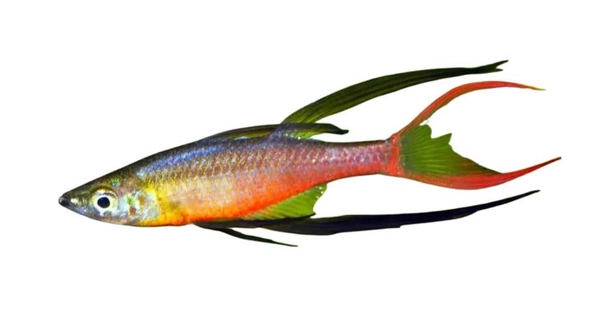
Do you ever find yourself setting up a peaceful freshwater aquarium and wondering how different species will interact? Threadfin Rainbowfish are colorful and active, adding life to any tank, while shrimp bring charm and curiosity to the environment.
Threadfin Rainbowfish can coexist with shrimp under certain conditions, provided the aquarium is sufficiently spacious, well-planted, and offers hiding spaces. Careful monitoring of fish behavior and gradual introductions are essential to minimize predation risks and stress on shrimp populations.
Understanding the dynamics between these species is crucial for a harmonious aquarium. With proper care, their coexistence can create a visually appealing and balanced aquatic habitat.
Understanding Threadfin Rainbowfish Behavior
Threadfin Rainbowfish are active swimmers that thrive in groups. They prefer mid-to-top water levels and enjoy open spaces combined with hiding spots created by plants. Their diet mainly consists of small flakes, pellets, and occasional live foods. While generally peaceful, they may show curiosity toward smaller tank inhabitants, including shrimp. Aggression is rare, but stress or overcrowding can increase chasing or nipping tendencies. Water quality is crucial for their health, as fluctuations in temperature, pH, or ammonia levels can lead to erratic behavior. A stable, clean environment helps maintain calm interactions with shrimp and other species. Observing their movements daily allows you to notice subtle changes, such as sudden interest in shrimp or hiding behaviors. By providing adequate space, plants, and proper diet, Threadfin Rainbowfish can coexist with shrimp, while reducing risks associated with predation and stress, creating a balanced and visually appealing tank.
Hiding places are essential. Shrimp need dense plants or ornaments to avoid unwanted attention from fish.
Monitoring water conditions consistently ensures both species remain healthy. Filtration and gentle water flow help maintain stability, while slow introductions reduce stress. A well-planned tank fosters peaceful coexistence and minimizes risks for shrimp, making interactions between the species safer and more predictable. Careful observation and proactive adjustments allow aquarists to maintain harmony while enjoying a lively, diverse aquarium.
Shrimp Safety in a Mixed Aquarium
Shrimp are delicate and require cautious placement in a community tank.
Providing plants, mosses, and small caves helps them escape potential attention from Rainbowfish. Slow acclimation and regular feeding reduce stress, while compatible tank mates further ensure their survival. Avoid sudden changes in environment or aggressive companions that may endanger shrimp.
In addition to hiding spots, consider the size and temperament of the fish introduced. Smaller or slower Rainbowfish are less likely to target shrimp. Feeding frequency also plays a role, as well-fed fish are less prone to see shrimp as food. Maintaining proper water parameters is crucial; shrimp are sensitive to fluctuations in temperature, pH, and ammonia levels. Introducing shrimp gradually allows them to explore the tank while minimizing initial stress. Observing interactions during the first days helps identify any aggressive behavior and make timely adjustments. By focusing on careful planning, gradual acclimation, and constant monitoring, both Threadfin Rainbowfish and shrimp can thrive together, creating a colorful and active community that is visually engaging and biologically stable.
Tank Setup for Coexistence
Space and structure are key. A larger tank with plenty of plants, driftwood, and hiding spots reduces stress and allows shrimp to avoid attention from Rainbowfish. Proper filtration and gentle water flow help maintain stable conditions for both species.
Plants like Java moss, Anubias, and dense floating vegetation create natural shelters. Arranging decorations to form caves and crevices gives shrimp safe areas to molt and feed. Open swimming areas for Rainbowfish should remain accessible, balancing activity space with security. Temperature, pH, and ammonia levels must remain consistent. Regular partial water changes keep water clean without shocking either species, supporting long-term health. Observing interactions daily helps ensure shrimp are safe and Rainbowfish remain calm.
Feeding strategy affects harmony. Offering multiple feeding zones reduces competition. Small, frequent portions prevent Rainbowfish from hunting shrimp. Live or frozen foods for shrimp, combined with balanced flakes for fish, ensure both thrive. Overcrowding must be avoided, as limited space increases stress and risk. By carefully planning tank layout, monitoring water quality, and feeding appropriately, shrimp and Threadfin Rainbowfish can coexist without major conflicts, creating a lively and visually appealing aquarium.
Diet Considerations
Shrimp and Threadfin Rainbowfish have different nutritional needs, so diet must be managed carefully to avoid conflicts.
Rainbowfish eat flakes, pellets, and occasional live foods, while shrimp require microfoods, algae, and specialized pellets. Offering foods in separate areas ensures both species are fed adequately. Overfeeding should be avoided, as excess can pollute water, stressing both fish and shrimp. Live or frozen foods such as brine shrimp or daphnia supplement Rainbowfish diets, providing protein and stimulating natural hunting behaviors without encouraging shrimp predation. For shrimp, blanched vegetables and algae wafers meet nutritional needs and support healthy molting.
Balanced feeding routines minimize aggression and support overall health. Multiple feeding locations prevent Rainbowfish from dominating meals, allowing shrimp to access their food safely. Regularly observing eating patterns helps adjust portions to meet each species’ needs. Combining prepared and natural foods promotes growth, coloration, and vitality. Maintaining consistency in feeding times reinforces stability and reduces stress. By managing diet carefully, aquarists can support both species’ health while encouraging peaceful coexistence, ensuring a thriving and balanced aquarium environment.
Water Parameters
Maintaining stable water parameters is essential for both Threadfin Rainbowfish and shrimp. Temperature should stay between 74–78°F, with a pH around 6.5–7.5. Regular monitoring of ammonia, nitrite, and nitrate levels prevents stress and ensures a healthy environment for all inhabitants.
Consistency is key. Sudden changes in temperature or pH can shock shrimp and agitate Rainbowfish. Using a reliable heater, gentle filter, and regular water testing keeps conditions stable. Partial water changes of 20–25% weekly help maintain balance without disturbing the tank ecosystem. Proper water parameters promote molting, feeding, and overall vitality for shrimp while supporting Rainbowfish activity and coloration.
Tank Mates
Choosing suitable tank mates prevents aggression and stress. Small, peaceful fish that occupy different water levels work best. Avoid large or predatory species that may threaten shrimp. Community harmony relies on careful selection, proper introductions, and monitoring behavior to maintain a stable environment.
Breeding Considerations
Threadfin Rainbowfish may occasionally prey on shrimp fry if hiding spots are insufficient. Dense plants and moss provide safe areas for young shrimp, allowing populations to grow even in a mixed tank.
Can Threadfin Rainbowfish eat shrimp?
Threadfin Rainbowfish are generally peaceful but may occasionally attempt to eat very small shrimp, particularly baby shrimp. Adult shrimp are less likely to be targeted if there are enough hiding spots, dense plants, and decorations in the tank. Regular observation is important to ensure shrimp safety.
How can I prevent Rainbowfish from bothering my shrimp?
Providing ample hiding areas with moss, plants, and small caves gives shrimp safe zones. Feeding Rainbowfish adequately with flakes, pellets, and occasional live food reduces the likelihood they will target shrimp. Gradual introductions and avoiding overcrowding also minimize stress and aggression.
What size tank is suitable for keeping both together?
A tank of at least 20 gallons is recommended for a small group of Threadfin Rainbowfish with shrimp. Larger tanks offer more space for swimming and more hiding places, reducing stress and promoting peaceful coexistence.
Are all shrimp species compatible with Threadfin Rainbowfish?
Smaller, delicate shrimp like Cherry or Crystal Red Shrimp can coexist, provided hiding spots exist. Larger shrimp, such as Amano Shrimp, are generally safe due to size. Avoid tiny shrimp species that are highly vulnerable to fish predation.
How should I introduce shrimp to a tank with Rainbowfish?
Introduce shrimp gradually after the fish are established. Place them in a breeder box initially if needed, or scatter them near dense plants. Observing their initial interactions allows you to monitor safety and adjust hiding areas if necessary.
Can water quality affect interactions between Rainbowfish and shrimp?
Yes. Poor water quality stresses both species and can increase aggressive or erratic behavior. Maintaining stable temperature, pH, and ammonia levels is essential. Regular partial water changes and proper filtration keep the environment safe and reduce conflict.
Do Rainbowfish stress shrimp even without eating them?
Yes. Constant chasing or curious nipping can stress shrimp, affecting molting and feeding. Dense plant coverage and decorations provide retreat areas, reducing stress while still allowing Rainbowfish to swim freely.
Is feeding frequency important for coexistence?
Yes. Offering multiple, small feedings throughout the day helps keep Rainbowfish occupied and reduces attention toward shrimp. Feeding in separate areas ensures shrimp can access their food without being harassed.
Can Rainbowfish and shrimp breed successfully in the same tank?
Shrimp can breed, but their fry are at risk if hiding spots are insufficient. Dense plants, moss, and safe areas allow young shrimp to survive while adults continue swimming freely. Rainbowfish will not reproduce with shrimp, so there is no cross-species breeding concern.
How can I monitor for potential problems?
Observe interactions daily. Look for signs of stress such as shrimp hiding excessively, Rainbowfish chasing aggressively, or changes in feeding behavior. Adjust tank layout, feeding, or population as needed to maintain harmony.
Are there long-term considerations for keeping them together?
Yes. Shrimp molting cycles, Rainbowfish growth, and population balance must be managed. Continuous monitoring, stable water parameters, and proper tank design help ensure long-term compatibility and a visually appealing aquarium.
What signs indicate the tank setup needs improvement?
Shrimp hiding constantly, visible injuries, or Rainbowfish becoming unusually aggressive indicate the environment may need more plants, decorations, or feeding adjustments. Proactive changes prevent stress and predation, keeping both species healthy.
Can I keep multiple Rainbowfish and shrimp safely?
Yes, if the tank is large enough and offers plenty of hiding spots. A group of Rainbowfish disperses attention, reducing focus on shrimp. Avoid overcrowding, as high density increases stress and risks for all inhabitants.
Is acclimation important for new shrimp?
Absolutely. Slowly acclimating shrimp to water temperature, pH, and hardness prevents shock. Drip acclimation over an hour or two is effective. Once introduced, provide immediate access to plants or shelters to reduce stress and improve survival.
What plants are best for hiding shrimp?
Java moss, Anubias, ferns, and floating plants create dense cover. Moss walls or clumps near feeding areas give shrimp safe zones while letting Rainbowfish swim freely. Strategic placement reduces interactions that could stress shrimp.
Does tank lighting affect coexistence?
Moderate lighting encourages plant growth for hiding spaces and reduces stress. Bright lighting can make shrimp more visible, increasing vulnerability. Dimmer periods or floating plants can help balance visibility and safety.
Can I use decorations instead of plants?
Yes, caves, rocks, and driftwood provide secure hiding spots for shrimp. Combining decorations with plants is ideal, as it creates multiple retreat areas and helps distribute Rainbowfish activity evenly throughout the tank.
How do I know if shrimp are thriving?
Healthy shrimp are active, feed regularly, molt successfully, and show vibrant coloration. Stress signs include lethargy, missing limbs, or hiding excessively. Adjusting tank setup or feeding can restore balance and improve shrimp wellbeing.
Should I separate species temporarily for safety?
In some cases, yes. If Rainbowfish show persistent interest in shrimp or aggression, temporarily using a breeder box or separate tank allows shrimp to molt safely or recover. Reintroduction can occur gradually with additional hiding spots.
How often should I check the tank?
Daily visual inspections are recommended. Observe feeding, interactions, and molting behavior. Weekly water tests and partial water changes maintain a stable environment. Consistent monitoring is key to long-term coexistence.
Can adults shrimp survive indefinitely with Rainbowfish?
Yes, with proper care, hiding areas, and stable water conditions. Adult shrimp are less at risk than juveniles. Maintaining balance in tank population and feeding ensures long-term survival for both species.
What is the most common mistake beginners make?
Not providing enough hiding spots, introducing shrimp too quickly, or overstocking the tank are frequent mistakes. Careful planning, gradual introductions, and attention to water quality prevent stress, aggression, and shrimp loss.
How do I encourage natural behavior?
Balanced feeding, adequate space, and plant coverage allow Rainbowfish to swim actively while shrimp forage and hide naturally. Observing both species helps fine-tune the environment, supporting healthy behavior patterns for each.
Can I combine multiple shrimp species with Rainbowfish?
Yes, if they have similar care requirements and enough hiding places. Mixing species requires monitoring, as smaller or more delicate shrimp remain vulnerable. Proper tank design and careful introductions are essential for harmony.
Is it necessary to feed shrimp separately?
It is beneficial. Offering algae wafers, blanched vegetables, or specialized pellets in secluded areas ensures shrimp get adequate nutrition without competing with Rainbowfish. This reduces stress and supports healthy growth.
What water hardness is best for coexistence?
Moderate hardness (6–12 dGH) supports both Threadfin Rainbowfish and common freshwater shrimp. Extreme softness or hardness can stress shrimp, affect molting, and influence Rainbowfish behavior. Regular testing and adjustments help maintain stable conditions.
How can I handle molting shrimp safely?
Ensure plenty of hiding spots. Molting shrimp are vulnerable to predation. Dense plants, moss, and crevices allow them to shed their exoskeleton safely, recover, and avoid unnecessary stress from Rainbowfish curiosity.
Can Rainbowfish and shrimp coexist in a small tank?
It is risky. Limited space reduces hiding options and increases stress, making shrimp more vulnerable. A larger tank with plants, decorations, and controlled population is strongly recommended for safe coexistence.
What should I do if predation occurs?
Increase hiding spaces, check feeding routines, and consider temporarily isolating shrimp. Observing interactions helps identify causes and prevents further losses. Adjustments in tank layout or population density often resolve the issue.
Are there signs of stress specific to Rainbowfish?
Erratic swimming, hiding, loss of appetite, or dull coloration may indicate stress. Overcrowding, water instability, or aggressive tank mates contribute. Addressing these factors ensures peaceful coexistence with shrimp.
Can I breed Rainbowfish in a tank with shrimp?
Yes, Rainbowfish will spawn in well-maintained community tanks. However, eggs and fry may be at risk from shrimp feeding. Providing plants or dedicated breeding areas protects fry while maintaining shrimp safety.
How important is filtration for coexistence?
Filtration maintains water quality and reduces stress. Gentle flow prevents shrimp from being swept away and ensures Rainbowfish can swim comfortably. Adequate filtration supports long-term health and stability for both species.
Should I worry about disease transmission?
Disease can affect both species if quarantining and tank maintenance are neglected. Regular observation, clean water, and avoiding overcrowding reduce risks. Separate quarantine for new arrivals is recommended before introduction.
Can I keep other species with Rainbowfish and shrimp?
Yes, peaceful, non-predatory species that occupy different water levels are compatible. Avoid aggressive or large fish that may target shrimp. Proper planning ensures a balanced, diverse aquarium ecosystem.
What is the ideal population ratio?
A small group of Rainbowfish with multiple hiding places for shrimp works best. Avoid overcrowding either species. Adjust population density according to tank size to maintain harmony and reduce stress.
How do I maintain long-term coexistence?
Consistently monitor water quality, provide ample hiding spots, feed appropriately, and observe behavior. Gradual introductions, attention to population balance, and proactive adjustments promote peaceful interactions and a thriving tank environment.
Can I keep juvenile shrimp with adult Rainbowfish?
Yes, but juveniles are more vulnerable. Dense plant coverage, moss, and decorations are essential for their protection. Gradual acclimation and careful observation increase survival chances until shrimp reach adult size.
How often should I adjust tank layout?
Only when necessary. Frequent changes can stress both species. Additions of plants, caves, or decorations may be made gradually to improve hiding opportunities or space distribution without disrupting established routines.
What is the most reliable method to ensure shrimp survival?
Provide dense hiding spots, stable water parameters, multiple feeding locations, and gradual introductions. Observing interactions and responding to stress signs ensures shrimp can thrive alongside Threadfin Rainbowfish in a balanced environment.
Can temperature fluctuations affect shrimp more than Rainbowfish?
Yes. Shrimp are sensitive to sudden changes in temperature, which can disrupt molting and feeding. Rainbowfish tolerate minor fluctuations better. Using a heater and monitoring daily helps maintain stability for both species.
Are there visual cues that shrimp are safe?
Active foraging, normal molting, and regular swimming behavior indicate shrimp feel secure. Excessive hiding, lethargy, or discoloration suggests stress or predation risk, prompting adjustments in tank setup or feeding routines.
Is quarantine necessary for new Rainbowfish or shrimp?
Yes. Quarantining new arrivals prevents disease spread and allows observation of behavior. Gradual introduction after quarantine ensures smoother integration and reduces stress for both existing fish and shrimp.
Can I use floating plants to protect shrimp?
Floating plants provide shade and cover, reducing visibility to Rainbowfish. They create natural retreats and contribute to stable water conditions, enhancing shrimp safety while maintaining an aesthetically pleasing tank environment.
How do I balance light for plants and shrimp safety?
Moderate light promotes plant growth without exposing shrimp excessively. Floating plants, shaded areas, and timed lighting cycles help maintain a safe environment while supporting healthy plant development.
What is the key takeaway for coexistence?
Providing hiding spaces, stable water conditions, careful feeding, and monitoring interactions ensures both Threadfin Rainbowfish and shrimp thrive together. Attention to detail and proactive care fosters a peaceful and sustainable aquarium environment.
How do I troubleshoot issues early?
Daily observation of behavior, feeding, and molting, combined with regular water testing, allows early detection of stress, aggression, or disease. Timely adjustments in layout, population, or water management prevent long-term problems.
Can shrimp molting cycles disrupt Rainbowfish behavior?
Not usually, if hiding spots are sufficient. Rainbowfish may show curiosity but generally do not interfere. Adequate cover ensures shrimp can molt safely without affecting the activity of the fish.
How long can shrimp live with Rainbowfish under ideal conditions?
With proper care, shrimp can live their full lifespan, usually 1–2 years depending on species. Stable water, safe hiding spots, balanced feeding, and careful monitoring support longevity alongside Rainbowfish.
Are there seasonal considerations for coexistence?
Maintaining consistent temperature, light cycles, and feeding routines throughout the year prevents stress. Sudden environmental changes, such as heater failures in winter, can impact shrimp more severely than Rainbowfish. Preventive measures ensure continuous harmony.
What equipment improves coexistence?
Heaters, gentle filters, water testers, and quality lighting contribute to stable conditions. Driftwood, rocks, and plant decorations provide shelter, while feeding tools allow targeted nutrition for shrimp and Rainbowfish, promoting peaceful interactions.
How do I handle aggression if it arises?
Identify triggers such as overcrowding, feeding competition, or lack of hiding spots. Adjust tank layout, increase plants, separate individuals temporarily, and monitor behavior until harmony is restored.
Can I add shrimp gradually over time?
Yes. Introducing small groups allows the tank to stabilize and reduces stress. It also provides time to monitor interactions, adjust hiding areas, and ensure survival before adding more shrimp.
Are Threadfin Rainbowfish tolerant of other community species?
Yes, generally. They coexist well with small, peaceful fish that occupy different areas. Compatibility relies on careful selection and monitoring to prevent aggression toward shrimp or other small tank mates.
Does tank maintenance affect shrimp safety?
Absolutely. Regular water changes, filter cleaning, and substrate maintenance prevent harmful buildup. Consistent care reduces stress, supports molting, and minimizes accidental exposure to aggressive behavior from Rainbowfish.
What is the recommended feeding schedule for mixed tanks?
Two to three small feedings daily work well. Distribute food to multiple areas, including dedicated shrimp zones. This reduces competition, prevents overfeeding, and maintains energy levels and coloration for both species.
Can stress in Rainbowfish indirectly harm shrimp?
Yes. Stressed Rainbowfish may chase or nip shrimp more frequently. Ensuring proper tank size, hiding spots, and stable water conditions minimizes stress and protects shrimp from incidental aggression.
Is tank cycling important before introducing shrimp?
Yes. A fully cycled tank ensures ammonia and nitrite levels are safe. Shrimp are sensitive to poor water conditions, and a stable environment reduces mortality and promotes healthy interactions with Rainbowfish.
How do I encourage shrimp reproduction in a community tank?
Dense plants and moss give fry shelter from Rainbowfish. Stable water parameters, proper feeding, and low stress levels increase breeding success while maintaining safe conditions for juvenile shrimp.
Can adult Rainbowfish coexist with large shrimp species?
Yes. Larger shrimp such as Amano are generally safe from predation. Even if Rainbowfish are curious, adult shrimp are less vulnerable, making coexistence easier with minimal risk.
Are behavioral changes in Rainbowfish a warning sign?
Sudden chasing, nipping, or hiding may indicate stress or poor tank conditions. Immediate observation and adjustments to layout, feeding, or population prevent harm to shrimp and ensure tank stability.
How do I balance community tank populations?
Keep Rainbowfish in small groups and provide multiple hiding spots for shrimp. Avoid overstocking and monitor reproduction rates to maintain harmony. Adjust populations gradually to support coexistence and minimize stress.
Can I introduce plants first to help shrimp settle?
Yes. Establishing dense plant growth before introducing shrimp creates immediate cover, reducing predation risk. Plants also help stabilize water parameters, enhancing the overall health of both species.
Is it necessary to observe molting closely?
Yes. Molting is a vulnerable time for shrimp. Ensuring adequate hiding spots and monitoring interactions with Rainbowfish prevents injury and allows successful completion of the process.
How does tank décor affect interaction?
Caves, rocks, and driftwood create retreats for shrimp while maintaining open swimming areas for Rainbowfish. Proper décor placement reduces conflict and supports natural behaviors for both species, enhancing overall tank harmony.
What common signs show shrimp are stressed?
Excessive hiding, lethargy, incomplete molts, and loss of coloration indicate stress. Adjusting hiding spots, feeding, or water parameters can restore comfort and improve shrimp survival alongside Rainbowfish.
Can I mix different sizes of Rainbowfish safely?
Yes, if the size difference is moderate. Large disparities may lead to dominance or accidental harm to smaller Rainbowfish or shrimp. Maintain balance with careful monitoring and tank design.
Do shrimp help maintain tank cleanliness?
Yes. Shrimp feed on algae, detritus, and leftover food, contributing to overall water quality. Their activity complements regular maintenance and helps support a healthier environment for Rainbowfish.
How often should I inspect shrimp during molting?
Daily checks ensure shrimp complete the process safely. Observing hiding areas, ensuring molted shells are not consumed, and adjusting décor if necessary helps prevent stress or predation during this vulnerable stage.
Can I use automated feeders in a mixed tank?
Yes. Automated feeders provide consistent, small portions throughout the day. This reduces competition, ensures both Rainbowfish and shrimp receive adequate nutrition, and maintains a stable feeding routine.
How do I prevent Rainbowfish from eating shrimp fry?
Dense plants, moss, and small caves give fry safe zones. Gradual introductions and ensuring adult Rainbowfish are well-fed further reduce predation risk, allowing juvenile shrimp to survive and grow.
What is the best way to acclimate both species?
Introduce fish first, let them settle, then gradually acclimate shrimp via drip acclimation or slow placement near plants. Observing initial interactions ensures shrimp safety and reduces stress for all tank inhabitants.
Can I use a mesh divider temporarily?
Yes. A mesh divider allows shrimp to explore safely while Rainbowfish remain in the main tank. This method is helpful during molting, breeding, or initial introductions to minimize risks.
Do Rainbowfish recognize hiding spots over time?
Generally, yes. They learn which areas are inaccessible, reducing attempts to chase shrimp. Maintaining dense, strategically placed plants ensures long-term protection for shrimp.
How do I handle water parameter emergencies?
Immediate partial water changes, temperature stabilization, and monitoring are essential. Prompt action prevents stress, reduces mortality, and maintains harmony between Rainbowfish and shrimp.
Can shrimp survive in tanks with fast-swimming Rainbowfish?
Yes, if adequate hiding spots and plants are provided. Open swimming areas for Rainbowfish should not compromise shrimp cover, allowing both species to coexist safely.
How often should I replace or trim plants?
Regular trimming prevents overgrowth that could block feeding areas, while maintaining dense cover. Replacing dying plants ensures continuous protection for shrimp and supports tank aesthetics.
Can feeding live food trigger predation?
Live foods may stimulate hunting instincts in Rainbowfish. Offering food in separate zones or during times when shrimp can hide reduces risk of predation while keeping Rainbowfish active and healthy.
Is partial isolation ever necessary?
Yes. If a Rainbowfish becomes aggressive or a shrimp is vulnerable, temporary isolation protects the weaker species. Gradual reintroduction with additional hiding spots restores balance.
How do I prevent algae overgrowth affecting shrimp safety?
Controlled lighting, regular cleaning, and
Keeping Threadfin Rainbowfish and shrimp together in a community aquarium is possible with careful planning and attention to detail. These species have different needs and behaviors, but with the right setup, they can coexist peacefully. The key is creating an environment that meets the requirements of both, providing adequate space, hiding places, and stable water conditions. Dense plants, moss, and decorations help shrimp feel secure while still allowing Rainbowfish to swim freely and exhibit natural behavior. Observing interactions daily ensures that both species are comfortable and safe.
Feeding plays an important role in maintaining harmony. Rainbowfish are active swimmers and may become curious about shrimp if they are not fed properly. Providing multiple feeding areas and offering a balanced diet for each species helps prevent competition and stress. Small, frequent feedings ensure Rainbowfish are satisfied, while shrimp can access algae wafers, blanched vegetables, or specialized pellets without interference. Overfeeding should be avoided, as excess food can pollute the water and affect the health of both species. Proper nutrition encourages healthy growth, bright coloration, and normal behavior for Rainbowfish while supporting molting and reproduction for shrimp.
Water quality is another critical factor in long-term coexistence. Stable temperature, pH, and hardness levels help reduce stress and aggression. Regular partial water changes and gentle filtration maintain a safe environment for both Rainbowfish and shrimp. Monitoring ammonia, nitrite, and nitrate levels prevents toxic buildup and ensures the tank remains healthy. Even with proper care, shrimp may still require hiding spots during vulnerable times, such as molting or when fry are present. Careful observation, thoughtful tank design, and consistent maintenance allow both species to thrive. With these considerations, aquarists can create a lively, balanced, and visually appealing tank where Threadfin Rainbowfish and shrimp coexist safely over the long term.

Hello,
If you enjoy the content that we create, please consider saying a "Thank You!" by leaving a tip.
Every little bit helps us continue crafting quality advice that supports the health, happiness, and well-being of pets around the world, for pets of all shapes, sizes, and species.
We really appreciate the kindness and support that you show us!