
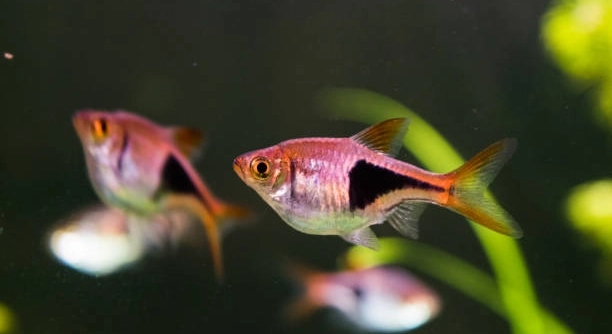
Acclimating rasboras properly is an essential step when introducing them to a new aquarium. Sudden changes in water conditions can stress the fish and impact their health, so careful preparation is key to ensuring a smooth transition.
Rasboras should be acclimated slowly over a period of at least two hours. Gradual introduction to the tank water, using methods such as drip acclimation or floating the bag, allows them to adjust to differences in temperature, pH, and hardness safely.
Following these steps can help prevent stress and support healthy adaptation to their new environment. Proper acclimation ensures your rasboras thrive and remain active in your aquarium.
Why Slow Acclimation Matters
Rasboras are delicate fish that respond poorly to sudden changes in water conditions. If introduced too quickly, they can experience stress, shock, or even fatal health issues. Slow acclimation allows their bodies to adjust to differences in temperature, pH, and mineral content, reducing the risk of illness. Many hobbyists underestimate this step, focusing on tank setup and decoration while overlooking the transition period. Taking the time to acclimate properly not only protects their health but also encourages normal behavior, feeding, and growth. Techniques such as floating the bag to match temperature or gradually mixing tank water with their transport water are simple yet highly effective. Observing the fish during this process helps identify early signs of stress, allowing for immediate adjustments. A calm, controlled approach ensures rasboras adapt steadily and maintain their vibrant colors and activity levels, creating a more balanced and healthy aquarium environment.
Proper acclimation improves survival rates and reduces long-term stress-related problems.
Slow acclimation gives rasboras the best chance to adjust fully before being exposed to the new tank, making their introduction safer and smoother.
Common Methods of Acclimating Rasboras
Floating the bag is a straightforward method that works well for short-term acclimation. By allowing the sealed bag to float on the tank’s surface, the water inside gradually warms to match the tank temperature. This helps prevent temperature shock, which is especially important for tropical species sensitive to even slight fluctuations. This method is simple, requires minimal equipment, and can be combined with water mixing techniques for better results.
Drip acclimation is another effective method, particularly for tanks with different water chemistry. This approach uses a small tube or airline tubing to slowly add tank water to the bag over one to two hours. The gradual change reduces stress and allows fish to adjust to new pH, hardness, and other chemical properties. Drip acclimation is highly recommended for sensitive species or large groups of rasboras. By monitoring their behavior and adjusting the flow as needed, you can ensure a controlled and gentle transition. Observing the fish for signs of stress, such as rapid gill movement or unusual swimming, helps determine if the process needs slowing down. Combining temperature and water chemistry adjustments improves survival and keeps the fish active and healthy. Overall, careful acclimation sets the foundation for a thriving aquarium with minimal setbacks.
Timing and Observation
Acclimation should not be rushed. Monitor your rasboras closely, and ensure they are adjusting without signs of stress. Timing varies depending on water differences and fish sensitivity. Patience is key for a smooth transition.
Keeping the fish under observation during the acclimation process helps prevent sudden problems. Watch for unusual behavior, such as darting, clamping fins, or gasping at the surface. These signs indicate stress or difficulty adjusting, which can be mitigated by slowing the introduction or adjusting water parameters. By paying close attention, you can make small corrections that significantly improve their adaptation.
Gradually introducing small amounts of tank water into their transport container over time allows the fish to acclimate naturally. This method balances both temperature and water chemistry changes. The process may seem slow, but it is far safer than rushing them directly into the tank. Regular checks and patience ensure the fish remain healthy throughout this critical period.
Preparing the Tank
Ensure the tank is fully cycled and stable before introducing rasboras. Proper filtration, temperature, and pH balance are essential for their adjustment.
A stable tank environment reduces the stress on new fish and promotes long-term health. Before acclimation, check that the water temperature matches the species’ natural range and that filtration is operating efficiently. Plants, hiding spots, and gentle lighting create a comfortable habitat, helping fish feel secure during acclimation. Small differences in water chemistry can be managed gradually, but the tank itself must provide a consistent baseline.
Setting up the tank carefully minimizes risks during acclimation. Avoid sudden changes in temperature or lighting while adding new fish, as these can amplify stress. A well-prepared environment allows rasboras to explore and feed normally after acclimation. Regular maintenance, including monitoring ammonia, nitrite, and nitrate levels, ensures the water stays safe. By focusing on stability and comfort, the acclimation process becomes less stressful and more predictable, giving the fish the best start in their new home.
Common Mistakes to Avoid
Adding rasboras too quickly can shock their system, causing stress or illness. Avoid pouring them directly into the tank without gradual acclimation.
Overcrowding the tank during introduction can lead to panic and aggression. Introduce small groups to ensure a calm environment and reduce stress for all fish.
Monitoring Behavior
Observe rasboras carefully during and after acclimation. Healthy fish will swim actively, explore their surroundings, and begin feeding normally. Signs of stress, like clamped fins or hiding constantly, indicate adjustments are needed.
Water Parameter Adjustments
Check and match the temperature, pH, and hardness between the transport water and the tank. Small, gradual changes prevent shock and ensure fish adapt safely to their new environment.
Feeding After Acclimation
Wait at least a few hours after acclimation before offering food. This allows fish to settle and reduces the risk of digestive stress or competition among tank mates.
FAQ
How long should rasboras be acclimated?
Rasboras should be acclimated for at least two hours, though longer may be needed if there is a significant difference in water conditions. Gradually mixing small amounts of tank water into their transport container allows them to adjust slowly to temperature, pH, and hardness differences, reducing stress. Observing the fish during this process is important to catch signs of difficulty early.
Can I skip acclimation if the tank looks similar to their transport water?
No, even small differences in water chemistry or temperature can stress rasboras. Skipping acclimation may result in shock, weakened immune response, or sudden death. A slow introduction ensures they adjust safely and remain healthy. Taking the time to acclimate properly prevents potential long-term health issues.
What is the best method for acclimating rasboras?
Two common methods are floating the bag and drip acclimation. Floating the bag equalizes temperature, while drip acclimation gradually adjusts water chemistry. Both methods can be combined for sensitive species. The goal is to avoid rapid changes and allow the fish to adapt at a steady pace, minimizing stress.
How do I know if my rasboras are stressed during acclimation?
Signs of stress include rapid gill movement, clamped fins, erratic swimming, hiding constantly, or gasping at the surface. If these behaviors appear, slow down the introduction or check water parameters. Proper observation during acclimation ensures fish remain healthy and adapt without trauma.
Should I feed rasboras immediately after acclimation?
It is best to wait at least a few hours before feeding. Allowing fish to settle reduces the risk of digestive problems and stress. Once they begin swimming normally and exploring the tank, you can offer small amounts of food. Regular feeding can resume as they settle into a routine.
Does the size of the tank affect acclimation time?
Yes, larger tanks may require slower acclimation if water conditions differ more significantly. Even small groups benefit from gradual introduction, especially in tanks with established fish. Matching temperature and slowly adjusting water chemistry are essential regardless of tank size, ensuring the new rasboras adapt safely.
Can acclimation prevent diseases?
Proper acclimation does not guarantee disease prevention, but it reduces stress, which lowers the risk of infections. Stress weakens the immune system, making fish more susceptible to illness. A careful, gradual acclimation process supports overall health and encourages normal behavior, feeding, and growth.
Is there a risk of over-acclimating rasboras?
While longer acclimation is generally safe, extremely prolonged periods without food or in low-oxygen water can cause problems. Two to three hours is sufficient for most situations. The key is balance: enough time to adjust, but not so long that environmental conditions in the transport container become harmful.
How often should I acclimate fish in general?
Acclimation is necessary every time fish are introduced to a new tank or major water changes occur. Even experienced fish respond poorly to sudden changes. Consistent, careful acclimation ensures their health and comfort, regardless of species.
Are there signs that acclimation was successful?
Successful acclimation is indicated by active swimming, normal feeding behavior, bright coloration, and minimal hiding. Rasboras should explore the tank calmly and interact with other fish without panic. Monitoring them during the first 24 hours helps confirm they have adjusted well to their new environment.
What should I do if a fish reacts poorly during acclimation?
If a rasbora shows signs of stress, slow down the process. Reduce the flow of added water in drip acclimation or pause the floating method. Check temperature and water parameters, and consider isolating the fish if necessary. Gentle handling and careful observation are critical to prevent lasting harm.
Can I acclimate multiple fish at once?
Yes, small groups can be acclimated together, but overcrowding may cause stress or aggression. Ensure there is enough space in the transport container and monitor behavior closely. Gradual water introduction for all fish helps maintain stability and prevents sudden shock to the group.
How important is water chemistry matching?
Water chemistry is just as important as temperature. Differences in pH, hardness, or mineral content can stress rasboras. Gradually mixing tank water during acclimation helps the fish adjust without sudden shocks. Ignoring chemistry can lead to illness, poor coloration, or unusual behavior, even if the temperature is correct.
Are some rasbora species more sensitive than others?
Yes, smaller or more delicate species like chili rasboras or galaxy rasboras are particularly sensitive to sudden changes. They require slower acclimation and careful monitoring. Larger or hardier species may tolerate minor changes better, but gradual introduction is always safer.
What equipment is useful for acclimation?
A small airline tube, container for mixing water, and thermometer are helpful. They allow drip acclimation, accurate temperature matching, and close monitoring. Having these tools ready makes the process smoother and less stressful for both the fish and the caretaker.
How does acclimation affect long-term fish health?
Proper acclimation supports immune system strength, normal feeding, and natural behavior. Fish that are acclimated slowly tend to be more active, show better coloration, and have fewer stress-related illnesses. Skipping this step can lead to long-term problems, even if the fish survives the initial introduction.
Can acclimation mistakes be corrected?
Yes, if caught early. Slowing the process, adjusting water parameters, or isolating stressed fish can help. Quick action is critical; delayed response may result in illness or death. Regular observation during the first hours and days is essential for recovery and long-term adaptation.
Do acclimation methods differ for community tanks?
Community tanks require extra caution. New rasboras may be intimidated by existing fish or compete for space. Gradual introduction, hiding spots, and slow water mixing help them acclimate without stress. Ensuring the environment is stable benefits all tank inhabitants.
Is acclimation necessary for quarantine tanks?
Yes, even in quarantine. Introducing fish into quarantine tanks with different parameters requires the same gradual adjustment. Proper acclimation ensures accurate observation of health and prevents stress-related illnesses during this critical monitoring period.
How often should water parameters be checked during acclimation?
Check temperature and basic chemistry at the start and periodically during acclimation. This ensures the fish are adapting safely. Adjustments should be made slowly, keeping changes incremental. Regular monitoring minimizes risk and increases the chances of successful adaptation.
What role does observation play after acclimation?
Observation continues after the initial introduction. Watching feeding habits, swimming behavior, and interaction with tankmates over the first few days confirms successful acclimation. Prompt response to any signs of stress ensures the fish remain healthy and comfortable in their new environment.
Can acclimation stress be reduced further?
Yes, by dimming lights, providing hiding spots, and reducing noise near the tank. Gentle handling and minimal disturbances create a calm environment. Combining these measures with gradual water introduction supports both physical and mental adaptation, improving overall fish welfare.
How long until rasboras fully adjust to a new tank?
Adjustment varies but usually takes 24 to 48 hours for basic acclimation. Complete adaptation, including normal feeding and behavior patterns, may take several days. Patience and careful monitoring during this period are crucial to ensure long-term health and comfort.
Is it okay to move fish between tanks frequently?
Frequent moves are stressful and should be minimized. Each move requires full acclimation to prevent shock. Planning tank setups and limiting transfers helps maintain stability and reduces risks to the fish’s health. Proper acclimation every time remains essential for their well-being.
How does temperature difference affect acclimation time?
Larger differences in temperature require slower acclimation. Rapid changes can cause shock, illness, or death. Floating the bag and gradual water mixing help balance both temperature and water chemistry, allowing the fish to adjust safely. Always check temperatures carefully before transferring fish.
What are the consequences of poor acclimation?
Poor acclimation can lead to stress, weakened immunity, disease, and even death. Fish may show erratic behavior, refuse food, or lose coloration. Long-term health problems can also arise, affecting lifespan and quality of life. Careful, slow introduction is essential to avoid these outcomes.
Can I acclimate fish at night?
Yes, a calm, dark environment can reduce stress. However, ensure adequate monitoring during acclimation. Avoid disturbing the fish unnecessarily. The goal is to create a stable, controlled environment where they can adjust gradually to new conditions.
Is water from the transport bag safe for acclimation?
It can be used temporarily, but it often contains waste and lower oxygen levels. Gradually mixing tank water reduces stress while maintaining safety. Avoid leaving fish in transport water for long periods to prevent oxygen depletion or chemical imbalances.
How important is patience during acclimation?
Patience is the most important factor. Rushing the process can cause immediate and long-term harm. Taking time to adjust water, monitor behavior, and respond to stress ensures healthier, more resilient fish. Slow, careful acclimation is always safer than fast introduction.
Are there alternatives to traditional acclimation methods?
While floating and drip methods are standard, some hobbyists use gentle pouring or small container transfers. These methods work best for short distances and minor water differences but still require slow, careful adjustment. The principle remains gradual, controlled change to minimize stress.
How can I make acclimation less stressful for multiple fish?
Provide enough space, avoid overcrowding, and introduce fish in small groups. Ensure slow water mixing and gentle handling. Observing behavior allows adjustments as needed. Creating a calm environment and using hiding spots reduces stress and supports successful adaptation for all fish.
Should acclimation differ for young vs. adult rasboras?
Younger fish may be more sensitive to water changes, requiring slower adjustment. Adults tolerate minor differences better but still benefit from gradual introduction. Always observe behavior and respond to stress, regardless of age, to ensure safe adaptation.
Does acclimation affect breeding behavior?
Yes, stress from poor acclimation can delay or prevent breeding. Healthy, well-adjusted rasboras are more likely to engage in normal mating behavior. Gradual introduction and a stable environment create the conditions necessary for successful reproduction.
Can acclimation be stressful even if fish seem fine?
Yes, subtle stress may not be immediately visible. Fish can hide illness or stress temporarily. Close observation, gradual water adjustments, and careful monitoring during the first days help detect and mitigate hidden issues, supporting long-term health.
Is acclimation different for soft vs. hard water?
Yes, fish moving from soft to hard water, or vice versa, require slower adjustment. Differences in mineral content and pH affect their physiology. Gradual mixing and careful monitoring ensure safe acclimation and reduce risk of stress or disease.
How long should drip acclimation last?
Drip acclimation typically lasts one to two hours. The rate should be slow enough that water chemistry changes gradually, preventing shock. Monitoring fish during the process ensures they tolerate the adjustment safely and remain active and healthy.
Can acclimation improve color and vitality?
Yes, properly acclimated fish tend to display brighter coloration, more activity, and normal feeding. Reducing stress during introduction supports overall health, helping rasboras maintain their natural appearance and behavior in the new environment.
How should I handle sick fish during acclimation?
Sick fish require extra care. Quarantine them separately and adjust water parameters gradually. Monitor closely and avoid stressors. Proper acclimation supports recovery, while rushing the process can worsen their condition.
Is acclimation necessary for small or nano tanks?
Yes, even small tanks require careful acclimation. Smaller volumes amplify water differences and stress. Gradual introduction and slow adjustment of temperature and chemistry prevent shock and support long-term health.
What if fish refuse to eat after acclimation?
Temporary loss of appetite can occur due to stress. Monitor closely, maintain water quality, and offer small portions of food once they begin exploring the tank. Appetite usually returns within a day or two for well-acclimated fish.
Can acclimation prevent aggressive behavior?
Gradual introduction helps reduce aggression by allowing fish to adjust calmly. Sudden placement in a tank with established fish can provoke stress and territorial disputes. Proper acclimation supports peaceful interactions and reduces conflicts.
Does acclimation differ for freshwater vs. brackish water?
Yes, differences in salinity require slower adjustment. Gradually altering salinity and monitoring behavior is essential. Sudden changes can cause shock or death. Controlled acclimation ensures fish adapt safely to their new environment, regardless of water type.
How should I prepare transport water for acclimation?
Keep it oxygenated, at a similar temperature, and free of contaminants. Gradually mix tank water to adjust chemistry while maintaining safety. Proper preparation reduces stress and supports a smoother transition for the fish.
Can acclimation affect long-term behavior?
Yes, fish acclimated carefully tend to be more confident, active, and less prone to stress-related behaviors. Poor acclimation can result in hiding, erratic swimming, or social issues, even after initial survival. Gradual, patient adjustment supports normal long-term behavior patterns.
How do I combine temperature and chemistry adjustments?
Float the bag to match temperature first, then slowly add tank water to adjust chemistry. Monitoring both factors together ensures the fish experience minimal shock, making the acclimation process safer and more effective.
Is acclimation necessary after transport within the same tank system?
Minor moves may require less adjustment, but gradual introduction is still recommended. Small changes in temperature or water chemistry can stress fish. Even within the same system, careful monitoring ensures safe adaptation.
How long after acclimation should I monitor water quality?
Check ammonia, nitrite, and nitrate levels over the first few days. New fish produce waste, and the tank may need minor adjustments. Maintaining water quality supports health and reduces stress for acclimated rasboras.
Can acclimation help new fish coexist with older tank mates?
Yes, slow introduction allows them to observe and adapt to established fish behavior. Providing hiding spots and gradually adjusting water parameters reduces stress, increasing the likelihood of peaceful coexistence.
What is the most important factor in successful acclimation?
Patience. Gradual adjustment of temperature, water chemistry, and careful observation ensures fish remain healthy. Rushing or neglecting any step can lead to stress, illness, or death, making patience the key to success.
How do I adjust acclimation for sensitive species?
Slower water mixing, longer drip times, and careful observation are necessary. Sensitive species react poorly to sudden changes, so extra care ensures safe adaptation. Adjusting light, noise, and providing hiding spots also reduces stress and improves outcomes.
Can acclimation mistakes be reversed?
If addressed quickly, yes. Slowing the process, adjusting water, and isolating stressed fish can correct errors. Early detection and careful intervention are critical to prevent lasting damage or death.
Is acclimation required for all freshwater fish?
While most freshwater fish benefit, delicate or tropical species require it most. Even hardy species do better with gradual introduction. Skipping acclimation always carries some risk, so it is considered best practice for all new fish.
How does water hardness affect acclimation speed?
Greater differences in hardness slow the acclimation process. Gradual adjustment allows fish to adapt physiologically without stress. Matching pH and mineral content incrementally ensures a safer transition and reduces potential health problems.
Can acclimation be stressful for the caretaker?
Yes, watching fish closely and adjusting parameters requires attention. However, careful planning and patience reduce anxiety and improve outcomes. Observing small improvements can be rewarding and ensures fish thrive.
How do I maintain calm conditions during acclimation?
Minimize movement around the tank, reduce lighting, and provide hiding spaces. Gentle handling and slow water adjustments reduce stress for the fish and create a stable environment for smooth adaptation.
What should I do if acclimation fails?
Immediately identify the source of stress. Adjust water slowly, isolate affected fish if needed, and monitor closely. Quick response improves survival and reduces long-term health issues. Consistent observation and patience are essential for recovery.
Can acclimation affect fish lifespan?
Proper acclimation supports long-term health, reducing stress-related illnesses and mortality. Fish introduced abruptly may survive initially but experience shorter lifespans due to chronic stress. Gradual adjustment provides a foundation for a healthier, longer life.
How do I know when acclimation is complete?
Rasboras are swimming normally, feeding regularly, and interacting calmly with tankmates. Signs of stress are minimal, and behavior is consistent with healthy fish. This usually occurs within a few hours to a couple of days.
Are there shortcuts to acclimation?
No reliable shortcuts exist. Rushing the process increases the risk of stress, illness, or death. Gradual, patient introduction remains the safest method for all rasboras and other delicate fish species.
How important is light adjustment during acclimation?
Dimming lights or providing shaded areas reduces stress. Sudden bright lighting can startle fish and amplify stress. Gradual acclimation to light levels complements temperature and water chemistry adjustments for a smoother transition.
Does acclimation affect coloration?
Yes, stress can dull coloration. Proper, slow acclimation helps maintain vibrant colors and healthy appearance, reflecting the fish’s comfort and well-being in the new environment.
Can acclimation prevent fin rot?
Indirectly, yes. Stress from sudden changes weakens the immune system, making fish more prone to infections like fin rot. Gradual adjustment supports health and reduces susceptibility.
Is oxygenation important during acclimation?
Yes, sufficient oxygen prevents stress and suffocation, especially in closed transport containers. Air stones or gentle water movement can help, ensuring fish remain healthy while adjusting to the new environment.
How do I balance speed and safety during acclimation?
Introduce changes slowly enough to avoid shock, but do not leave fish in poor-quality water too long. Monitor continuously, adjust rates as needed, and prioritize fish health over speed for the best results.
What if water parameters in the transport bag are unknown?
Assume differences exist and acclimate cautiously. Use temperature matching and slow drip acclimation to reduce risk. Monitoring fish closely allows timely intervention if stress appears, ensuring safe adjustment.
Can acclimation be done in a hospital tank?
Yes, acclimation can occur in a quarantine or hospital tank. Gradual water adjustment and close observation are just as important as in the main tank, supporting health and safe adaptation.
Does temperature shock affect long-term behavior?
Yes, fish exposed to sudden temperature changes may become lethargic, hide frequently, or eat less. Proper acclimation prevents these issues and encourages normal, active behavior after introduction.
Is acclimation necessary for newly hatched fish?
Yes, fry are very sensitive to water changes. Even small differences can be fatal. Gentle, gradual adjustment is critical to ensure survival and healthy development.
Can acclimation reduce aggression from established tankmates?
Yes, gradual introduction allows new fish to adjust and observe established fish. Sudden placement may provoke attacks, but slow acclimation helps
Final Thoughts
Acclimating rasboras properly is one of the most important steps when introducing them to a new tank. The process may seem slow or tedious, but taking the time to do it carefully ensures that the fish adjust safely to their new environment. Sudden changes in water temperature, pH, or hardness can cause stress, weaken their immune system, and even result in death. By introducing the fish gradually, either through floating the bag or drip acclimation, you give their bodies the chance to adapt without shock. This careful approach also allows you to observe the fish closely and notice any early signs of stress or illness, making it easier to intervene if necessary. While it may feel like an extra step, proper acclimation significantly increases the chances that your rasboras will thrive and remain active in the tank.
A stable and well-prepared tank plays a key role in successful acclimation. Before introducing new fish, it is important to ensure the tank is fully cycled, with proper filtration and consistent water parameters. Temperature, pH, and hardness should be stable and within the preferred range for the species. Adding plants, hiding spots, and gentle lighting helps create a comfortable environment for the fish as they adjust. During acclimation, it is important to keep conditions calm and avoid sudden disturbances. Minimizing movement around the tank, dimming lights if necessary, and providing enough space for the fish to explore helps reduce stress. A well-maintained environment not only supports a smooth acclimation process but also encourages normal feeding behavior, active swimming, and healthy social interactions with other tankmates.
Finally, patience and observation are essential for long-term success. Even after acclimation is complete, it is important to continue monitoring the fish for the first few days. Healthy, well-adjusted rasboras will explore the tank, eat regularly, and display vibrant colors. If any fish appear stressed, hiding excessively, or refusing food, adjustments to water parameters or additional care may be necessary. Remember that every fish and tank setup is slightly different, so there is no exact timeline for when adaptation is fully complete. Taking the time to introduce fish gradually, maintain stable conditions, and monitor behavior carefully sets the foundation for a thriving aquarium. By focusing on these steps, you create an environment where rasboras can grow, stay healthy, and remain active, making the aquarium both enjoyable and sustainable for years to come.

Hello,
If you enjoy the content that we create, please consider saying a "Thank You!" by leaving a tip.
Every little bit helps us continue crafting quality advice that supports the health, happiness, and well-being of pets around the world, for pets of all shapes, sizes, and species.
We really appreciate the kindness and support that you show us!