
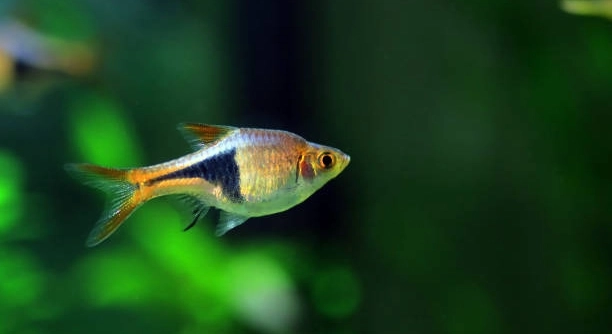
Many aquarists enjoy keeping small schooling fish like rasboras, but sometimes these fish start pacing along the tank glass. This behavior can be worrying and may indicate stress or unmet needs in their environment.
Rasbora pacing is commonly caused by insufficient tank space, poor water quality, lack of hiding spots, or inadequate stimulation. Correcting these issues through proper tank setup, water management, and environmental enrichment can significantly reduce repetitive swimming behaviors.
Addressing these simple fixes can improve your rasboras’ comfort and overall wellbeing. The following tips will guide you toward a calmer, healthier aquarium environment.
Increase Tank Space
Many aquarists underestimate the importance of tank size for small schooling fish like rasboras. These fish are active swimmers and need enough room to move freely. A crowded tank can cause stress, leading to constant pacing along the glass or corners. Even if the tank is clean and well-filtered, a small space limits their natural behavior. Upgrading to a larger tank or reducing the number of fish can immediately reduce stress and repetitive swimming. It also allows them to form proper social structures, which is important for schooling species. Ensuring a tank that meets their spatial needs helps maintain their health, encourages natural behavior, and makes observing them more enjoyable. Adding plants or decorations can further improve the sense of space by creating natural boundaries, giving the fish areas to explore and hide, which reduces pacing and promotes a calmer environment.
Increasing tank size often leads to more relaxed, active fish and healthier behavior overall.
A tank that allows free swimming lets rasboras express natural behavior. They can explore, school properly, and interact with decorations. Overcrowding is a main stress factor, so adequate space is essential for both physical and mental wellbeing.
Improve Water Quality
Poor water quality is a major reason for pacing in rasboras. High nitrate levels, improper pH, or irregular water changes can cause stress, making fish swim repeatedly along the tank edges.
Maintaining clean, stable water conditions is key. Regular water tests, partial water changes, and proper filtration help keep nitrate and ammonia levels low. Rasboras are sensitive to sudden changes, so gradual adjustments are best. Consistent temperature, pH, and oxygen levels improve comfort. Overfeeding or decaying plants can reduce water quality, so careful feeding and tank maintenance are necessary. Plants and decorations can aid natural filtration, while live plants absorb excess nutrients and provide shelter. Checking water parameters weekly ensures they remain within safe ranges for rasboras. With stable water conditions, pacing behavior usually decreases, and the fish become calmer. Combining good water management with sufficient space and environmental enrichment creates a healthier, less stressful aquarium environment, helping rasboras thrive.
Add Hiding Spots
Providing hiding spots helps rasboras feel safe and reduces pacing. Plants, caves, and decorations give them places to retreat, lowering stress and encouraging natural behavior in the tank.
Hiding spots break up open swimming areas and create a sense of security. Rasboras often school near plants or decorations when stressed, using them as shelter. Live or artificial plants, driftwood, and small caves offer variety and enrich the environment. Proper placement ensures they can swim freely while still having safe zones. This reduces repetitive swimming along tank walls and promotes calmer behavior.
Adding these features also encourages exploration and social interaction within the school. When rasboras feel safe, they focus more on normal activities like feeding and schooling. Varying textures and hiding options keep them engaged, while plants improve water quality slightly by absorbing nutrients. Combining space, hiding spots, and stable conditions creates a more balanced environment where pacing naturally decreases, supporting healthier and happier fish over time.
Ensure Proper School Size
Rasboras are social fish that need to be in groups to feel secure. Small numbers can trigger stress and pacing.
A proper school of at least six or more helps fish interact naturally and reduces repetitive swimming along tank boundaries. Fish in insufficient numbers often isolate, swim nervously, and display stress-related behavior. Grouping them appropriately encourages synchronized schooling, providing comfort and mental stimulation.
School size impacts hierarchy and social behavior, allowing rasboras to develop stable interactions. Fish left alone or in very small groups may exhibit constant movement, chasing each other, or darting along the tank edges. Maintaining adequate numbers ensures natural schooling patterns, decreases stress, and improves overall tank harmony. This also benefits feeding, as fish are less likely to compete aggressively and more likely to distribute evenly. Proper schooling encourages calmer behavior, making pacing almost disappear.
Provide Gentle Water Flow
Rasboras prefer a calm, steady water flow. Strong currents can stress them, causing pacing and erratic swimming.
Using a gentle filter or adjusting the flow direction helps fish feel more comfortable. Low turbulence allows them to swim naturally without fighting strong currents, reducing stress-related behavior.
Maintain Consistent Lighting
Stable lighting supports natural day-night cycles for rasboras. Sudden changes can startle them and trigger repetitive swimming. Maintaining regular light periods helps regulate activity levels and promotes calmer behavior, ensuring fish feel secure throughout the day.
Offer Environmental Enrichment
Adding plants, rocks, and driftwood encourages exploration and play. Enrichment reduces boredom, prevents stress, and lowers repetitive pacing. Providing varied textures and hiding spots keeps rasboras mentally engaged, allowing them to express natural behaviors while improving overall wellbeing.
Feed a Balanced Diet
Rasboras need high-quality food in appropriate amounts. Overfeeding or poor nutrition can increase stress and erratic behavior. Proper feeding supports health and energy balance, reducing pacing and encouraging normal activity levels in the tank.
FAQ
Why do my rasboras keep pacing even though the tank looks fine?
Even if the tank appears clean, factors like insufficient space, lack of hiding spots, or inconsistent water conditions can cause stress. Rasboras are sensitive to changes in their environment, and what seems fine to us might still feel unsafe or uncomfortable for them. Adding plants, decorations, and maintaining stable water parameters usually reduces pacing.
How many rasboras should I keep together?
Rasboras are schooling fish that feel secure in groups of six or more. Smaller numbers can lead to stress, causing them to swim nervously along the tank walls. Proper school size encourages natural behavior, reduces anxiety, and helps them interact properly.
Can pacing be a sign of illness?
Yes. While stress is the most common cause, pacing can also indicate health issues like parasites, bacterial infections, or poor water quality. Observe for other symptoms such as clamped fins, discoloration, or loss of appetite. If illness is suspected, test water quality and treat the tank as needed.
Will changing the tank decor help reduce pacing?
Yes. Rearranging plants, rocks, and caves can create new hiding spots and reduce boredom. Environmental enrichment provides mental stimulation, giving rasboras areas to explore. Even small changes can improve comfort, lower stress, and decrease repetitive swimming behaviors.
Is water temperature important for pacing behavior?
Absolutely. Rasboras prefer stable temperatures between 72–78°F (22–26°C). Sudden fluctuations can cause stress, resulting in pacing. Using a reliable heater and monitoring temperature daily ensures consistency, helping them feel secure and swim naturally.
How often should I perform water changes?
Partial water changes of 20–30% once a week are ideal for maintaining water quality. Regular changes remove excess nutrients and waste that can stress fish. Stable water parameters reduce anxiety, making pacing less likely, while also supporting overall health.
Does tank size really matter for pacing?
Yes. Rasboras need room to swim freely. A cramped tank limits natural movement, causing repetitive swimming along tank edges. Upgrading to a larger tank or reducing the number of fish allows them to school properly, explore decorations, and express normal behavior.
Can feeding routines affect pacing?
Yes. Irregular feeding or overfeeding can stress rasboras and encourage frantic swimming. Providing small, consistent portions at set times supports normal behavior and reduces pacing. High-quality flake, pellet, or frozen foods give proper nutrition without compromising water quality.
Will adding plants reduce pacing?
Definitely. Plants provide hiding spots, break up open space, and reduce stress. Live plants also improve water quality by absorbing excess nutrients. A planted tank gives rasboras areas to explore, lowering anxiety and encouraging calmer, natural behavior.
How long does it take for pacing to stop after making changes?
It depends on the fish and the adjustments made. Some rasboras calm within a few days after improving space, water quality, or enrichment, while others may take a couple of weeks. Patience and consistent care are key to seeing lasting improvement.
Are artificial decorations as effective as live plants?
Yes, they can be. While live plants offer additional benefits like nutrient absorption, artificial plants and caves still provide hiding spots and enrichment. The goal is to create safe zones and varied terrain, which helps reduce stress and pacing.
Can adding more fish help reduce pacing?
If the school is too small, yes. Increasing the number of rasboras to at least six allows proper social interaction, which calms nervous behavior. Overcrowding, however, can worsen stress, so the tank must have enough space for the added fish.
What should I do if pacing continues despite all fixes?
If pacing persists, check water parameters carefully, observe for illness, and reassess tank layout and stocking levels. Persistent pacing may indicate chronic stress or health problems. Consulting with an aquarium specialist can help identify underlying issues and suggest tailored solutions.
Do rasboras need a specific light schedule to reduce pacing?
Yes. Consistent light and dark periods help regulate their activity. About 10–12 hours of light per day is sufficient. Sudden changes in light or long periods of darkness can cause anxiety, leading to repeated swimming along tank boundaries.
Can adding floating plants improve their behavior?
Floating plants reduce bright light and create shaded areas, which can make rasboras feel safer. The shade encourages natural behavior and reduces stress, helping calm fish that tend to pace when exposed to open, bright areas.
How important is water movement in preventing pacing?
Moderate, gentle flow is best. Too strong currents can tire or stress rasboras, causing erratic swimming. Positioning filters to create calm areas allows them to swim comfortably, explore the tank, and reduce repetitive movement along tank walls.
Does tank background affect pacing?
Yes. A solid background reduces external distractions and visual stress. Rasboras often pace when they see movement outside the tank. Adding a simple background helps create a secure, enclosed feeling, lowering anxiety and promoting calmer swimming patterns.
Are there any behavioral signs that indicate improvement?
Yes. Reduced pacing, more schooling behavior, exploring plants and decorations, and normal feeding are signs that stress is decreasing. Calm, consistent swimming shows that environmental changes are effective and rasboras feel more comfortable in their tank.
Can temperature fluctuations at night affect pacing?
Yes. Sudden drops in temperature during night can stress rasboras. Using a reliable heater or insulating the tank helps maintain stable temperature, ensuring they remain calm and swim naturally throughout the day and night.
Is it normal for rasboras to pace occasionally?
Occasional pacing can happen, especially during feeding or mild disturbances. It’s chronic, repetitive pacing that indicates stress. Minor, short bursts of swimming along the tank walls are usually harmless and part of normal behavior in a lively aquarium.
Will adding more plants or decorations always reduce pacing?
Not always. While enrichment helps, it must be balanced with sufficient swimming space. Overcrowding the tank with decorations can restrict movement, potentially increasing stress. Proper placement and a mix of open and sheltered areas provide the best results.
How do I know if pacing is stress-related or health-related?
Observe other symptoms. Stress-related pacing usually occurs without physical signs, whereas health issues may include clamped fins, faded colors, or lack of appetite. Monitoring behavior, water quality, and feeding responses helps distinguish between the two causes.
Are there any supplements that help reduce stress?
Some aquarium stress-relief products can help temporarily, but they don’t replace proper tank management. Focus on water quality, enrichment, tank size, and social conditions. Supplements should only be used as a support measure while addressing the root causes of pacing.
Can adjusting the tank temperature slightly reduce pacing?
Slight adjustments within the preferred range (72–78°F) can improve comfort if the tank is at the lower or higher end. Avoid sudden changes, as rapid fluctuations cause stress. Stable, optimal temperatures encourage normal swimming and calmer behavior.
Do rasboras need specific tank mates to reduce pacing?
Compatible, peaceful tank mates help maintain a calm environment. Aggressive or overly active fish can stress rasboras, increasing pacing. Choose similarly sized, non-aggressive species that share similar water requirements for a balanced, peaceful community tank.
Is pacing more common in newly set-up tanks?
Yes. New tanks may lack proper structure, hiding spots, or stable water conditions. Rasboras can feel exposed and stressed, leading to pacing. Gradual acclimation, plants, decorations, and careful monitoring help reduce anxiety during this adjustment period.
Does water hardness affect pacing?
Rasboras prefer soft to moderately hard water. Extreme hardness or sudden changes can stress them. Maintaining consistent water chemistry supports health and behavior, reducing repetitive swimming caused by discomfort in unsuitable conditions.
How long after fixing tank issues should I expect improvement?
Some fish respond within a few days, while others may take a week or two. Consistent care, stable water parameters, proper schooling, and enrichment gradually reduce pacing. Patience and observation are essential for lasting results.
Can overcrowding cause pacing even if other conditions are perfect?
Yes. Even with excellent water quality, sufficient plants, and proper lighting, overcrowding limits swimming space and social comfort. Ensuring the tank has adequate room for all fish prevents stress and repetitive swimming behavior.
Are there seasonal changes that affect pacing?
Rasboras may respond to subtle seasonal shifts like light duration or temperature variations. Maintaining stable indoor conditions minimizes stress caused by seasonal changes and helps prevent pacing.
Do rasboras ever pace at night?
They are generally less active at night, but excessive light or disturbances can trigger nighttime pacing. Ensuring a consistent day-night cycle and quiet environment supports restful behavior and reduces nighttime activity along tank walls.
Can adding driftwood help reduce pacing?
Yes. Driftwood provides shelter, shade, and hiding spots. It breaks up open swimming space, offering secure areas for rasboras, which decreases stress-induced pacing. Combining driftwood with plants improves both comfort and visual appeal.
Is pacing more common in smaller tanks?
Yes. Limited swimming space increases stress and repetitive behavior. Small tanks make fish feel confined and exposed, while larger tanks allow freedom of movement, proper schooling, and reduced pacing.
Does feeding live or frozen foods reduce pacing?
Providing varied diets, including live or frozen foods, encourages natural foraging behavior. Mental stimulation during feeding reduces boredom and stress, which helps decrease repetitive swimming along tank walls.
Can a sudden increase in tank noise affect pacing?
Yes. Loud or frequent vibrations from nearby activity can startle rasboras, leading to temporary pacing. Minimizing tank disturbances and maintaining a calm environment helps them feel secure and swim naturally.
Do rasboras need regular observation to prevent pacing?
Regular observation helps identify early signs of stress or environmental issues. Noticing pacing, changes in behavior, or health problems allows timely corrections, preventing chronic stress and promoting a stable, calm aquarium environment.
Will removing tank mates reduce pacing?
Removing aggressive or overly active fish can help. Rasboras are sensitive to harassment, and incompatible tank mates increase stress, causing repetitive swimming. A peaceful community setup supports calmer behavior.
Does pacing affect overall health?
Chronic pacing indicates stress, which can weaken immunity and make fish more susceptible to illness. Addressing environmental, social, and water quality factors reduces stress and supports long-term health and vitality.
Can changing the filter type reduce pacing?
Yes. Filters that create strong currents may stress rasboras. Using gentle filters or adjusting flow direction allows calmer swimming, reducing repetitive movement along tank walls.
Is pacing normal during feeding times?
Short bursts of activity during feeding are normal. Persistent pacing outside of feeding periods signals stress or environmental issues. Observing patterns helps distinguish normal behavior from concerning repetitive movement.
Do rasboras respond to tank rearrangements?
Yes. Rearranging plants, rocks, or decorations can create new hiding spots and stimulate exploration. Carefully planned changes reduce boredom and stress, lowering pacing and promoting natural behavior.
Can water additives improve pacing?
Additives may help temporarily reduce stress but cannot replace proper tank management. Stable water conditions, sufficient space, hiding spots, and proper schooling are the primary solutions for pacing behavior.
Are some rasbora species more prone to pacing?
Yes. Species that are smaller or more sensitive to environmental changes may show pacing more often. Understanding species-specific needs helps prevent stress and repetitive behavior.
Do rasboras need companion species for mental stimulation?
Peaceful, compatible companions can provide social interaction and reduce boredom. Avoid aggressive species, as they can increase stress and pacing. Proper tank mates support calm, natural behavior.
Is it okay to leave the tank light on for longer periods?
No. Extended lighting can stress fish. Maintain 10–12 hours of light per day to mimic natural cycles, which helps regulate activity and reduces pacing.
How important is gradual acclimation when adding new fish?
Gradual acclimation reduces stress from sudden changes in water conditions. Slowly introducing new fish prevents panic swimming, aggression, or increased pacing in existing rasboras.
Do rasboras pace more when hungry?
Yes. Hunger can trigger frantic swimming, but chronic pacing outside feeding times usually indicates stress. Regular feeding with small, consistent portions minimizes hunger-related pacing.
Can tank vibrations from pumps or filters cause pacing?
Strong vibrations can stress rasboras, leading to repetitive swimming. Ensuring equipment runs quietly and placing the tank on a stable surface helps reduce environmental stressors and pacing.
Will adding a background plant wall help?
Yes. A dense plant wall creates visual barriers, reduces open space, and provides security. Rasboras feel safer and pace less when they have shelter along the tank edges.
Do rasboras need a dark period at night?
Yes. Darkness supports natural rest cycles. Continuous light can stress fish, increase activity, and encourage pacing. A proper light schedule improves behavior and wellbeing.
Can pacing lead to fin damage?
Repeated swimming along glass or decorations may cause minor fin wear over time. Reducing stress through proper tank conditions, enrichment, and schooling prevents potential injury.
Are young rasboras more prone to pacing?
Juveniles are more sensitive to environmental changes and may pace more. Ensuring adequate space, hiding spots, and stable water conditions helps them develop normal behavior early.
Does water pH affect pacing?
Yes. Rasboras prefer slightly acidic to neutral water (pH 6.5–7.5). Sudden changes or extremes in pH can stress fish, triggering repetitive swimming along the tank boundaries.
Will pacing decrease naturally over time?
Not always. Without addressing environmental, social, or health-related causes, pacing can persist. Consistent care and adjustments are necessary to reduce stress and encourage normal swimming behavior.
Can temperature drops during water changes trigger pacing?
Yes. Sudden temperature fluctuations during water changes can stress rasboras. Pre-treating replacement water to match tank temperature minimizes shock and helps maintain calm behavior.
Does substrate type matter for pacing?
Yes. Smooth or natural substrates provide comfort and reduce injury risk. Sharp or reflective surfaces may stress fish, increasing pacing along tank edges. Proper substrate supports normal behavior.
Can stress from other fish increase pacing?
Yes. Aggressive, territorial, or fast-moving fish can intimidate rasboras, causing repetitive swimming and anxiety. Maintaining peaceful tank mates supports calmer behavior and reduces stress-induced pacing.
Are there signs that pacing is improving?
Yes. Reduced wall swimming, calmer schooling, normal feeding, and exploration of plants or decorations indicate that environmental adjustments are effective and stress levels are decreasing.
Can adding floating plants reduce pacing?
Yes. Floating plants provide shade, lower light intensity, and create a sense of security. Shaded areas encourage calm behavior and reduce repetitive swimming along open tank edges.
Do rasboras need soft water to reduce pacing?
Soft to moderately hard water is preferred. Extreme hardness can stress fish, causing pacing. Maintaining consistent, appropriate water parameters supports normal behavior.
Can adjusting feeding times help pacing?
Yes. Regular feeding at consistent times reduces stress and frantic swimming. Predictable routines encourage calmer behavior and proper schooling patterns.
Will occasional pacing affect lifespan?
Short-term, occasional pacing is not harmful. Chronic, stress-related pacing can impact health over time. Addressing environmental and social needs supports wellbeing and longevity.
Are certain tank shapes better for reducing pacing?
Longer, rectangular tanks are better than tall, narrow ones. They provide more horizontal swimming space, allowing rasboras to school naturally and reduce repetitive movement along walls.
Can pacing indicate boredom?
Yes. Lack of enrichment or environmental stimulation can lead to repetitive swimming. Adding plants, hiding spots, and exploring areas keeps fish engaged and lowers pacing.
Does lighting intensity affect pacing?
Bright, harsh light can stress rasboras. Moderate lighting with shaded areas encourages natural activity and reduces nervous, repetitive swimming along tank edges.
Can adding a few snails or shrimp help?
Yes, peaceful invertebrates create activity without stress. Observing other creatures can provide mild stimulation and reduce boredom-related pacing. Avoid aggressive species that may disturb rasboras.
How do I track improvements in pacing?
Observe swimming patterns, social interaction, feeding behavior, and time spent near walls. Reduced repetitive movement and calmer schooling indicate positive results from environmental adjustments.
Are small changes in tank decor enough?
Even minor adjustments, like moving a plant or adding a small cave, can reduce stress. Rasboras respond well to gradual enrichment that increases security and exploration opportunities.
Do rasboras respond to sound or vibration changes?
Yes. Sudden noises or vibrations can startle them and trigger pacing. Minimizing external disturbances helps maintain calm behavior.
Is it normal for pacing to flare during feeding?
Brief bursts during feeding are normal. Persistent, repetitive swimming outside feeding times is a stress indicator and should be addressed through tank adjustments.
Can excessive tank cleaning increase pacing?
Yes. Frequent disturbance of the tank can stress fish. Gentle, minimal cleaning and consistent maintenance reduce anxiety and repetitive swimming.
Does tank placement in the room affect pacing?
Yes. Tanks near constant activity, vibrations, or bright light can stress rasboras. Placing the tank in a quieter, stable area helps reduce pacing and promotes calmer behavior.
Are rasboras more active in planted tanks?
Yes. Plants provide security, hiding spots, and enrichment. Fish in planted tanks explore more naturally and exhibit less stress-induced pacing compared to bare tanks.
Can water flow adjustments alone stop pacing?
Flow adjustments help but are most effective combined with proper tank size, hiding spots, schooling, and stable water conditions. Calm, gentle water supports natural swimming behavior.
Do all rasboras react the same to environmental changes?
No. Individual temperaments vary. Some may adjust quickly, while others show prolonged stress. Observing each fish helps tailor environmental improvements.
How do I know if pacing is decreasing?
Calmer schooling, reduced wall swimming, exploration of plants, and consistent feeding are signs that pacing is decreasing and the tank environment is more suitable.
Are floating plants necessary or optional?
Optional but beneficial. Floating plants create shaded areas, improve comfort, and reduce stress. They are a simple way to enrich the environment and lower pacing.
Do rasboras need frequent interaction with the tank environment?
Yes. Active exploration of plants, decorations, and other fish supports mental stimulation, prevents boredom, and reduces repetitive swimming behavior.
Can tank shape or size alone solve pacing?
Not alone. While tank dimensions matter, pacing is usually influenced by multiple factors: space, water quality, hiding spots, schooling, and enrichment. A combination of adjustments is most effective.
Is it normal for some pacing to persist?
Yes. Minor, occasional pacing can occur even in ideal conditions. Persistent or chronic pacing indicates that further adjustments are needed.
Does adding shade reduce anxiety?
Yes
Final Thoughts
Rasboras are delicate, active fish that need a carefully balanced environment to feel secure. Their pacing is often a sign of stress, boredom, or unmet needs, and it should not be ignored. Even when the tank looks clean and well-maintained, there may be hidden factors affecting their behavior. Tank size, water quality, hiding spots, social structure, and enrichment all play crucial roles in their comfort. Ensuring that these conditions are met helps the fish express natural behaviors and reduces repetitive swimming along the tank walls. Small, gradual adjustments can make a significant difference in how the fish behave, and observing their responses over time is important to identify what works best.
Creating a supportive environment begins with adequate space and proper schooling. Rasboras are social fish that rely on their group for comfort, and keeping them in insufficient numbers can increase anxiety and pacing. Similarly, overcrowded tanks restrict movement and create stress, even if water quality is high. Adding plants, decorations, and safe hiding places encourages exploration and provides security, giving the fish options to retreat when they feel uneasy. These additions also break up open swimming areas and create a more natural habitat. When combined with consistent water maintenance, proper feeding routines, and moderate lighting, these environmental improvements greatly reduce stress-induced pacing.
Patience and consistency are key when addressing rasbora pacing. Behavior changes may not happen overnight, but steady care produces noticeable results over days or weeks. Observing the fish for signs of improvement, such as calmer schooling, exploring hiding spots, and normal feeding patterns, helps gauge the effectiveness of adjustments. Some fish may need more time to adapt, while others respond quickly, but gradual and sustained care ensures long-term health and wellbeing. By focusing on space, water quality, social needs, and environmental enrichment, aquarists can create a balanced, comfortable habitat that supports natural behavior and reduces pacing, allowing rasboras to thrive in a stress-free tank environment.

Hello,
If you enjoy the content that we create, please consider saying a "Thank You!" by leaving a tip.
Every little bit helps us continue crafting quality advice that supports the health, happiness, and well-being of pets around the world, for pets of all shapes, sizes, and species.
We really appreciate the kindness and support that you show us!