
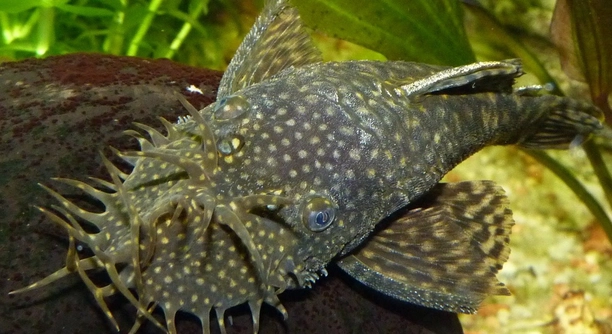
Do you ever find yourself wondering if your Bristlenose Pleco is eating enough or getting the right nutrients throughout the day? Many fish owners struggle with finding a feeding routine that truly works for these peaceful bottom dwellers.
Bristlenose Plecos require a structured feeding schedule to maintain health and prevent overfeeding. Feeding them small portions two to three times daily, supplemented with vegetables and algae wafers, ensures balanced nutrition while supporting proper digestion and growth.
Understanding how often and what to feed your Pleco can make a big difference in its wellbeing. Following these schedules will help your fish thrive in a stable and healthy aquarium environment.
Morning Feeding Routine
Starting the day with a proper feeding sets the tone for your Bristlenose Pleco’s health. A small portion of algae wafers or sinking pellets in the morning helps them get the nutrients needed for energy. I usually feed mine just after turning on the aquarium lights, mimicking natural daylight patterns. Fresh vegetables like zucchini or cucumber can also be lightly blanched and offered, giving extra fiber for digestion. Avoid overfeeding in the morning, as leftover food can pollute the tank. Observing their behavior while eating helps adjust portions for each fish. Morning feeding also encourages regular activity, preventing lethargy. Some Plecos prefer to nibble on vegetables slowly, so placing food in different tank spots keeps them moving and stimulates natural foraging habits. Consistency in timing allows the fish to anticipate feeding and reduces stress.
Offering food once in the morning allows your Pleco to have a steady start without overwhelming the tank environment.
Early feedings build a routine that supports growth and keeps the aquarium clean. Morning meals balance energy for the rest of the day and allow careful monitoring of eating habits for healthier fish.
Afternoon Feeding Adjustment
A mid-afternoon snack can help maintain energy, especially in larger tanks where algae growth is slower.
For many Bristlenose Plecos, a light afternoon meal of vegetable slices or pellets prevents hunger between main feedings. Observing how much is eaten helps reduce waste. Timing can be adjusted based on tank temperature and fish activity. Supplementing afternoon feeding with occasional protein treats like bloodworms promotes overall health. Food should be placed near their preferred hiding spots to encourage natural foraging. Careful rotation of food types prevents monotony and provides balanced nutrition. Using a feeding schedule ensures that all Plecos in the tank receive food without competition stress. Avoid leaving uneaten food for long periods. Midday feeding also allows monitoring for signs of digestive issues or changes in behavior. Over time, this routine improves digestion and maintains stable water quality, benefiting the entire aquarium ecosystem. Regular attention to feeding times strengthens observation skills and helps maintain a healthy tank.
Evening Feeding Schedule
Feeding your Pleco in the evening helps maintain energy overnight. Small portions of sinking pellets or blanched vegetables are ideal. Avoid overfeeding, as uneaten food can foul the water quickly and affect their health.
Evening feeding is important because Bristlenose Plecos are more active during low-light periods. Offering vegetables like zucchini or cucumber encourages natural grazing behaviors and provides fiber for digestion. Sinking pellets are convenient, but rotating with fresh produce ensures balanced nutrition. I usually feed mine an hour before turning off the aquarium lights, giving them time to eat without competition. Observing their activity helps adjust portion sizes. Uneaten food should be removed promptly to prevent water quality issues. Evening meals, when combined with morning and afternoon feedings, create a consistent schedule that supports their natural habits and overall wellbeing.
Some Plecos nibble slowly, so placing food near their favorite hiding spots helps them feel safe while eating. Over time, evening feedings contribute to steady growth and improved digestive health, ensuring your fish remain active and healthy. Consistency in timing also reduces stress, which is essential for long-term tank stability.
Weekend Feeding Variations
Occasional weekend feeding changes prevent monotony and support nutrition. Adding small protein treats like bloodworms can boost health without overwhelming their diet.
During weekends, I like to vary what I offer my Plecos. Introducing frozen or live foods like bloodworms or brine shrimp provides extra protein, helping them maintain muscle and vitality. Fresh vegetables can still be part of the meal, but rotating types keeps nutrients balanced. Weekend adjustments also allow me to monitor their response to different foods and portion sizes. Overfeeding should be avoided; only small amounts are necessary. This slight variation keeps the fish engaged and supports digestive health. Observation during these feedings ensures that each fish receives food without competition stress, making the tank environment calmer. By changing food types occasionally, Plecos remain interested in their meals, which is beneficial for overall wellbeing.
I notice that my Plecos are more active after weekend feedings, often exploring the tank and grazing in new areas. These variations also help me detect subtle changes in their appetite or behavior early, ensuring timely adjustments in diet. Maintaining a flexible yet controlled feeding schedule on weekends contributes to their long-term health while keeping the tank clean and balanced.
Feeding Before Lights Out
A small feeding before turning off the lights helps Plecos stay active during nighttime. Sinking pellets or thin vegetable slices work best. Avoid overfeeding, as leftover food can quickly dirty the tank and affect water quality.
Timing this last feeding about 30 minutes before lights out ensures your Pleco can finish eating calmly. Observing their grazing habits at night helps gauge portion sizes. Consistent late-evening feedings reduce stress and keep digestion steady, supporting long-term health.
Adjusting Feeding for Tank Size
Larger tanks may require slightly more food or multiple feeding spots to ensure all Plecos get enough. Smaller tanks need careful portion control to prevent leftover waste. Feeding should match the number of fish and tank conditions. Monitor their activity to adjust portions properly, maintaining balance.
Seasonal Feeding Changes
Water temperature and seasonal growth can affect appetite. Adjust portion sizes and feeding frequency accordingly to maintain health and prevent overfeeding.
FAQ
How often should I feed my Bristlenose Pleco?
Most Plecos do well with two to three small feedings per day. Morning and evening feedings of sinking pellets or vegetables are sufficient. Observing your fish helps determine if additional portions are needed, especially in tanks with higher activity levels.
Can I feed my Pleco only once a day?
Feeding once a day can work for some adult Plecos if the portion is balanced and includes both pellets and vegetables. Younger Plecos or more active fish usually benefit from two or three feedings to support growth and maintain steady digestion.
What types of food are best?
Sinking pellets are the most convenient staple. Fresh vegetables like zucchini, cucumber, and spinach provide fiber. Occasionally offering protein treats like bloodworms or brine shrimp helps support muscle development. Rotating food types prevents monotony and ensures balanced nutrition.
How much should I feed at each meal?
Portion size depends on the number of Plecos and tank size. A general guideline is the amount they can consume in 10–15 minutes. Remove uneaten food promptly to prevent water quality issues. Observing eating speed and leftover amounts helps adjust portions accurately.
Can Plecos overeat?
Yes, overfeeding is a common problem. Excess food can foul the tank, leading to poor water conditions and digestive problems. Small, measured portions spread throughout the day are safer than large single meals. Removing leftover food reduces risks.
Do Plecos eat live plants?
Bristlenose Plecos usually nibble on soft algae and blanched vegetables. Live plants are generally left alone, though they may occasionally graze on delicate leaves. Providing safe vegetables satisfies their grazing habits without damaging tank plants.
Is fasting necessary for Plecos?
A single fasting day once a week can help prevent digestive issues, especially if the fish have been eating heavily. Monitor behavior to ensure the Pleco stays healthy and active during fasting periods.
How do I know if my Pleco is eating enough?
Healthy Plecos are active at feeding times and have smooth, well-rounded bodies. Observing grazing behavior and regular growth helps determine adequate feeding. A decrease in activity or weight may indicate underfeeding or health problems.
Can I feed Plecos at night?
Plecos are more active in low-light conditions, so evening or nighttime feedings are effective. Sinking pellets and vegetables placed near hiding spots encourage natural grazing. Ensure food is removed if uneaten to maintain water quality.
What should I avoid feeding?
Avoid overly processed foods, fatty human foods, or anything that can quickly pollute the tank. Citrus, onions, and heavily salted items are harmful. Stick to pellets, blanched vegetables, and occasional protein treats for a safe, balanced diet.
Can Plecos share food with other fish?
Yes, but competition can occur. Place food near hiding spots for Plecos to reduce stress. Observing interactions ensures all fish receive adequate nutrition and prevents aggressive behavior during feeding.
How does tank size affect feeding?
Smaller tanks require careful portion control to prevent leftover food and water issues. Larger tanks may need multiple feeding spots to reach all Plecos, especially if the tank has lots of hiding areas. Adjust food quantity based on observation and tank dynamics.
Do Plecos need supplements?
Typically, a varied diet with pellets, vegetables, and occasional protein treats meets their nutritional needs. Supplements are usually unnecessary unless advised by a veterinarian for specific deficiencies. Maintaining clean water and proper feeding ensures optimal health.
How do I introduce new foods?
Introduce new items gradually to avoid digestive upset. Start with small portions and observe how the Pleco reacts. Slowly increasing variety helps the fish adapt and enjoy a balanced diet.
What if my Pleco refuses to eat?
Refusal can indicate stress, illness, or unsuitable food. Check water conditions, hiding spaces, and food type. Offering fresh vegetables or protein treats often stimulates appetite. Persistent refusal may require professional advice.
Can I feed Plecos frozen or live foods?
Yes, occasional frozen or live foods like bloodworms provide extra protein. Thaw frozen foods properly and rinse live foods to reduce contaminants. Use sparingly to maintain balanced nutrition and avoid overfeeding.
Is it okay to feed Plecos while away?
Automatic feeders can work for short periods but monitor tank conditions. Ensure food is appropriate for sinking or slow release. Regular observation is still needed to prevent overfeeding or leftover waste.
How long can Plecos go without food?
Adult Plecos can survive several days without food, but prolonged fasting affects health. Younger fish need more frequent meals. Fasting should be intentional and monitored rather than accidental.
Do Plecos eat algae only?
Algae is part of their diet but not sufficient alone. Pellets, vegetables, and occasional protein supplements provide essential nutrients for growth, energy, and long-term health.
How do I make feeding stress-free?
Feed at consistent times, use small portions, and place food near hiding spots. Observing behavior and adjusting amounts reduces stress. A calm, structured routine benefits both the Pleco and tank environment.
This FAQ covers most common concerns about Bristlenose Pleco feeding, emphasizing balance, portion control, and observation to maintain health and a stable aquarium environment. Proper attention to schedules, food types, and feeding behaviors ensures Plecos thrive and remain active.
Bristlenose Plecos are relatively easy to care for when it comes to feeding, but consistency and observation are key. Following a structured feeding schedule helps keep them healthy and active while reducing the chances of overfeeding or water pollution. Morning, afternoon, and evening meals, combined with occasional weekend adjustments, create a rhythm that these fish can anticipate. Providing a mix of sinking pellets, blanched vegetables, and occasional protein treats ensures balanced nutrition. Vegetables such as zucchini, cucumber, and spinach provide necessary fiber for digestion, while protein options like bloodworms support muscle growth and overall vitality. Monitoring how much they eat during each feeding is essential. Uneaten food should be removed promptly to maintain water quality, as leftover meals can lead to harmful ammonia buildup. Observing behavior while feeding gives insight into their appetite, growth, and general wellbeing. Over time, you will learn the preferences of each Pleco in your tank, which makes feeding more effective and less wasteful.
Another important aspect to consider is the size of your tank and the number of fish when planning feeding routines. Smaller tanks require careful portion control because leftover food can accumulate quickly and degrade water quality. Larger tanks, especially those with multiple hiding spots, may need food placed in several locations to ensure all Plecos get their share. Rotating the types of food offered also keeps the fish engaged and prevents monotony. While Plecos naturally graze on algae, relying solely on this is insufficient for their nutritional needs. A varied diet helps them maintain strong health, bright coloring, and consistent growth. Seasonal changes or water temperature variations can also affect appetite. Adjusting portion sizes slightly or providing a short fasting day once a week can help regulate digestion. Feeding should never feel like a chore; instead, it is an opportunity to observe your Plecos and respond to their needs. Paying attention to their reactions will help prevent underfeeding or overfeeding, which can cause long-term health issues.
Finally, maintaining a calm and structured environment around feeding times is as important as the food itself. Plecos are sensitive to stress, and sudden changes in schedule, water conditions, or food type can make them hesitant to eat. Feeding at consistent times helps them anticipate meals and reduces stress. Using small portions spread throughout the day allows better digestion and lowers the risk of uneaten food harming the tank. Always place food near their preferred hiding spots to encourage natural grazing behavior, especially in tanks with multiple fish. Over time, these practices build a stable routine that benefits both the Plecos and the overall tank ecosystem. Proper attention to their diet, feeding schedule, and observation creates an environment where Plecos can thrive. With patience and careful management, feeding becomes a straightforward and rewarding part of aquarium care, ensuring that your Bristlenose Plecos stay healthy, active, and long-lived.

Hello,
If you enjoy the content that we create, please consider saying a "Thank You!" by leaving a tip.
Every little bit helps us continue crafting quality advice that supports the health, happiness, and well-being of pets around the world, for pets of all shapes, sizes, and species.
We really appreciate the kindness and support that you show us!