
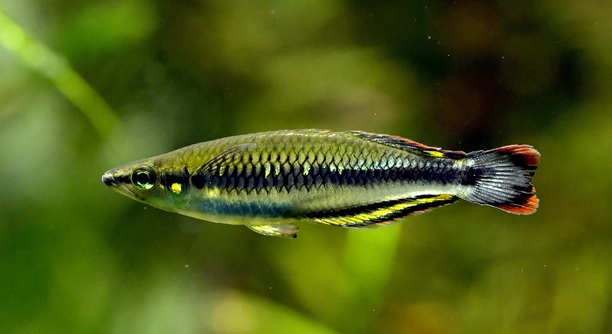
Madagascar rainbowfish display subtle social behaviors that often reflect bonding within their groups, making their interactions interesting to observe in home aquariums and natural settings alike for attentive keepers seeking understanding of daily fish behavior.
Madagascar rainbowfish show affection primarily through coordinated swimming, peaceful proximity, and reduced aggression toward preferred companions, indicating social recognition. These behaviors support group cohesion, lower stress levels, and contribute to stable hierarchies within shared aquatic environments observed consistently in captivity.
Recognizing these affectionate signals helps aquarists better support harmony, health, and long-term comfort within carefully maintained rainbowfish communities in aquariums.
Social Signals in Daily Behavior
I have noticed that Madagascar rainbowfish rely heavily on calm social signals to express comfort and acceptance. They often swim side by side, maintaining close distance without signs of tension or chasing. This shared movement helps reinforce trust and reduces stress within the group. Gentle fin displays, steady pacing, and relaxed body posture are all common during these moments. Unlike aggressive displays, these actions are smooth and unhurried. Over time, familiar fish begin to mirror each other’s movements, creating a quiet rhythm in the tank. This behavior is most visible during feeding breaks or calm lighting periods. When space is respected and resources are balanced, these fish show consistent social stability. Their affection is not dramatic, but it is steady and meaningful. Observing these patterns has helped me better understand their needs and respond with more thoughtful care. Consistency in routines further supports these calm interactions over time daily settings.
Affection also appears through tolerance during shared spaces and feeding times. Fish that accept one another avoid sudden darting or fin nipping. This calm presence shows recognition and comfort, especially in well structured tanks where hiding spots and open swimming areas remain balanced with consistent care and stable group dynamics.
These behaviors are easier to notice when stress factors are minimized. Stable water parameters, proper tank size, and compatible tank mates allow natural interaction to develop. I have found that overcrowding quickly disrupts these signals, leading to tension and withdrawal. Consistent lighting schedules and predictable feeding routines further support calm behavior. When fish feel secure, they invest energy in social balance rather than defense. This balance reflects a healthy environment and attentive care. Paying attention to these small details makes affectionate behavior more frequent and easier to recognize over time for dedicated keepers observing daily patterns closely at home aquariums.
Supporting Affection Through Proper Care
Tank setup plays a major role in how affection is expressed. Adequate swimming room, gentle filtration, and visual breaks reduce tension. When the environment feels stable, rainbowfish remain relaxed and socially engaged, allowing natural bonding behaviors to appear more consistently over time with mindful maintenance and observation from attentive keepers.
Long term affection in Madagascar rainbowfish depends on consistency and observation. I make small adjustments based on daily behavior rather than sudden changes. Regular maintenance supports water clarity and reduces hidden stress. Feeding varied, appropriate portions prevents competition and keeps interactions calm. Group size matters, since too few fish can lead to isolation, while too many increase tension. A balanced group encourages shared movement and social comfort. Lighting should remain moderate, avoiding harsh brightness that causes avoidance behavior. Plants and decor offer security without crowding swimming paths. Over time, fish begin to recognize familiar patterns and companions. This recognition builds tolerance and calm interaction. Affection remains subtle, yet it reflects overall wellbeing. By focusing on steady care instead of constant changes, I see healthier behavior and longer lasting social stability within the tank. This approach allows me to respond thoughtfully when behavior shifts, without overreacting to minor changes. Patience supports trust between fish and keeper, creating a calm routine that benefits the entire tank environment. Small observations over weeks reveal patterns that guide better decisions and reinforce positive social behavior consistently over time, leading to stable groups and predictable interactions that remain calm and balanced daily within the aquarium setting.
Breeding Behaviors That Reflect Affection
During breeding periods, affection becomes more noticeable through synchronized swimming and focused attention between pairs. Males often display brighter coloration while maintaining close proximity without force. This behavior reflects readiness to bond and establish temporary pair connections within a calm and supportive tank environment during stable seasonal conditions indoors safely.
Affection during breeding is not aggressive when conditions are appropriate. I observe reduced chasing and more deliberate movements instead. Fish position themselves side by side, allowing space while remaining engaged. This balance prevents stress and supports successful spawning behavior. Water quality plays a strong role here. Stable temperature and clean conditions reduce erratic displays. When the tank feels predictable, fish focus on pairing rather than competition. Overhandling or sudden changes interrupt this process. Providing plants for egg scattering also helps maintain calm interaction. These details shape how affection appears during reproductive periods in captivity with careful observation and routine care.
Outside breeding, affection remains present but less intense. I notice familiar fish staying closer without constant interaction. This quiet closeness shows comfort rather than dominance. Shared resting zones and gentle pacing signal trust. Feeding time also reveals bonds, as certain fish avoid crowding specific companions. Maintaining consistent group size supports these behaviors. Removing or adding fish too often disrupts recognition. Over time, stable groups develop predictable patterns. These patterns allow fish to conserve energy and remain relaxed. Affection here reflects long term stability instead of short term pairing within well managed aquariums over extended observation periods at home setups consistently.
Distinguishing Affection From Stress Responses
Affection can sometimes be confused with aggression if movement is misunderstood. I pay attention to speed and body tension. Relaxed swimming and smooth turns signal comfort. Rapid darting or flared fins indicate stress. Context matters. During feeding, brief contact may appear rough but remains controlled. Observing patterns over several days prevents misinterpretation and unnecessary adjustments in community tanks where multiple behaviors overlap naturally without constant interference from keepers adjusting environments too quickly or frequently unnecessarily.
Understanding the difference between affection and stress improves overall care. I rely on consistency rather than single moments. A fish that seeks proximity regularly is showing comfort. One that avoids others after contact may be stressed. Tank layout influences these outcomes. Narrow spaces increase conflict, while open areas reduce pressure. Monitoring behavior before and after changes offers clear insight. Lighting, noise, and activity near the tank also affect responses. Calm surroundings encourage stable interaction. By observing without rushing to intervene, patterns become clearer. This approach supports better decisions and prevents disrupting healthy social balance. Over time, this method builds confidence in reading behavior accurately and maintaining environments that support calm, predictable interaction for long term tank stability and reduced stress levels overall daily care routines.
Creating an Environment That Encourages Affection
Affection strengthens when fish feel secure within their surroundings. I keep water parameters stable and avoid sudden layout changes. Consistency allows recognition to form over time. When the environment remains predictable, rainbowfish focus less on defense and more on calm social presence. This steady approach supports lasting group harmony daily.
Group size directly influences affectionate behavior. I aim for balanced numbers to prevent isolation or pressure. Too few fish limit interaction, while overcrowding increases tension. A stable group encourages shared swimming, relaxed spacing, and quiet familiarity that develops gradually with attentive care and consistent daily observation over time at home.
The Role of Routine in Social Comfort
Lighting and feeding routines quietly shape how affection appears. I maintain moderate lighting to reduce skittish behavior and follow a predictable feeding schedule. When meals are consistent, competition drops and tolerance increases. Fish approach food calmly and avoid pushing familiar companions aside. Over time, this routine builds trust within the group. Gentle lighting also supports natural coloration without triggering defensive responses. Sudden brightness often leads to avoidance and scattered movement. By keeping conditions steady, fish remain focused on their surroundings rather than reacting to stress, allowing affectionate behaviors to remain visible and consistent through daily observation in stable aquariums settings.
Recognizing When Affection Fades
Affection weakens when stress signals go unnoticed. I watch for subtle changes like spacing shifts or withdrawn movement. These signs often appear before visible conflict. Early adjustment of care routines helps restore balance and prevents prolonged tension within established groups over time with consistent attention and calm responses from keepers.
Do Madagascar rainbowfish form bonds with specific tank mates?
Yes, they often show preference for certain fish within the group. I notice consistent proximity, shared swimming paths, and relaxed behavior around familiar companions. These bonds develop slowly and rely on stable conditions. When group members remain unchanged, recognition strengthens. Removing or adding fish frequently disrupts this balance. Over time, preferred companions display reduced tension and smoother interactions, reflecting comfort rather than dominance.
How can I tell affection apart from simple schooling behavior?
Schooling is structured and uniform, while affection appears more selective. I watch for repeated pairing, lingering near the same fish, and calm spacing outside feeding times. Affection does not involve constant movement. Instead, it shows through quiet closeness and mirrored pacing. These behaviors repeat daily and remain consistent when stress levels stay low.
Do males and females show affection differently?
Yes, especially during breeding periods. Males display brighter coloration and controlled positioning near females. Females respond through tolerance and shared space rather than avoidance. Outside breeding, differences are subtle. Both sexes show affection through proximity and reduced aggression. I rely on behavior patterns rather than color alone to understand these interactions.
Can affection exist in smaller tanks?
It can, but it is limited. Smaller tanks restrict movement and increase pressure. I find affection is easier to observe in longer tanks with open swimming areas. Space allows fish to choose proximity instead of being forced together. When fish can move freely, affectionate behavior appears more natural and consistent.
Does feeding influence affectionate behavior?
Very much so. Predictable feeding reduces competition. I use the same schedule and portions daily. When food is consistent, fish remain calm and avoid pushing familiar companions. This tolerance carries into other interactions. Irregular feeding often increases tension and disrupts established patterns within the group.
How long does it take for affectionate behavior to develop?
It varies, but patience matters. In my experience, it takes several weeks of stable care. Sudden changes delay recognition. Consistent water quality, lighting, and routine allow fish to relax. Once settled, affectionate behavior becomes easier to notice and remains steady unless conditions shift.
Can stress permanently affect affection levels?
Prolonged stress can reduce social comfort. I watch for withdrawal and increased spacing. Early adjustments usually restore balance. If stress continues, fish may remain guarded. Restoring routine and minimizing disturbance helps rebuild trust within the group over time.
Is affection stronger in larger groups?
Balanced groups show the best results. Too few fish limit interaction, while overcrowding increases tension. I aim for a moderate group size where fish can choose companions. This choice supports natural bonding and calmer social patterns that remain predictable.
Do tank decorations affect affection?
Yes. Plants and open areas both matter. I avoid cluttered layouts that trap movement. Visual breaks offer security, while open space supports shared swimming. This balance encourages comfort without isolation. Poor layout often leads to avoidance rather than bonding.
Should I intervene when affection seems to fade?
I intervene only after observing patterns over time. Single moments are not enough. Gradual changes to routine usually help. Overreaction often causes more stress. Careful observation guides better decisions and supports long term social stability within the tank.
Affection in Madagascar rainbowfish is quiet and easy to miss, yet it plays an important role in their overall wellbeing. Through steady proximity, shared movement, and reduced tension, these fish communicate comfort in ways that reflect trust and stability. I have learned that affection is not about constant interaction, but about choice. When fish choose to remain near certain companions without pressure, it shows that their environment supports calm social balance. These behaviors are shaped over time and depend on consistency rather than sudden adjustments. Recognizing this helps shift focus away from dramatic displays and toward subtle patterns that repeat daily. Paying attention to these details encourages a more patient approach to care, where observation becomes just as important as maintenance. This understanding creates a deeper connection to the aquarium as a living system rather than a decorative feature.
Providing the right conditions allows affectionate behavior to appear naturally instead of being forced. Stable water parameters, predictable routines, and balanced group sizes reduce stress and support social comfort. I have found that small changes, when made thoughtfully, often have a stronger impact than frequent large adjustments. Affection fades quickly in unstable environments, even when basic needs are met. This reinforces the importance of consistency over perfection. A calm tank encourages calm behavior. Over time, fish begin to recognize patterns, both in their surroundings and in each other. This recognition leads to tolerance and familiarity, which are the foundation of affectionate interaction. Maintaining this balance requires restraint and patience, especially when behavior shifts slightly. Most changes resolve when the environment remains steady and supportive.
Understanding how Madagascar rainbowfish show affection improves not only their care, but also the experience of keeping them. Observing these subtle interactions adds meaning to daily routines and encourages a more mindful approach. Instead of reacting quickly, I have learned to watch, reflect, and adjust gradually. This method reduces stress for both the fish and the keeper. Affection, while understated, reflects a healthy environment and thoughtful care. It reminds me that success is not always measured by activity, but by calm consistency. When fish feel secure, their behavior becomes predictable and peaceful. This quiet stability is often the clearest sign that their needs are being met. Over time, these observations build confidence and deepen understanding, creating a more rewarding and balanced aquarium experience rooted in patience and awareness.

Hello,
If you enjoy the content that we create, please consider saying a "Thank You!" by leaving a tip.
Every little bit helps us continue crafting quality advice that supports the health, happiness, and well-being of pets around the world, for pets of all shapes, sizes, and species.
We really appreciate the kindness and support that you show us!