
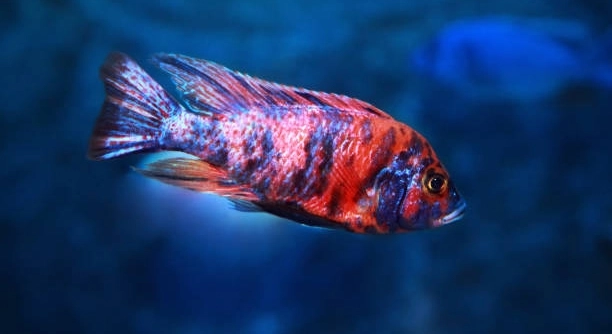
Cichlids are popular freshwater fish known for their vibrant colors and active behavior. Many aquarium enthusiasts care deeply about their well-being and want to understand how long these fish can go without food. This knowledge helps maintain their health in different situations.
Cichlids can typically survive without food for about one to two weeks, depending on their age, size, and environmental conditions. Their metabolism slows down during fasting periods, but prolonged lack of food can lead to stress and health issues. Proper care is essential to avoid negative effects.
Knowing how long cichlids can last without eating can help prevent accidental harm. This article explains what affects their survival and how to manage feeding during unforeseen circumstances.
Factors Affecting How Long Cichlids Can Survive Without Food
Several factors influence how long cichlids can survive without food. Age plays a big role; younger fish need more frequent feeding because they grow quickly and have higher energy needs. Older cichlids can usually go longer without eating. The size of the fish matters, too. Larger cichlids store more energy and can handle longer fasting periods. Water temperature also affects their metabolism. In warmer water, fish burn energy faster, so they need food more often. Cooler temperatures slow their metabolism, allowing them to survive longer without eating. Lastly, the fish’s health condition is important. A healthy cichlid is more resilient and can endure fasting better than a stressed or sick fish. Understanding these factors can help you better care for your cichlids when feeding schedules are disrupted.
Metabolism speed directly impacts how quickly cichlids use their stored energy.
During times when food is unavailable, cichlids use energy reserves stored in their bodies. Their metabolism slows down to conserve energy, which helps them survive for several days or even weeks without eating. However, this is not sustainable long-term. Extended periods without food weaken their immune systems and can lead to serious health problems. When regular feeding resumes, it’s important to reintroduce food gradually to avoid digestive issues. Observing their behavior and physical condition during fasting periods can help detect any signs of distress early, ensuring timely intervention.
Signs That Your Cichlid Needs Food
Cichlids show clear signs when they need to be fed. They become less active and may stop swimming around as much. Their colors can fade, and they might hide more often. Lack of appetite is another sign to watch for.
If cichlids go too long without food, their body condition worsens. They lose muscle mass and energy, which affects their movement and overall health. In some cases, their immune defenses weaken, making them more vulnerable to infections. Feeding should resume promptly, with small portions to help their digestive systems adjust. It’s also helpful to maintain a feeding schedule that fits their natural habits. Regular feeding keeps cichlids healthy and lively, reducing the risk of starvation-related issues. Paying attention to these signs can help you act quickly to support your fish’s well-being.
Preparing Your Cichlids for Fasting Periods
Cichlids should be healthy before any planned fasting. Reducing stress and maintaining clean water are key to their resilience during these times.
Preparing cichlids involves gradually reducing their food intake rather than stopping suddenly. This helps their digestive system adjust and lowers stress. Keeping the tank clean and stable supports their immune system. Stress from poor water quality or overcrowding can make fasting more harmful. Monitoring water parameters like pH, temperature, and ammonia levels also helps keep your fish in good condition before fasting. Taking these steps ensures your cichlids are better equipped to handle times without food.
After a fasting period, reintroduce food slowly to avoid overwhelming their digestive system. Start with small portions and easily digestible food. Overfeeding immediately after fasting can cause digestive issues and stress. Continue monitoring your fish’s behavior and health closely during this time. If you notice any problems, adjusting feeding habits or water conditions can help your cichlids recover more quickly. Careful preparation and recovery reduce risks associated with fasting.
Common Mistakes to Avoid When Fasting Cichlids
Overfeeding before fasting is a common mistake. It can cause bloating and discomfort in fish.
Another frequent error is ignoring water quality during fasting. Even without food, waste accumulates, and poor water conditions stress cichlids. Skipping gradual refeeding after fasting also leads to digestive problems. Fish need time to readjust to regular feeding. Lastly, not monitoring fish behavior closely during fasting risks missing early signs of health decline. Avoiding these mistakes helps keep cichlids healthier during periods without food, reducing long-term harm.
How Often Should You Feed Cichlids Normally
Most adult cichlids do well with feeding once or twice a day. Overfeeding can cause health problems and water quality issues.
Younger cichlids and growing fish require more frequent feeding, usually two to three times daily. Adjust feeding amounts based on their activity and tank conditions.
Effects of Starvation on Cichlids
Prolonged starvation weakens cichlids’ immune systems, making them more vulnerable to disease and infections.
Signs of Overfeeding
Overfed cichlids may show lethargy, bloating, and poor water conditions due to leftover food and waste buildup.
FAQ
How long can cichlids survive without food?
Cichlids can usually survive without food for about one to two weeks. This depends on their size, age, water temperature, and overall health. Younger and more active fish need food more often, while larger or older cichlids store more energy and can last longer. However, longer fasting can weaken their immune system.
Is it harmful if my cichlid misses a day of feeding?
Missing one day of feeding is generally not harmful to healthy adult cichlids. They have energy reserves that help them through short periods without food. It becomes risky if fasting continues beyond several days, especially if water quality is poor or if the fish is stressed or sick.
What signs show that my cichlid is hungry or stressed from lack of food?
Hungry cichlids often become less active and may lose their bright colors. They might hide more or appear restless. Stress from starvation can cause them to swim erratically or lose appetite entirely. Watching for changes in behavior is important to catch issues early.
Can cichlids go without food if I am on vacation?
If you plan to be away for a short time, cichlids can usually handle a week without food. For longer trips, it’s best to arrange for someone to feed them or use an automatic feeder. Avoid overfeeding before you leave, as it can harm water quality and fish health.
How should I reintroduce food after a fasting period?
After fasting, start feeding small amounts of easily digestible food. Gradually increase portions over several days to prevent digestive upset. Avoid giving rich or heavy foods immediately, as cichlids’ digestive systems need time to adjust.
Does water temperature affect how long cichlids can go without food?
Yes, water temperature affects metabolism. In warmer water, cichlids burn energy faster and need food more frequently. Cooler water slows their metabolism, allowing them to survive longer without eating. Keep tank temperature stable for their health.
Can overfeeding cause similar problems as fasting?
Yes, overfeeding can lead to bloating, poor water quality, and stress in cichlids. Excess food decomposes and pollutes the water, which can harm fish. Balanced feeding helps maintain good health and water conditions.
Are there specific foods better for fasting periods?
During fasting, no food should be given. However, before and after fasting, providing high-quality, easily digestible foods helps maintain health. Avoid heavy or hard-to-digest foods right after fasting to prevent digestive issues.
How does stress affect a cichlid’s ability to survive without food?
Stress weakens the immune system and uses energy, making cichlids less able to cope with fasting. Causes of stress include poor water quality, overcrowding, or sudden changes in the environment. Keeping conditions stable reduces stress and improves survival chances during fasting.
What should I do if my cichlid shows signs of illness after fasting?
If signs like lethargy, loss of color, or unusual behavior appear after fasting, check water quality first. Treat any water problems immediately and consider consulting a vet or fish specialist. Gradually return to normal feeding and monitor the fish closely to help recovery.
Final Thoughts
Caring for cichlids requires attention to their feeding habits and overall health. Understanding how long they can survive without food helps in managing their care during times when feeding is disrupted. While cichlids can go without food for up to two weeks under certain conditions, it is important not to rely on this as a regular practice. Regular feeding supports their energy needs and keeps them active and healthy. Feeding schedules should match their size, age, and tank environment to avoid stress or health issues. This knowledge allows for better planning and prevents unintentional harm to your fish.
It is also essential to recognize the signs that cichlids may need food or are experiencing stress. Changes in behavior, such as reduced activity or faded colors, often indicate a need for attention. Maintaining good water quality and stable conditions plays a big role in supporting cichlids during fasting or feeding interruptions. Stress can make it harder for fish to survive without food, so keeping the tank environment clean and balanced is just as important as feeding itself. Preparing your cichlids for any fasting period by gradually reducing food and monitoring their health can make a significant difference.
Finally, reintroducing food after a fasting period should be done carefully. Starting with small amounts of easily digestible food helps avoid digestive problems. Overfeeding after fasting can cause discomfort and harm the fish’s health. Observing your cichlids closely during this time is necessary to ensure they are recovering well. By following proper feeding practices and paying attention to their needs, you can help your cichlids live a healthy and balanced life. Proper care, including understanding their fasting limits, contributes to their overall well-being and longevity.

Hello,
If you enjoy the content that we create, please consider saying a "Thank You!" by leaving a tip.
Every little bit helps us continue crafting quality advice that supports the health, happiness, and well-being of pets around the world, for pets of all shapes, sizes, and species.
We really appreciate the kindness and support that you show us!