
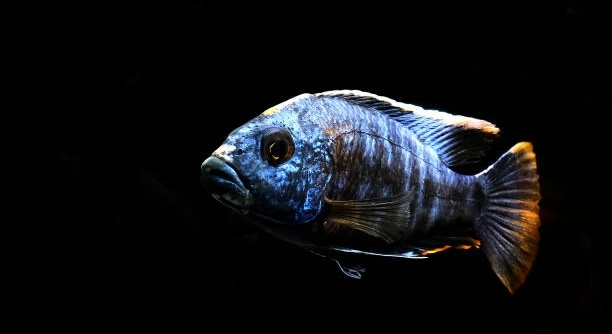
Keeping a cichlid tank healthy requires attention to many details. These vibrant fish need a clean, stable environment to thrive. Some common items or practices can harm your tank’s balance and affect your fish’s wellbeing.
Avoid placing anything toxic, sharp, or unstable inside a cichlid tank. Items such as metal decorations, untreated wood, or inappropriate substrate can release harmful chemicals, cause injury, or disrupt water quality, leading to stress and illness in your fish.
Understanding what to avoid will help you maintain a safe and thriving home for your cichlids. This guide highlights seven key things that could harm your aquatic environment.
Sharp or Rough Decorations
Sharp or rough decorations in a cichlid tank can cause injuries to your fish. Cichlids are active and curious, often swimming close to objects in their environment. Rough edges or jagged surfaces can tear their fins or skin, leading to infections. It is best to use smooth rocks or specially designed aquarium ornaments. Avoid anything that looks brittle or could break easily. Broken pieces can create dangerous sharp points underwater. Also, avoid using household items that are not made for aquariums, as they may have rough surfaces or harmful coatings. Selecting safe decorations helps keep your fish healthy and reduces stress caused by injuries.
Damaged fins or wounds can quickly worsen in the tank. Preventing injuries means fewer health problems and less need for medication.
Choosing smooth, fish-safe decorations creates a comfortable environment. This promotes natural behavior and helps your cichlids thrive. Take time to inspect any new item before placing it inside the tank.
Untreated Wood and Driftwood
Untreated wood or driftwood can introduce harmful substances into a cichlid tank. Wood that is not prepared for aquarium use may release tannins, which discolor water and lower pH levels. Sudden changes in water chemistry can stress your fish and impact their health. Some types of wood also carry bacteria or fungi that harm the tank ecosystem. Properly treated and aquarium-safe wood is usually boiled or soaked to remove toxins and excess tannins. This preparation helps ensure the wood will not negatively affect water quality.
Untreated wood risks water contamination and fish health problems.
When adding wood, it is important to choose species known to be safe for aquariums. Always prepare the wood by soaking or boiling before placing it inside. Monitor water parameters closely after adding any wood, especially in cichlid tanks, as these fish are sensitive to pH changes. Avoid collecting wood from outdoors without treatment, as it may carry pests or pollutants. Well-prepared driftwood can enhance the tank’s natural look and provide hiding places without causing harm. Taking these precautions protects your cichlids and keeps the tank balanced.
Metal Objects and Tank Equipment
Metal objects can rust and release harmful substances into the water. Avoid using decorations or equipment made of untreated metal, as corrosion damages water quality. Rust also poses a direct threat to fish health, causing stress or poisoning.
Rust forms when metal reacts with water and oxygen, creating iron oxides. These compounds increase toxic elements in the tank, which can harm your cichlids’ gills and overall health. Even small amounts of rust can upset the water balance, affecting biological filtration. Some metal tools designed for aquariums are coated to resist corrosion, but household metals usually are not safe. When choosing equipment, always look for items labeled safe for aquarium use to prevent contamination. Regularly inspect tank accessories for signs of wear or rust and replace them if necessary to maintain a clean, safe environment.
Keeping metal out or using properly treated items helps preserve water quality. This reduces the risk of disease and keeps your fish comfortable.
Inappropriate Substrate Choices
Substrate plays an important role in a cichlid tank’s ecosystem. Using the wrong type can change water chemistry or cause injuries. Avoid fine sand that compacts too tightly, as it can suffocate beneficial bacteria. Sharp gravel can damage fish fins or mouths. Some substrates alter pH and hardness, which may not suit your cichlid species.
Choose substrates that support biological filtration and match your fish’s natural habitat needs. Cichlids from alkaline environments require substrates that keep pH stable, while those from acidic waters need substrates that do not raise pH. Avoid substrates treated with dyes or chemicals, as these can leach toxins. Proper substrate benefits water clarity, encourages natural behaviors like digging, and helps maintain tank stability.
Substrate matters for water quality and fish safety. Select carefully to keep your tank balanced and your cichlids healthy.
Live Plants with Chemical Treatments
Some live plants sold for aquariums are treated with pesticides or chemicals. These substances can poison your cichlids and upset the tank’s balance. Always choose untreated or aquarium-safe plants.
Rinse new plants thoroughly before adding them. This helps remove any residues and reduces the risk of contamination.
Household Chemicals Near the Tank
Household chemicals like cleaning sprays, air fresheners, or insecticides near the tank can accidentally enter the water. Even small amounts cause serious harm to fish. Keep all chemicals far from your aquarium and avoid spraying nearby.
Overfeeding
Overfeeding is a common mistake that leads to poor water quality. Uneaten food decomposes, producing harmful ammonia and nitrates. This stresses fish and encourages algae growth. Feed small amounts only and remove leftover food promptly.
Plastic Decorations
Some plastic decorations can leach harmful chemicals or degrade over time. Avoid low-quality plastics not designed for aquariums. Use only items labeled safe for fish tanks to protect your cichlids’ health.
What should I never put in a cichlid tank?
Avoid sharp decorations, untreated wood, untreated metal, household chemicals, inappropriate substrate, plastic not made for aquariums, and overfeeding. These can cause injuries, poison the water, disrupt water chemistry, or stress your fish, reducing their lifespan and well-being.
Can household items harm my cichlid tank?
Yes, many household items are unsafe. Metals can rust and release toxins, certain plastics can leach chemicals, and wood not treated for aquariums may introduce harmful tannins or pests. Cleaning products near the tank can accidentally contaminate water, so keep them away from your aquarium.
Why is untreated wood bad for my cichlids?
Untreated wood often releases tannins that change water color and lower pH, which can stress fish. It may also carry bacteria or fungi that harm your tank’s ecosystem. Properly treated aquarium wood is safer and will not disrupt water conditions.
How do I know if a decoration is safe for cichlids?
Choose decorations labeled specifically for aquarium use. Avoid sharp edges or brittle materials that can break underwater. Smooth surfaces and inert materials like certain rocks or ceramics are better. Always inspect new items carefully before adding them.
Is overfeeding really harmful to cichlids?
Yes. Overfeeding leads to leftover food that decomposes, causing spikes in ammonia and nitrates. This harms water quality and stresses fish. Feeding small amounts that your fish eat quickly and removing excess food helps maintain a healthy tank.
Can plastic decorations be toxic?
Some plastics not designed for aquariums can leach chemicals that harm fish. Always select plastic items labeled safe for aquarium use. Avoid cheap or unknown sources to protect your cichlids from exposure to toxins.
What substrate is best for cichlid tanks?
Choose substrates that support your cichlids’ natural habitat needs. Avoid fine sand that compacts or sharp gravel that can injure fish. Many cichlids prefer substrates that maintain stable pH and hardness levels. Research your species and pick accordingly.
How should I prepare wood before adding it to the tank?
Boiling or soaking wood helps remove tannins and kills harmful organisms. This treatment reduces discoloration and stabilizes water chemistry. Untreated wood can cause pH swings or introduce pathogens, so preparation is important for tank safety.
Can chemicals near the tank cause problems?
Yes, sprays, cleaners, or insecticides used near the aquarium risk accidental contamination. Even small amounts of chemicals in the water can be deadly to fish. Store all chemicals away from the tank and avoid spraying near it.
How often should I check decorations for damage?
Regular inspection is important. Check at least monthly for rust, cracks, or rough edges. Damaged decorations can harm fish or pollute water. Replace or repair unsafe items promptly to maintain a secure environment for your cichlids.
Keeping a cichlid tank healthy requires careful attention to what goes inside. Many items that seem harmless can cause serious problems for your fish. Decorations, substrate, plants, and equipment all affect water quality and fish wellbeing. Avoiding sharp objects, untreated wood, unsafe plastics, and household chemicals helps maintain a safe environment. Overfeeding is also a common mistake that impacts water cleanliness and fish health. By understanding what not to put in your tank, you can prevent many issues before they start.
The choices you make for your cichlid tank influence its long-term stability. Using proper substrate supports beneficial bacteria and keeps water conditions balanced. Choosing smooth, aquarium-safe decorations reduces injury risks for your fish. When adding wood or plants, preparing and selecting only safe options prevents chemical contamination or sudden pH changes. Metal objects and household chemicals should never be near your tank, as they can introduce toxins harmful to cichlids. Regular maintenance and inspection of all tank items are important to catch problems early.
Taking the time to research and apply these precautions benefits both your fish and your enjoyment of the tank. A well-maintained environment helps your cichlids thrive and display their natural behaviors. Avoiding common mistakes gives you peace of mind and fewer health worries. Remember, a simple change—like choosing the right decoration or substrate—can make a big difference. Keeping your tank free of harmful objects supports a healthy, vibrant aquarium for years to come.

Hello,
If you enjoy the content that we create, please consider saying a "Thank You!" by leaving a tip.
Every little bit helps us continue crafting quality advice that supports the health, happiness, and well-being of pets around the world, for pets of all shapes, sizes, and species.
We really appreciate the kindness and support that you show us!