
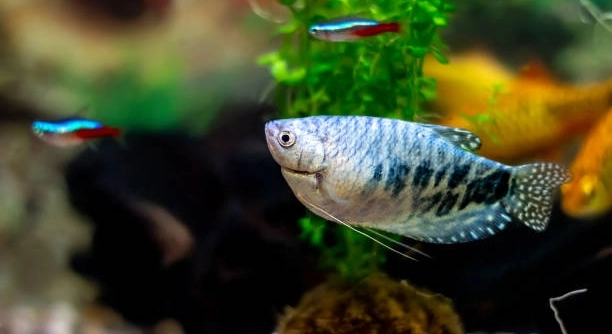
Gouramis are popular freshwater fish known for their unique behaviors and adaptability. They live in environments that sometimes change, including rearranged tank layouts. Understanding how these fish respond can help keep them healthy and comfortable.
Gouramis generally show signs of stress or curiosity when their tank layout is rearranged, often exploring new areas cautiously before settling into a new routine. Their behavior adjusts gradually as they become familiar with changes in their environment.
Knowing how gouramis react to new tank setups helps owners create better habitats. This article will explain their responses and offer useful tips for a smooth transition.
How Gouramis Adjust to Changes in Their Environment
When you rearrange the layout of a gourami’s tank, the fish often react by exploring the new space carefully. At first, they may seem hesitant or even stressed. This is normal because gouramis rely on familiar hiding spots and landmarks to feel safe. Removing or moving decorations can cause them to swim cautiously, searching for shelter or new resting places. Over time, they start to recognize the new layout and resume their usual activities, such as swimming, feeding, and interacting with other tank mates. Consistency in water conditions and lighting helps reduce their stress during this adjustment phase. Some gouramis might be quicker to adapt, while others take more time. Patience is key during this period to ensure the fish stay calm and healthy. Observing their behavior closely can help you spot any signs of prolonged stress or discomfort.
Familiar objects and hiding spots play an important role in a gourami’s comfort level.
Tank rearrangements can affect gouramis differently depending on their personalities and past experiences. Some gouramis quickly accept new environments and explore actively, while others remain cautious for days or even weeks. Sudden or frequent changes may lead to increased stress, which can affect their appetite and immune system. To help your gouramis adjust, make changes gradually or provide familiar items alongside new decorations. Adding plants or hiding places that resemble their natural habitat encourages exploration and reduces anxiety. Monitoring water parameters and maintaining cleanliness are also crucial during this time. By creating a stable environment despite layout changes, gouramis are more likely to adapt smoothly. Understanding these small details can improve the well-being of your fish and make tank rearrangements less disruptive.
Signs of Stress and How to Minimize Them
Stress in gouramis often shows as erratic swimming, loss of appetite, or hiding excessively.
To minimize stress when changing the tank layout, introduce new items slowly. Avoid rearranging everything at once, and keep water conditions steady. Adding gentle lighting and maintaining a calm atmosphere will also help gouramis feel safe. Observing your fish closely after changes allows you to intervene early if needed.
How Rearranged Layouts Impact Gourami Behavior
Gouramis may become less active or hide more when their tank layout changes suddenly. Their usual routines are disrupted, making them cautious as they adjust to new surroundings.
When decorations, plants, or hiding spots are moved or removed, gouramis often spend time exploring and investigating the changes. They may swim slowly, testing the new layout to find safe places. This behavior can last from a few hours to several days depending on the extent of changes. Stress levels rise if the new setup lacks enough shelter or familiar features, which can affect their overall well-being. Ensuring there are enough places to hide and rest is important during this transition.
Besides behavior shifts, gouramis may change their interaction with other fish. They might become more territorial or shy, especially if new objects interfere with their usual space. Over time, as they grow accustomed to the rearranged layout, their activity and social behaviors generally return to normal. Consistent feeding and stable water quality support a smoother adjustment.
Tips for Making Layout Changes Easier
Making changes slowly helps gouramis feel less stressed and confused.
Introduce new decorations one at a time and keep some familiar items in place to ease adjustment. Providing plenty of hiding spots helps gouramis feel secure. Keeping water parameters stable and avoiding sudden light or noise changes also reduces stress. Watch for signs of distress like hiding or loss of appetite, and give your fish extra care if needed. Gradual changes and a calm environment will help gouramis settle faster and maintain healthy behavior.
Recognizing Gourami Comfort Levels
Signs of comfort include regular swimming patterns and active exploration. Gouramis that use their hiding spots but also come out to feed and interact show they are adapting well.
A calm gourami will respond calmly to changes in the tank and appear curious rather than stressed. They will not dart around or stay hidden for long periods.
Creating a Stable Environment
Keep water temperature, pH, and filtration consistent during tank rearrangements. Stability in these factors supports gouramis’ health and reduces stress during changes.
Encouraging Natural Behavior
Provide plants and decorations that mimic gouramis’ natural habitats. This helps promote normal behaviors like exploring, hiding, and resting peacefully.
FAQ
How long does it take for gouramis to adjust after rearranging their tank?
Adjustment time varies depending on how much the tank layout changes and the individual fish. Some gouramis start exploring new areas within a few hours, while others may take several days or up to two weeks to feel fully comfortable. If you make small, gradual changes, the process is usually faster. Giving them familiar hiding spots and stable water conditions helps speed up their adjustment.
What are common signs of stress in gouramis after rearranging their tank?
Common signs include hiding more than usual, erratic or frantic swimming, loss of appetite, and dull coloration. Sometimes gouramis will become more territorial or avoid social interaction with other fish. If these signs persist beyond a week, it could indicate that the environment is still too stressful or something else is wrong, so it’s important to monitor their behavior closely.
Can frequent tank rearrangements harm gouramis?
Yes, frequent or sudden changes can increase stress levels, which weakens their immune system and makes them more prone to illness. Gouramis thrive in stable environments, so it’s best to limit rearrangements and introduce changes slowly to minimize negative effects on their health and behavior.
How can I make rearranging my gourami tank less stressful for the fish?
Make changes gradually by moving one or two decorations at a time instead of everything at once. Keep water parameters consistent, maintain regular feeding schedules, and provide plenty of hiding places. Introducing familiar plants or objects during the rearrangement helps gouramis feel secure. Also, avoid loud noises or bright lights during the process.
Do gouramis need specific types of plants or decorations after a rearrangement?
Yes, gouramis benefit from having plants and decorations that offer shelter and resemble their natural environment. Live or artificial plants with broad leaves, caves, or driftwood provide hiding spots and resting places. These items help reduce stress and encourage natural behaviors like exploring and hiding.
Is it normal for gouramis to become territorial after changing their tank layout?
Yes, rearranging the tank can temporarily increase territorial behavior. Gouramis may defend new spaces or hiding spots they consider safe. This usually calms down as they adjust. If aggression persists, consider rearranging to provide more space and hiding places to reduce conflicts.
Should I rearrange my gourami tank regularly?
It’s better to avoid frequent rearrangements. Gouramis do best with a stable setup because constant changes cause stress. If you want to refresh the tank, plan changes carefully and do them slowly to give your fish time to adapt without harm.
How does water quality affect gouramis during tank rearrangements?
Maintaining good water quality is crucial during any change. Poor water conditions increase stress and illness risk. Always check temperature, pH, ammonia, nitrite, and nitrate levels before and after rearranging. Keeping filtration effective and consistent helps gouramis stay healthy throughout the adjustment period.
Can rearranging the tank improve my gourami’s behavior?
Yes, thoughtful rearrangements can enrich the environment, encouraging natural behaviors and reducing boredom. Adding new hiding spots or plants can stimulate exploration. Just ensure changes are gradual and the setup remains comfortable and safe.
What should I do if my gourami shows extreme stress after rearranging the tank?
If you notice extreme stress signs like constant hiding, loss of appetite, or frantic swimming, try returning some decorations to their original places. Check water parameters and improve hiding spots. Giving the fish time and minimizing disturbances can help them recover. If symptoms continue, consulting an aquatic veterinarian is a good idea.
Rearranging a gourami tank can be a useful way to refresh the environment and keep your fish engaged. However, it is important to remember that gouramis rely on familiar surroundings to feel safe and comfortable. When the layout changes, they often experience stress until they adjust to the new setup. This is natural and usually temporary. Watching how your gouramis behave after making changes can help you understand when they are settling in well or when they might need extra care. Providing stable water conditions and familiar hiding spots makes this process easier for them.
Taking a slow and steady approach to rearranging the tank helps reduce stress for your gouramis. Instead of moving everything at once, try changing one or two things at a time. This gives your fish a chance to explore and get used to each change without feeling overwhelmed. Keeping the water temperature, pH, and filtration steady during these adjustments is also very important. Gouramis are sensitive to sudden shifts in their environment, so minimizing extra changes while the layout is different supports their health and comfort.
Ultimately, understanding how gouramis respond to rearranged layouts can improve their quality of life. Creating an environment that balances new elements with familiar features allows gouramis to explore safely while still feeling secure. Adding plants and decorations that provide hiding spaces encourages natural behaviors and helps reduce anxiety. Paying attention to your fish’s behavior and making thoughtful adjustments when needed will ensure they stay happy and healthy. Rearranging your tank can be a positive experience for both you and your gouramis when done carefully.

Hello,
If you enjoy the content that we create, please consider saying a "Thank You!" by leaving a tip.
Every little bit helps us continue crafting quality advice that supports the health, happiness, and well-being of pets around the world, for pets of all shapes, sizes, and species.
We really appreciate the kindness and support that you show us!