
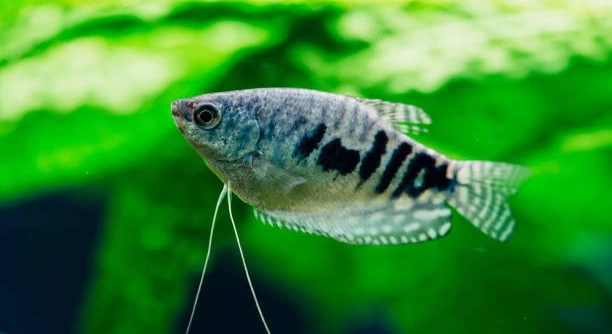
Is your gourami tank starting to look a little cramped, with less swimming space and more frequent signs of stress in your fish?
The most common reason a gourami tank feels too small is due to overstocking and lack of proper planning. Gouramis need enough space to swim freely, establish territory, and maintain healthy water quality through proper circulation.
Recognizing the signs of a tank that’s too small can help you create a safer, more comfortable environment for your gouramis to thrive.
Your Gouramis Are Fighting More Often
Gouramis can be territorial, especially when space is limited. In a tank that’s too small, they may become aggressive toward each other. This usually starts with chasing, fin nipping, or one fish constantly hiding. A cramped tank doesn’t allow them to establish their own areas or get away from stress. Even peaceful species may act out when they feel confined. This behavior can lead to physical injury, weakened immune systems, and added stress for all tank mates. If aggression is becoming more common, it might be time to evaluate your tank size and consider upgrading or rearranging your setup.
Frequent fights are not just random—they’re often caused by limited space and too many fish sharing the same area.
Giving your gouramis more room can help reduce aggression. Add plants and decorations to create separate zones. This helps each fish feel secure and reduces the chance of conflict, even in a shared space.
You’re Cleaning the Tank More Than Usual
A small tank becomes dirty much faster, especially with multiple gouramis living in it.
When a tank is too small, waste builds up more quickly, and water quality can drop fast. You might notice cloudy water, algae growing faster, or strong odors even a day or two after cleaning. This is your tank’s way of telling you it’s overworked. A smaller volume of water means fewer nutrients can be diluted, so ammonia and nitrite levels rise faster. These levels are harmful to your gouramis and can make them sick or even shorten their lifespan. If you’re finding yourself scrubbing the glass and changing water far more often than usual, your tank may not be able to support the number or size of your fish anymore. Upgrading to a larger tank will make maintenance easier and help keep your fish healthy. It also creates a more stable environment that doesn’t shift quickly from clean to toxic.
Your Gouramis Stay Near the Surface Too Much
Gouramis naturally breathe from the surface, but if they’re always at the top, it could mean your tank is too small.
In a cramped tank, oxygen levels can drop quickly, especially if there’s not enough surface area or proper filtration. This forces gouramis to linger at the top more than usual. Constant surface breathing may look normal at first, but it’s often a warning sign. Poor water circulation and high waste buildup contribute to lower oxygen. A small tank doesn’t allow for consistent, healthy conditions. To fix this, consider upgrading the tank size and improving aeration with a better filter or air stone.
Smaller tanks also heat up faster, especially under direct light or in warmer rooms. Warmer water holds less oxygen, which makes things worse for your gouramis. Combined with poor water movement, this creates a stressful environment that keeps your fish gasping at the surface. More space and stable temperatures help prevent this.
There’s No Room for Decorations or Plants
Decorations and plants help fish feel safe, but in a small tank, you may struggle to add them without making the space feel even more cramped.
When a tank is too small, it becomes difficult to balance aesthetics and functionality. Adding even a few plants or caves can take up valuable swimming space. This forces gouramis into tighter areas and raises their stress levels. They need hiding spots to feel secure and avoid conflict, especially when kept in groups. Without these features, fish often become anxious or aggressive. A larger tank gives you the freedom to design a more comfortable home that includes both open areas and private zones.
It’s not just about looks—plants help filter the water and provide enrichment. When you’re working with limited space, you lose those benefits. Plastic plants and sharp decorations can also create problems if fish bump into them in tight quarters. A bigger tank makes it easier to create a balanced environment. You’ll be able to include live plants, smoother decor, and still leave room for the fish to swim naturally. Your gouramis will feel more secure, and you’ll have a healthier tank overall.
Your Gouramis Are Growing Too Large
Some gouramis grow much bigger than expected, and a small tank can’t support their full size.
As they grow, they need more swimming space, stronger filtration, and better water circulation. If your fish seem cramped or bump into tank walls, it’s a sign they’ve outgrown their current setup.
Your Filter Gets Clogged Quickly
A small tank with too many fish overwhelms your filter. It fills with debris faster and needs more frequent cleaning. This leads to poor water quality and stress for your gouramis. A larger tank with the right filter helps avoid this constant maintenance and keeps the water cleaner for longer.
Your Gouramis Hide All the Time
Constant hiding often means your gouramis feel unsafe or stressed. A tank that’s too small doesn’t allow them enough territory or shelter, leading them to retreat and stay hidden most of the time. More space helps reduce this behavior and keeps your fish more active and visible.
How do I know what tank size is right for my gouramis?
Choosing the right tank size depends on the species and number of gouramis you have. Most gouramis need at least 10 gallons per fish to swim comfortably. Larger species, like pearl gouramis, may require 20 gallons or more. It’s important to consider the adult size of your gourami, not just their current size. A bigger tank provides better water quality and room for decorations, reducing stress and aggression. If you keep multiple gouramis, add extra space to prevent overcrowding. When in doubt, go bigger—your fish will thank you with better health and behavior.
Can I keep different types of gouramis together in one tank?
Yes, but it requires careful planning. Different gourami species vary in size, temperament, and water needs. Peaceful species like dwarf gouramis can usually share a tank, but mixing aggressive or very territorial gouramis can cause stress and fighting. Always provide plenty of hiding spots and open swimming areas to minimize conflict. Monitor their behavior closely when introducing new fish. A larger tank helps keep peace by giving each gourami enough space to establish its own territory.
What signs mean my gouramis are stressed because of tank size?
Stress signs include constant hiding, loss of appetite, faded colors, and unusual aggression. If gouramis stay near the surface or gasp for air frequently, it may mean the tank’s oxygen levels are low due to overcrowding. Fin damage from fights and lethargy also point to stress. These behaviors often come from limited space, poor water quality, or both. Addressing tank size and improving maintenance can reduce stress and promote healthier fish.
How often should I clean my gourami tank if it’s small?
Small tanks need more frequent maintenance because waste and toxins build up faster. Generally, partial water changes of about 25-30% every week are recommended. You may also need to clean the filter more often to prevent clogging. However, avoid over-cleaning, which can disturb beneficial bacteria. A bigger tank reduces cleaning frequency and creates a more stable environment, which is easier on both you and your gouramis.
Is it okay to add more plants to a small tank?
Adding plants is good, but in a small tank, it’s important not to overcrowd the space. Plants provide hiding spots and improve water quality by absorbing nitrates. Use small or floating plants that don’t take up too much room. Avoid large decorations that reduce swimming space. If you notice your gouramis seem cramped or less active, it might be time to trim the plants or consider a larger tank.
What should I do if I can’t upgrade to a bigger tank immediately?
If upgrading isn’t possible right away, try to reduce the number of fish or switch to smaller gourami species that need less space. Improve water quality by increasing filtration and doing more frequent water changes. Rearranging tank decorations to create more open swimming areas can also help. Pay close attention to your fish’s behavior and health to catch any problems early. Upgrading should be your goal when possible, but these steps can help keep your gouramis comfortable in the meantime.
Can a tank that’s too small cause illness in gouramis?
Yes, a small tank can lead to poor water quality, which often causes illness. High levels of ammonia, nitrites, and nitrates stress fish and weaken their immune systems. This makes them more susceptible to infections like fin rot or ich. Overcrowding also increases the chance of disease spreading quickly. Proper tank size, filtration, and regular maintenance are essential to prevent health problems and keep gouramis thriving.
How does tank size affect gourami breeding?
Breeding gouramis need space to build nests and swim freely. A small tank can cause stress and aggressive behavior, reducing breeding success. Males often guard bubble nests, which require surface space and calm water. Too little room can make fish feel threatened and disrupt nesting. A larger tank with plants and hiding spots creates a safer environment for breeding pairs. It also makes it easier to separate fry from adults once eggs hatch.
Are there any benefits to keeping gouramis in a smaller tank?
Smaller tanks require less space and can be easier to fit into your home. They also use less water and may cost less to set up initially. However, these benefits come with increased maintenance and the risk of stressing your fish. If you choose a small tank, keep only a few small gouramis and maintain strict water quality controls. For long-term fish health and happiness, a larger tank is usually better.
Choosing the right tank size for your gouramis is one of the most important steps to keeping them healthy and happy. A tank that is too small can cause many problems, from stress and aggression to poor water quality and illness. When gouramis don’t have enough space to swim, hide, and establish their own territory, they can become unhappy and unhealthy. It’s important to remember that gouramis need room to grow and move around comfortably. Even if your tank seems fine now, your fish may outgrow it faster than you expect. Planning for their adult size and giving them extra space can prevent many common issues.
Taking care of a gourami tank means paying attention to signs that the tank might be too small. Watch for changes in behavior like constant hiding, fighting, or gasping at the surface. Notice if you need to clean the tank or filter more often than usual. These are clues that the space might not be enough for your fish. Adding decorations and plants can help create a better environment, but in a small tank, they might take up too much room. Sometimes, upgrading to a larger tank is the best choice. It helps maintain water quality, gives your gouramis more freedom, and reduces stress.
Keeping gouramis in the right size tank is not just about the fish’s comfort—it also makes maintenance easier for you. Larger tanks hold water longer and stay cleaner, which means fewer water changes and less work. A bigger tank can also support more natural behavior, like swimming freely and interacting in healthier ways. While it may seem easier to start with a small tank, thinking ahead and investing in a larger one will save time and frustration in the long run. Your gouramis will live longer and look better with plenty of space. Providing enough room is a simple but important step toward a successful and enjoyable aquarium.

Hello,
If you enjoy the content that we create, please consider saying a "Thank You!" by leaving a tip.
Every little bit helps us continue crafting quality advice that supports the health, happiness, and well-being of pets around the world, for pets of all shapes, sizes, and species.
We really appreciate the kindness and support that you show us!