
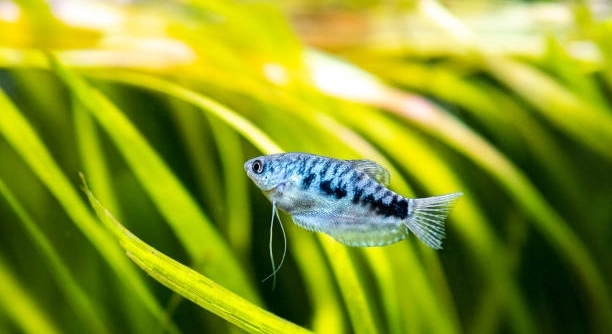
Gouramis are popular freshwater fish known for their vibrant colors and peaceful nature. When introducing new tankmates, they can show a range of behaviors as they settle into their environment. Understanding this adjustment process is key for a harmonious aquarium.
Gouramis adjust to new tankmates by gradually establishing territory and social hierarchies while assessing the presence of other fish. This process involves cautious interaction, display behaviors, and sometimes temporary aggression to create a stable community within the tank.
Recognizing how gouramis adapt helps ensure a balanced and stress-free environment for all aquatic residents. This knowledge supports successful tank introductions and long-term fish health.
How Gouramis Establish Territory
When new tankmates are introduced, gouramis often start by marking their territory. This is their way of feeling secure and reducing stress. They use body language like flaring their fins or changing colors to signal other fish. Some may chase or gently nip at newcomers to show boundaries. These behaviors usually calm down as the gouramis grow more comfortable with their neighbors. It’s important to provide plenty of hiding spots and plants in the tank to help reduce conflict. Gouramis feel safer when they have space to retreat. Over time, they learn to share the tank peacefully, balancing their natural instincts with the presence of other fish. Keeping an eye on interactions during the first few days helps catch any signs of aggression early, allowing timely adjustments to the tank setup or fish grouping.
Maintaining a well-decorated tank encourages gouramis to feel secure and helps minimize territorial disputes.
Providing these conditions supports a peaceful environment for gouramis and new tankmates to coexist happily.
Signs of Stress and Adaptation
Gouramis may show signs of stress when adjusting to new tankmates, such as hiding, loss of appetite, or erratic swimming.
Stress occurs when the tank environment feels crowded or the fish feel threatened. Gouramis often adapt by slowly increasing interaction with others, using displays to communicate rather than fighting. Giving them time and space is key.
If stress continues, it may indicate that the tank setup or fish combination needs reevaluation. Adjustments like rearranging plants, adding barriers, or separating aggressive fish can help. Patience during this period is important, as some gouramis adapt faster than others.
Ultimately, understanding these signs allows for a smoother transition, keeping the fish healthy and the tank balanced. This attention to behavior creates a better habitat and encourages peaceful relationships between all tank inhabitants.
Feeding Behavior Changes
Gouramis may change their feeding habits when new tankmates arrive. They might eat less at first or become more competitive during feeding times.
Stress from new surroundings can cause them to hide or be cautious, affecting their appetite. Ensuring multiple feeding spots helps all fish get enough food without crowding. Watching how gouramis eat will give clues about how well they are adjusting.
Gradually, gouramis often return to their usual feeding routines as they become comfortable. Providing a balanced diet with variety supports their health during this transition. Regular feeding times help create a sense of normalcy and reduce tension among tankmates.
Monitoring Compatibility
Compatibility depends on species, size, and temperament. Gouramis generally prefer peaceful fish that won’t provoke stress or aggression.
Observe interactions closely during the first weeks. Aggressive or overly timid fish can disrupt harmony, leading to stress or injury. Keeping compatible tankmates is vital for stability.
Adjust tank layout to give shy fish places to hide. Separating incompatible fish early avoids long-term problems. Compatibility monitoring involves ongoing care to ensure all fish thrive and the tank remains balanced.
Adjusting Water Conditions
Gouramis are sensitive to changes in water quality. New tankmates can affect parameters like pH and temperature.
Regular testing and adjustments keep conditions stable, which is crucial for their health and comfort during introductions.
Social Behavior Patterns
Gouramis display various social behaviors, including schooling, displaying, or solitary habits. Understanding these patterns helps predict how they will interact with new fish. Monitoring these behaviors can indicate how well they are settling and if the tank community is balanced.
Tank Setup Importance
A well-planned tank with hiding spots and open swimming areas helps gouramis and their tankmates coexist peacefully.
Proper setup reduces stress and encourages natural behaviors, promoting a healthy aquarium environment.
FAQ
How long does it take for gouramis to adjust to new tankmates?
Adjustment time varies depending on the gourami’s personality and the species introduced. Generally, it can take anywhere from a few days to several weeks. Some gouramis adapt quickly, while others need more time to feel secure. Watching their behavior during this period is important to ensure they are not stressed or aggressive.
What signs show that gouramis are stressed by new tankmates?
Common signs include hiding frequently, reduced appetite, rapid breathing, and unusual swimming patterns like darting or staying at the bottom. Stress can also cause faded colors or excessive aggression. If these signs persist beyond a week, the tank setup or fish combination might need reconsideration.
Can gouramis live peacefully with aggressive fish?
Gouramis prefer calm tankmates. Aggressive fish can cause stress or injury, disrupting the social balance. It’s best to avoid pairing gouramis with fin-nippers or territorial species. Selecting peaceful fish with similar size and temperament helps maintain harmony.
How can I help gouramis feel more comfortable with new tankmates?
Provide plenty of hiding places using plants, caves, or decorations. This gives gouramis space to retreat when feeling threatened. Gradually introduce new fish to reduce shock, and keep water conditions stable. Feeding in multiple areas also prevents competition and stress.
Is tank size important for gouramis adjusting to new fish?
Yes, a larger tank with enough space reduces territorial disputes and stress. Crowded tanks make it harder for gouramis to establish their area, leading to conflicts. Providing enough swimming room and separate zones helps all fish coexist peacefully.
Should I quarantine new tankmates before adding them to gouramis?
Quarantining new fish is recommended. It helps prevent disease and gives time to observe behaviors. This step reduces risk to gouramis and allows a smoother introduction process.
What if gouramis show aggression toward new tankmates?
Some aggression is normal as gouramis establish hierarchy. However, if it becomes persistent or harmful, consider separating fish or rearranging the tank to break territorial claims. Sometimes changing tankmates is necessary for long-term peace.
Do gouramis require special diet changes when adjusting to new tankmates?
Diet doesn’t usually need changes, but stress may reduce their appetite temporarily. Feeding high-quality, varied foods in smaller, frequent portions helps maintain their health during adjustment.
Can adding plants help gouramis adjust?
Yes, plants provide hiding spots and reduce stress by breaking sight lines between fish. They create a natural environment that encourages calm behavior and improves water quality.
How often should I observe gouramis after adding new tankmates?
Daily monitoring is best during the first two weeks. Watch for signs of stress, aggression, or illness. Early detection allows quick action to prevent problems from escalating. Consistent observation helps maintain a healthy tank community.
Final Thoughts
Adjusting gouramis to new tankmates takes patience and attention. These fish rely on their environment feeling safe and balanced to thrive. When new fish are added, gouramis may show different behaviors as they test boundaries and learn to share their space. Providing a well-planned tank with enough room, hiding spots, and stable water conditions helps reduce stress and encourages peaceful coexistence. It’s important to understand that some level of interaction, including mild chasing or display behaviors, is natural as gouramis settle in. Over time, most gouramis adapt well when given the proper environment and support.
Careful observation during the first few weeks is key to success. Watching how gouramis and new tankmates behave can help identify any signs of trouble early. Stress signs like hiding, poor appetite, or excessive aggression should not be ignored. Taking steps like rearranging tank decorations, separating fish if needed, or adjusting the number of fish can help maintain a calm environment. Introducing new fish slowly and ensuring compatibility based on size and temperament also plays a big role in smooth adaptation. By staying attentive and responsive to their needs, you create the best chance for your gouramis and their tankmates to live peacefully together.
Overall, helping gouramis adjust to new tankmates requires balance and care. Each fish and tank is different, so there is no one-size-fits-all solution. However, focusing on stable water quality, adequate space, proper diet, and plenty of hiding places supports their natural behavior and well-being. The process may take time, but the result is a healthier and more vibrant aquarium community. Patience and thoughtful care make all the difference in ensuring your gouramis feel secure and happy alongside their new neighbors.

Hello,
If you enjoy the content that we create, please consider saying a "Thank You!" by leaving a tip.
Every little bit helps us continue crafting quality advice that supports the health, happiness, and well-being of pets around the world, for pets of all shapes, sizes, and species.
We really appreciate the kindness and support that you show us!