
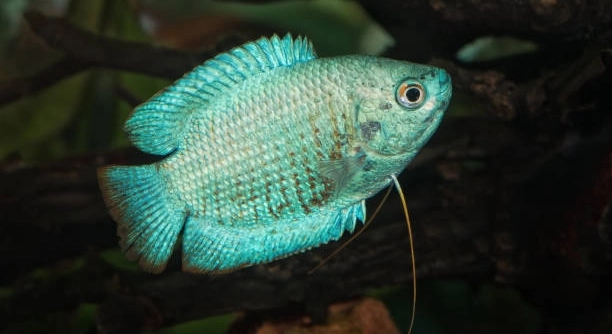
Is your gourami swimming oddly, tilting to one side or struggling to stay balanced in the water? Uneven swimming can be worrying and may point to health issues or problems in their environment.
Uneven swimming in gourami is most commonly caused by swim bladder disorders, poor water quality, infections, constipation, stress, injuries, or congenital deformities. Identifying the exact cause is key to proper treatment and recovery.
Learning about these seven causes will help you spot issues early and create a safer, more stable home for your gourami.
Swim Bladder Disorder
Swim bladder disorder is one of the most common reasons a gourami may swim unevenly. The swim bladder is a gas-filled organ that helps the fish maintain buoyancy. When it’s not working correctly, your gourami might float uncontrollably, sink to the bottom, or tilt sideways. Overfeeding, constipation, or infections are often behind this issue. Feeding peas (with the skin removed) can sometimes help with digestion if constipation is the problem. If your fish shows no improvement, consider isolating it and adjusting its diet. You may also need to test water conditions or treat with a broad-spectrum antibiotic if infection is suspected.
Gouramis with swim bladder problems often seem lethargic and struggle to stay level. These signs should not be ignored, especially if they persist for more than a day or two.
Early detection and gentle handling can help your gourami recover. Limit feeding, keep water clean, and monitor closely for signs of improvement.
Poor Water Quality
Dirty or unstable water can quickly cause stress in gouramis, leading to erratic swimming or health problems. Ammonia spikes, low oxygen, or incorrect pH levels can all trigger uneven swimming behaviors.
Maintaining clean water is essential for a gourami’s health. Uneven swimming can occur when toxins like ammonia or nitrites rise due to uneaten food, overcrowding, or poor filtration. Testing your tank’s water regularly using an aquarium test kit helps catch these changes before they affect your fish. Perform weekly partial water changes of 20–30%, clean your filter as directed, and avoid overfeeding. Temperature consistency is also important. Gouramis prefer stable, warm water around 76–82°F. Drastic temperature shifts can weaken their immune system and affect their swimming. If your tank lacks proper aeration, consider adding an air stone or adjusting the filter to increase surface movement and oxygen exchange. Clean water not only prevents illness but keeps your fish active and comfortable.
Internal Parasites
Internal parasites can affect a gourami’s ability to swim properly. They often damage organs or absorb nutrients, weakening the fish over time. You may also notice weight loss, loss of appetite, or stringy white feces in affected fish.
If parasites are present, a gourami might become sluggish and swim unevenly as its internal organs struggle to function. These parasites can enter the tank through contaminated food or new fish that weren’t properly quarantined. Treating the tank with antiparasitic medication, such as one containing praziquantel or metronidazole, is usually necessary. Quarantine infected fish if possible to avoid spreading the issue. Make sure to thoroughly clean the tank, check the filter, and remove any decaying organic matter. It’s also important to continue treatment for the full recommended duration, even if symptoms seem to fade early.
Keeping your gourami’s immune system strong is just as important. A varied, high-quality diet and stress-free environment help prevent recurring issues.
Physical Injury
Injuries are another reason your gourami may swim unevenly. Bumping into sharp decorations, rough handling during tank maintenance, or aggressive tank mates can all cause physical trauma that affects movement or balance.
A fish with a physical injury may show signs like tilted swimming, favoring one side, or staying near the bottom. Look for visible wounds or frayed fins. It’s helpful to keep the tank calm and dim, as this reduces stress. Avoid further disturbances and remove aggressive tank mates if necessary. Clean water and a gentle current support healing. You can also add aquarium salt in small amounts to prevent infection and ease discomfort. If the fish is struggling to feed, consider offering food closer to where it rests. Monitor the injury for swelling or redness, as this could point to infection. Quick action and a calm environment can make a big difference during recovery.
Constipation
Constipation in gouramis can lead to uneven swimming, often from pressure on the swim bladder. It’s usually caused by overfeeding, poor diet, or lack of fiber. Affected fish may float oddly or struggle to stay balanced.
Feeding deshelled peas can help clear blockages. Fasting the fish for 24–48 hours also helps.
Stress
Stress weakens a gourami’s immune system and may change how it swims. Sudden movements, loud noises, poor water quality, or aggressive tank mates can cause constant tension. A stressed fish may hide, lose color, or swim erratically. Keeping the tank calm and stable helps reduce stress-related swimming issues.
Congenital Defects
Some gouramis are born with physical deformities that affect their swimming. These issues might not be obvious at first but can become more noticeable as the fish grows. While these cannot be cured, providing a safe, low-stress environment helps the fish live more comfortably.
When to Seek Help
If uneven swimming does not improve with basic care, or if symptoms get worse, it may be time to consult an aquatic vet.
FAQ
Why is my gourami swimming sideways?
Sideways swimming usually means your gourami is having trouble with its swim bladder. This could be caused by constipation, infection, or injury. When the swim bladder doesn’t work properly, the fish can’t control its balance and may tilt or float awkwardly. Adjusting its diet, checking water quality, and watching for other symptoms can help identify the problem.
Can poor water quality cause swimming problems?
Yes, poor water quality often leads to stress or illness that affects swimming. High levels of ammonia, nitrites, or sudden pH changes can damage your gourami’s organs or nervous system. Keeping the tank clean with regular water changes and proper filtration is essential to prevent these issues.
How do I know if my gourami has a swim bladder disorder?
Common signs include floating to the surface, sinking to the bottom, or swimming on its side. The fish may also struggle to swim normally or stay upright. If these symptoms appear suddenly after feeding, constipation might be the cause. If they last longer, an infection or injury might be involved.
Can diet affect my gourami’s swimming?
Absolutely. Overfeeding or feeding inappropriate food can cause constipation, which puts pressure on the swim bladder. Feeding peas without skins can help relieve constipation. Providing a balanced diet with proper protein and fiber is important for overall health.
Is stress a common reason for uneven swimming?
Yes, stress weakens the immune system and can make your gourami swim erratically. Stress may come from loud noises, sudden changes in environment, aggressive tank mates, or poor water conditions. Reducing stress by maintaining stable water and a calm environment improves swimming behavior.
What should I do if my gourami is injured?
If injury is suspected, isolate the fish if possible to avoid further stress or attacks. Keep the tank clean and add aquarium salt in small doses to prevent infection. Observe the injury for any signs of swelling or redness, and avoid disturbing the fish unnecessarily while it heals.
How can I prevent internal parasites?
Quarantine new fish before adding them to your tank and avoid feeding live food that hasn’t been properly treated. Maintaining good water quality and a balanced diet also reduces the risk. If parasites are detected, use the recommended antiparasitic medications and follow the full treatment course.
Are congenital defects common in gouramis?
Congenital defects happen but are relatively rare. These defects may cause uneven swimming or difficulty moving properly. While they cannot be fixed, providing a safe, low-stress environment helps affected fish live as comfortably as possible.
When should I seek professional help?
If your gourami’s uneven swimming continues despite good care, or if symptoms worsen, a visit to an aquatic veterinarian is recommended. Professional advice can provide proper diagnosis and treatment options for complex issues like infections or serious injuries.
Can temperature changes affect my gourami’s swimming?
Yes, sudden changes or consistently low temperatures can cause stress and weaken your fish, leading to swimming problems. Maintaining a stable temperature between 76–82°F is important for gouramis to stay healthy and swim normally.
Is it okay to fast my gourami if it has swimming problems?
Fasting for 24–48 hours can help if constipation is causing swim bladder issues. This gives the digestive system time to clear. After fasting, feeding cooked, deshelled peas can aid recovery. Always observe your fish carefully during this time.
How often should I test my aquarium water?
Testing water weekly helps catch problems before they harm your gourami. Check for ammonia, nitrites, nitrates, and pH levels. Keeping these within safe limits ensures your fish stays healthy and swims evenly.
Can overcrowding cause swimming difficulties?
Yes, overcrowding leads to poor water quality and increased stress, both of which affect swimming. Make sure your tank is properly sized for the number of fish and provide hiding spots to reduce aggression and stress.
Are there any home remedies for swim bladder issues?
Feeding peas and fasting are simple home remedies that can relieve constipation-related swim bladder problems. However, if symptoms persist or worsen, professional treatment is necessary, especially if infections or parasites are involved.
What role does tank decoration play in uneven swimming?
Sharp or rough decorations can injure gouramis, causing swimming problems. Make sure your tank decorations are smooth and safe. Avoid overcrowding the tank with decorations, so fish have enough space to swim freely.
Uneven swimming in gouramis can be caused by many different factors, from health problems to environmental issues. It is important to watch your fish closely and notice any changes in behavior or swimming patterns. Early detection of problems like swim bladder disorder, infections, or poor water quality can make a big difference in your gourami’s recovery. Keeping the tank clean, feeding the right diet, and reducing stress are simple steps that help prevent many common issues.
Taking care of your gourami means paying attention to small details. Make sure the water conditions are stable and the temperature is right. Avoid overcrowding and keep aggressive fish away from your gourami. If you notice uneven swimming, try simple solutions first, like adjusting the diet or improving water quality. Sometimes resting the fish by fasting or giving it a quiet space can help. If problems persist or get worse, it’s important to seek advice from a professional who understands fish health.
Every gourami is different, and some may face unique challenges such as congenital defects or injuries. Providing a safe and calm environment will support your fish’s well-being no matter the cause of uneven swimming. Patience is key when helping your gourami recover. With proper care and attention, most swimming problems can be managed or improved over time. This will help your fish live a happier and healthier life in your aquarium.

Hello,
If you enjoy the content that we create, please consider saying a "Thank You!" by leaving a tip.
Every little bit helps us continue crafting quality advice that supports the health, happiness, and well-being of pets around the world, for pets of all shapes, sizes, and species.
We really appreciate the kindness and support that you show us!