
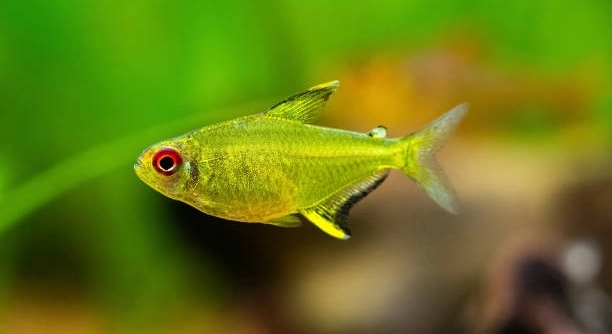
Lemon tetras are small, vibrant fish that bring life to any aquarium. Adjusting to new water can be challenging for them, especially when moving from one tank to another. Understanding their behavior helps ensure their smooth transition.
Lemon tetras typically adjust to new water within a few hours to a couple of days. Gradual acclimation, consistent temperature, and proper water chemistry are essential. Sudden changes in pH or temperature can stress them and slow their adaptation process.
Monitoring their behavior and maintaining stable water conditions will support their health. Proper preparation ensures they thrive and feel comfortable in their new environment.
Preparing Your Tank for Lemon Tetras
Before introducing lemon tetras, it is important to ensure the tank is ready for them. Start by checking that the water temperature is stable between 74 and 80 degrees Fahrenheit. Make sure the pH is slightly acidic to neutral, ideally between 5.5 and 7.0. Installing a gentle filter is key, as strong currents can stress small fish. Adding live plants and hiding spots gives them a sense of security. It is also important to cycle the tank completely before adding any fish to avoid sudden changes in water chemistry. Testing for ammonia, nitrite, and nitrate levels ensures the water is safe. Regular water changes, around 20 percent weekly, help maintain a healthy environment. Slowly introducing them to their new surroundings will make a noticeable difference in their adjustment. A prepared tank creates a stable, comfortable space for lemon tetras to thrive.
Gradually adjusting water parameters reduces stress. Small, incremental changes protect their delicate system and prevent health problems.
Taking the time to prepare the tank properly can save both you and the fish from avoidable stress. Ensuring proper filtration, temperature, and pH creates a calm environment. Hiding spots and plants mimic natural conditions, encouraging natural behaviors. Slowly acclimating them prevents shock, which can be fatal for sensitive tetras. Maintaining stability in water chemistry is essential. Testing for ammonia, nitrites, and nitrates ensures a safe habitat. Regular partial water changes keep toxins low and oxygen levels stable. Observing fish behavior during the first days can indicate comfort or stress. A well-prepared tank lays the foundation for long-term health. Their colors and energy will flourish when conditions are consistent and supportive.
Acclimating Lemon Tetras to New Water
Use the drip method to introduce lemon tetras gradually to new water. This helps them adjust without sudden shocks.
Acclimation should be done slowly, over one to two hours. Begin by floating the bag in the tank to equalize temperature. Then, slowly add small amounts of tank water into the bag at intervals. This allows the fish to gradually adjust to pH and hardness differences. Avoid pouring them directly into the tank, as sudden changes can cause stress or illness. Monitor their swimming behavior; if they appear frantic or lethargic, slow the process. Once acclimated, gently release them into the tank, keeping an eye for any signs of distress over the next few hours. Maintaining a quiet environment during this period helps reduce stress. Proper acclimation increases their chances of thriving in their new home and displaying their bright, lively colors.
Monitoring Behavior During Adjustment
Observe lemon tetras closely during their first days in the new tank. Watch for signs of stress, such as hiding, rapid gill movement, or erratic swimming. Early detection helps prevent health issues.
Pay attention to how they interact with other fish and explore the tank. Lemon tetras are social and prefer to stay in small groups. If they isolate themselves or seem lethargic, it could indicate stress or water issues. Ensure the water temperature and pH remain stable. Feeding small amounts gradually can encourage normal behavior. Removing uneaten food promptly prevents water quality problems. Monitoring behavior is key to identifying problems before they escalate. Consistent observation ensures the fish remain healthy and comfortable.
Adjusting slowly and observing reactions helps maintain a stable environment. Sudden changes in temperature, pH, or light can trigger stress. Maintaining a calm atmosphere and avoiding unnecessary disturbances supports their adaptation. Consistency in feeding and tank maintenance encourages them to explore and socialize naturally. Noticing minor behavior shifts allows early interventions, preventing long-term issues. Over time, they will settle into predictable routines, and their activity levels should normalize. Keeping a log of observations can help track progress and detect subtle changes in health or temperament.
Water Quality Essentials
Stable water quality is crucial for lemon tetras to thrive. Regular testing keeps conditions safe and consistent.
Ammonia, nitrite, and nitrate levels should always remain low. Regular partial water changes, typically 20 percent weekly, help maintain balance. Using a reliable water test kit allows accurate monitoring. Avoid overfeeding, as leftover food increases toxins and reduces oxygen levels. A gentle filter provides circulation without stressing the fish, and live plants can naturally improve water quality. Monitoring temperature and pH ensures they remain within safe ranges. Keeping water quality consistent reduces stress and prevents common illnesses. Clean, stable water supports healthy growth, vibrant colors, and active behavior in lemon tetras.
Gradual Feeding Adjustments
Start feeding lemon tetras small amounts after they settle in. Introduce food slowly to avoid overfeeding and water contamination.
Offer high-quality flakes or micro-pellets suitable for small tropical fish. Feed once or twice a day in measured portions. Observing their eating habits helps gauge their comfort and adaptation.
Maintaining Consistent Lighting
Keep the tank lighting on a regular schedule. Consistent light supports natural behavior and reduces stress.
Too much or too little light can disrupt their activity and feeding patterns. A timer can help maintain a stable day-night cycle, creating a more predictable environment for lemon tetras.
Observing Long-Term Adaptation
Track lemon tetras over several weeks to ensure full adjustment. Note changes in color, swimming patterns, and social behavior. Regular observation helps detect subtle stress signs early, allowing timely interventions. Maintaining patience and consistency supports their overall health and encourages natural, vibrant activity in the aquarium.
Minimizing Disturbances
Limit handling and sudden movements near the tank. Reducing noise and vibrations prevents unnecessary stress for lemon tetras.
How quickly can lemon tetras adapt to new water?
Lemon tetras usually begin adjusting within a few hours, but full adaptation can take one to three days. The exact timing depends on how similar the new water is to their previous environment. Gradual acclimation, stable temperature, and consistent pH levels help them settle faster without stress.
What is the best way to acclimate lemon tetras?
The drip method is one of the most effective ways. Float the bag in the tank to equalize temperature, then slowly add small amounts of tank water over one to two hours. This gradual approach allows the fish to adjust to differences in pH and water hardness. Avoid dumping them directly into the tank. Monitor their behavior during the process. If they appear stressed, slow the introduction. Once fully acclimated, gently release them into the tank. Proper acclimation reduces the risk of shock and improves survival and comfort.
How often should water changes be done?
Partial water changes of about 20 percent each week are ideal. This keeps ammonia, nitrite, and nitrate levels low, maintaining a safe environment. Overfeeding should be avoided, as leftover food can pollute the water quickly. Regular testing ensures chemical levels remain stable, preventing stress and illness.
What water parameters are best for lemon tetras?
Temperature should stay between 74 and 80 degrees Fahrenheit. The pH should be slightly acidic to neutral, around 5.5 to 7.0. Hardness should be low to moderate. Stable parameters are more important than exact numbers. Sudden fluctuations can stress the fish, making them more susceptible to disease. A gentle filter and live plants help maintain these conditions naturally.
Can lemon tetras live with other fish during adaptation?
Yes, but it’s best to keep them with calm, non-aggressive species. Avoid introducing them to a tank with large or territorial fish at first. Their small size makes them vulnerable. Observing their interactions helps ensure a peaceful environment. If signs of bullying appear, separate them until they adjust.
What signs indicate stress in lemon tetras?
Stress may show as hiding, erratic swimming, loss of appetite, faded colors, or rapid gill movement. Minor stress is normal during the first day, but prolonged signs suggest a problem with water quality or tank conditions. Addressing these issues quickly is crucial for their health.
Is it necessary to quarantine lemon tetras before adding them to a tank?
Yes, quarantining new fish for at least two weeks helps prevent the spread of diseases. It also allows you to monitor their health and ensure they are eating properly before introducing them to the main tank. This step reduces the risk for established fish.
How can feeding support adaptation?
Start with small portions once they show interest in food. Offer high-quality flakes or micro-pellets suitable for small tropical fish. Observe their behavior while feeding. Feeding too much can pollute the water, while consistent, moderate portions encourage normal eating patterns and support their adjustment to the new environment.
Do lemon tetras need special lighting during adaptation?
Lighting should follow a regular schedule to support natural behavior. A timer helps maintain consistency. Too much light can cause stress, while too little can reduce activity. Stable lighting helps them feel secure and supports their overall health during the transition.
How can I help lemon tetras feel secure quickly?
Providing plants, decorations, and hiding spots gives them shelter and reduces stress. Avoid tapping the glass or sudden disturbances. A calm environment, consistent feeding, and stable water conditions help them feel safe and adjust more quickly to their new surroundings.
What should I do if lemon tetras don’t adjust in a few days?
Check water parameters carefully, including temperature, pH, and chemical levels. Review acclimation methods to ensure they were gradual. Stress can be caused by poor water quality, aggressive tank mates, or inadequate hiding spaces. Correcting these issues often leads to gradual improvement in behavior and color.
Can temperature changes affect adaptation speed?
Yes, sudden temperature fluctuations can significantly stress lemon tetras and slow adjustment. Maintain a stable temperature within the 74-80 degrees Fahrenheit range. Even small changes can affect their appetite and activity levels. Using a reliable heater or thermometer ensures consistency.
How long should I observe them after acclimation?
Monitor their behavior for at least a week after acclimation. Watch for eating patterns, social interactions, and activity levels. Consistent observation helps identify lingering stress or early signs of illness. Adjusting water conditions or tank setup may be necessary to support full adaptation and health.
Are there long-term effects if adaptation is slow?
Extended stress can lead to weakened immune systems, susceptibility to disease, and stunted growth. Maintaining stable water parameters, proper feeding, and minimal disturbances helps prevent these long-term issues. Early intervention ensures they remain healthy and active over time.
Can plants improve adaptation?
Yes, live plants provide shelter and help maintain water quality. They also mimic natural habitats, which can make lemon tetras feel more secure. Adding plants before introducing fish gives them time to grow and creates a comfortable, supportive environment for adaptation.
Lemon tetras are small, delicate fish that can adapt well to new water when given the right conditions. Observing them closely during the first hours and days in a new tank is essential. Their behavior can provide important clues about how well they are adjusting. Signs like hiding, rapid gill movement, or erratic swimming may indicate stress, while normal swimming and interest in food suggest they are settling in. A calm and stable environment helps reduce stress and supports their health. Consistency in water temperature, pH, and hardness is crucial, as sudden changes can be harmful. Even minor fluctuations can impact their behavior and appetite, so maintaining a predictable environment is key.
Proper acclimation techniques are one of the most important factors in helping lemon tetras adjust to new water. Gradual introduction to the tank, such as the drip method, allows them to adapt to differences in pH and temperature without sudden shock. Floating the bag to equalize temperature and slowly adding tank water over time gives them the chance to settle in more comfortably. Patience during this process is critical. Overfeeding or introducing them too quickly can create stress and reduce the likelihood of a smooth adaptation. Observing how they respond to the acclimation process ensures they are adjusting at a safe pace. Small, controlled changes in water conditions make a big difference in their overall health and long-term comfort.
Maintaining a supportive environment after acclimation continues to be important for lemon tetras. Stable water quality, including regular partial water changes and monitoring chemical levels, keeps them healthy and active. Providing plants, hiding spots, and gentle lighting helps create a secure space where they feel comfortable and display natural behaviors. Observing them over time allows for early detection of any issues, such as changes in appetite, coloration, or swimming patterns, which can indicate stress or health concerns. By giving attention to these details, lemon tetras can thrive, showing vibrant colors and lively activity. Consistency, careful monitoring, and a calm environment are the foundation for their successful adaptation and overall well-being in a new tank.

Hello,
If you enjoy the content that we create, please consider saying a "Thank You!" by leaving a tip.
Every little bit helps us continue crafting quality advice that supports the health, happiness, and well-being of pets around the world, for pets of all shapes, sizes, and species.
We really appreciate the kindness and support that you show us!