
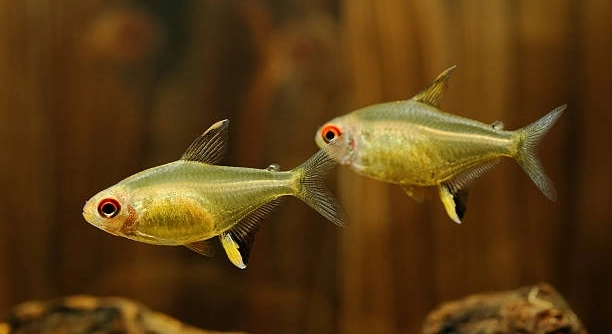
Lemon tetras are small, vibrant fish that brighten any aquarium. Their delicate nature means they are sensitive to changes in their environment. Proper water conditions are essential to keep them healthy and active in your tank.
Lemon tetras react to several water quality issues, including pH fluctuations, high nitrate levels, low oxygen, excessive ammonia, hard water, sudden temperature changes, and unclean tank conditions. These factors can stress the fish and impact their overall health and behavior.
Recognizing these water quality concerns can help maintain a stable and safe environment for your lemon tetras, ensuring their long-term well-being and vibrant appearance.
pH Fluctuations
Maintaining stable pH levels is vital for lemon tetras. Sudden shifts in pH can stress the fish, making them more prone to illness. Ideally, the water should stay between 6.0 and 7.0. Even small swings caused by adding chemicals, new water, or decaying plant matter can affect their behavior. These fish show signs of stress through lethargy, loss of color, or reduced appetite. Monitoring pH with a reliable test kit is essential. Frequent testing ensures that changes are noticed early, preventing long-term harm. Adjusting pH gradually rather than suddenly can prevent shock and help fish adapt comfortably. Using natural buffers like driftwood or peat can help maintain balance. Avoid adding large amounts of chemicals at once, as this can create dangerous spikes. Observing the tank daily allows you to respond quickly to subtle changes. Healthy lemon tetras display bright coloration, active swimming, and consistent feeding habits when the water stays within the proper pH range.
Maintaining a steady pH ensures that lemon tetras remain healthy, active, and less prone to stress-related illnesses over time.
Regular pH monitoring, careful water changes, and gradual adjustments allow you to protect your fish from harmful fluctuations. Using natural methods to buffer the water provides a more stable environment and reduces sudden shifts. Observing behavior, coloration, and appetite also indicates if pH levels are optimal. Stability is key for their well-being.
High Nitrate Levels
Excess nitrates in the tank can harm lemon tetras. Poor filtration, overfeeding, or infrequent water changes can cause accumulation, stressing the fish.
High nitrate levels weaken the immune system and can reduce lifespan. Consistent testing, regular water changes, and a balanced feeding routine help keep nitrate levels in check.
Nitrates accumulate as waste breaks down in the aquarium. High levels make the water toxic over time, causing sluggish swimming, fading color, and susceptibility to disease. A strong filtration system paired with weekly water changes keeps nitrate levels safe. Reducing overfeeding minimizes leftover food that decomposes and contributes to nitrates. Live plants help absorb nitrates naturally, creating a healthier environment. Observation is critical, as fish behavior often signals rising levels before they become dangerous. Maintaining cleanliness and monitoring water chemistry ensures a stable home for lemon tetras, preventing long-term stress or illness caused by excessive nitrates. Keeping these conditions in check supports their vibrant colors and active swimming patterns consistently.
Low Oxygen Levels
Low oxygen in the tank makes lemon tetras sluggish and can cause gasping at the surface. Insufficient aeration or overcrowding often leads to oxygen depletion.
Proper water movement and aeration are essential. Installing a reliable air pump or adjusting the filter to create surface agitation increases oxygen exchange. Plants also help produce oxygen during the day but consume it at night, so balancing plant density is important. Overcrowded tanks consume oxygen faster, making frequent monitoring necessary. Observing fish behavior, such as slow swimming or floating near the surface, signals that oxygen levels may be too low. Regular maintenance, including water changes, keeps oxygen levels stable. Avoid sudden temperature rises, which reduce dissolved oxygen.
Even with good filtration, a lack of aeration can stress lemon tetras over time. Combining water movement, plants, and monitoring ensures a safe and comfortable environment for them. Careful attention prevents long-term health issues related to oxygen deficiency.
Excessive Ammonia
Ammonia buildup is highly toxic and can damage gills and organs. It often occurs in new tanks or with poor maintenance.
Regular testing is crucial. Even small amounts of ammonia can harm lemon tetras. Water changes, proper cycling, and avoiding overfeeding prevent spikes. Using a biological filter helps convert ammonia into less harmful compounds. Immediate action is needed if ammonia appears, as prolonged exposure causes fin damage, lethargy, and breathing difficulties.
Ammonia toxicity is cumulative and affects fish health silently at first. Early detection through daily observation and routine testing is key. Avoid adding too many fish too quickly, as this overwhelms the tank’s capacity to process waste. Careful feeding, cleaning, and biological filtration create a stable environment, ensuring lemon tetras remain healthy and active. Regular water changes prevent ammonia from reaching dangerous levels, supporting long-term fish health.
Hard Water
Hard water can stress lemon tetras, affecting their color and behavior. Excess minerals like calcium and magnesium may interfere with their natural balance.
Using a water softener or mixing with purified water helps maintain proper hardness. Monitoring regularly ensures that the water remains suitable for their needs.
Sudden Temperature Changes
Rapid temperature shifts can shock lemon tetras, leading to stress or illness. Avoid placing the tank near heaters, windows, or drafts. Consistent heating with a reliable aquarium heater is essential. Slowly adjusting water temperature during changes prevents harm and maintains their comfort.
Unclean Tank Conditions
Dirty tanks increase waste buildup and bacterial growth, stressing lemon tetras. Regular cleaning and proper filtration keep their environment healthy and safe.
How often should I test the water for my lemon tetras?
Water testing should be done at least once a week. Key parameters include pH, ammonia, nitrite, nitrate, and hardness. Frequent monitoring helps identify changes before they stress the fish. Investing in a reliable test kit ensures accurate readings and keeps your tank stable.
What is the safest way to adjust pH levels?
Adjust pH gradually to prevent shocking your fish. Small daily adjustments using natural methods, such as driftwood or peat, are safest. Avoid adding strong chemicals all at once, as rapid changes can cause stress, loss of color, and reduced appetite in lemon tetras.
How can I lower high nitrate levels effectively?
High nitrates require consistent water changes, usually 20–30% weekly. Reducing overfeeding and maintaining a strong filter also helps. Live plants absorb nitrates naturally, improving water quality and offering a more stable environment for lemon tetras to thrive.
What are the signs of low oxygen in the tank?
Sluggish movement, gasping at the surface, and clinging near filters indicate low oxygen. Increasing surface agitation, adding an air pump, or reducing overcrowding can restore proper oxygen levels. Observing these signs early prevents stress and long-term health issues.
How can I prevent ammonia buildup in my tank?
Ammonia forms from fish waste and uneaten food. Using a properly cycled biological filter, avoiding overfeeding, and performing regular water changes prevent dangerous spikes. Immediate testing and action are essential if ammonia appears, as prolonged exposure can harm gills and internal organs.
What is the best way to acclimate lemon tetras to a new tank?
Acclimation should be slow, over at least an hour. Float the bag in the tank, then gradually mix tank water with the bag water. This reduces shock from differences in temperature, pH, or hardness, giving your fish a safer adjustment period.
How do I recognize stress caused by water quality issues?
Stress shows in behavior changes such as hiding, reduced swimming, faded coloration, or decreased appetite. Regular observation combined with proper water testing helps identify the cause early, allowing corrective action before serious health problems develop.
Can plants help maintain water quality for lemon tetras?
Yes. Live plants absorb nitrates, provide oxygen, and create hiding spots. However, they also consume oxygen at night, so tank balance is necessary. Proper plant care complements filtration and water changes, creating a stable and healthy environment for lemon tetras.
How often should I clean the tank to avoid unclean conditions?
Partial water changes weekly, along with cleaning substrate and decorations as needed, prevent waste buildup. Avoid over-cleaning filters, as beneficial bacteria are essential for breaking down ammonia and nitrites. Maintaining this routine keeps lemon tetras healthy.
What temperature range is ideal for lemon tetras?
Lemon tetras thrive between 72–78°F (22–26°C). Sudden changes outside this range can cause stress, weaken the immune system, and increase susceptibility to disease. Consistent heating with a reliable aquarium heater helps maintain stability.
How many lemon tetras should I keep in one tank?
Lemon tetras are schooling fish and do best in groups of six or more. Overcrowding stresses the fish and depletes oxygen faster, while too few can cause anxiety. Proper stocking balances social needs with water quality.
Is tap water safe for lemon tetras?
Tap water can be used if treated for chlorine, chloramines, and heavy metals. Using a water conditioner removes harmful chemicals and makes it safe for fish. Testing parameters ensures suitability, avoiding unexpected pH, hardness, or contaminant issues.
What should I do if I notice a sudden behavior change?
Immediate water testing is necessary. Sudden changes in swimming, appetite, or color often signal water quality problems. Correcting imbalances promptly prevents illness, and observing other tankmates helps assess whether the issue is isolated or systemic.
How do I manage a heavily planted tank without harming water quality?
Balance is key. Ensure sufficient surface agitation or an air pump to maintain oxygen, monitor nitrate levels, and trim plants to avoid decay. Healthy plant care improves water quality while supporting the natural behavior and comfort of lemon tetras.
Can stress from water issues affect breeding?
Yes. Stress reduces spawning activity and may lead to illness. Stable water parameters, proper nutrition, and minimal disturbance are essential to encourage breeding. Consistent care supports reproductive health and overall vitality.
How do I safely introduce new fish into an established lemon tetra tank?
Quarantine new fish for at least two weeks to prevent disease transmission. Acclimate slowly using gradual water mixing. Observe interactions carefully, ensuring the new fish integrate without causing stress to established lemon tetras.
What is the impact of hard water on lemon tetras over time?
Prolonged exposure to hard water can cause stress, affecting coloration, activity, and breeding. Using a mix of softened water or natural buffers keeps mineral levels within safe ranges, supporting long-term health and comfort.
How can I spot early signs of ammonia or nitrate toxicity?
Early signs include gasping, lethargy, loss of color, and reduced appetite. Testing water regularly helps identify rising levels before visible symptoms worsen. Quick intervention prevents serious damage to gills, organs, and overall health.
Are there long-term effects of ignoring minor water quality issues?
Even minor imbalances, if left untreated, accumulate stress over time. Chronic exposure weakens the immune system, reduces lifespan, and increases susceptibility to disease. Consistent monitoring, maintenance, and small adjustments prevent gradual deterioration of fish health.
What daily habits help maintain a healthy lemon tetra tank?
Observe fish behavior, check equipment, and perform small water tests. Feed in controlled amounts, remove uneaten food, and note any color or activity changes. These habits prevent water quality issues from developing unnoticed, supporting a stable and healthy environment.
How important is tank size in managing water quality?
Larger tanks dilute waste and stabilize temperature and chemical levels more effectively than small tanks. Proper sizing reduces the frequency of drastic changes and supports the overall well-being of lemon tetras, making maintenance more manageable and reliable.
Maintaining a healthy environment for lemon tetras is essential for their well-being. These small, vibrant fish are sensitive to changes in water quality, and even minor imbalances can lead to stress or illness. Regular monitoring of parameters such as pH, ammonia, nitrite, nitrate, and hardness helps ensure that the water remains stable. Observing fish behavior, coloration, and activity provides additional insights into their health. Sudden changes in swimming patterns, loss of color, or reduced appetite often indicate that water conditions need attention. Consistent care, including regular water changes and proper filtration, creates a reliable environment that supports the natural behavior and overall vitality of lemon tetras.
Temperature and oxygen levels also play a crucial role in maintaining a suitable habitat. Lemon tetras thrive within a specific temperature range, and sudden shifts can cause stress or weaken their immune system. Proper aeration and water movement help maintain adequate oxygen levels, preventing sluggish behavior and gasping at the surface. Overcrowding can reduce oxygen availability and increase waste accumulation, further stressing the fish. A balance between the number of fish, plant density, and filtration capacity ensures that oxygen levels remain sufficient and water conditions are stable. Using live plants can improve water quality by absorbing nitrates and producing oxygen during the day, but careful planning is necessary to prevent oxygen depletion at night. Paying attention to these details contributes to a healthier, more comfortable environment for lemon tetras.
Routine maintenance and careful observation are key to preventing long-term issues. Cleaning the tank regularly, monitoring water parameters, and avoiding overfeeding help reduce the buildup of harmful compounds such as ammonia and nitrates. Gradual adjustments to water chemistry, whether for pH, hardness, or temperature, minimize stress and allow fish to adapt safely. Introducing new fish requires proper acclimation and quarantine to prevent disease and maintain stability in the established tank. Over time, consistent attention to water quality, tank conditions, and fish behavior ensures that lemon tetras remain active, colorful, and healthy. These practices create a balanced environment where they can thrive, and the effort invested in maintaining proper care directly supports their long-term vitality and well-being.

Hello,
If you enjoy the content that we create, please consider saying a "Thank You!" by leaving a tip.
Every little bit helps us continue crafting quality advice that supports the health, happiness, and well-being of pets around the world, for pets of all shapes, sizes, and species.
We really appreciate the kindness and support that you show us!