
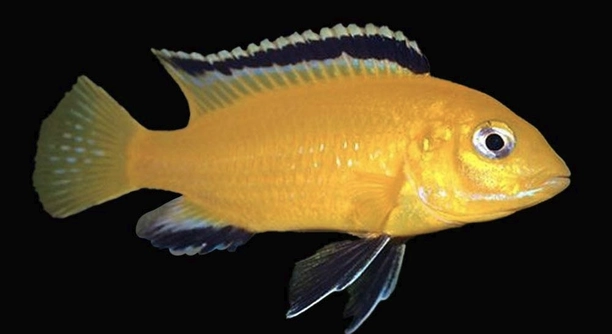
Are you fascinated by the bright colors of Electric Yellow Cichlids and want to understand their behavior in your aquarium? These lively fish can show surprising signs of affection, even in a small tank environment.
Electric Yellow Cichlids display affection through close swimming, gentle nipping, and following behaviors toward preferred companions. These actions indicate social bonding, trust, and comfort, reflecting both instinctive and environmental factors in their daily interactions within the aquarium.
Observing these subtle behaviors can help you better care for your cichlids and create a more harmonious tank environment. Their affectionate gestures reveal much about their social needs and well-being.
Recognizing Affectionate Behaviors
Electric Yellow Cichlids show their attachment in ways that are often easy to spot once you know what to watch for. They may swim closely together, often mirroring each other’s movements. Gentle nipping is another common behavior, usually directed at preferred companions rather than in aggression. Following is a strong sign of comfort and trust; these fish often trail others they are bonded with. Body language also plays a role. Raised fins, relaxed postures, and bright coloring often indicate a positive state, signaling that a fish feels safe and secure. Feeding time can reveal affection too, as they may eat alongside their companion or respond to your presence with recognition gestures. Observing these behaviors consistently can help you better interpret their moods and social interactions, providing insight into their overall well-being. Understanding these signs allows for a more attentive and responsive approach to aquarium care.
Recognizing these gestures helps you gauge emotional and social connections among your cichlids more accurately.
Paying attention to these behaviors improves your tank management. By noting swimming patterns, nibbling tendencies, and response to your presence, you can ensure a harmonious environment. Creating spaces with hiding spots and open swimming areas encourages healthy interactions, reducing stress and promoting natural bonding. Monitoring their feeding habits and observing consistent companionship behaviors reveals individual personalities and preferred pairings. Documenting these patterns over time helps track their comfort levels and identifies any changes that may indicate illness or discomfort. Adjustments in tank conditions, such as water quality, temperature, and enrichment, support the fish’s emotional and physical health. Engaging with these small, subtle behaviors fosters a deeper connection with your aquarium and allows you to maintain a dynamic, thriving aquatic setting.
Environmental Factors Affecting Affection
The layout of the tank influences how cichlids interact and express affection.
Tank size, decor, and hiding spots impact their social comfort. Overcrowded tanks can lead to stress, which reduces affectionate behaviors. Providing multiple territories helps reduce aggression and allows fish to establish bonds. Water quality also affects behavior; poor conditions can lead to withdrawal and irritability. Lighting levels and water temperature influence activity levels, making the environment more or less conducive to displays of attachment. Observing how your cichlids respond to changes in the tank setup can guide adjustments to encourage natural interactions. Social groupings matter too, as balanced numbers prevent dominance struggles and foster closer bonds. By creating an environment that meets their physical and social needs, you support both health and emotional well-being. Understanding these factors allows you to enhance your cichlids’ quality of life and observe more genuine expressions of affection.
Feeding and Bonding
Feeding time strengthens social bonds among Electric Yellow Cichlids. They often eat side by side, showing comfort and trust. Sharing space during meals is a clear sign of attachment and reduces competition, encouraging peaceful interactions in the tank.
Offering high-quality, varied foods helps maintain health and stimulates natural behaviors. These fish respond to consistent feeding routines, often approaching familiar caretakers or companions during mealtimes. Observing which fish eat together reveals social preferences and strengthens pair bonds. Providing both sinking and floating foods accommodates different feeding styles and encourages interaction, allowing fish to express attachment through shared activity. Proper nutrition supports energy levels, coloring, and overall health, which in turn enhances social engagement and affectionate behaviors. Feeding practices directly influence both physical and emotional well-being, making it an important aspect of care.
Maintaining a structured feeding routine can reduce stress and reinforce bonding. Watching fish eat alongside companions or following each other during meals provides insight into their relationships, helping you support both their social and physical needs effectively.
Pairing and Compatibility
Matching compatible cichlids encourages displays of affection and reduces aggression. Pairing similar-sized fish with compatible temperaments allows them to develop trust and social connections naturally.
Compatibility affects behavior significantly, as mismatched pairs may struggle with dominance or stress. Observing early interactions helps identify potential conflicts or strong bonds. Providing multiple hiding spots and defined territories reduces tension while giving each fish space to retreat. Balanced groupings promote natural hierarchy formation and encourage cooperative behaviors like synchronized swimming and gentle nipping. Monitoring compatibility over time ensures that bonds are maintained and that no fish is isolated or stressed. Proper pairing allows cichlids to show attachment confidently and helps maintain a stable, peaceful aquarium environment.
Well-considered pairings encourage natural behaviors and affectionate interactions. Fish with compatible temperaments will swim, feed, and rest together comfortably, reflecting trust and comfort. Consistent observation and adjustment of groupings promote long-term harmony, ensuring the tank remains a safe and engaging space for all residents.
Recognizing Stress Signals
Stress can reduce affectionate behaviors in Electric Yellow Cichlids. Signs include hiding, loss of color, or sudden aggression toward companions. Identifying these behaviors early helps maintain a harmonious tank environment.
Water quality, overcrowding, and lack of enrichment are common stress factors. Addressing these issues promptly encourages social bonding and comfort.
Encouraging Social Interaction
Providing open swimming areas and multiple hiding spots promotes natural social behaviors. Observing how fish interact in different tank zones helps understand individual preferences.
Group activities, like synchronized swimming or shared resting spots, indicate comfort and attachment. Introducing new objects gradually can stimulate curiosity and interaction without overwhelming them.
Monitoring Growth and Development
As Electric Yellow Cichlids grow, their behavior patterns can shift. Tracking growth alongside social behaviors helps predict compatibility changes.
Adjusting tank layout and group composition over time ensures continued bonding and reduces stress. Consistent observation allows early intervention when conflicts arise.
FAQ
How can I tell if my Electric Yellow Cichlid is showing affection?
Affectionate behaviors are often subtle but noticeable. Fish may swim closely together, follow one another, or engage in gentle nipping. Bright coloring and relaxed postures are also signs of comfort. Sharing feeding spaces or resting near each other indicates trust and attachment within the tank.
Do all Electric Yellow Cichlids show affection the same way?
No, individual personalities and environmental factors influence behavior. Some may be more social and consistently swim with companions, while others are more reserved. Observing patterns over time helps identify which fish are forming bonds and which prefer solitary behaviors.
Can tank size affect affectionate behaviors?
Yes, space plays a significant role. Small tanks can increase stress and reduce positive interactions. Providing ample swimming areas and hiding spots encourages natural behaviors and allows fish to choose when and with whom they interact.
How does feeding influence bonding?
Feeding routines reinforce social connections. Fish often eat side by side or follow familiar companions during mealtimes. Offering a variety of foods and maintaining consistent schedules supports comfort, encourages shared activity, and promotes positive interactions.
What role does water quality play in affection?
Poor water conditions can cause stress, aggression, or withdrawal, reducing affectionate behaviors. Maintaining proper pH, temperature, and cleanliness ensures fish feel safe and secure, which allows them to express natural bonding behaviors more freely.
Can introducing new tankmates disrupt affection?
Yes, new fish can temporarily alter social dynamics. Observing initial interactions and providing hiding spots reduces tension. Gradually introducing newcomers helps existing fish maintain bonds while allowing new connections to form without stress.
Do cichlids form long-term bonds?
Many Electric Yellow Cichlids do form lasting bonds, especially with compatible companions. These relationships are shown through repeated swimming patterns, shared resting areas, and cooperative behaviors. Tracking social interactions over time helps ensure stable bonds are maintained.
How can I encourage shy fish to show affection?
Shy fish may take time to feel secure. Offering hiding spots, stable water conditions, and consistent feeding routines builds confidence. Observing from a distance and avoiding sudden movements allows these fish to gradually engage with companions and express social behaviors.
Are aggressive behaviors always a sign of stress?
Not always. Some level of dominance or territorial behavior is normal, especially during pairing or establishing hierarchy. Aggression becomes concerning when frequent, intense, or causing injury, indicating a need to adjust tank conditions, group size, or compatibility.
What environmental factors improve affectionate behaviors?
Balanced tank composition, adequate space, and enrichment like rocks, plants, and open swimming zones encourage interaction. Consistent water parameters, stable lighting, and predictable feeding routines support natural bonding and comfort among cichlids.
How do I track my fish’s social patterns?
Observing daily swimming habits, feeding order, and resting positions helps track bonds. Keeping notes or photos over time allows comparison of interactions, helping identify positive relationships or early signs of stress that may need intervention.
Can affection affect breeding behavior?
Yes, bonded pairs are more likely to engage in courtship and breeding. Observing consistent following, shared territory defense, and gentle interaction helps identify potential breeding pairs, indicating strong social attachment and compatibility.
Is it normal for some fish to remain aloof?
Yes, not all fish are equally social. Some may prefer limited interaction, even in healthy tanks. Respecting these differences ensures a balanced environment where all fish feel safe and supported.
Do seasonal changes influence behavior?
Temperature fluctuations and lighting changes can affect activity levels and social behaviors. Maintaining stable conditions reduces stress and encourages consistent affectionate interactions throughout the year.
How long does it take to see affection develop?
Bonding timelines vary depending on fish personalities and tank conditions. Some bonds form within weeks, while others take months. Consistent care, stable environments, and observation accelerate the development of trust and social behaviors.
Observing Electric Yellow Cichlids reveals a lot about how fish interact and show attachment. Their behaviors, while sometimes subtle, provide insight into their social structure and comfort levels. Swimming together, gentle nipping, and following one another are clear indicators of trust and familiarity. Bright colors and relaxed postures often accompany these behaviors, signaling that a fish feels secure in its environment. Feeding times offer another glimpse into their interactions, as they often eat alongside companions, reinforcing social bonds. Recognizing these signs allows caretakers to better understand their fish, supporting both emotional and physical well-being. Proper observation requires patience and attention, but it provides valuable insight into daily habits and preferences. By noting patterns over time, it becomes easier to distinguish normal affectionate behaviors from signs of stress or discomfort, which is essential for maintaining a balanced and healthy aquarium environment.
Creating a suitable environment plays a crucial role in encouraging affectionate behavior. Tank size, layout, and enrichment opportunities significantly influence how fish interact. Open swimming areas allow companions to engage freely, while hiding spots provide refuge and reduce stress. Overcrowding or poorly designed tanks can hinder bonding and lead to aggression or withdrawal. Water quality is equally important; consistent pH, temperature, and cleanliness create a stable environment where fish feel safe. Feeding routines and group composition further contribute to positive social behavior. Pairing compatible fish and monitoring their interactions helps prevent conflicts and promotes natural bonds. Adjustments in tank conditions, layout, or companion selection may be necessary as fish grow and develop. Supporting both their physical and emotional needs ensures that cichlids are comfortable expressing attachment, contributing to a more peaceful and harmonious tank environment over the long term.
Monitoring behaviors and making informed adjustments allows caretakers to maintain a balanced aquarium. Observing social interactions, recognizing stress signals, and responding appropriately are key to fostering a healthy environment. Bonding among fish is not always immediate, and patience is necessary as individual personalities and temperaments influence behavior. Some cichlids may take longer to show affection, while others are more social from the beginning. Over time, consistent care, proper feeding, and stable tank conditions encourage trust and attachment, allowing fish to form strong bonds with companions. Affectionate behaviors reflect both comfort and well-being, and supporting these behaviors enhances the overall quality of life for the fish. Maintaining a thoughtful approach, observing interactions, and adjusting the environment when needed ensures that Electric Yellow Cichlids remain healthy, social, and content in their aquatic home.

Hello,
If you enjoy the content that we create, please consider saying a "Thank You!" by leaving a tip.
Every little bit helps us continue crafting quality advice that supports the health, happiness, and well-being of pets around the world, for pets of all shapes, sizes, and species.
We really appreciate the kindness and support that you show us!