
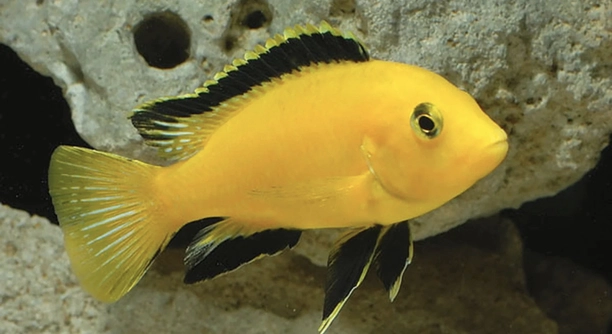
Electric Yellow Cichlids are lively fish that react quickly to changes in their environment. Many new owners notice their behavior shifts when water conditions vary, affecting the fish’s health and comfort in the tank.
Electric Yellow Cichlids are highly sensitive to water parameters such as temperature, pH, hardness, ammonia, nitrite, nitrate, and oxygen levels. Monitoring these factors ensures their well-being, reduces stress, and promotes natural behavior and vibrant coloration in captivity.
Properly understanding these key factors helps maintain a healthy tank environment, ensuring your fish thrive and display their natural beauty and energy over time.
Temperature
Maintaining the correct water temperature is essential for Electric Yellow Cichlids. They thrive best between 75°F and 82°F. Sudden drops or rises in temperature can stress them, weakening their immune system and making them more prone to illness. Using a reliable heater and thermometer helps keep the water stable. I remember my first tank; without proper monitoring, the fish became sluggish and less colorful. Stability matters more than high-end equipment. Consistent temperature encourages normal behavior, feeding, and breeding. Avoid placing the tank near windows or vents where temperatures fluctuate. Gradual adjustments are key when changes are needed. Even a few degrees outside the ideal range can make your cichlids less active. Observing their swimming patterns often indicates if the temperature is right. Healthy fish move confidently and explore the tank, while stressed fish may hide or remain near the surface.
Regular monitoring prevents problems before they escalate and keeps your fish active and healthy.
Keeping the water temperature stable not only supports growth but also ensures your Electric Yellow Cichlids maintain bright colors and lively interactions. Watching them swim freely is rewarding, and it reflects the balance achieved through proper temperature management.
pH Level
Electric Yellow Cichlids prefer slightly alkaline water, typically between 7.8 and 8.6. Maintaining this range supports their digestion, coloration, and overall health.
Testing the water weekly helps catch shifts early. Small adjustments using natural buffers like crushed coral or baking soda keep the pH consistent without shocking the fish. Rapid changes in pH can lead to stress, loss of appetite, and weaker immune response. I learned this after noticing my cichlids hiding more frequently; once the pH stabilized, their energy returned. It’s important to combine pH management with proper filtration and regular water changes. Even with correct pH, other parameters such as hardness and nitrates can affect behavior. Observing the fish alongside testing provides a complete picture of their comfort. Maintaining balance creates a calm, healthy environment that allows the cichlids to display natural behaviors like territory exploration and social interaction. A steady pH encourages breeding and vibrant coloration, essential for the species’ well-being. Consistency is more important than chasing perfect numbers.
Hardness
Electric Yellow Cichlids do best in moderately hard water, ideally between 10 and 20 dGH. Hardness affects their biological functions, including osmoregulation and scale development.
I remember adjusting my tank after noticing my cichlids’ colors looked dull. Testing showed low hardness, so I added crushed coral to raise it gradually. The fish perked up within a week. Proper hardness stabilizes pH and reduces stress, promoting natural behavior. Too soft water can make them more susceptible to disease, while overly hard water may stunt growth. Maintaining moderate hardness ensures healthy bones and vibrant coloration. Using mineral supplements carefully helps achieve the ideal range without sudden shifts. Observing behavior alongside testing allows you to respond to subtle changes before they affect health.
Once the hardness is balanced, Electric Yellow Cichlids show active swimming and feeding patterns. They interact naturally, establish territories, and display full coloration, reflecting improved comfort and overall well-being in the tank.
Ammonia
Ammonia should always be kept at zero in tanks with Electric Yellow Cichlids. Even small amounts can irritate gills, reduce appetite, and cause stress.
I experienced ammonia spikes early on because I overfed my fish. The water turned cloudy, and the fish stayed near the surface. Performing partial water changes and improving filtration quickly returned ammonia to safe levels. Regular testing is essential, especially after adding new fish or changing food amounts. Biological filtration helps convert ammonia to less harmful compounds, preventing long-term problems. Overfeeding and poor maintenance are common contributors to ammonia accumulation. Using a reliable test kit allows you to track fluctuations daily or weekly, depending on tank size and stocking. Keeping ammonia at zero promotes healthy gills, smooth breathing, and proper metabolism. Stress from ammonia exposure can weaken immune responses, increasing susceptibility to infections and disease outbreaks. Maintaining a clean environment benefits not only cichlids’ health but also their behavior, encouraging activity and bright colors.
Nitrite
Nitrite levels must be kept at zero for Electric Yellow Cichlids. Even low concentrations can stress the fish, affect oxygen transport, and harm overall health.
Regular testing and consistent water changes prevent nitrite buildup. Biological filtration also converts nitrites into less harmful nitrates, keeping the tank safe and stable.
Nitrate
Nitrate should be maintained below 20 ppm to protect cichlids from long-term stress. High nitrate levels can reduce immunity, encourage algae growth, and affect behavior. Regular water changes, proper feeding practices, and live plants help keep nitrate levels under control. Monitoring weekly ensures the fish remain healthy and active.
Oxygen
Electric Yellow Cichlids require well-oxygenated water to thrive. Low oxygen slows metabolism, reduces appetite, and causes lethargy.
Water Clarity
Clear water improves fish health and visibility. Cloudy water often indicates waste accumulation or poor filtration. Maintaining clarity through regular water changes and filter maintenance supports vibrant coloration, normal feeding habits, and overall well-being for Electric Yellow Cichlids.
FAQ
How often should I test water parameters for Electric Yellow Cichlids?
I test my tank at least once a week. Regular testing helps catch small changes before they stress the fish. Some parameters, like ammonia and nitrite, may need checking more frequently, especially after adding new fish or changing the filter media. Consistency is key.
Can Electric Yellow Cichlids tolerate minor fluctuations in pH or temperature?
They can handle small, gradual changes, but sudden shifts can cause stress or illness. I once raised the temperature too quickly, and the fish hid for hours. Maintaining stable conditions is always safer than trying to “correct” problems with abrupt adjustments.
What is the best way to manage nitrate levels?
Partial water changes and not overfeeding are the easiest methods. I also add a few hardy live plants, which naturally absorb nitrates. Combined with a good filtration system, these steps keep the tank clean and prevent nitrate buildup over time.
How do I know if hardness is in the right range?
Testing kits are reliable, but observation helps too. If cichlids are sluggish or lose color, hardness might be off. I learned to watch their behavior closely after adjusting crushed coral, noticing immediate improvements in activity and coloration.
What should I do if ammonia spikes suddenly?
Perform an immediate partial water change and check the filter for blockages. Reducing feeding temporarily helps too. I had an ammonia spike after adding too many new fish at once; quick action prevented any lasting health issues.
Do oxygen levels fluctuate naturally in a tank?
Yes, oxygen can change with temperature and stocking levels. I use a small air stone to improve circulation, which keeps the water well-oxygenated. Watching fish behavior, like gasping at the surface, is a good indicator of oxygen issues.
How can I maintain water clarity effectively?
Filtration and regular water changes are essential. I clean the filter weekly and remove debris from the substrate. Over time, this routine keeps the water clear, reducing stress and letting the cichlids display their bright yellow colors properly.
Is it necessary to adjust water parameters when adding new fish?
Yes, new fish can change the balance quickly. I always quarantine and acclimate new cichlids slowly, testing the water before and after. This reduces stress and prevents sudden spikes in ammonia, nitrite, or other key parameters.
How do I encourage healthy behavior in Electric Yellow Cichlids?
Stable water parameters and proper tank setup are crucial. I noticed that when everything is balanced, the fish explore, feed actively, and show natural social behavior. Stress from poor water quality can cause hiding, aggression, or reduced activity.
Can small mistakes in water maintenance cause long-term issues?
Yes, repeated neglect or inconsistent monitoring affects growth, coloration, and immunity. I’ve seen minor issues escalate when parameters weren’t checked regularly. Consistent care and observation prevent small problems from becoming serious health concerns.
What tools are most helpful for managing water quality?
Reliable test kits, a thermometer, and good filtration are essential. I also keep a notebook to track readings weekly. This simple habit has helped me detect trends early and maintain a stable, healthy environment for my cichlids.
How do I know if my tank’s setup is suitable for Electric Yellow Cichlids?
If fish are active, feeding well, and showing bright coloration, the setup is likely appropriate. I learned over time that behavior is the best indicator, alongside consistent water test results, rather than just relying on equipment specifications.
Can diet affect how cichlids respond to water conditions?
Yes, nutrition impacts stress tolerance and overall health. I feed a balanced diet with high-quality flakes and occasional live foods. Healthy fish handle minor environmental changes better and recover faster from temporary stress.
How often should I perform full water changes?
I aim for 20-25% weekly, adjusting depending on tank size and stocking levels. This keeps nitrates low and prevents ammonia or nitrite spikes. Regular changes are simple but have a huge impact on fish health and behavior.
Are Electric Yellow Cichlids sensitive to new decorations or tank rearrangements?
Yes, sudden changes can stress them. I introduce new rocks or plants slowly and watch their reactions. Gradual adjustments allow them to explore safely without altering water parameters or causing aggression.
Can multiple water parameters interact to affect fish health?
Absolutely. For example, improper hardness can destabilize pH, which in turn affects stress levels and immunity. I learned to look at the tank as a whole system, not individual parameters, to maintain balanced conditions consistently.
What are signs that water quality is poor even if parameters seem normal?
Behavioral changes like hiding, reduced feeding, or aggression can indicate hidden issues. I’ve seen nitrate levels spike quickly after overfeeding, even when pH and hardness were fine. Observing fish closely is as important as testing water.
How do I prevent algae growth while keeping cichlids healthy?
Control nutrients and light exposure. I limit feeding, perform regular water changes, and monitor light duration. Healthy cichlids benefit from clean water, and managing algae naturally reduces stress on the fish without harming them.
Is it necessary to adjust care for young cichlids differently than adults?
Yes, juveniles are more sensitive to water changes and fluctuations. I monitor their environment closely, providing stable conditions and frequent small water changes to ensure proper growth and development. They are less resilient than adults.
How long does it take to stabilize water parameters in a new tank?
Usually 4-6 weeks for a fully cycled tank, but it depends on size and setup. I’ve seen quicker results with strong biological filtration. Patience during this period is key to avoid stressing new fish and ensuring long-term stability.
Electric Yellow Cichlids are lively and colorful fish, but they are sensitive to changes in their environment. Maintaining proper water parameters is essential for their health and happiness. Temperature, pH, hardness, ammonia, nitrite, nitrate, and oxygen all play important roles in how these fish behave and thrive. Even small fluctuations can cause stress, reduce appetite, or weaken the immune system. Observing your cichlids daily and testing water regularly helps prevent problems before they affect the fish. I have noticed that when water conditions are stable, my cichlids swim actively, explore the tank, and display their vibrant yellow colors without issue. It may seem overwhelming at first, but keeping a consistent routine makes it much easier to manage a healthy environment for them.
Proper maintenance includes testing water, performing regular water changes, and monitoring filtration. Biological filtration is especially important because it converts harmful compounds into less toxic forms, helping prevent ammonia and nitrite buildup. I make it a habit to track water readings and record changes, which allows me to notice small trends before they become larger issues. Overfeeding is another common mistake that can negatively affect water quality. Feeding the right amount and removing uneaten food quickly helps reduce nitrate accumulation and prevents cloudy water. Attention to these small details has a big impact on keeping Electric Yellow Cichlids healthy, reducing stress, and encouraging natural behaviors such as territory exploration and social interaction. Even small improvements, like adding live plants or improving water circulation, make the tank a more comfortable environment for the fish.
Consistency is key when caring for Electric Yellow Cichlids. Sudden changes in water parameters can be more harmful than maintaining slightly imperfect but stable conditions. I have found that gradual adjustments are always better than abrupt corrections. Keeping water clear, maintaining the correct hardness, and ensuring proper oxygenation all work together to support the cichlids’ growth and coloration. Watching them interact, feed, and swim confidently is a clear sign that the tank is balanced. Taking the time to understand how each parameter affects the fish helps create a more enjoyable and less stressful experience for both the fish and the owner. In the end, attention to detail, observation, and steady care are what allow Electric Yellow Cichlids to live long, healthy lives while showing off the bright, lively colors they are known for.

Hello,
If you enjoy the content that we create, please consider saying a "Thank You!" by leaving a tip.
Every little bit helps us continue crafting quality advice that supports the health, happiness, and well-being of pets around the world, for pets of all shapes, sizes, and species.
We really appreciate the kindness and support that you show us!