
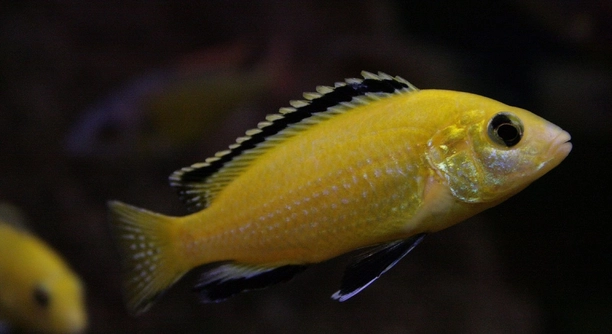
Electric yellow cichlids are vibrant fish that often show clear social hierarchies in aquariums. Their interactions can be fascinating, especially when a dominant fish suddenly disappears from the group. Observing these changes can be quite insightful.
When a dominant electric yellow cichlid dies, the social structure of the group shifts rapidly. Subordinate fish often display increased aggression, territory expansion, and changes in feeding behavior, as they compete to establish a new hierarchy within the aquarium.
These behavioral changes may seem subtle at first, but they gradually reshape the dynamics of the entire tank. Understanding this process can help you maintain a calmer and healthier environment for your fish.
Shifts in Territory and Aggression
When the dominant electric yellow cichlid dies, the balance of power in the tank changes quickly. Fish that were once submissive start exploring areas previously controlled by the leader. They may patrol more actively, chase other fish, and stake out favorite hiding spots. Feeding times become more competitive, and you might notice increased nipping or displays of color as fish try to assert dominance. The tank that once had a clear hierarchy now feels more chaotic, with several fish testing limits. It can take days or even weeks for a new pecking order to form. During this period, keeping an eye on weaker fish is important, as stress and injuries can occur. Adjusting feeding routines or providing extra hiding spaces helps maintain balance. Over time, one fish usually rises as the new leader, while others settle into roles beneath it. Observing these interactions reveals the natural instincts driving their behavior and helps in managing the tank effectively.
Subordinate fish often respond quickly to the absence of a leader, showing noticeable shifts in behavior.
Once the hierarchy stabilizes, the tank becomes calmer, though the new dominant fish may remain more aggressive than the previous leader. Understanding these changes allows for better management of aggression, territory, and feeding, ensuring all fish remain healthy and stress levels are minimized. By providing structured hiding spots and watching interactions closely, you can prevent unnecessary harm and help fish establish a comfortable social structure. Over time, the group resumes a sense of order, but small changes in behavior and dynamics may persist indefinitely. Recognizing these patterns early makes it easier to respond appropriately. Fish adjust differently depending on personality, size, and past experiences, so patience is key.
Feeding and Social Adjustments
After a dominant fish dies, feeding times often become tense as remaining fish compete.
Fish that once avoided the leader now claim food first, altering the distribution. Subordinates may eat faster or guard food, while others become hesitant, waiting for moments of safety. The tank may need careful monitoring to ensure all fish get enough nutrition. Offering food in multiple locations or spreading it out can reduce fights. Feeding routines may need temporary adjustments to prevent stress. Over several days, fish learn new patterns of who eats first and which territories are safest during feeding. Providing consistent, predictable feeding times helps reinforce calm behavior.
Social dynamics and feeding habits are closely linked in electric yellow cichlids. When the dominant fish is gone, smaller fish explore areas they previously avoided, and aggressive displays become more frequent. This can lead to minor injuries if not managed carefully. Adjusting feeding locations and offering multiple portions can prevent conflicts and ensure weaker fish still access food. Additionally, giving the tank more hiding spaces reduces stress, as fish have safe zones to retreat to during confrontations. Over time, a clear pecking order emerges, and feeding becomes less chaotic, though the new hierarchy may shift occasionally as fish continue testing boundaries. Observing these changes helps you support both dominant and subordinate fish, maintaining a healthy and balanced aquarium environment for all.
Color and Display Changes
Dominant fish often show the brightest colors, and when one dies, other cichlids may intensify their hues. Subordinates start displaying more vibrant patterns as they compete for attention and establish their rank within the tank.
The loss of a dominant electric yellow cichlid triggers noticeable changes in coloration among the remaining fish. Fish that were once subdued may display brighter yellow tones or more pronounced markings. These visual signals communicate strength and status to other tank members, helping to form a new hierarchy. Color changes are often paired with body postures, fin flaring, and chasing behaviors. Observing these shifts provides insight into the social structure of your aquarium. The speed and intensity of color changes vary by individual personality, size, and previous social rank. Over time, one fish typically emerges as the new dominant.
Color displays are also used to ward off competition and attract attention during feeding or territory disputes. Even smaller fish may briefly show exaggerated colors to test boundaries or assert themselves.
Re-establishing the Hierarchy
Fish quickly test new roles and boundaries after a dominant fish dies, adjusting behavior to see who will lead.
Subordinate electric yellow cichlids take time to settle into new positions, often showing a mix of aggression, cautious exploration, and displays of strength. Fish that were previously ignored or bullied may suddenly become more assertive, while others retreat to safe corners. Over days, repeated interactions define the new social structure. Aggressive encounters, chasing, and territorial displays become less frequent as the pecking order stabilizes. The process is influenced by the personality, size, and experience of each fish. Some may take longer to adapt, requiring patience and careful observation. Providing consistent conditions and adequate hiding spaces can help reduce stress and injuries during this adjustment phase.
During this period, it is essential to monitor fish closely for signs of stress or injury. Tank layout, decorations, and hiding spots play a key role in helping fish establish their place without conflict. Feeding routines may need adjustments to ensure weaker fish receive adequate nutrition. Understanding the social adjustments allows you to support a smoother transition and maintain a balanced, healthy aquarium environment. Consistency, observation, and minor environmental changes often prevent long-term aggression and help all fish adapt successfully.
Stress and Health Impacts
The sudden loss of a dominant cichlid can cause stress in remaining fish. Subordinates may hide more often, eat less, or show signs of anxiety until a new hierarchy forms.
Stress can also weaken the immune system, making fish more prone to illness. Regular monitoring and providing calm spaces can help maintain their health during this transition period.
Changes in Breeding Behavior
Breeding patterns may shift when the dominant fish dies. Submissive pairs may become more confident and attempt to establish nests or engage in mating displays. Some fish previously blocked from breeding now gain the opportunity to reproduce. These changes can affect egg laying, territory guarding, and parental care. Observing these patterns helps ensure proper support for breeding pairs and maintains stability in the tank’s population.
Long-Term Adaptations
Over time, electric yellow cichlids adjust to the new hierarchy.
Once the social structure stabilizes, aggression levels usually decrease, and fish settle into consistent routines. Territorial disputes become less frequent, and feeding behavior normalizes as each fish understands its rank.
FAQ
How quickly do electric yellow cichlids adjust after a dominant fish dies?
Adjustment depends on the individual personalities and sizes of the fish. Generally, changes in aggression and territory happen within the first few days. Full stabilization of the hierarchy may take several weeks, as fish test boundaries and establish new ranks. Providing hiding spaces and consistent feeding helps reduce stress during this period.
Will the remaining fish become more aggressive permanently?
Not usually. Aggression peaks shortly after the dominant fish dies as subordinates compete for leadership. Over time, once the hierarchy settles, aggression generally decreases. Some fish may retain slightly more assertive behavior than before, but the tank typically returns to a calmer routine with clear roles.
Do weaker fish get harmed during the transition?
Minor injuries or stress can occur, especially if hiding spots are limited. Subordinate fish may be chased or nipped as others test their limits. Ensuring plenty of shelters and spreading out food can protect weaker fish and allow them to recover safely.
How can I help the fish settle faster?
You can support the transition by keeping the environment stable. Avoid sudden changes in water temperature, lighting, or decorations. Add extra hiding spaces and distribute food in multiple locations to reduce competition. Observing behavior and separating seriously injured fish temporarily can also prevent long-term problems.
Will the tank’s color dynamics change permanently?
Fish often brighten their colors to show strength and assert dominance. Some of these changes are temporary and linked to hierarchy testing. Once the new dominant is established, coloration may settle but often remains slightly more vivid compared to before the original leader’s death.
How does feeding behavior change after a dominant fish dies?
Feeding becomes more competitive initially. Subordinate fish may eat faster or guard food, while others hesitate. Over time, routines normalize as the hierarchy stabilizes. Providing multiple feeding spots or spreading food reduces stress and ensures all fish receive proper nutrition.
Do electric yellow cichlids start breeding sooner after a dominant fish dies?
Yes, sometimes. Submissive fish previously blocked by the leader may become more confident, attempting to establish nests or court mates. These changes can affect egg laying and parental care. Monitoring breeding pairs ensures eggs and fry remain safe during this period.
Is stress the main concern after a dominant fish dies?
Stress is a key factor and can lead to illness or reduced activity. Stress manifests in hiding, decreased appetite, and color fading. Maintaining stable tank conditions, providing shelters, and watching interactions closely help reduce stress and support overall fish health.
Do tank decorations affect hierarchy formation?
Yes, decorations and hiding spots play a crucial role. They allow fish to retreat during confrontations and claim territory safely. Rearranging the tank suddenly may increase aggression, while consistent layouts help fish establish clear boundaries and adapt more easily to the new social structure.
How long does it take for feeding and social routines to normalize?
Feeding routines usually stabilize within a week or two, while full social routines may take several weeks. Fish continue adjusting their behavior, but aggression and territorial disputes decrease significantly once the hierarchy is established. Patience and observation are key during this period to ensure all fish thrive.
Can multiple dominant fish deaths happen without major chaos?
Multiple deaths in a short period increase instability. Each loss triggers new aggression, competition, and stress. Providing extra hiding spots, careful feeding management, and close observation is essential to maintain health and prevent injuries. The tank adapts better when changes are gradual rather than sudden.
Are some fish naturally more adaptable than others?
Yes, personality and previous experience affect adaptability. Larger, more confident fish tend to assert dominance quickly, while timid fish may take longer to find their place. Observing interactions helps identify which fish may need extra support or space to reduce stress.
Will water quality affect behavior during this transition?
Absolutely. Poor water conditions can amplify stress, reduce immunity, and increase aggression. Maintaining proper filtration, regular water changes, and monitoring parameters like pH, temperature, and ammonia levels helps fish adapt smoothly to the new hierarchy.
Is separating aggressive fish ever necessary?
Sometimes it is. If aggression leads to serious injuries or persistent bullying, temporarily separating the most aggressive or injured fish can prevent long-term harm. Reintroducing them gradually after the tank stabilizes helps maintain a balanced social structure without ongoing conflict.
Do hiding spots prevent all aggression?
Not entirely, but they significantly reduce stress and injuries. Hiding spots allow subordinate fish to avoid confrontations and explore territory safely. A well-decorated tank supports smoother hierarchy formation and allows fish to express natural behaviors without excessive conflict.
Can diet impact hierarchy adjustment?
Yes, proper nutrition supports energy levels and reduces stress. High-quality food encourages natural behaviors while keeping fish healthy. Feeding in multiple locations or spreading small portions helps reduce competition and ensures all fish get enough to eat during the adjustment phase.
Will electric yellow cichlids remember the former dominant?
While fish do not remember individuals like humans, they recognize social roles and territory boundaries. The absence of the previous leader triggers behavior changes, but once a new hierarchy forms, interactions focus on current social dynamics rather than the past dominant fish.
Are younger fish affected differently than adults?
Younger fish may be less aggressive and more cautious, often hiding until the new hierarchy settles. Adults usually assert dominance more quickly. Providing safe spaces ensures both young and adult fish can adapt without injury or excessive stress.
How important is observation during this period?
Observation is crucial. Watching interactions allows early intervention if aggression or stress becomes harmful. Adjusting hiding spots, feeding methods, or temporarily separating fish prevents injuries and helps the tank return to a stable, healthy environment more quickly.
Do color changes indicate permanent rank shifts?
Not always. Color intensifies during competition to signal strength. Once the hierarchy is stable, colors may settle but can remain slightly more vibrant, reflecting established dominance without continuous conflict.
Can hierarchy shifts affect tank mates of other species?
Yes, if other species are present, aggression and territorial changes can impact them. Providing separate areas or considering compatible species is important to reduce stress and prevent injuries during social reorganization.
Is it normal for the new dominant fish to be more aggressive than the previous one?
Often, yes. New leaders assert authority to secure their rank. This heightened aggression typically decreases over time once roles are accepted, though the new dominant may remain slightly more assertive than the former leader.
How long should I monitor the tank closely?
Close observation is most important during the first few weeks. Most behavioral adjustments happen early, but periodic monitoring ensures all fish remain healthy, feeding properly, and adapting safely to the new hierarchy.
Are minor injuries common during this adjustment?
Yes, small nips or scratches can happen. Minor injuries usually heal quickly if water quality is good and stress is minimized. Severe or persistent injuries may require temporary separation to allow recovery.
Does tank size affect hierarchy formation?
Larger tanks provide more space, reducing competition and stress. Small tanks may increase conflicts and make establishing a stable hierarchy more difficult. Ensuring adequate territory and hiding spots is especially important in smaller aquariums.
Can the presence of a new dominant improve tank harmony long-term?
Yes, once a clear leader is established, fish settle into defined roles. Territorial disputes and feeding conflicts decrease, and overall tank harmony improves. Providing consistent care and environment supports this long-term stability.
Do electric yellow cichlids ever revert to old behaviors after a dominant dies?
Behavior is generally based on current social structure. Once a hierarchy forms, old submissive patterns may disappear, though individual personalities still influence minor interactions. Stability comes from consistent conditions and observation to prevent renewed aggression.
What signs indicate the hierarchy is fully established?
Reduced chasing, fewer aggressive displays, consistent feeding patterns, and stable color displays indicate a hierarchy is forming. Fish occupy defined territories, and interactions are mostly predictable, signaling that the tank has adapted to the new social structure.
Can environmental enrichment help during this adjustment?
Yes, adding rocks, plants, or caves provides hiding spaces and territories, reducing stress and encouraging natural behaviors. Environmental enrichment helps fish assert dominance safely and supports smoother transitions after the dominant fish dies.
Do all cichlids react the same way to a dominant’s death?
No, reactions vary by species and individual temperament. Electric yellow cichlids show pronounced territorial and color changes, but other cichlid species may behave differently. Observing the specific group helps manage stress and maintain a balanced aquarium.
Is it necessary to replace the dominant fish immediately?
Not usually. Introducing a new fish too soon can increase aggression and stress. Allowing the tank to establish a stable hierarchy first ensures smoother integration if a replacement is desired.
How can I track behavioral changes effectively?
Keep a daily log of interactions, feeding behavior, and any injuries. Recording color changes and territory use helps identify patterns and ensures timely intervention if aggression or stress becomes harmful.
Does lighting affect hierarchy formation?
Proper lighting supports natural behavior and color display. Bright, consistent lighting allows fish to signal dominance clearly. Sudden changes in lighting may stress fish and disrupt hierarchy formation.
Can water flow or filtration impact social adjustments?
Yes, strong currents or poor filtration can stress fish, making aggression more frequent. Maintaining moderate flow and clean water helps fish focus on social interactions rather than environmental stressors.
Are there long-term health effects from hierarchy shifts?
Stress from prolonged aggression or competition can impact health. Proper tank management, hiding spaces, and consistent feeding prevent chronic stress and support long-term well-being for all fish.
Do fish communicate hierarchy through more than aggression and color?
Yes, posture, fin positioning, and movement patterns all signal rank. Observing these subtle cues helps understand the social structure and anticipate conflicts before they escalate.
Can tank mates of different sizes adapt similarly?
Larger fish often assert dominance faster, while smaller fish remain cautious. Ensuring enough space and hiding spots allows all sizes to adapt safely and reduces stress-related injuries.
Should I separate breeding pairs during hierarchy changes?
If aggression is high, temporarily separating breeding pairs can protect eggs or fry. Once the social structure stabilizes, reintroducing them reduces risk and maintains reproductive success.
Do electric yellow cichlids form stable friendships or alliances?
While not friendships in a human sense, some fish tolerate each other more and form temporary alliances to assert dominance or share territory. These relationships shift as the hierarchy evolves.
Are changes in water chemistry likely to worsen aggression?
Yes, sudden shifts in pH, ammonia, or nitrite levels can increase stress and aggression. Keeping water chemistry stable supports calmer social interactions and smoother adaptation.
How does age affect dominance establishment?
Older, larger fish are more likely to assume leadership quickly. Younger fish may take longer to test boundaries and find their place, needing extra protection or space during early adjustment.
Can behavior tracking predict future aggression?
Yes, observing patterns in chasing, nipping, and color display helps anticipate which fish may become dominant or aggressive, allowing preventive measures to maintain tank balance.
Do all fish fully recover from stress after a dominant dies?
Most do if water quality is good and aggression is managed. Some sensitive individuals may retain slight stress behaviors, but they usually adapt over time with proper care.
Is adding hiding spots enough to prevent injuries?
Hiding spots help but do not eliminate all injuries. Monitoring interactions and intervening when aggression becomes serious ensures safety while supporting natural behavior and hierarchy formation.
Can diet supplements reduce stress during hierarchy changes?
High-quality food with vitamins and minerals supports immunity and energy levels. While supplements alone do not prevent aggression, they help fish cope with stress and maintain overall health during the transition.
Does tank size dictate how quickly hierarchy stabilizes?
Larger tanks allow more space, reducing conflicts and promoting faster adjustment. Smaller tanks may prolong disputes, requiring careful observation and management to prevent injury and stress.
Are hierarchy shifts more pronounced in crowded tanks?
Yes, higher density increases competition and stress. Providing adequate territory, hiding spots, and consistent feeding helps mitigate aggression and supports smoother adaptation in crowded conditions.
Do dominant fish influence the personality of subordinates long-term?
The presence of a dominant can suppress assertiveness in some fish. Once the dominant is gone, subordinates may become more confident, and these changes can persist, altering the overall dynamics of the tank.
Can subtle injuries impact long-term health?
Minor scratches generally heal quickly, but repeated stress or frequent nipping can weaken immunity. Maintaining clean water and reducing aggression prevents long-term health problems.
Is hierarchy formation stressful for all fish equally?
No, individual temperament plays a role. Some fish adapt quickly and remain confident, while timid fish experience higher stress levels. Extra care for sensitive fish ensures safe adaptation.
Do social changes affect nocturnal activity?
Yes, subordinate fish may hide more at night or adjust swimming patterns to avoid conflicts. Monitoring nighttime behavior helps identify stress or unresolved aggression.
Can multiple dominant deaths lead to permanent instability?
Frequent losses increase chaos and stress, making hierarchy formation harder. Providing hiding spots, consistent feeding, and monitoring aggression helps maintain balance and prevent long-term disruption.
Are there signs that a fish has permanently assumed dominance?
Consistent territory patrols, priority at feeding times, and stable color displays indicate a permanent dominant. Reduced disputes over time confirm that the new hierarchy is established.
Do environmental changes reset social order?
Major rearrangements or tank additions can trigger aggression as fish reestablish territories. Small, gradual adjustments are less disruptive and help maintain hierarchy stability.
How important is patience during hierarchy shifts?
Patience is essential. Fish need time to adjust, test boundaries, and establish ranks. Rushing interventions or introducing new fish too soon can increase stress and aggression.
Do electric yellow cichlids show long-term memory of social roles?
Fish remember previous interactions and social cues, which guide behavior in establishing new ranks. While memory is not like humans, it helps maintain stable social relationships once the hierarchy forms.
How can I tell if a fish is overly stressed during adjustment?
Signs include hiding excessively, refusing food, faded color, rapid breathing, or erratic swimming. Early detection allows intervention, such as extra hiding spots or temporary separation, to protect the fish’s health.
Can aggression ever return after stability is reached?
Occasionally, if the hierarchy is challenged or a new fish is introduced. Most conflicts are minor if the established structure is respected, but monitoring ensures problems do not escalate.
Is monitoring the first week after a dominant dies most critical?
Yes, the first week sees peak aggression and territorial disputes. Close observation allows timely intervention and ensures fish remain healthy while the new social order forms.
Do all fish participate equally in dominance disputes?
No, larger and more confident fish often lead interactions. Timid or smaller fish may avoid conflict, waiting until a clear hierarchy is established before asserting themselves.
Are color changes reliable indicators of stress or rank?
Color changes signal both dominance and stress. Bright colors often indicate assertiveness, while faded or dull tones may show fear or submission. Observing color in context with behavior gives the clearest insight.
Can tankmates of different species affect hierarchy formation?
Yes, other species may compete for territory or food, influencing aggression levels and social adjustment. Ensuring compatible species and adequate space helps maintain harmony during transitions.
Do environmental enrichments accelerate hierarchy formation?
Yes, rocks, caves, and plants provide territories and hiding spaces, reducing stress and supporting natural social interactions. Proper enrichment encourages fish to establish roles safely and confidently.
Is water temperature a factor in social adjustments?
Stable temperature is critical. Sudden changes increase stress and aggression. Maintaining consistent conditions helps fish focus on social interactions rather than environmental stressors.
Do fish ever stop reacting to hierarchy changes?
Once a stable hierarchy forms, most fish react less aggressively. Minor adjustments occur, but the tank generally reaches a calm, predictable social structure with clear roles.
Can feeding multiple times a day reduce conflict?
Yes, spreading out small portions lowers competition and allows subordinate fish to access food safely, reducing aggression and stress during hierarchy formation.
Are there permanent personality changes after a dominant dies?
Some fish may become more assertive or cautious long-term. Individual temperament and experience influence how behavior shifts after hierarchy adjustments.
Is it normal for some fish to never fully adapt?
Rarely, some timid or sensitive fish may remain stressed longer. Providing extra hiding spots and monitoring health ensures they survive and gradually integrate into the new social structure.
Does tank size dictate hierarchy complexity?
Larger tanks allow more territories and complex social structures. Smaller tanks limit space, often intensifying conflicts and requiring careful observation to prevent injury.
Can frequent water changes disrupt social balance?
Sudden or large water changes may stress fish and trigger aggression. Gradual, consistent maintenance is better for preserving social stability and reducing tension.
Are dominant fish always the largest in the tank?
Not always. Size plays a role, but confidence, experience, and temperament also influence which fish assume dominance. Smaller but bold fish can sometimes become leaders.
How can I safely introduce a new dominant if needed?
Introduce a new fish only after the tank stabilizes. Provide hiding spots and monitor interactions closely. Gradual introduction reduces aggression and helps the newcomer integrate into the hierarchy without serious conflict.
Do fish establish secondary hierarchies?
Yes, subgroups may form within the tank, especially in larger setups. These secondary hierarchies regulate interactions among mid-ranking fish and reduce overall aggression while maintaining structure.
Can changes in lighting affect dominance displays?
Yes, lighting influences color visibility, which is important for signaling rank. Bright, consistent lighting allows fish to assert dominance effectively, while sudden changes may increase stress.
Is observation enough to prevent injuries?
Observation helps, but intervention may be necessary. Separating aggressive or injured fish, adjusting tank layout, or providing extra hiding spots ensures safety while natural behaviors continue.
Do cichlids show empathy toward stressed tankmates?
Not in a human sense. Behavior is guided by social hierarchy and self-preservation rather than empathy. Fish respond mainly to their own rank and environmental conditions.
Can minor decor changes improve hierarchy stability?
Yes, adding or rearranging hiding spots can reduce stress and aggression by giving subordinates safe spaces and clarifying territories.
Does stress affect reproduction after a dominant dies?
High stress may delay breeding or reduce egg quality. Maintaining calm, stable conditions supports successful reproduction as the new hierarchy forms.
Are all dominance displays aggressive?
No, posturing, fin flaring, and color changes can signal rank without physical aggression. Observing these displays helps identify social structure while minimizing conflict.
Can feeding order predict future dominance?
Often, the first fish to eat or claim territory may assert leadership. Monitoring these patterns helps anticipate rank and prevent excessive aggression.
Do fish forget their past ranks quickly?
They adjust to the current social environment rather than remembering exact past positions. Behavior focuses on present interactions and hierarchy.
Can tank size compensate for a missing dominant?
Larger tanks
Final Thoughts
The death of a dominant electric yellow cichlid can feel unsettling at first, but it is a natural part of their social behavior. Fish rely on a clear hierarchy to reduce conflict, maintain order, and organize territory and feeding. When the leader is gone, the remaining fish respond in ways that reflect their instincts. Subordinate fish may become more aggressive, explore new territories, and display brighter colors. These changes are not signs of something being wrong, but rather a normal adjustment period where the group works to establish a new social structure. During this time, it is common to see more chasing, territorial displays, and competitive feeding behavior as fish find their new roles. Observing these interactions can help you understand the personalities of your fish and the social dynamics at play in your tank. It also gives an opportunity to make small changes to the environment to support a smoother transition.
Providing a stable environment is essential for helping fish adapt. Adding extra hiding spots, arranging decorations to allow clear territories, and spreading out food during feeding times can reduce stress and prevent injuries. Water quality, temperature, and lighting should remain consistent, as sudden changes can amplify aggression or anxiety. Even small adjustments, like placing food in multiple areas or providing caves and plants for retreat, make a noticeable difference. Each fish reacts differently depending on size, temperament, and past experience, so some will adjust faster than others. Patience is important during this period, as rushing interventions or introducing new fish can increase conflict. Monitoring behavior closely allows you to intervene if a fish becomes injured or overly stressed, while still allowing the group to establish its new hierarchy naturally. Over time, the tank becomes calmer, and roles solidify, creating a stable environment for all the fish to thrive.
Once the hierarchy stabilizes, most of the initial chaos diminishes. Fish return to more predictable patterns, including regular feeding, resting, and territory patrols. Color displays and posturing settle as the new dominant fish establishes authority. Even subordinates find comfort in knowing their place, which reduces stress and aggression. Some subtle changes may remain, such as a slightly more assertive fish or a minor shift in territory boundaries, but these are part of the natural evolution of the aquarium’s social structure. By understanding how electric yellow cichlids react to the loss of a dominant, you can create conditions that support healthy behavior and long-term well-being. Careful observation, consistent care, and thoughtful adjustments ensure that your fish remain healthy, active, and able to express their natural behaviors, making your aquarium a balanced and harmonious environment.

Hello,
If you enjoy the content that we create, please consider saying a "Thank You!" by leaving a tip.
Every little bit helps us continue crafting quality advice that supports the health, happiness, and well-being of pets around the world, for pets of all shapes, sizes, and species.
We really appreciate the kindness and support that you show us!