
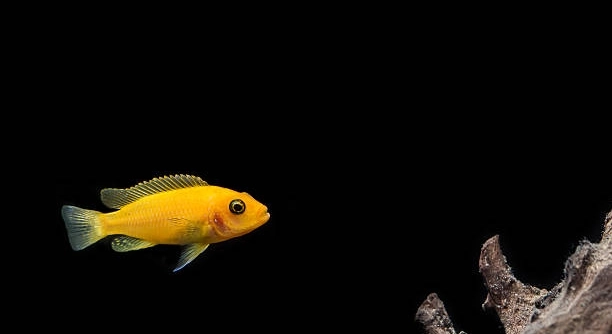
Are your electric yellow cichlids showing subtle changes in behavior or appearance lately? Observing these shifts can help you understand their overall health. Hormonal changes play a significant role in their development and daily interactions in the aquarium.
Electric yellow cichlids exhibit hormonal changes through distinct signs such as color intensification, increased aggression, changes in swimming patterns, altered appetite, fin clamping, territorial behavior, and modified breeding readiness. Recognizing these indicators allows for timely adjustments in care and environment.
Identifying these changes early ensures your cichlids remain healthy and vibrant. Following their behavioral and physical cues helps maintain a balanced, thriving aquarium environment.
Color Intensification
Electric yellow cichlids often display brighter coloration when undergoing hormonal changes. This shift can be gradual or sudden, depending on their environment and stress levels. Males tend to become more vibrant, signaling dominance or readiness to breed. Females may also show subtle deepening of their yellow tones, which can indicate spawning readiness. Monitoring their tank conditions, including light exposure and water quality, is essential for understanding these color changes. Changes in diet can also influence pigment intensity, as certain foods enhance their natural coloration. Maintaining a consistent feeding schedule with nutrient-rich flakes or pellets supports their health and appearance. Observing interactions among tank mates provides additional insight, as intensified colors often accompany heightened aggression or territorial behavior. Avoid sudden environmental changes, as these can stress the fish and affect their natural hormonal cycles. Over time, regular observation helps you distinguish between normal color variations and hormonal triggers.
Color intensification is a natural indicator of hormonal activity, reflecting both reproductive status and social hierarchy among cichlids.
Recognizing these color shifts allows you to adjust tank conditions appropriately. Brighter colors often signal breeding readiness, requiring extra space or hiding spots. Stress reduction and proper nutrition help maintain healthy pigment levels. Tracking these changes supports long-term care and overall tank harmony, ensuring your cichlids remain vibrant and active.
Aggression and Territorial Behavior
Increased aggression is a common sign of hormonal changes in electric yellow cichlids.
Hormonal fluctuations often drive cichlids to establish and defend territories more aggressively. This behavior is especially evident in males during breeding periods, as they compete for space and potential mates. Aggression can manifest as chasing, nipping, or flaring fins. Providing ample hiding places and visual barriers reduces stress among tank mates and limits conflicts. It is important to monitor interactions closely, as prolonged aggression can injure fish or disrupt the social balance. Separating overly dominant individuals temporarily may be necessary to prevent harm. Understanding their natural behaviors allows for proper tank management. Aggression can also indicate changes in hierarchy, which is a normal part of hormonal development. By maintaining stable water parameters and offering enrichment like rocks or plants, aggression can be managed without compromising their health. Consistent observation ensures any unusual patterns are addressed promptly, promoting a harmonious environment for all cichlids.
Changes in Swimming Patterns
Hormonal shifts can make electric yellow cichlids swim differently, often more erratically or purposefully.
During hormonal changes, cichlids may swim in short bursts, hover near specific areas, or patrol their territory more actively. Males tend to circle around breeding spots, while females may remain near hiding areas. Observing these patterns helps identify stress or readiness to spawn. Swimming close to the surface or hiding frequently can indicate environmental stress or hormonal imbalance. Maintaining consistent water temperature, pH, and oxygen levels reduces erratic behavior. Tank layout also impacts swimming; clear boundaries and decorations support normal movement. Monitoring these patterns allows timely adjustments to diet or tank conditions to support their health.
Swimming changes are often linked to energy levels, territorial instincts, or breeding behavior. Adjusting feeding schedules and ensuring a well-structured environment helps stabilize movement. Noticing shifts in swimming allows for early intervention before stress affects overall health.
Appetite Fluctuations
Hormonal changes can cause noticeable differences in feeding behavior among electric yellow cichlids, often increasing or decreasing appetite depending on reproductive cycles.
During periods of hormonal activity, some cichlids may eat more aggressively, especially males defending territory or preparing for breeding. Others, particularly females close to spawning, may reduce food intake as energy is redirected toward reproductive processes. Tracking feeding patterns is important for adjusting portion sizes and preventing overfeeding, which can impact water quality. Offering varied diet options, such as protein-rich pellets, frozen foods, and occasional vegetables, ensures nutritional balance. Changes in appetite can also indicate stress or illness, so observing body condition alongside eating habits is critical. Consistent monitoring allows early detection of unusual behaviors, helping maintain overall health.
Managing these appetite shifts involves balancing diet and monitoring fish closely. Providing appropriate food types and quantities supports hormonal changes while preventing aggression or malnutrition, keeping your cichlids healthy and active in their environment.
Fin Clamping
Fin clamping is a common response to hormonal changes in electric yellow cichlids. It occurs when fish hold their fins close to their body, often signaling stress or heightened hormonal activity.
This behavior can appear during aggression, territorial disputes, or environmental shifts. Monitoring water quality, tank mates, and overall stressors helps reduce fin clamping.
Breeding Readiness
Electric yellow cichlids show breeding readiness through physical and behavioral signs. Males develop brighter colors and engage in more frequent chasing or nest-building activities. Females may become rounder as eggs mature and spend more time near hiding spots. Recognizing these cues allows for proper preparation of breeding areas, ensuring a safer environment for both sexes and promoting successful spawning. Providing flat rocks or caves encourages natural breeding behavior, while maintaining clean water and stable conditions supports hormonal changes. Close observation of these signals ensures timely intervention, whether for separating aggressive individuals or monitoring egg-laying activity, supporting overall reproductive health.
Territorial Marking
Territorial marking increases during hormonal changes, especially among dominant males. They may dig, rearrange substrate, or flare fins to establish boundaries.
What causes hormonal changes in electric yellow cichlids?
Hormonal changes in electric yellow cichlids are primarily linked to growth, reproduction, and environmental factors. Males and females experience fluctuations that trigger color changes, aggression, and reproductive behaviors. Environmental conditions like water temperature, pH, and tank setup can influence the timing and intensity of these hormonal shifts. Seasonal changes in light exposure may also impact breeding cycles. Stress from overcrowding, poor diet, or incompatible tank mates can further alter hormone levels, making it important to maintain stable tank conditions. Monitoring their environment closely allows you to anticipate and manage these changes effectively.
How can I tell if my cichlid is experiencing hormonal aggression?
Hormonal aggression is most visible during breeding periods. Fish may chase, nip, or flare their fins toward tank mates. Males often claim and defend territory, while females may retreat or hide. Observation is key; repeated aggressive interactions indicate hormonal influences rather than random conflicts. Providing hiding spaces, rearranging tank décor, and separating overly dominant individuals can help reduce stress. Aggression tied to hormonal changes typically coincides with color intensification or breeding behaviors, so watching for multiple signs together helps confirm the cause. Adjusting diet and tank conditions can also reduce aggressive tendencies without interfering with natural development.
Why does my cichlid’s color suddenly brighten?
Color intensification is a natural response to hormonal shifts. Males show brighter yellow hues to assert dominance or attract mates. Females may display subtle changes when preparing to spawn. Brightening can be influenced by diet, water quality, and lighting. Foods rich in carotenoids enhance natural pigmentation, while poor water conditions may dull colors. Sudden environmental stress can also trigger temporary color changes, but sustained bright colors are usually linked to reproductive hormones. Consistent monitoring of tank conditions and fish behavior ensures that these changes are healthy rather than a sign of illness or stress.
What should I do if my cichlid’s appetite changes?
Appetite fluctuations often accompany hormonal changes. Males may eat more aggressively when defending territory or preparing to breed, while females may eat less before spawning. Tracking feeding habits helps maintain proper nutrition and prevents overfeeding, which can impact water quality. Offering a balanced diet with pellets, frozen foods, and occasional vegetables supports overall health. Sudden drops in appetite, combined with lethargy or unusual swimming, may signal stress or illness rather than normal hormonal behavior. Monitoring body condition alongside eating habits allows timely adjustments in diet and tank management.
How do I support healthy breeding behavior?
Providing appropriate breeding conditions encourages natural behaviors. Flat rocks, caves, and stable hiding spots allow fish to establish nests and feel secure. Maintaining clean water, stable temperature, and consistent pH is crucial for hormonal balance. Observing interactions helps identify pairs ready to spawn. During breeding, monitor for excessive aggression and separate individuals if necessary to prevent injury. A nutrient-rich diet supports reproductive health, ensuring both males and females are prepared. By carefully managing their environment and observing behavior, breeding can occur naturally while keeping all cichlids safe and healthy.
Are there signs that indicate hormonal stress?
Hormonal stress can appear as fin clamping, erratic swimming, hiding, or loss of appetite. Aggressive or overly submissive behavior may also indicate an imbalance. Stress is often caused by overcrowding, sudden environmental changes, or incompatible tank mates. Monitoring water quality, providing hiding spaces, and reducing sudden disruptions helps minimize stress. Recognizing early signs allows intervention before it affects health or breeding. Stress-related hormonal behavior may be temporary, but consistent patterns should prompt a review of tank setup and care routines to support well-being.
Can environmental factors influence hormone levels?
Yes, temperature, pH, lighting, and tank size directly affect hormone production. Stable conditions support normal reproductive cycles and reduce aggression. Fluctuations in water chemistry or sudden changes in lighting can trigger stress, altering color, appetite, and behavior. Overcrowding can heighten competition and increase hormone-driven aggression. Providing enrichment like plants, rocks, and hiding spots helps fish feel secure and reduces unnecessary stress. Careful monitoring of environmental conditions ensures hormonal changes occur naturally rather than being driven by stressors, supporting long-term health and social stability within the tank.
How often should I observe my cichlids for hormonal changes?
Daily observation is ideal to detect subtle shifts in behavior, color, or appetite. Monitoring interactions between tank mates, swimming patterns, and feeding habits helps identify hormonal influences early. Regular checks allow timely adjustments to diet, tank layout, or water conditions. Logging behaviors and changes over time creates a clear picture of normal versus unusual activity. Consistent observation ensures interventions are targeted, helping maintain a balanced environment that supports healthy growth, reproduction, and overall well-being.
Do hormonal changes affect all cichlids the same way?
No, variations occur depending on sex, age, and individual temperament. Males typically exhibit more vibrant colors, territorial behaviors, and aggressive tendencies. Females may show appetite changes and subtle color shifts, particularly around spawning periods. Environmental stressors can amplify or suppress hormonal responses differently for each fish. Understanding individual patterns allows tailored care, preventing unnecessary stress and ensuring both males and females develop naturally. Observation of each cichlid’s unique behavior is key to managing hormonal changes effectively while maintaining a harmonious tank environment.
Can diet influence hormonal behavior?
Diet has a strong impact on hormone-driven behaviors and physical changes. Protein-rich foods support growth and reproductive readiness. Carotenoid-rich foods enhance coloration, while balanced nutrients stabilize energy levels and appetite. Sudden changes or deficiencies in diet may trigger stress, affecting aggression, swimming, and spawning behaviors. Consistent, high-quality feeding routines support hormonal balance, improve coloration, and reduce the risk of nutritional stress. By aligning diet with natural hormonal cycles, you can encourage healthy behavior and maintain overall vitality in electric yellow cichlids.
Understanding hormonal changes in electric yellow cichlids is essential for maintaining a healthy and balanced aquarium. These changes affect their behavior, appearance, and overall well-being. Recognizing signs like color intensification, fin clamping, altered swimming patterns, and aggression helps you respond appropriately. Hormonal shifts are natural, especially during breeding periods, and they play a key role in fish development and social interactions. By observing these behaviors closely, you can distinguish between normal hormonal activity and signs of stress or illness. Maintaining a stable environment with proper water quality, temperature, and tank layout is critical to supporting their health during these periods. Providing hiding spots, rocks, and visual barriers reduces stress and allows cichlids to express their natural behaviors without conflict. Over time, careful observation becomes a reliable way to understand each fish’s individual patterns and needs.
Diet also plays a major role in supporting healthy hormonal changes. Protein-rich foods help with reproductive readiness, while carotenoid-rich foods enhance natural coloration, making hormonal changes easier to observe. Sudden shifts in appetite, whether increased or decreased, often correspond with reproductive cycles or territorial behavior. Monitoring feeding habits and adjusting portions ensures that fish maintain proper nutrition while avoiding overfeeding, which can affect water quality. A consistent feeding schedule, combined with a varied diet, helps maintain energy levels and supports overall health. Paying attention to dietary needs alongside behavioral changes provides a more complete picture of each cichlid’s condition. Nutritional support is particularly important for breeding readiness, as it ensures both males and females have the energy required for spawning and territorial activities.
Finally, consistent observation and careful management are the keys to successfully maintaining electric yellow cichlids. Hormonal changes are a natural part of their life cycle, but they can also indicate stress or environmental issues if not monitored properly. Tracking behavior, color, appetite, and interactions over time allows you to respond to problems early and create a harmonious tank environment. Adjusting tank conditions, providing appropriate hiding spaces, and supporting proper nutrition all contribute to reducing stress and encouraging natural behaviors. Understanding these signs allows you to provide better care, maintain healthy social dynamics, and support successful breeding when desired. Paying attention to each fish’s unique personality and hormonal responses ensures a thriving aquarium where electric yellow cichlids can remain vibrant, active, and healthy.

Hello,
If you enjoy the content that we create, please consider saying a "Thank You!" by leaving a tip.
Every little bit helps us continue crafting quality advice that supports the health, happiness, and well-being of pets around the world, for pets of all shapes, sizes, and species.
We really appreciate the kindness and support that you show us!