
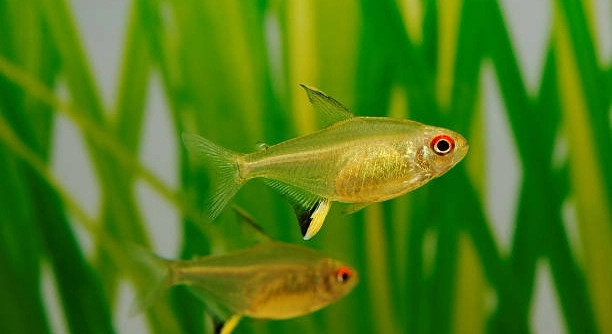
Have you ever rearranged your aquarium and noticed your lemon tetras acting differently? These small, vibrant fish are sensitive to changes in their environment, and even minor adjustments can influence their behavior and swimming patterns.
Lemon tetras generally respond to new decorations with caution and curiosity. They may initially hide or stay close to familiar areas, gradually exploring the changes once they feel secure, reflecting natural instincts for safety and territorial awareness.
Observing their gradual adjustment can give insight into their comfort and social interactions in the tank.
How Lemon Tetras Explore New Decorations
When new decorations are added to an aquarium, lemon tetras tend to react slowly at first. They often hover near familiar spots, keeping a careful distance from the new objects. This cautious behavior is natural and helps them avoid potential threats. Over time, they begin to swim closer, investigating textures, shapes, and spaces. Some tetras may nibble gently at plants or ornaments, testing for safety. Their reactions can vary depending on the size of the tank and the number of hiding spots. If decorations create narrow areas, tetras might feel trapped or stressed. Smooth, open designs with some cover usually encourage exploration without causing anxiety. Observing their patterns can reveal preferences and comfort levels, making it easier to create a harmonious environment. They respond positively when gradual changes are made rather than sudden, dramatic shifts. Paying attention to subtle signs, like hesitant glances or repeated circling, can help you understand how they adjust.
They often take hours or days before fully inspecting each new item, showing a clear preference for slow exploration.
Gradual introduction of decorations tends to reduce stress. If multiple ornaments are placed at once, tetras may remain hidden longer or avoid certain areas entirely. Rearranging familiar items slightly rather than introducing completely new shapes can help them adjust faster. Watching their behavior during feeding and swimming gives clues about their comfort. Some tetras may even establish new routes or favorite resting spots around the decorations. Changes that offer shelter or mimic natural environments usually encourage more confident exploration. Over time, the tank becomes more interactive, with the fish using decorations as landmarks. Their curiosity balances with caution, creating a dynamic yet calm setting.
Signs of Comfort or Stress
Lemon tetras show subtle signs when they feel uneasy around new decorations.
Stressed fish might stay at the bottom, hide excessively, or swim erratically. Signs of comfort include regular swimming, social interaction with the group, and exploring new areas without hesitation. Over time, these behaviors indicate they have adapted well to the changes.
Watching their response closely is essential for maintaining a healthy tank. Some tetras may only investigate during feeding, while others explore continuously. Introducing decorations gradually ensures they have time to adjust and reduces sudden stress. Placement matters—items that block light or create too much shade can cause hesitation, while open structures encourage natural movement. Noticing interactions between tetras and their surroundings also reveals social comfort; if one tetra is exploring while others follow, it suggests trust and curiosity. Avoid overcrowding decorations, as this can create territorial conflicts or limit swimming space. Frequent observation allows adjustments, like moving or removing objects, to support their well-being. Understanding these behaviors ensures your lemon tetras remain active, balanced, and stress-free in a thoughtfully arranged aquarium.
Adjusting to New Spaces
Lemon tetras often need a few days to get used to rearranged areas. They may swim cautiously around new decorations, testing spaces and routes, gradually becoming more confident as they recognize safe spots and familiar landmarks within the tank.
Some tetras explore immediately, but most proceed slowly. They may circle around a new plant or ornament, checking for shelter or hiding possibilities. Open spaces with gentle lighting encourage movement, while tight or dark areas can make them hesitant. Watching their patterns helps you understand which parts of the tank they prefer. Over time, they create new swimming paths and resting spots around these additions, balancing curiosity and caution naturally. Their behavior reflects instincts for both exploration and safety.
Gradual changes make adaptation smoother. Introducing one item at a time allows tetras to inspect and accept it without feeling overwhelmed. Adjusting placement slightly over several days can encourage confident swimming, reducing stress and fostering a more natural interaction with the aquarium environment. Observing their reactions provides insight into how they use space, rest, and interact socially, helping maintain a calm and active tank ecosystem.
Social Behavior Around Decorations
New decorations often influence group dynamics and social interactions.
Lemon tetras may cluster near familiar areas initially, with bolder individuals venturing toward new items first. The others observe, following once they feel secure. This pattern shows natural social hierarchy and cautious adaptation.
Decorations can create temporary territories or focal points in the tank. Some tetras claim spaces near plants or ornaments as resting spots, while others maintain open routes for swimming. This subtle division encourages exploration without conflict, as long as the tank is not overcrowded. Changes can also affect feeding patterns, with fish sometimes hesitating near new objects until confident. Observing interactions helps identify which fish lead and which follow, ensuring the group remains balanced. Over time, decorations become part of their daily routine, contributing to both social structure and environmental enrichment, allowing lemon tetras to exhibit natural, healthy behavior.
Reaction to Plants
Lemon tetras often approach new plants slowly, hovering nearby before exploring. They may nibble gently or swim around the base, using the foliage as a temporary hiding spot while assessing safety.
Some tetras quickly integrate plants into their routes, while others stay cautious. Dense leaves provide comfort, making them feel secure, and can encourage gradual exploration of nearby decorations.
Interaction with Rocks and Ornaments
Rocks and ornaments become points of interest or shelter. Tetras may circle around them, hiding underneath or between gaps, testing the space. Smooth surfaces reduce stress, while sharp edges can create hesitation. Over time, familiar objects become landmarks, helping fish navigate confidently and maintain natural swimming patterns throughout the tank.
Feeding Near New Decorations
Fish may initially avoid feeding near new items. Gradual exposure encourages them to eat comfortably, associating the area with safety and routine.
FAQ
How long does it take for lemon tetras to get used to new decorations?
Adjustment time varies depending on the individual fish and the tank setup. Generally, it can take a few hours to several days for lemon tetras to feel comfortable. Bolder individuals may explore immediately, while more cautious fish often hover near familiar areas first. Gradual introduction of decorations helps reduce stress and encourages confident exploration. Monitoring their behavior during this period is essential to ensure that they are not hiding excessively or showing signs of stress. Smooth, open spaces and gentle lighting usually support a quicker adaptation.
Will lemon tetras hide more when decorations are added?
Yes, hiding is a common initial reaction. New objects can feel like potential threats, so tetras instinctively stay near familiar spots or behind plants. Hiding behavior usually decreases over time as they recognize that the additions are safe. Providing multiple hiding spots and gradual rearrangement can minimize stress. Some tetras remain cautious longer, and it’s normal for them to take extra time before fully exploring the tank. Observing their movement patterns helps you understand when they feel secure and when adjustments may be needed.
Do all lemon tetras react the same way to changes?
No, individual personalities matter. Some fish are naturally curious and approach new decorations immediately, while others are more reserved. Group dynamics also play a role; bolder fish often lead exploration, and others follow once they feel confident. Recognizing these differences allows you to create a supportive environment where all fish can adjust comfortably without feeling pressured. Gradual introductions and careful observation help ensure that even the shyest individuals eventually engage with the tank’s new elements.
Can decorations affect their social behavior?
Yes, new decorations can influence group dynamics. Some tetras may claim spaces near plants or ornaments as temporary territories, while others maintain open swimming routes. These interactions are generally subtle and balanced if the tank is not overcrowded. Decorations can also provide focal points for group swimming and resting, helping to structure their environment naturally. Observing how they interact with new objects gives insight into their social hierarchy and comfort levels. Over time, familiar decorations contribute to a calm, stable social environment, supporting natural behaviors.
Should I remove decorations if my tetras seem stressed?
Only if stress persists for several days. Temporary hiding is normal, but prolonged avoidance, erratic swimming, or refusal to eat may indicate that the arrangement is too overwhelming. Try rearranging items or introducing them more gradually rather than removing everything at once. Smooth surfaces, open areas, and gradual placement usually encourage exploration without causing prolonged anxiety. Tracking changes in their behavior after adjustments helps determine whether the tank setup is suitable.
Do lemon tetras interact with all types of decorations the same way?
No, material and shape matter. Smooth rocks, soft plants, and open ornaments are typically explored quickly, while sharp, narrow, or overly dense objects may cause hesitation. Natural-looking plants and structures often encourage confidence, while plastic or overly bright items may initially be ignored. Observing their approach and interaction patterns helps you identify which decorations are most compatible with their preferences. Over time, familiar items become part of their routine, providing landmarks and shelter while supporting natural swimming and social behaviors.
How can I encourage my tetras to explore new decorations?
Introduce one item at a time, ensuring there is enough open space for comfortable swimming. Gradual rearrangement, gentle lighting, and creating multiple small hiding spots can encourage exploration. Offering food near new objects can associate them with safety and routine. Positive reinforcement through repeated exposure helps tetras feel secure and gradually integrate new decorations into their daily activities. Patience is key, as forcing interaction can increase stress and lead to avoidance behaviors.
Will adding decorations improve their overall tank experience?
Yes, thoughtful decoration enhances comfort, reduces stress, and provides stimulation. Hiding spots, plants, and smooth ornaments support natural behaviors like exploration, resting, and social interaction. Well-placed decorations help fish establish swimming routes, create focal points, and improve engagement with their environment. A balanced approach with gradual additions ensures that tetras benefit without experiencing prolonged stress or territorial conflicts. Monitoring reactions and making adjustments as needed helps maintain a healthy, active, and harmonious aquarium environment.
Can over-decorating harm lemon tetras?
Yes, overcrowding can limit swimming space, create territorial disputes, and increase stress. Too many objects may block light, reduce visibility, or restrict natural movement. Prioritizing a few well-placed items and maintaining open areas encourages natural behaviors while providing shelter. Observing how fish use decorations helps determine whether the setup is beneficial or excessive. Balanced decoration ensures that tetras remain active, healthy, and confident in their environment without feeling trapped or stressed.
Lemon tetras are small, lively fish that respond to their environment in ways that are easy to observe if you pay attention. When new decorations are added to the tank, they usually react with caution. Some fish may hide at first, staying close to familiar areas, while others begin exploring right away. This behavior is completely normal and reflects their natural instincts for safety and curiosity. Gradually, they learn that the new items are not threatening, and they incorporate them into their swimming routes and resting areas. Watching how your tetras interact with plants, rocks, or ornaments can give you a good idea of their comfort level and help you make adjustments if needed. Every fish has its own personality, so reactions will vary even within the same group.
Providing the right type of decorations can have a positive impact on their overall behavior. Smooth ornaments, natural plants, and open spaces usually encourage exploration, while sharp or overly dense objects may cause hesitation or stress. Hiding spots are important because they offer a sense of security, but too many items can limit movement and make the tank feel crowded. Observing their swimming patterns and how they interact with each other can tell you a lot about their comfort and social dynamics. Gradual changes are the most effective way to help lemon tetras adjust without causing unnecessary stress. Adding one decoration at a time and spacing them out gives the fish time to adapt. Over time, these items become familiar landmarks in the tank, supporting both natural behaviors and social interactions.
Maintaining a balanced and thoughtful aquarium setup ensures that lemon tetras remain healthy and active. Changes in decorations can influence their feeding, resting, and social habits, so paying attention to subtle behavioral cues is important. By choosing suitable decorations and introducing them carefully, you create an environment that encourages curiosity and confidence while minimizing stress. Observing their reactions over time allows you to adjust placement or remove items that cause prolonged avoidance. Ultimately, a well-organized tank with a mix of open swimming areas and safe hiding spots supports their natural instincts and helps them thrive. Careful attention to their behavior not only keeps the tetras comfortable but also enhances your enjoyment as you watch them explore and interact with their surroundings, making the aquarium a dynamic and harmonious space.

Hello,
If you enjoy the content that we create, please consider saying a "Thank You!" by leaving a tip.
Every little bit helps us continue crafting quality advice that supports the health, happiness, and well-being of pets around the world, for pets of all shapes, sizes, and species.
We really appreciate the kindness and support that you show us!