
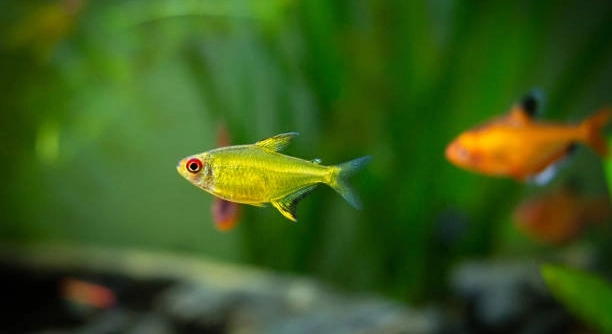
Lemon tetras are small, vibrant fish that brighten any aquarium. They are sensitive creatures, reacting to changes in their environment. Loud vibrations in particular can affect their behavior, swimming patterns, and overall sense of security.
When exposed to loud vibrations, lemon tetras typically exhibit startled reactions, including rapid swimming, sudden darting, and hiding among plants. These responses are instinctive survival behaviors triggered by perceived threats, reflecting their sensitivity to environmental disturbances.
Observing their reactions can reveal much about their comfort levels. Understanding these behaviors helps maintain a peaceful and healthy aquarium environment for your fish.
Understanding Lemon Tetra Sensitivity
Lemon tetras are naturally alert fish that respond quickly to changes in their surroundings. Loud vibrations, such as tapping on the glass or heavy footsteps near the tank, can startle them. These vibrations create sudden water movement, which lemon tetras perceive as potential threats. They often swim erratically, cluster together, or hide among plants and decorations. Even small disturbances can trigger noticeable reactions, showing how sensitive they are to their environment. Maintaining a calm and stable tank helps them feel secure. Over time, repeated loud vibrations may cause stress, affecting their appetite and overall health. A quiet area for the tank and avoiding sudden movements around it can significantly reduce stress levels. Observing these subtle signs helps in understanding their behavior better. It also allows you to adjust their environment to promote a relaxed, healthy, and thriving aquarium space.
Careful placement of the tank can minimize disturbances. Quiet surroundings help lemon tetras remain calm and active.
Stress from vibrations can weaken immunity. Consistently loud environments may affect growth and social interactions. Paying attention to their reactions ensures they remain healthy.
How to Minimize Loud Vibrations
Placing the tank on a sturdy surface prevents external movements from reaching the water.
Limiting exposure to noise is crucial. Using soft padding under the tank, keeping it away from doors or high-traffic areas, and gently handling maintenance tasks reduce sudden water movement. Regularly checking for vibrating equipment, such as filters or pumps, ensures the tank remains stable. These precautions help maintain a consistent environment where lemon tetras can swim freely and exhibit natural behaviors. Stress reduction improves feeding habits and overall health. Creating a calm tank environment also encourages social interaction and displays of natural coloration. Even small changes, like placing a mat under the tank or positioning it in a quieter corner, can make a significant difference. Monitoring their responses over time allows adjustments to minimize stress. A peaceful setting supports not only lemon tetras but also any tank mates, creating harmony in the aquarium. Consistency is key to long-term wellbeing and vitality of your fish.
Recognizing Stress Behaviors
Lemon tetras show stress through erratic swimming, hiding, or clinging to plants. They may lose appetite or appear less colorful. These behaviors signal that their environment is too loud or unstable, and adjustments are needed to maintain their health.
Stress can also lead to more serious problems. Constant exposure to vibrations weakens their immune system, making them prone to disease. You might notice lethargy or changes in breathing patterns. Social interactions can be affected as well; stressed tetras may avoid their group or become aggressive. Addressing these issues early helps prevent long-term health problems and supports a peaceful tank environment for all inhabitants.
Observing their behavior regularly is key. By noting changes in swimming patterns, feeding habits, or hiding tendencies, you can respond quickly. Small adjustments, like moving the tank or reducing sudden noise, often restore their calm. Over time, this consistent attention fosters a stable environment where lemon tetras thrive, swim naturally, and display their vibrant colors.
Maintaining a Calm Aquarium
Proper tank placement reduces stress from external vibrations. Avoid high-traffic areas or surfaces that transmit sound easily.
In addition to placement, several strategies help maintain a calm aquarium. Adding live plants or decorations provides hiding spots that give tetras a sense of security. Using a quiet filter and checking for vibrating equipment prevents constant disturbances. Regular routines for feeding and maintenance create predictability, further reducing stress. Monitoring water quality and temperature ensures a stable environment, supporting their health and behavior. Over time, these combined efforts allow lemon tetras to swim confidently, interact socially, and maintain vibrant coloration, showing that a calm, consistent environment directly improves their well-being.
Common Triggers in the Home
Household activities like vacuuming, loud music, or footsteps near the tank create vibrations that lemon tetras notice immediately. Even small knocks on the glass can startle them, disrupting their swimming and causing stress responses.
Sudden movements or objects touching the tank surface also trigger reactions. Items falling near the aquarium or closing doors abruptly can create vibrations that disturb the fish. Minimizing these disturbances helps keep tetras calm and reduces stress-related health issues.
Monitoring Responses
Keeping a close eye on behavior reveals how lemon tetras react to vibrations. Sudden darting, hiding, or clustering indicates stress, while normal swimming patterns show comfort. Tracking these responses allows you to adjust the environment and reduce exposure to stressful stimuli.
Creating Safe Spaces
Adding plants, rocks, or hiding spots helps tetras feel secure. These safe areas let them escape vibrations and maintain natural behaviors without constant stress.
FAQ
How do lemon tetras react immediately to loud vibrations?
Lemon tetras often show sudden, sharp movements when exposed to loud vibrations. They may dart to the bottom of the tank, swim rapidly in circles, or cluster tightly together. These immediate reactions are instinctive, meant to protect them from perceived threats. Hiding among plants or decorations is common.
Can repeated vibrations affect their long-term health?
Yes, frequent exposure to vibrations can lead to chronic stress. Stress lowers immunity, making lemon tetras more prone to infections and disease. Over time, they may show signs like loss of appetite, faded coloration, and reduced activity. Maintaining a calm environment is essential for their long-term wellbeing.
Are lemon tetras more sensitive than other fish?
Lemon tetras are generally more sensitive to environmental changes compared to larger, hardier species. Their small size and natural alertness make them react quickly to disturbances. While some fish may adapt to occasional noise, lemon tetras thrive best in consistently stable conditions.
What are the signs that a lemon tetra is stressed from vibrations?
Stress signs include erratic swimming, frequent hiding, clinging to plants, and reduced interaction with the group. Loss of appetite and paler coloration are also indicators. Noticing these behaviors early allows you to make adjustments and reduce the intensity or frequency of vibrations.
How can I reduce vibrations around my tank?
Placing the tank on a stable surface with padding helps absorb shocks. Avoid areas with heavy foot traffic or loud household appliances nearby. Routine maintenance should be done gently, and equipment like filters and pumps should be checked for unnecessary vibrations. Small changes make a noticeable difference.
Do vibrations affect feeding habits?
Yes, stressed lemon tetras may refuse food or eat less when vibrations are frequent. They prioritize hiding or staying still over feeding. Reducing disturbances during feeding time encourages normal eating behaviors and helps maintain proper nutrition and energy levels.
Can decorations help mitigate stress from vibrations?
Absolutely. Plants, rocks, and other decorations offer hiding spots where tetras can retreat when startled. Dense planting or vertical decorations create secure areas, allowing fish to feel safe while still swimming freely. Over time, these spaces reduce overall stress and support natural behavior patterns.
Should I move the tank if vibrations are unavoidable?
If vibrations are frequent and unavoidable, relocating the tank to a quieter area can help. Consider a low-traffic corner or a room with less appliance activity. The tank should remain on a flat, stable surface to minimize water movement caused by external disturbances.
How long does it take for lemon tetras to calm down after a disturbance?
Recovery time depends on the intensity of the vibration and the individual fish. Mild disturbances may see tetras return to normal behavior within minutes, while repeated or strong vibrations can take hours for them to resume regular swimming and feeding. Consistency in a quiet environment improves recovery.
Are there any signs that indicate permanent stress damage?
Long-term stress can cause persistent lethargy, stunted growth, or ongoing paleness in coloration. These signs indicate the fish have been exposed to prolonged disturbances and may require environmental adjustments and careful monitoring to prevent further health decline.
Can tankmates influence how lemon tetras react to vibrations?
Yes, the behavior of tankmates can amplify or reduce stress responses. Calm, stable fish may help tetras feel secure, while aggressive or highly reactive species can increase anxiety. Choosing compatible tankmates and providing adequate space helps maintain a balanced, less stressful environment.
Does water quality affect sensitivity to vibrations?
Poor water quality can increase sensitivity to vibrations. Fish under stress from high nitrate, low oxygen, or fluctuating temperatures react more strongly to disturbances. Maintaining stable water conditions supports resilience and reduces exaggerated responses to environmental changes.
How can I create a predictable environment for lemon tetras?
Consistent feeding times, gentle handling, and stable lighting cycles contribute to predictability. Limiting sudden changes in temperature or equipment noise allows tetras to anticipate their surroundings, reducing anxiety and creating a calmer, healthier habitat.
Can vibrations affect breeding behavior?
Yes, frequent vibrations can disrupt mating and egg-laying. Stressed lemon tetras may avoid spawning or neglect eggs. Providing a quiet, stable area with hiding spots is essential for successful breeding and healthy offspring.
What is the best way to monitor lemon tetra stress?
Regular observation is key. Note changes in swimming patterns, feeding habits, social interactions, and coloration. Keeping a simple log of behavior alongside any disturbances helps identify patterns and make timely adjustments to minimize stress.
Do vibrations impact juvenile lemon tetras differently?
Younger fish are often more sensitive because they are smaller and less experienced in coping with environmental changes. Stress from vibrations can stunt growth and reduce survival rates if not addressed promptly. Extra care is needed for tanks with juveniles.
Can vibrations ever be beneficial?
Occasional, mild vibrations may encourage alertness and natural movement. However, consistent or intense vibrations are almost always harmful. The goal is a balance that supports normal behavior without causing stress or health issues.
How do I know if my measures to reduce vibrations are working?
Improved behavior indicates success. Lemon tetras swimming calmly, eating normally, and interacting with their group are signs the environment is less stressful. Observing over several days ensures the measures are effective and sustainable.
Is it necessary to replace equipment that causes vibrations?
If a filter, pump, or other equipment produces constant vibrations that can’t be minimized, replacing it with quieter alternatives is recommended. Modern low-vibration devices maintain water quality while reducing stress, supporting the long-term health of lemon tetras.
Are lemon tetras sensitive to all types of vibrations?
They are more sensitive to sudden, sharp vibrations than gentle or consistent movements. Household noise, tapping on the tank, or moving heavy objects nearby creates stronger reactions than mild water currents or subtle equipment vibrations.
Can I train lemon tetras to ignore minor vibrations?
While fish can become somewhat accustomed to repeated, harmless movements, they will never fully ignore sharp or loud disturbances. Reducing exposure is more effective than attempting to train them to tolerate stressful vibrations.
Does tank size influence their reaction to vibrations?
Larger tanks may allow fish more space to escape disturbances, reducing the intensity of stress reactions. Smaller tanks confine movement, making them more vulnerable to sudden vibrations. Adequate space contributes to calmer behavior and overall health.
How often should I check for vibration sources?
Regular checks, ideally weekly, help identify new or persistent sources of vibrations. Inspect equipment, tank placement, and surroundings to ensure minimal disturbances and maintain a stable, comfortable environment for lemon tetras.
Can seasonal changes increase vibration sensitivity?
Yes, seasonal changes in temperature, household activity, or structural vibrations can temporarily increase sensitivity. Monitoring fish closely during these times and adjusting the environment helps reduce stress and maintain normal behavior patterns.
How important is tank decor for stress reduction?
Tank decor is very important. Plants, rocks, and hiding spots allow fish to feel secure, providing refuge from vibrations. Adequate decor encourages natural behaviors, reduces anxiety, and improves overall tank harmony.
Should I use a vibration-absorbing mat under the tank?
Using a mat can significantly reduce vibrations transmitted from floors or surfaces. It provides cushioning, absorbs minor shocks, and creates a more stable environment, helping lemon tetras remain calm and exhibit normal behaviors consistently.
What should I do if fish remain stressed despite precautions?
Persistent stress may require reevaluating tank placement, equipment, and surroundings. Consulting with an aquatic specialist or veterinarian can provide solutions. Immediate steps include removing stressors, adding hiding spots, and maintaining excellent water quality to support recovery.
Can multiple fish reacting to vibrations stress each other further?
Yes, stress can be contagious in aquariums. When one fish reacts strongly, it may trigger a chain reaction. Minimizing external disturbances and providing sufficient hiding spaces for all fish helps prevent escalation.
Do lemon tetras ever fully recover from long-term vibration stress?
With proper adjustments, many can recover fully, regaining appetite, coloration, and natural behavior. Early intervention is crucial. Prolonged stress without corrective measures may lead to lasting health issues or reduced lifespan.
How does lighting affect vibration sensitivity?
Bright or flickering lights can increase stress responses to vibrations. Consistent, moderate lighting reduces overall anxiety and helps fish cope better with environmental changes.
Is monitoring behavior more important than monitoring noise levels?
Yes, observing fish behavior directly reflects their stress levels. Noise and vibrations matter, but behavioral signs indicate the actual impact on lemon tetras, guiding adjustments more effectively.
Can vibrations interfere with social behavior?
Yes, stressed fish may avoid group interactions, swim separately, or show aggression. Reducing vibrations supports natural schooling behavior and social harmony among lemon tetras.
Are some lemon tetras naturally more sensitive than others?
Individual temperament varies. Some are calmer and tolerate minor disturbances better, while others react strongly to the same vibrations. Recognizing personality differences helps tailor care and environment adjustments.
Does tank location near appliances increase risk?
Yes, placing tanks near washing machines, heaters, or speakers can create repeated vibrations. Even low-level, consistent movement affects sensitive tetras. Choosing a quiet, stable location reduces unnecessary stress.
How can I track improvement over time?
Keep a log of behavior, feeding, and coloration alongside any environmental changes. Tracking patterns helps assess the effectiveness of interventions and ensures long-term wellbeing for lemon tetras.
Are lemon tetras sensitive to human activity outside the tank?
Yes, sudden movements or noise near the aquarium can startle them. Even routine household activities, if close to the tank, may trigger stress responses. Being mindful of proximity reduces disturbances and helps maintain calm behavior.
Can vibrations affect other tank species differently?
Yes, sensitivity varies. Hardier species may tolerate disturbances better, while delicate species like lemon tetras are more reactive. Understanding the needs of all tank inhabitants helps create a balanced environment.
Should I combine multiple stress-reducing strategies?
Combining strategies—tank placement, equipment checks, hiding spots, and stable routines—is most effective. Single measures help, but a comprehensive approach ensures minimal stress and better overall health.
Do lemon tetras show signs of relief when vibrations stop?
Yes, once disturbances cease, they gradually resume normal swimming, feeding, and social behavior. Observing these changes confirms that environmental adjustments are effective and that the fish feel safer.
Can vibrations cause physical injuries?
Severe, sudden vibrations may cause collisions with decorations or the tank glass. Minor vibrations rarely cause injury but can still trigger stress, which indirectly affects health. Monitoring movement and providing sufficient space helps prevent accidents.
Is it normal for some fish to hide for extended periods after vibrations?
Yes, hiding is a natural response to perceived threats. Most return to normal activity once the environment stabilizes. Providing adequate cover ensures they feel secure while recovering from stress.
Do tetras ever become desensitized to repeated vibrations?
They may become somewhat accustomed to minor, predictable vibrations, but sudden or strong disturbances will still trigger stress responses. Minimizing loud or abrupt vibrations is always necessary for their wellbeing.
Can adding background noise help reduce sensitivity?
Soft, consistent background noise can sometimes mask sudden disturbances, but it does not replace the need for stable tank placement and minimal vibrations. Consistency is more important than masking noise.
Are lemon tetras more sensitive during certain times of day?
Yes, they may be more reactive during feeding or light changes. Maintaining predictable routines and minimizing disturbances during active periods helps reduce stress and supports natural behavior.
How does tank depth influence reaction to vibrations?
Deeper tanks may dampen minor surface vibrations, while shallower tanks transmit them more directly. Adjusting tank depth or placement on a stable surface can help minimize stress from environmental disturbances.
Is stress from vibrations reversible?
Most stress effects are reversible with proper intervention. Calm surroundings, adequate hiding spots, and consistent care allow lemon tetras to recover their natural behavior, appetite, and coloration over time.
How important is tank stability compared to water parameters?
Both are crucial. Stable water parameters maintain health, while tank stability minimizes stress responses. Together, they create a supportive environment where lemon tetras can thrive and exhibit natural behaviors.
Can vibrations impact nocturnal behavior?
Yes, vibrations during rest periods disrupt sleep-like states, causing activity during nighttime. Minimizing disturbances at all times ensures consistent behavior and reduces cumulative stress.
Should I observe fish more after moving the tank?
Yes, relocation introduces new vibrations and environmental changes. Monitoring behavior for signs of stress ensures timely adjustments and supports a smooth transition.
Do lemon tetras react to vibrations from outside the home?
Yes, nearby construction, traffic, or loud outdoor activity can create vibrations the tank transmits. Awareness of external factors helps in positioning the aquarium and adding buffering measures.
Can vibrations affect their lifespan?
Chronic stress from repeated vibrations may shorten lifespan by impacting immunity, feeding, and overall health. Maintaining a calm, stable environment is essential for longevity and vitality.
How often should I evaluate tank setup for vibrations?
Periodic evaluation, especially after adding equipment or moving the tank, helps identify new vibration sources. Regular checks ensure ongoing stability and minimal stress for lemon tetras.
Are there signs that hiding spots are insufficient?
If fish hide excessively or show aggression despite available cover, it may indicate inadequate or poorly placed hiding spaces. Adding more or repositioning decor can improve security.
Can vibrations affect coloration long-term?
Yes, chronic stress may cause faded or dull colors. Stable conditions and minimized disturbances help restore and maintain vibrant coloration over time.
Is it better to have fewer fish to reduce stress from vibrations?
A smaller group in a spacious tank can experience less stress. Overcrowding amplifies reactions to disturbances and reduces available hiding spots, increasing anxiety and aggressive behaviors.
Can I use water dampening techniques to reduce vibration impact?
Adding substrates, thicker decorations, or padding under equipment can help absorb vibrations. These measures reduce the intensity of water movement and support calmer behavior in lemon tetras.
How important is routine observation for long-term stress management?
Consistent monitoring is essential. Observing swimming patterns, feeding, and social behavior allows early detection of stress, helping prevent long-term health issues and ensuring a comfortable environment.
Can vibrations affect juvenile and adult tetras differently?
Juveniles are more vulnerable due to smaller size and less developed coping mechanisms. Adults may handle minor disturbances better but still require a stable environment to maintain health and behavior.
Does the type of substrate influence vibration sensitivity?
Yes, soft substrates like sand absorb vibrations better than hard gravel. Choosing an appropriate substrate helps minimize transmitted vibrations and reduces stress.
Can equipment maintenance inadvertently cause stress?
Yes, cleaning or adjusting equipment abruptly can create sudden vibrations. Gentle handling and planning maintenance during calm periods reduce stress and protect fish wellbeing.
Do lemon tetras have any natural behaviors to cope with vibrations?
They instinctively hide, school tightly, or reduce movement. While these behaviors help temporarily, consistent stress requires environmental adjustments to prevent health impacts.
Is it necessary to separate highly stressed fish?
Separation is rarely required unless aggression or severe stress occurs. Providing adequate hiding spots and a calm environment is usually sufficient to restore normal behavior.
Can frequent water changes reduce vibration sensitivity?
Water changes alone do not reduce sensitivity but maintaining stable water parameters supports overall health, making tetras more resilient to minor disturbances.
How can I track the effectiveness of hiding spots?
Observe how often fish use them during disturbances. If hiding reduces erratic swimming and promotes calm, the spots are effective. Adjust quantity or placement as needed.
Do vibrations affect all lemon tetras equally?
Individual reactions vary. Some tolerate mild disturbances well, while others respond strongly. Understanding personality differences allows tailored care for each fish.
Are there any tools to measure vibration levels?
Devices like vibration meters or smartphone apps can detect environmental vibrations. Using these tools helps identify sources and assess the effectiveness of mitigation strategies.
Can lighting adjustments complement vibration reduction?
Yes, stable and moderate lighting reduces overall stress, complementing vibration management. Consistency supports natural behavior and minimizes exaggerated responses to disturbances.
Does tank shape influence vibration effects?
Rectangular or deeper tanks may transmit vibrations differently than shallow or oddly shaped tanks. Understanding how tank design affects water movement can guide placement and equipment choices.
Are there seasonal precautions for vibrations?
Yes, during winter heating, summer fans, or stormy weather, vibrations may increase. Being proactive during these times helps maintain a stable environment and reduces stress for lemon tetras.
Can vibrations interfere with schooling behavior?
Yes, startled fish may scatter, breaking up the group. Consistent calm conditions support natural schooling patterns and overall social harmony.
Should I adjust feeding times around vibration activity?
Yes, feeding during quieter periods encourages normal appetite and reduces stress-induced refusal to eat. Predictable schedules help maintain health and energy levels.
Can vibrations cause abnormal swimming patterns permanently?
If stress is chronic and severe, abnormal patterns may persist. Early mitigation and environmental adjustments help prevent long-term behavioral changes.
Do lemon tetras react to vibrations from tapping on glass?
Yes, even light taps cause sudden movements or hiding. Avoid tapping or knocking to maintain calm behavior and reduce stress.
Can vibrations trigger aggression among tetras?
Stress from vibrations may increase aggression or territorial behavior, especially in confined spaces. Adequate hiding spots and tank size reduce conflict.
Is it necessary to monitor tank equipment regularly for vibrations?
Yes, regular checks ensure filters, pumps, and heaters do not produce disruptive vibrations, maintaining a stable environment for lemon tetras.
Do lemon tetras recover faster in planted tanks?
Yes, plants offer hiding spots and buffer water movement, allowing faster recovery from disturbances and providing a sense of security.
Can external vibrations mask natural sounds in the tank?
Yes, vibrations may interfere with sensory cues, affecting behavior and stress perception. Minimizing disturbances helps maintain natural environmental feedback.
Are stress responses stronger in smaller tanks?
Yes, limited space amplifies reactions to vibrations, leaving fish with fewer escape options. Adequate tank size reduces stress and supports natural behavior.
Does tank lid stability affect vibration transmission?
A loose or unstable lid can transmit additional vibrations. Ensuring a secure lid reduces movement and contributes to overall tank stability.
Can vibrations affect nocturnal resting patterns?
Yes, disturbances at night interrupt rest, causing increased activity and stress. Minimizing vibrations around resting periods supports normal behavior.
Should I adjust tank setup after noticing repeated stress?
Yes, evaluating placement, equipment, and decor helps address sources of stress. Adjustments reduce vibration impact and promote calmer behavior.
Do lemon tetras ever ignore minor vibrations?
They may tolerate gentle, predictable vibrations, but sudden or strong disturbances still trigger stress. Minimizing major sources is always necessary.
Can vibrations interfere with oxygen levels?
Indirectly, constant movement can increase surface agitation or disrupt filter efficiency. Maintaining stable equipment reduces secondary impacts on water quality.
Are some tank locations better for vibration reduction?
Yes, low-traffic areas with stable
Final Thoughts
Lemon tetras are delicate and sensitive fish that rely heavily on a stable environment to thrive. Loud vibrations, whether from household activities, nearby appliances, or equipment in the tank, can trigger stress responses that affect their behavior, appetite, and overall health. Observing these fish closely allows you to notice small changes in swimming patterns, coloration, and feeding habits. Even subtle signs, like slightly erratic swimming or temporary hiding, can indicate that vibrations are impacting their sense of security. Being attentive to these cues helps ensure that adjustments can be made quickly, preventing prolonged stress and maintaining a peaceful aquarium environment. Understanding how sensitive lemon tetras are to external disturbances allows for better planning and placement of the tank, ultimately creating a safer and calmer home for the fish.
Maintaining a quiet and stable environment is key to their well-being. Placing the tank in a low-traffic area, using padding or mats to absorb vibrations, and minimizing sudden movements near the aquarium all contribute to reducing stress. Equipment should be checked regularly to ensure it is not producing unnecessary vibrations, and gentle handling during maintenance can prevent abrupt water movement. Adding plants, rocks, and other hiding spots gives lemon tetras safe areas to retreat to when they feel threatened. These environmental adjustments not only help manage stress but also encourage natural behaviors, such as schooling, exploration, and social interaction. Over time, creating a consistent and calm atmosphere will support both physical and behavioral health, allowing lemon tetras to display their full, vibrant colors and swim confidently throughout the tank. Regular monitoring and small, thoughtful interventions make a noticeable difference in their overall quality of life.
It is also important to recognize that individual fish may respond differently to vibrations. Some lemon tetras may tolerate minor disturbances better, while others react strongly to even subtle changes. Observing their reactions over time and making gradual improvements to the tank environment ensures that all fish have a sense of security. Stress from vibrations can affect feeding, growth, and immune function, so reducing triggers is a long-term investment in their health. Consistency in water quality, temperature, lighting, and routine care complements vibration management, creating a holistic approach to their well-being. By paying attention to their behavior, providing adequate hiding spaces, and limiting exposure to sudden disturbances, you can foster a calm, safe, and healthy environment for lemon tetras. With patience and care, these small fish can thrive, maintaining their natural behaviors and vibrant appearance while living comfortably in your aquarium.

Hello,
If you enjoy the content that we create, please consider saying a "Thank You!" by leaving a tip.
Every little bit helps us continue crafting quality advice that supports the health, happiness, and well-being of pets around the world, for pets of all shapes, sizes, and species.
We really appreciate the kindness and support that you show us!